For today’s generation, social media is not only a source of entertainment but also a space for learning, creativity, and social interaction. Children use it to watch educational videos, connect with friends, learn skills, and explore hobbies. However, excessive or uncontrolled use can negatively affect mental health, academic performance, and emotional well-being.
Social media itself is neither completely good nor completely bad. Its impact depends on how children use it, how much time they spend on it, and how effectively parents and schools guide them. Instead of banning it or blindly encouraging it, society must adopt a balanced social media approach.
1. Enhances Learning Opportunities
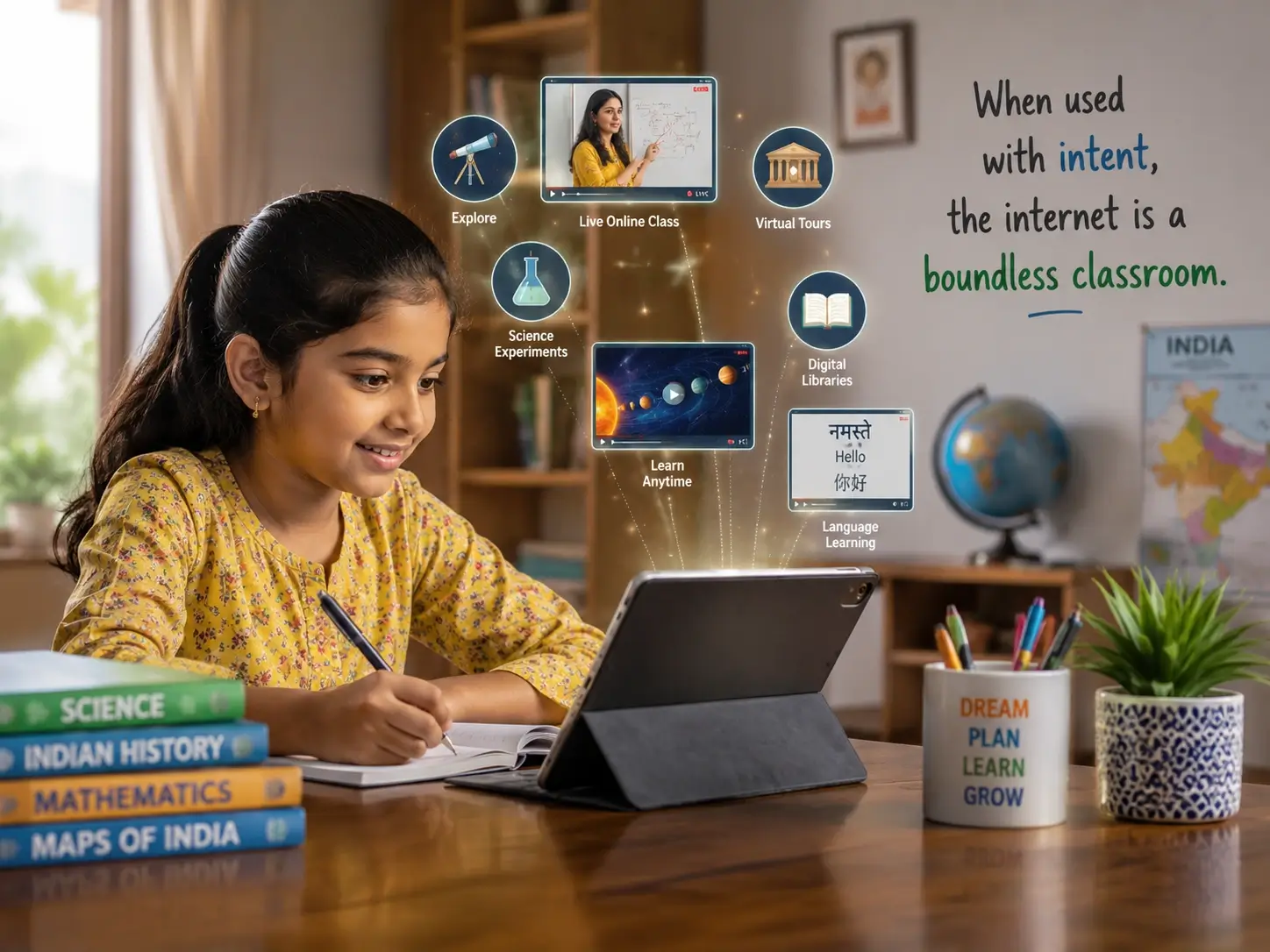
One of the biggest advantages of social media is access to knowledge and online educational content. Children can learn almost anything online—from mathematics and science to art, music, and language skills.
Educational channels on YouTube provide interactive lessons that make learning more engaging. Students can watch documentaries, attend live classes, participate in quizzes, and learn coding or creative skills from experts around the world. During situations like the COVID-19 pandemic, social media became especially useful for online learning. When used wisely, social media can become a powerful digital learning tool.
2. Encourages Creativity and Talent Showcase
Social media allows children to showcase their creativity and talents confidently. Whether it is singing, painting, dancing, photography, storytelling, or public speaking, children can express themselves before a global audience.
Share Artwork
Showcasing creative hobbies to a supportive community.
Create Content
Uploading educational content or short films to inspire others.
Participate
Joining online competitions and talent showcases globally.
This exposure often builds confidence and motivates children to improve their skills. For shy children, social media can provide a comfortable space for self-expression and creativity.
3. Helps in Communication and Social Connection
Social media helps children stay connected with friends and family, especially when distance separates them. They can communicate instantly through messages, video calls, and online groups.
During vacations, relocations, or emergencies, social media helps maintain friendships and emotional bonds. It also allows children to interact with people from different cultures and backgrounds, helping them develop broader perspectives and social awareness. However, healthy communication should complement—not replace—real-life interaction.
4. Builds Awareness About Social Issues
Today’s children are more aware of global issues than previous generations, largely because of social media. They learn about:
Environmental Conservation & Animal Welfare
Mental Health Awareness & Social Equality
Social media often inspires children to take part in positive social initiatives like planting trees, helping communities, or supporting charitable causes. When guided properly, children can use social media for entertainment, social awareness, and responsible citizenship.
5. Develops Digital Skills
In a technology-driven world, digital literacy for children is an important life skill. Responsible use of social media helps children become familiar with online communication, content creation, research skills, and digital collaboration.
These digital skills can be highly beneficial for future education and careers. Children who learn to use technology wisely can adapt better to modern professional environments.
1. Addiction and Excessive Screen Time
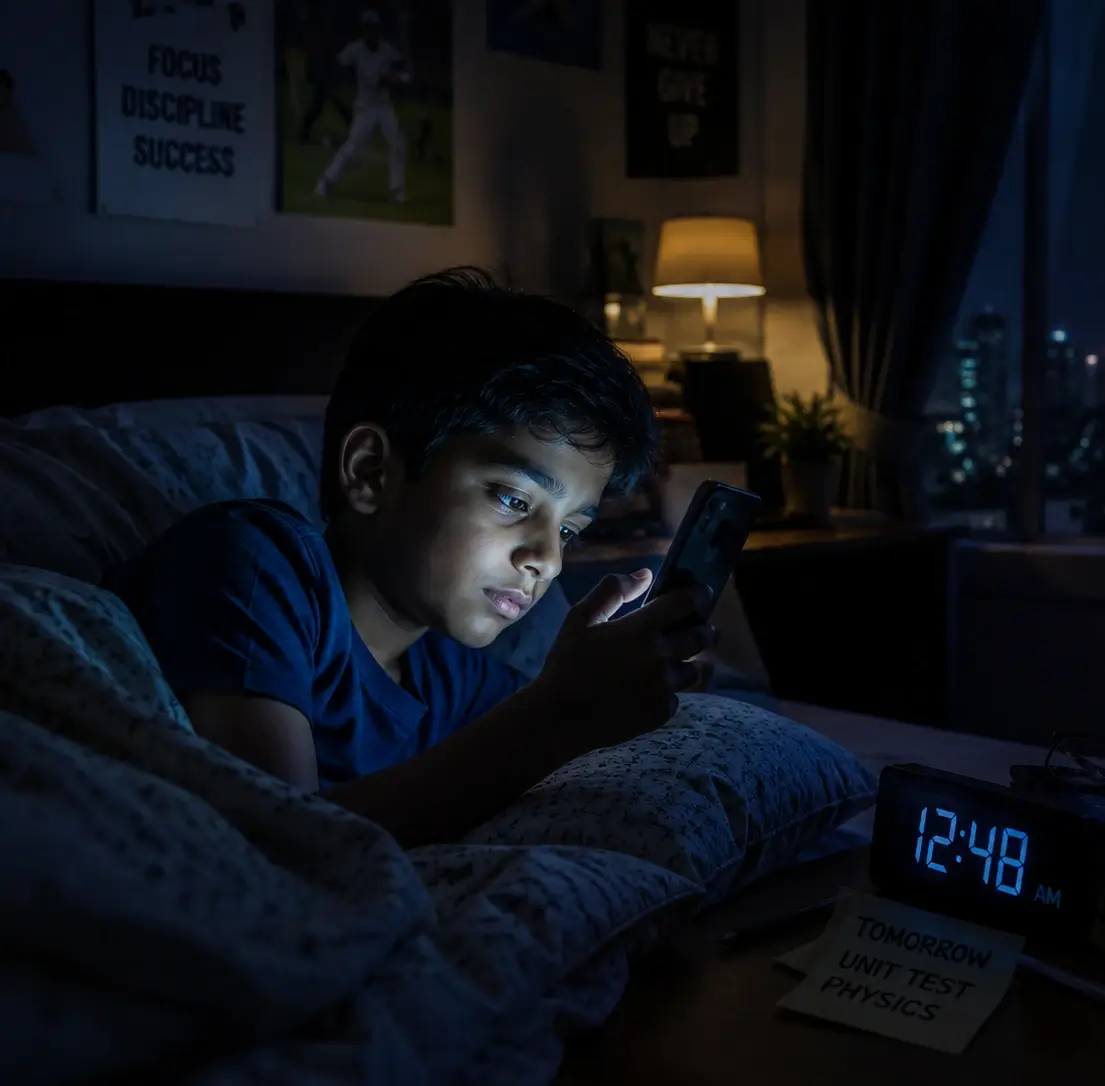
One of the most serious concerns is social media addiction in children. Many children spend hours scrolling through videos, reels, and posts without realizing how much time has passed. Excessive screen time can lead to:
Cognitive ImpactReduced concentration and poor academic performance.
Physical ImpactSleep disturbances, lack of physical activity, eye strain, and headaches.
Children may gradually lose interest in outdoor games, books, and face-to-face conversations. Social media addiction can also affect emotional balance and self-discipline.
2. Negative Impact on Mental Health
Constant exposure to unrealistic lifestyles, beauty standards, and comparisons can hurt children’s self-esteem. Many children compare themselves with influencers, celebrities, or classmates online. This may lead to anxiety, low confidence, stress, loneliness, and the fear of missing out (FOMO).
Cyberbullying is another major concern. Hurtful comments, online trolling, and exclusion from online groups can deeply affect a child emotionally. Many children struggle silently under these pressures.
3. Exposure to Inappropriate Content
The internet contains both useful and harmful material. Despite parental controls, children may still encounter inappropriate or disturbing content online.
Violence, abusive language, fake news, and harmful trends can influence children negatively if they lack guidance. Young minds are impressionable, and repeated exposure to unhealthy content may affect behaviour, language, and attitudes. Therefore, supervision and digital awareness are extremely important.
4. Weakening of Real-Life Relationships
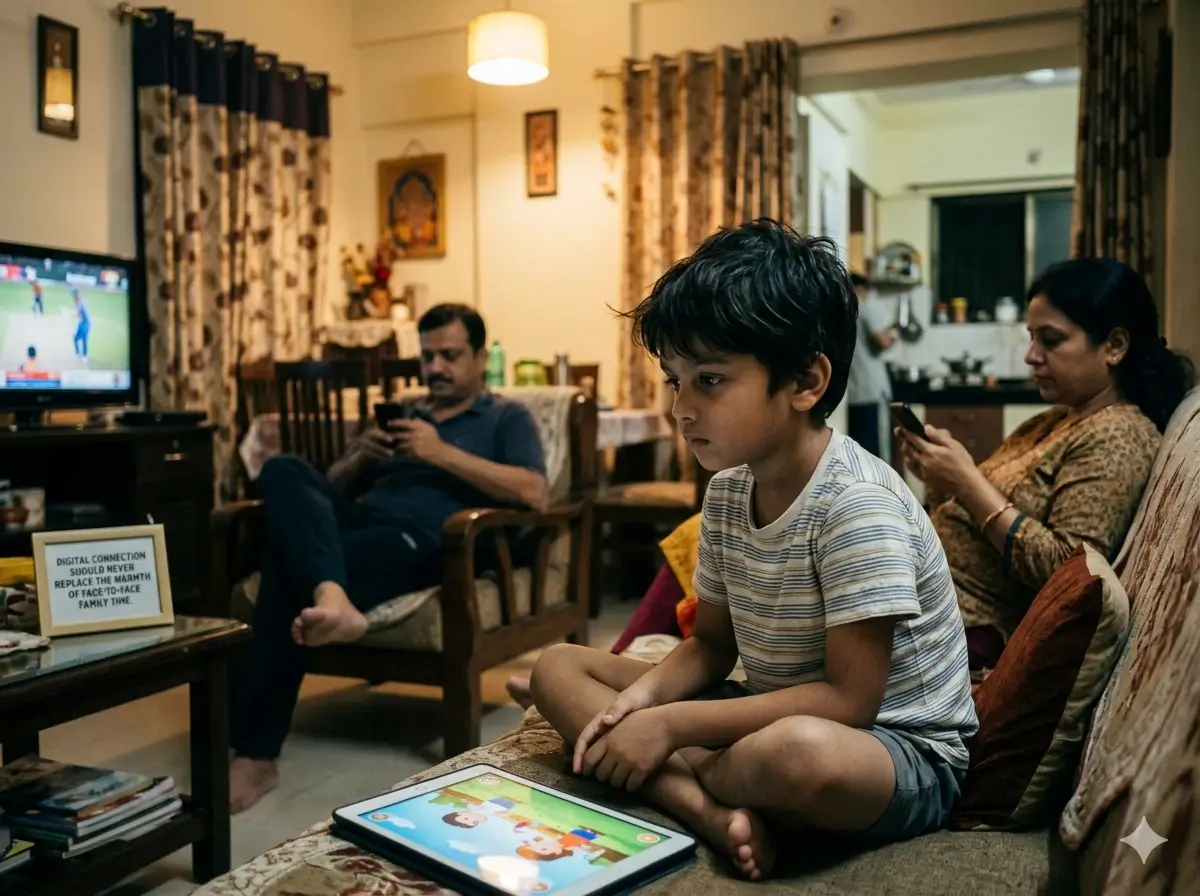
Although social media connects people virtually, excessive use may weaken real-life communication and emotional bonding. Many children spend more time on phones than interacting with family.
Family dinners, conversations, and outdoor activities are gradually being replaced by screens. Children may also become less skilled in face-to-face communication, patience, and emotional understanding. Strong human relationships are built through real experiences, not only digital interaction.
5. Reduced Attention Span and Productivity
Social media platforms are designed for quick entertainment and instant gratification. Constant exposure to short videos and fast-changing content can reduce children’s attention span over time.
Children may find it difficult to focus on studies, read books patiently, complete long tasks, or engage deeply in learning. This habit of constant digital stimulation may affect academic performance and creativity in the long run.
The Need for Balance and Responsible Usage
The solution is not to completely remove social media from children’s lives because technology is now an unavoidable part of modern society. Instead, the goal should be balanced and responsible usage.
Parents and schools play a major role in building healthy digital habits. Important steps include:
Set Limits
Enforce screen-time limits and monitor online content regularly.
Go Outdoors
Encourage physical sports, hobbies, and face-to-face communication.
Role Models
Become role models in healthy technology use and teach digital safety.
Children should also understand that social media shows only a small and often unrealistic part of people’s lives. Teaching self-control and responsible digital behaviour is one of the greatest parenting challenges today.

Navigating the Digital Landscape Together
Social media has become a powerful force shaping children’s lives in countless ways. It offers knowledge, creativity, communication, and opportunities that previous generations could hardly imagine. At the same time, it also brings challenges like addiction, emotional stress, and reduced real-world interaction.
Children need guidance, supervision, and emotional support to navigate the digital world safely and responsibly. Parents and teachers must help them understand that while social media can be a wonderful platform, real happiness still lies in meaningful relationships and balanced living.