Childhood obesity is rising at an alarming rate across the world, including in India. What was once considered an adult health problem is now affecting school-going children, teenagers, and even preschoolers. Doctors are reporting increasing cases of high blood pressure, fatty liver, diabetes, sleep problems, hormonal imbalance, and emotional distress among children linked to obesity.
The issue is not only about body weight or appearance. Childhood obesity is becoming a serious physical, emotional, and social concern. The question parents must ask today is not, “Is my child eating enough?” but “Is my child living healthy enough?”
The Lifestyle of Childhood Has Changed
One of the biggest reasons behind rising obesity in children is the dramatic change in lifestyle. Earlier, childhood naturally included outdoor games, cycling, walking to school, climbing stairs, and physical movement throughout the day. Today, many children spend most of their time indoors.
Mobile phones, tablets, television, gaming consoles, and online classes have significantly reduced physical activity. A large number of children now spend hours sitting in one place watching screens. After school, many children move directly from classrooms to tuition classes and then to screens again at home. Physical play has slowly been replaced by digital entertainment.
A child may appear “busy” all day, but the body may remain physically inactive. This lack of movement directly contributes to weight gain. Less movement means a higher risk of childhood obesity and inactivity.
Junk Food Has Become a Daily Habit
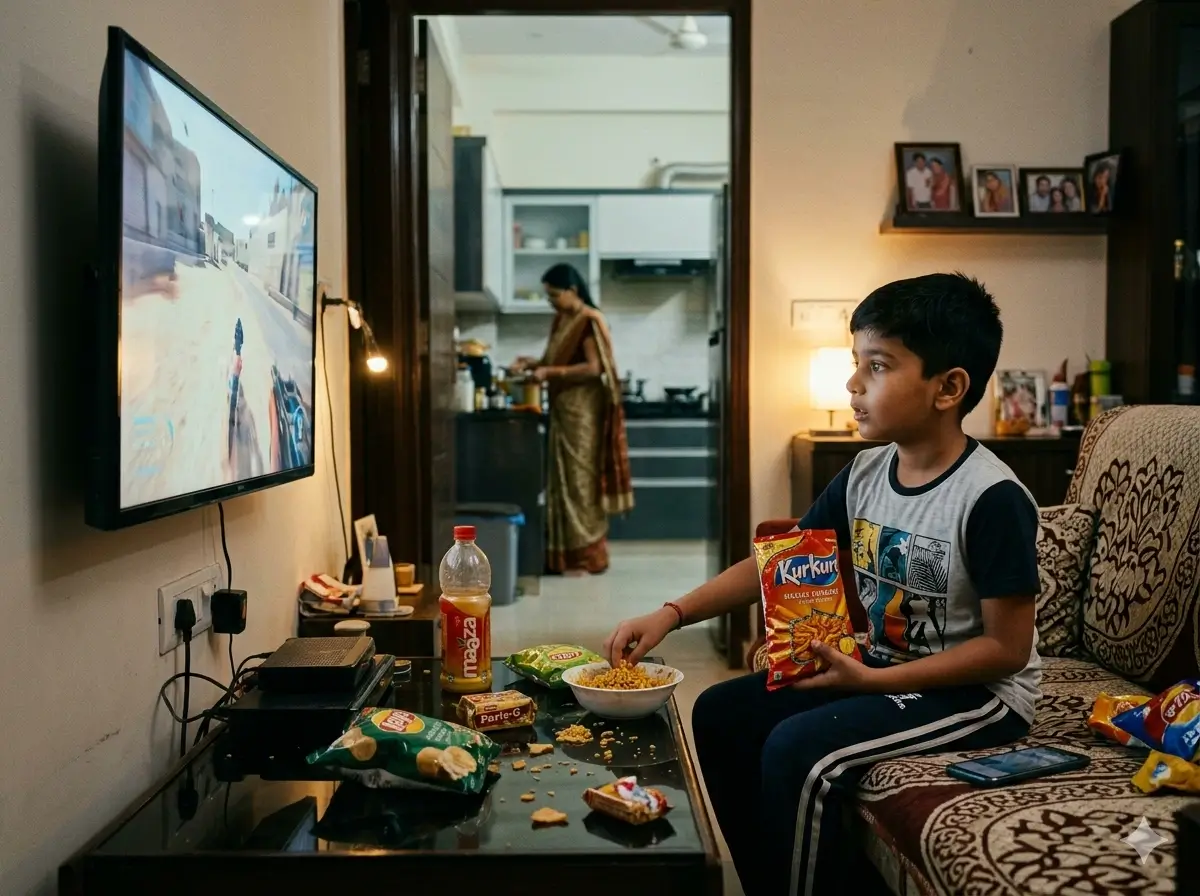
Food habits among children have changed drastically over the past decade. Fast food, packaged snacks, sugary drinks, chocolates, instant noodles, fries, burgers, pizzas, and processed foods have become a regular part of children’s diets. These foods are easily available, heavily advertised, and often emotionally associated with reward and happiness.
Many parents today are extremely busy and exhausted. In such situations, quick packaged foods become convenient solutions. Unfortunately, convenience often comes at the cost of nutrition.
The Nutritional ShiftChildren are consuming more sugar, more unhealthy fats, more processed ingredients, and more calories, while consuming less fiber and less natural food.
Emotional EatingChildren are increasingly using food for comfort, entertainment, or stress relief rather than hunger. Food has shifted from nourishment to distraction.
Screen Time and Mindless Eating
Screens are not only reducing physical activity; they are also influencing eating behavior. Many children now eat while watching television, scrolling on mobile phones, or playing games. This “mindless eating” prevents the brain from recognizing fullness properly.
As a result, children often consume much larger quantities of food without realizing it. Additionally, children are constantly exposed to advertisements promoting unhealthy foods. Bright packaging, cartoon characters, celebrity endorsements, and digital marketing strongly influence their choices.
A child who repeatedly watches advertisements for chips, chocolates, and sugary drinks naturally begins craving them. The modern environment is making unhealthy choices more attractive than healthy ones.
Academic Pressure Leaves Little Time for Physical Activity
In countries like India, academic performance is often prioritized over physical health. Many children have tightly packed schedules filled with school, homework, tuition classes, coaching sessions, and competitive exam preparation.
Outdoor play is frequently treated as a “waste of time” instead of an essential part of healthy development. Parents may proudly say, “My child studies all day,” but the child’s body may be suffering silently due to lack of movement.
Physical activity is not optional for children—it is necessary for proper growth, emotional balance, metabolism, and mental health. Unfortunately, modern childhood is becoming increasingly sedentary. A packed academic schedule should not replace daily physical activity.

Sleep Deprivation Is Also a Hidden Cause
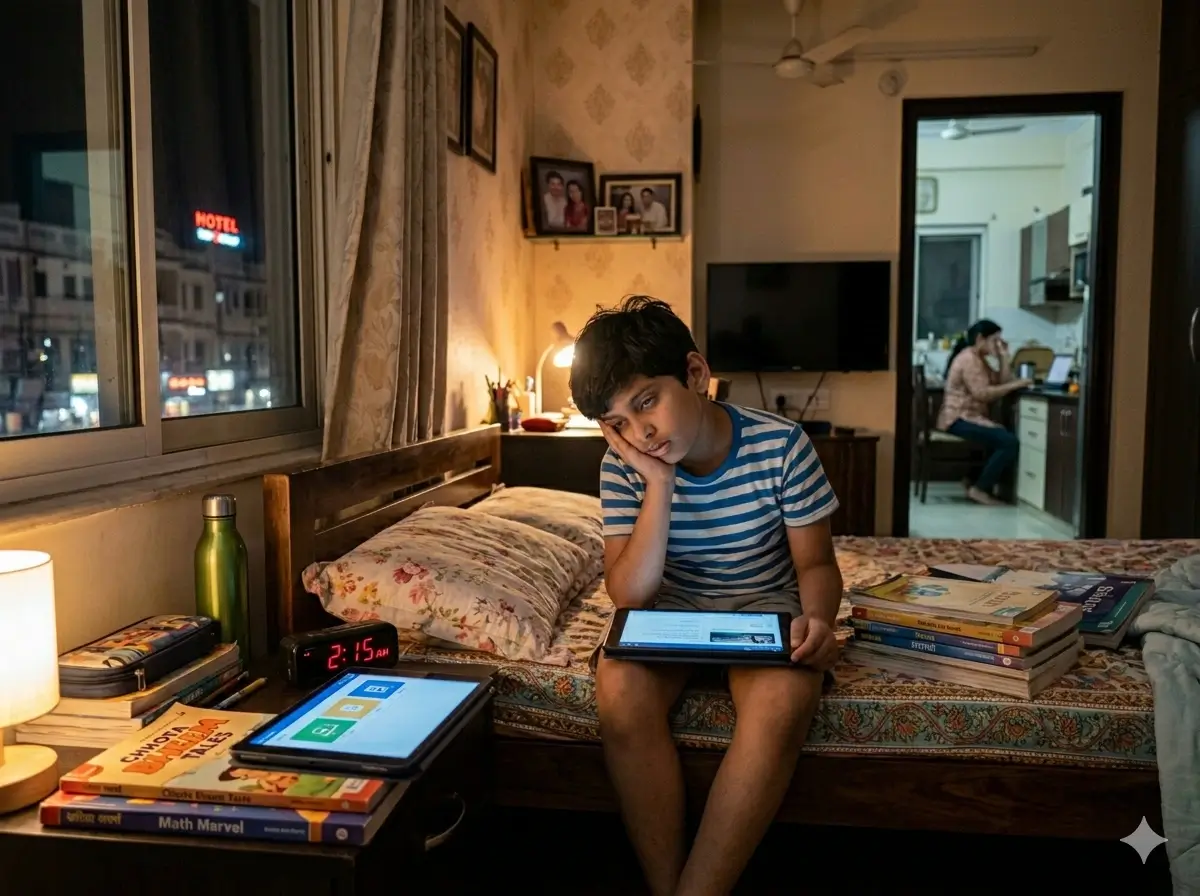
Many parents underestimate the importance of sleep in maintaining healthy body weight. Children today often sleep late due to excessive screen exposure, academic pressure, irregular routines, social media usage, and late-night entertainment.
Poor sleep affects hormones that regulate hunger and appetite. Sleep-deprived children are more likely to crave sugary and high-calorie foods. Lack of sleep also reduces energy levels, making children less physically active during the day. A tired child often chooses screens over sports and snacks over movement.
Parents’ Lifestyle Influences Children
Children learn more from observation than instruction. If parents themselves avoid physical activity, frequently consume junk food, spend long hours on screens, and follow unhealthy sleep patterns, then children are likely to adopt similar habits.
In many households today, family meals are disappearing. Instead of eating together, family members often eat separately while using devices. Healthy lifestyle habits cannot be taught only through lectures. They must be practiced within the home environment. A child raised in a physically active and health-conscious family is naturally more likely to develop healthier habits.
Emotional Health and Obesity Are Connected
Childhood obesity is not only linked to physical habits; emotional factors also play a major role. Children today experience stress, loneliness, academic pressure, social comparison, and emotional insecurity at increasingly younger ages.
Some children turn to food for emotional comfort. Others may develop low self-esteem due to bullying, body shaming, or comparison with peers. Emotional distress can further increase unhealthy eating habits and reduce motivation for physical activity. This creates a harmful cycle:
Weight Gain
Physical changes affect confidence.
Low Confidence
Increases emotional stress and isolation.
Unhealthy Eating
Using food to self-soothe leads back to weight gain.
Therefore, obesity must be addressed with emotional sensitivity rather than criticism or shame. Healthy weight support should protect confidence and emotional well-being.
The Health Risks Are Serious
Many people still believe that childhood obesity is temporary and children will “grow out of it.” However, doctors warn that obesity during childhood can lead to long-term health complications.
Physical RisksType 2 diabetes, high blood pressure, fatty liver disease, hormonal imbalance, joint pain, and breathing problems (like sleep apnea).
Mental & Future RisksAnxiety, depression, and a much higher likelihood of becoming an obese adult with compounded long-term risks.
What Can Parents and Schools Do?
The solution is not strict dieting or body shaming. Children need balanced lifestyles, not punishment.
Outdoor Play
At least one hour of physical activity daily is essential.
Reduce Screens
Screens should not become the primary source of entertainment.
Improve Food Habits
Homemade meals, fruits, and balanced nutrition daily.
Ensure Proper Sleep
Consistent sleep routines are extremely important for healthy growth.
Eat Together
Family meals improve eating habits and emotional connection.
No Food Rewards
Don't associate junk food with emotional comfort or achievement.
Focus on Health, Not Appearance. Parents must avoid insulting or shaming children about weight. The goal should be strength, energy, confidence, and well-being—not unrealistic body standards.

Rebuilding Healthier Priorities
Childhood obesity is increasing because childhood itself is changing. Physical play is decreasing, screens are increasing, food habits are worsening, and stress is entering children’s lives much earlier than before. The solution does not lie in extreme diets or blaming children. It lies in rebuilding healthier routines, healthier homes, and healthier priorities.