SabkiShiksha — Delhi School Admissions, NEP 2020 Teacher Training & Parenting Guidance by Dr. Shradha Vasisht
 New Post
Teacher Training
6 min
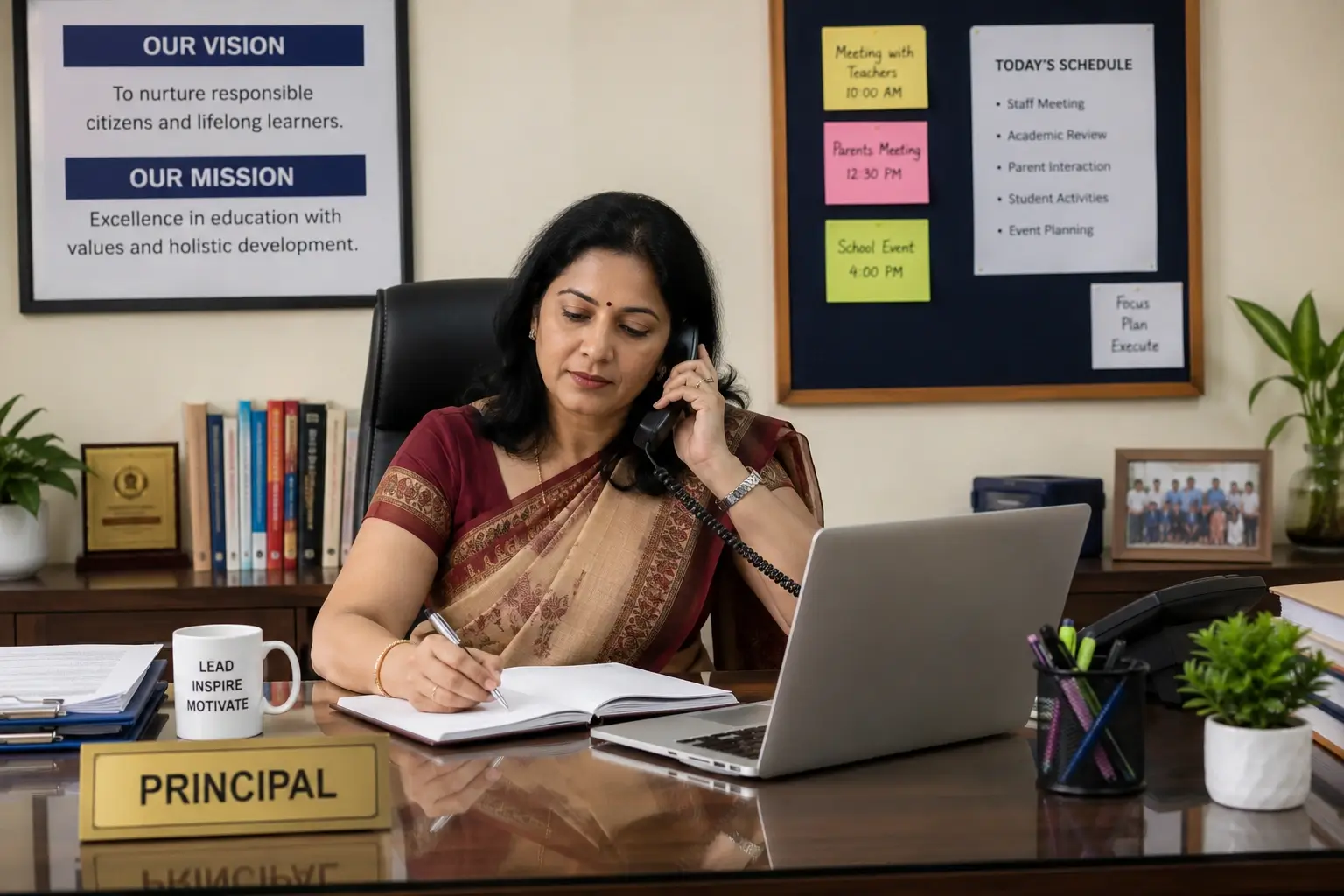
Understanding the Growing Pressure on School Leaders in India?
Scroll
Expert Articles on Admissions, Parenting & Teaching
Admission deadlines, parenting research & NEP 2020 updates — curated weekly by Dr. Shradha Vasisht for Indian families.
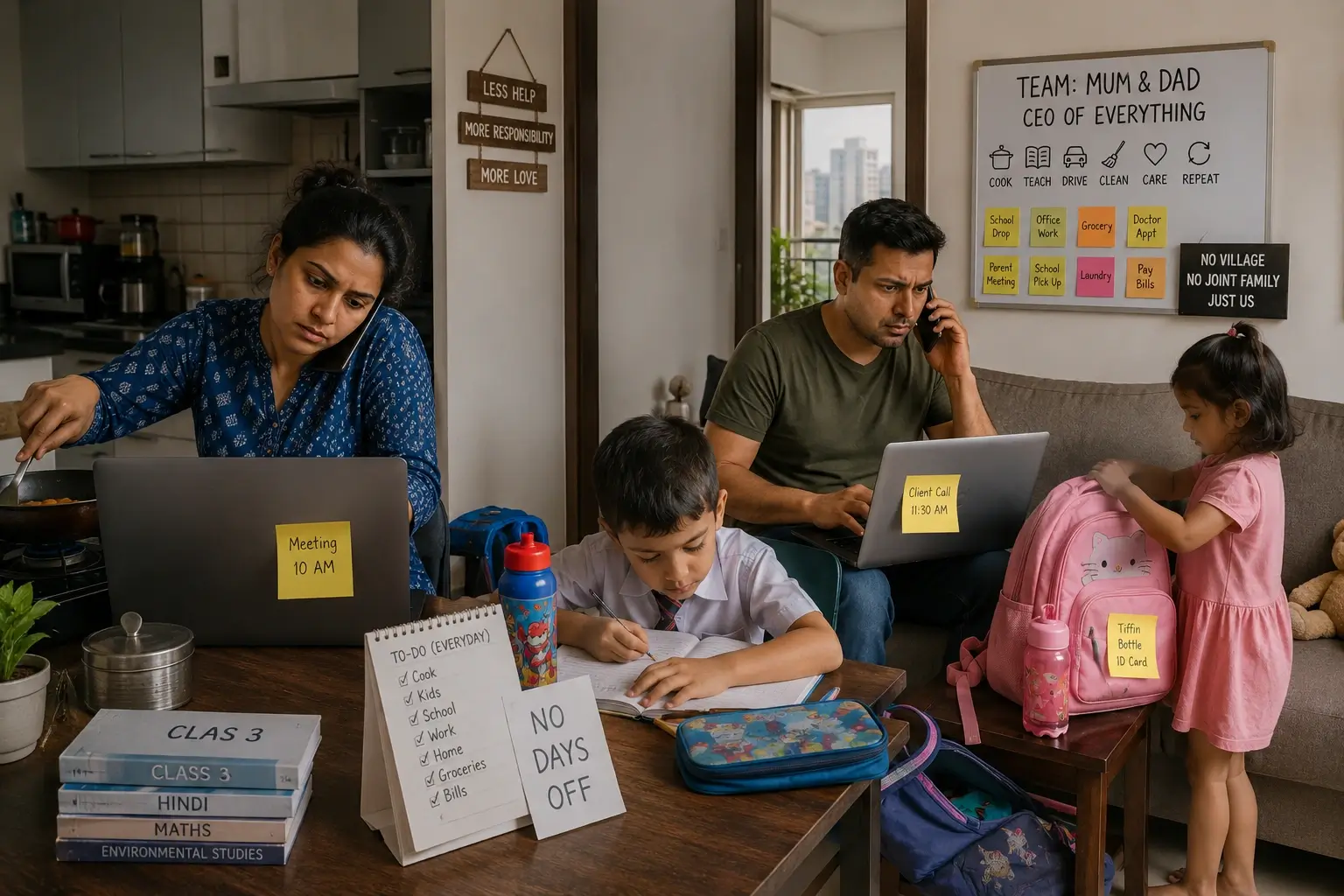
Navigating Urban Motherhood: How Life in Big Cities Has Transformed Parenting
Read Full GuideUnderstanding the Growing Pressure on School Leaders in India
Read Full GuideHow Can We Help You Today?
Whether you're a parent navigating admissions, a teacher upgrading skills, or an educator seeking NEP 2020 compliance — we're here for you.
School Admission Guidance
Navigating EWS/DG, General, and KV admissions. Forms, dates, and strategy.
Explore Your AdmissionsTeacher Training
Upskill with professional training methods directed by Dr. Shradha.
View Workshop DetailsParenting Resources
Expert advice on child growth, health, and positive parenting methods.
Explore ResourcesClient Testimonials
Real stories of guidance and success from our community.
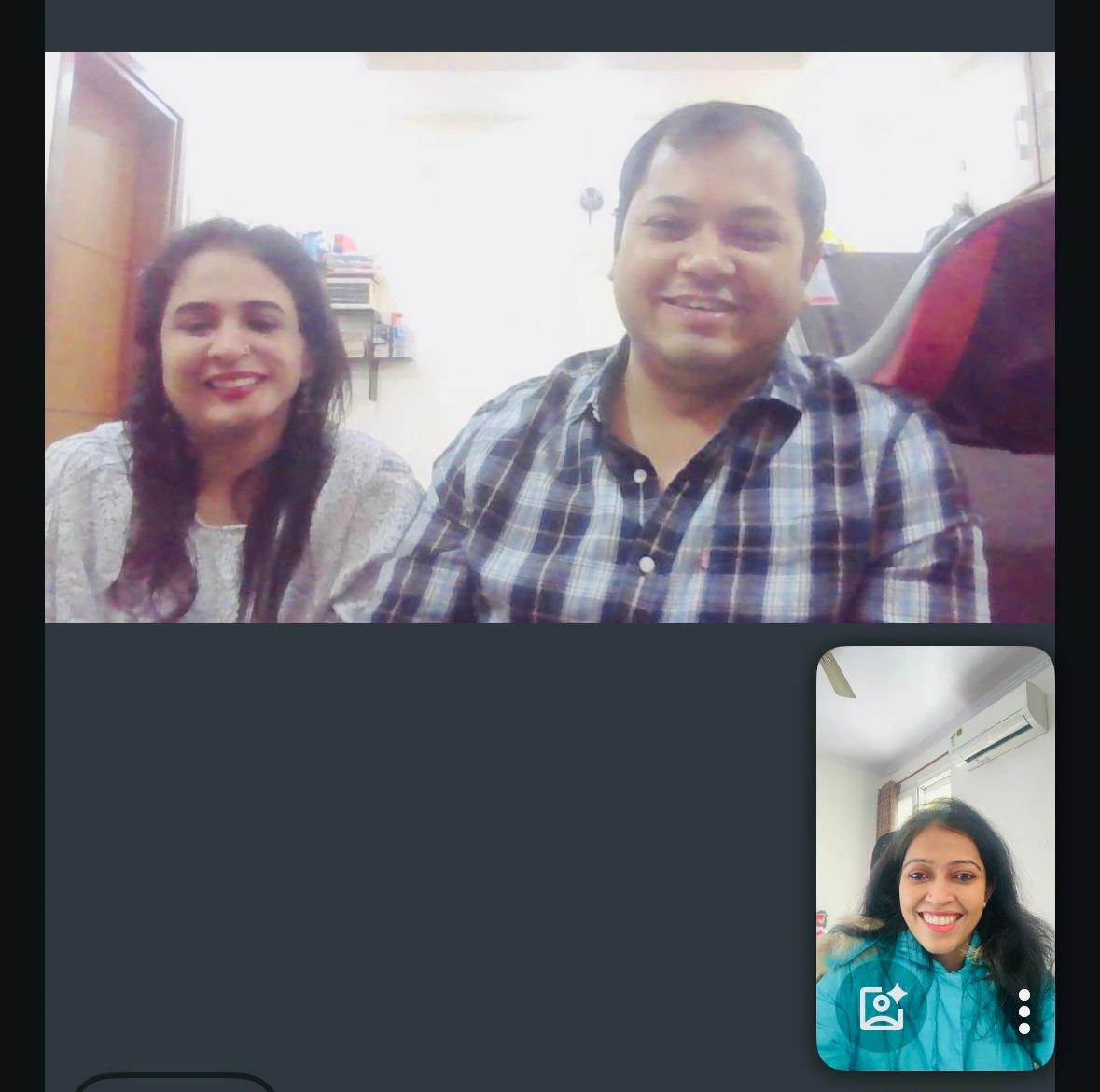
Priya Sharma, Delhi
Screen TimeWe were losing our son to video games. The practical strategies helped us set boundaries without conflict. Peace is restored!
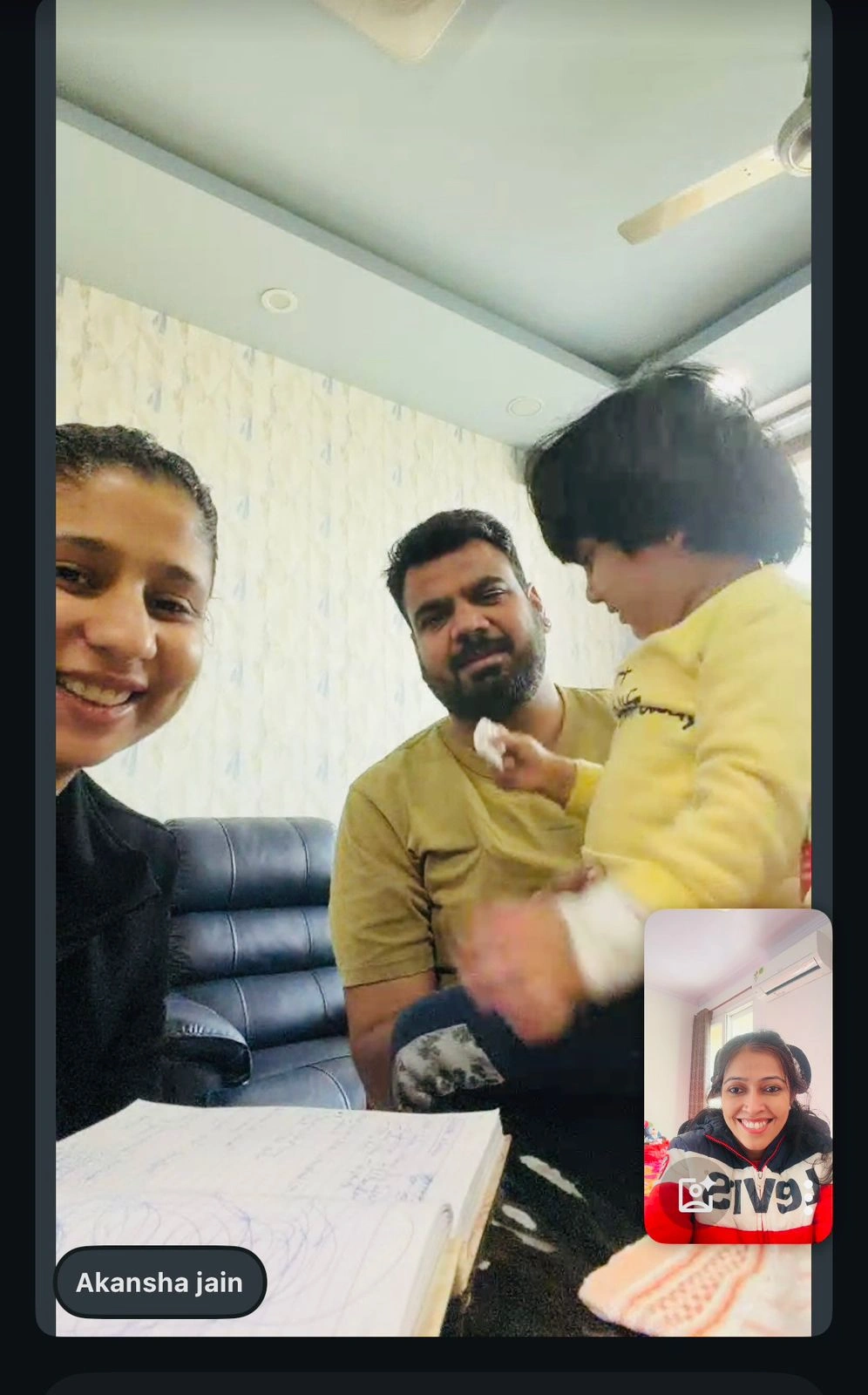
Pooja Agarwal, Pitampura, Delhi
Screen Time"They gave practical tips to reduce my child's screen time. A truly caring and helpful platform!"
Priya Sharma, Delhi
School Selection"SabkiShiksha made choosing the right school for my child effortless and stress-free!"
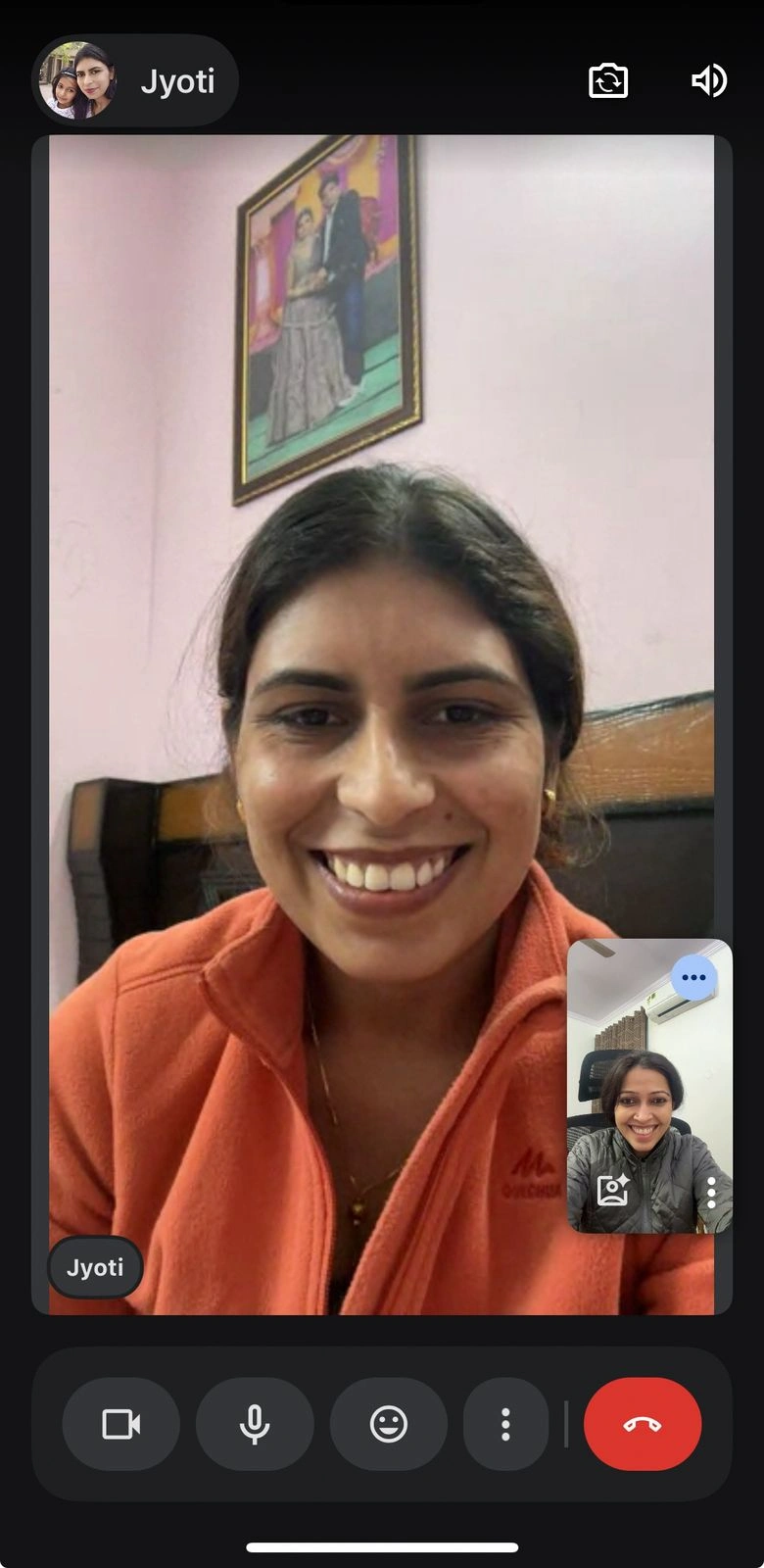
Rakesh Verma, Dwarka, Delhi
School Selection"We were confused choosing between 5 schools for our son's first year. SabKiShiksha's counselling gave us clarity, confidence, and the perfect school match. Truly grateful!"
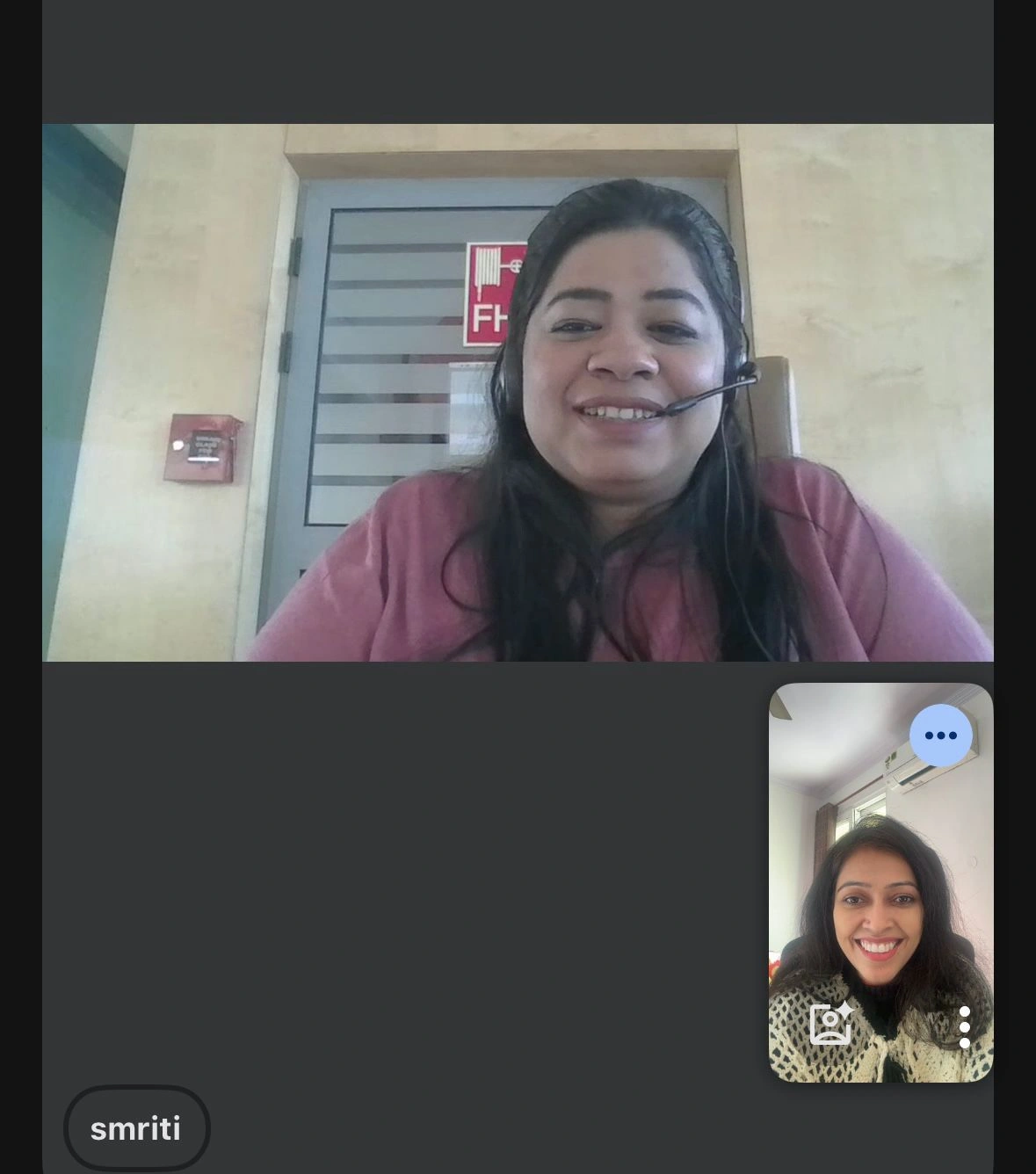
Mrs. Kavita Sharma, Principal,
Teachers TrainingSabkiShiksha's workshop reignited our teachers' passion and purpose. The motivation strategies shared were practical, powerful, and truly transformational for our entire school!.
Mr. Rajiv Bhatia, Principal
Parents WorkshopSabkiShiksha organized a brilliant workshop helping our parents plan productive, fun-filled summer holidays for their children. Absolutely outstanding initiative
Answers Parents & Teachers Are Searching For
Practical, expert guidance by Dr. Shradha Vasisht on India's most-asked education, parenting and school admission questions.
For Delhi private school nursery admissions you need the child's birth certificate, proof of residence (Aadhaar/ration card/electricity bill dated within 1 year), and a recent passport-size photograph. Some schools also ask for the parent's Aadhaar. Always check the school's individual list before submitting.
EWS (Economically Weaker Section) and DG (Disadvantaged Group) quota reserves 25% of Class 1 seats in unaided private schools under RTE. Family income must be below ₹1 lakh per annum (for EWS) or the child must belong to a Scheduled Caste, Scheduled Tribe, or specified OBC category (DG). Apply through the official Delhi government admissions portal — forms are free.
KV admissions follow a priority-based seat allocation — not a pure lottery. Central government employees get Priority 1; children of ex-servicemen, single girls, and RTE seats follow in strict order. Only if seats remain after all priorities are exhausted is a computerised random draw held. Online registration opens in January each year on the KVS portal.
Kendriya Vidyalayas (KV) are central government day schools for children of government employees, following CBSE. Sainik Schools are residential with military discipline and prepare students for the NDA/armed forces career. Navodaya Vidyalayas (JNV) are free residential schools for talented rural students, selected via JNVST. All three are fully free or heavily subsidised.
Balvatika (pre-primary in KVs) is highly competitive due to limited seats and high demand from government employees. There is no entrance exam — selection is purely based on KV priority categories. The best preparation is ensuring your documents are complete and filed the moment registration opens. Early application is crucial.
NEP 2020 asks teachers to shift from rote learning to competency-based education. Practically this means: replacing one-answer MCQs with open-ended questions, using project-based activities, giving formative feedback instead of only summative marks, and integrating arts and sports into regular lessons. Dr. Shradha Vasisht's training workshops provide ready-to-use classroom plans aligned to NEP.
ECCE (Early Childhood Care and Education) training is designed for preschool, kindergarten, and Class 1–2 teachers. It covers play-based pedagogy, child development milestones, inclusive classroom strategies, parent communication, and NEP 2020's Foundational Stage framework. Any teacher working with children aged 3–8 should ideally complete ECCE certification.
Differentiated instruction is the key: group students by current ability for specific tasks (not permanently), use tiered worksheets, offer choice boards, and keep anchor tasks available for fast finishers. Dr. Shradha's teacher training workshops include practical differentiation tools specifically designed for Indian government and private school classrooms.
Yes — all workshops by Dr. Shradha Vasisht are available as live online batches with replay access, downloadable resources, and a verified completion certificate. Teachers across India participate without travel. Upcoming batch dates and fee details are available on the Teachers section of this website.
WHO guidelines recommend no screen time for children under 2, and a maximum of 1 hour/day of quality content for ages 2–5. For school-age children (6–12), 1–2 hours of recreational screen time per day is considered manageable — but the content quality and whether it displaces physical activity or sleep matters far more than the exact number. Set a family screen-time contract, not just a time limit.
Strong-willed children resist authority but respond well to autonomy within boundaries. Instead of commands, offer limited choices ("Do you want to do homework before or after snack?"). Acknowledge their feelings before giving instructions. Use natural consequences rather than punishments. Dr. Shradha's parenting guidance blog has 12 field-tested strategies for stubborn children.
The biggest culprits are competing screen entertainment, academic pressure that turns reading into a chore, and lack of choice in what children read. To rebuild the habit: let children choose their own books (even comics count), create a screen-free reading window of just 15 minutes a day, and read alongside them so it feels social rather than a task. Audiobooks are a great bridge.
The twelve values that research and Dr. Shradha Vasisht's guidance consistently highlight are: honesty, empathy, respect for elders and peers, responsibility, resilience, patience, gratitude, kindness, self-discipline, curiosity, fairness, and courage. Values are caught more than taught — children mirror what they see at home daily, not what they hear in lectures.
Normalise nerves — tell your child that feeling nervous means they care, and that is a good thing. Maintain sleep, food and exercise routines during exam season. Avoid discussing marks and results constantly. Praise effort and preparation, not outcomes. If anxiety is severe (sleep issues, stomach aches, refusal to attend school), seek professional support from a child counsellor promptly.
Have a specific question about your child's admission, classroom, or parenting situation?
Book a 1-on-1 Consultation with Dr. Shradha Vasisht