What the Right to Education (RTE) Really Means
The meaning of the Right to Education in India goes far beyond free schooling. It ensures that children receive quality education in a safe, supportive environment.
25% Seat ReservationThe RTE Act mandates that private schools reserve 25% of their seats for children from economically weaker sections and disadvantaged groups.
Infrastructure & QualityIt sets norms for school infrastructure, teacher qualifications, and student–teacher ratios, so that access is combined with quality.
State ResponsibilityBy making education a legal right, the Act shifts primary responsibility from families to the state, reinforcing social justice.
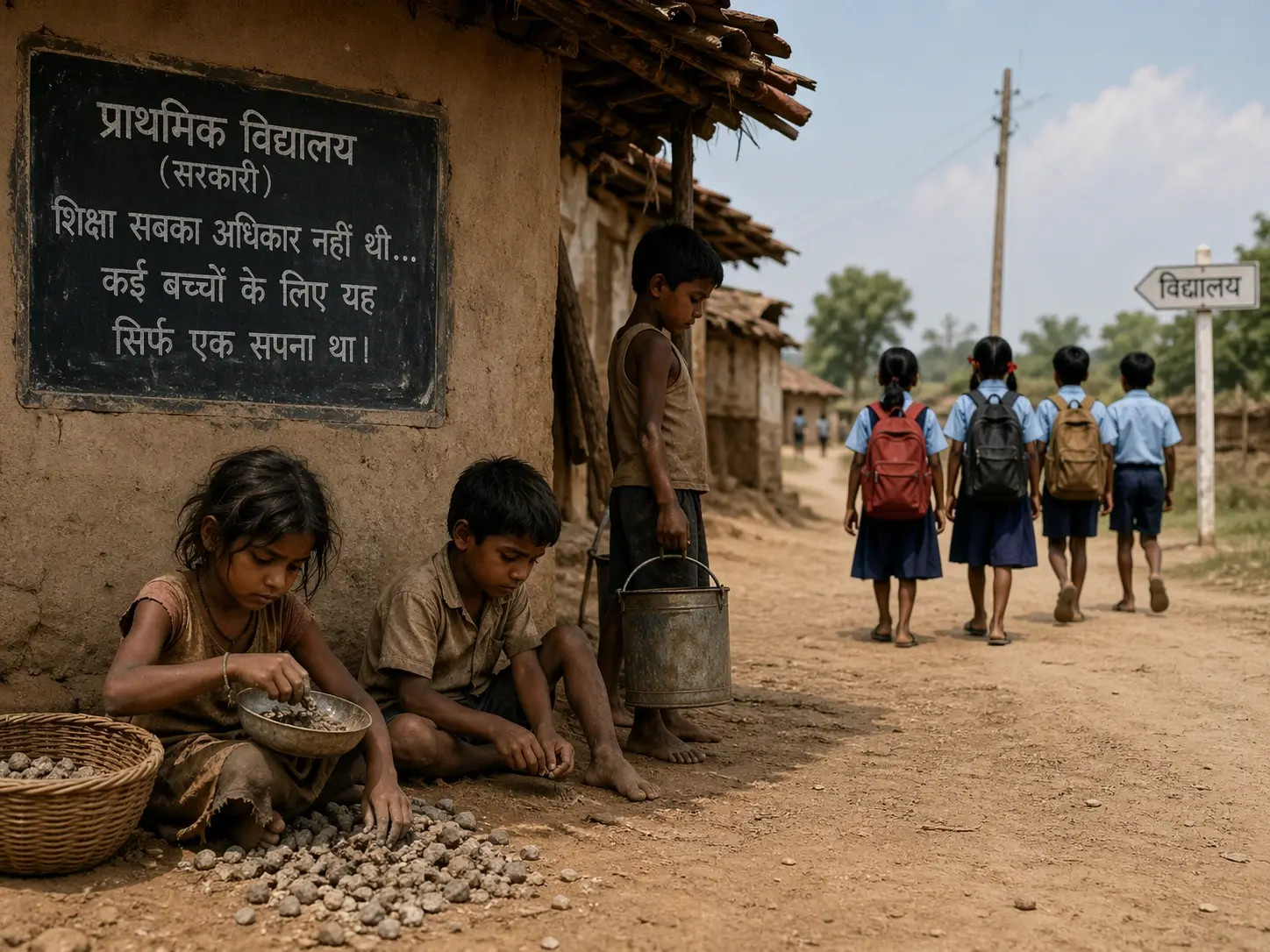
Before RTE: Barriers for Underprivileged Children
Before the RTE Act, millions of children—especially from poor and marginalized communities—were denied even basic schooling. Major obstacles included:
- Poverty and child labour, which pushed children into work instead of classrooms
- Gender discrimination, limiting opportunities for many girls
- Lack of awareness, making education seem like a luxury rather than a right
For such children, school was often a distant dream. The introduction of RTE marked a turning point by directly addressing these barriers and building a legal framework to bring children into the education system.
Access and Support: How RTE Encourages Enrollment
One of the most visible impacts of the RTE Act for underprivileged children has been the rise in school enrollment. Government measures have encouraged families to send their children to school by reducing the financial burden.
Free Textbooks
Providing essential learning materials without cost.
Free Uniforms
Ensuring dignity and equality in the classroom.
Mid-Day Meals
Addressing malnutrition and encouraging attendance.
The Ministry of Education has played an important role in implementing these schemes and ensuring that benefits reach the intended beneficiaries. Financial support linked to RTE makes schooling possible and practical for economically weaker families.
Social Inclusion: Bridging the Gap Through RTE 25% Reservation
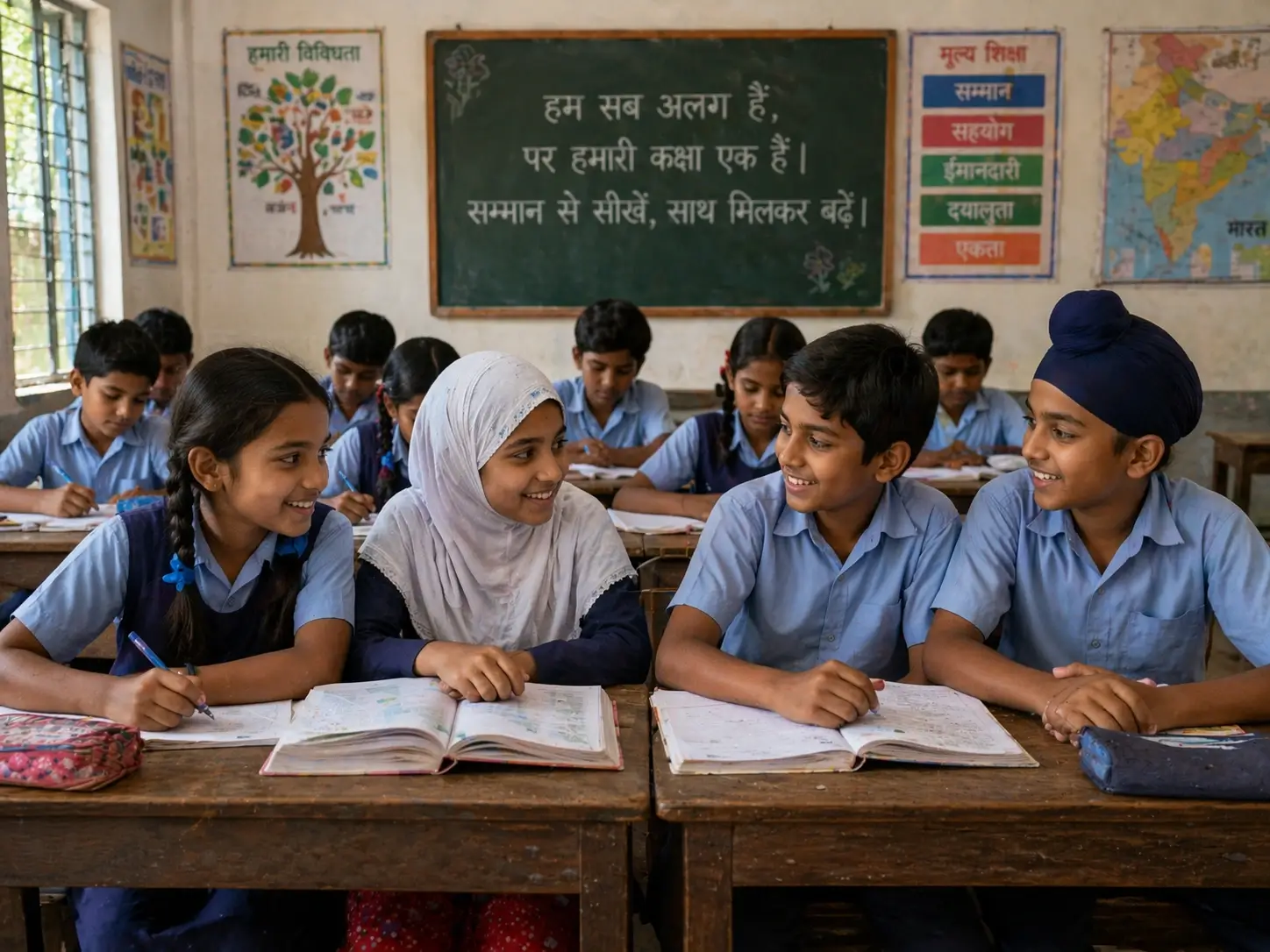
The RTE provision that 25% seats in private schools be reserved for children from disadvantaged and economically weaker sections is a major step toward social inclusion.
This approach:
- Brings children from diverse socio-economic backgrounds into the same classroom
- Encourages mutual understanding and respect among students
- Gives underprivileged children access to better facilities and learning environments
For many children, this integration significantly improves future opportunities and helps reduce deep-rooted social divides.
RTE and the Fight Against Child Labour
By making education a legal and compulsory right, the RTE Act also acts as a deterrent to child labour. When children are expected to be in school:
Protection Through Education
- There is stronger moral and legal pressure against employing children
- Schools become safer spaces where children can focus on learning rather than survival
Although child labour has not disappeared, RTE has contributed to its reduction and stigmatization, especially in the context of basic schooling.
RTE in Changing Times: COVID-19 and the Digital Divide
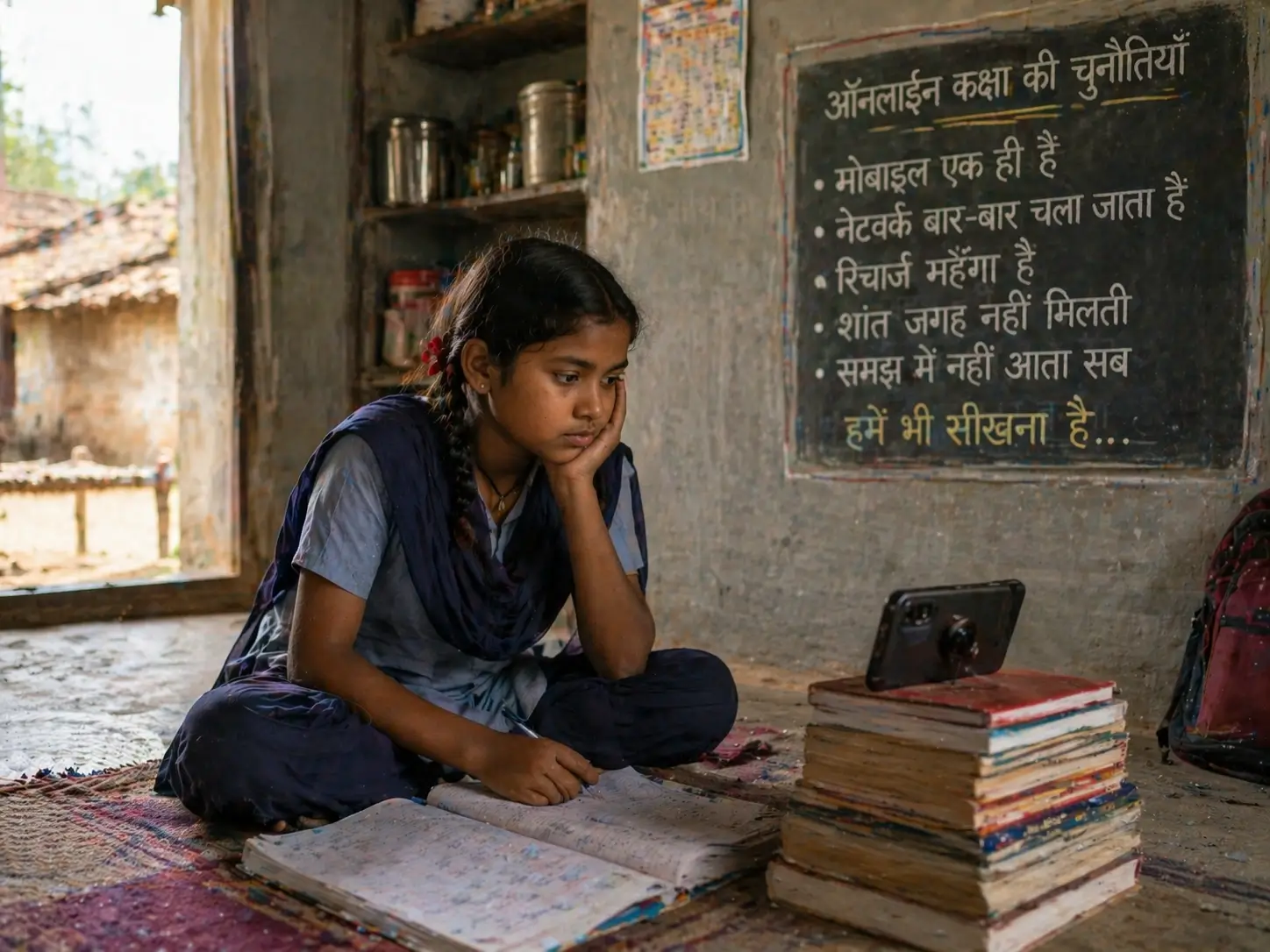
Recent disruptions like the COVID-19 pandemic have shown how crucial the Right to Education is. School closures hit underprivileged children the hardest:
- Many lacked digital devices, stable internet, or quiet spaces for online learning
- The digital divide exposed existing inequalities in the education system
This reality has reinforced the need to strengthen RTE implementation, especially in terms of improving digital infrastructure and providing resources to marginalized communities. The goal remains aligned with RTE: no child should be left behind, even as education increasingly uses technology.
Ongoing Challenges in Implementing the RTE Act
Despite its achievements, the implementation of the Right to Education Act still faces several serious challenges:
Inadequate InfrastructureMany schools lack proper facilities like sanitation, safe buildings, and learning tools.
Shortage of Trained TeachersUneven teacher distribution and lack of training affect the quality of education.
Low AwarenessMany parents remain unaware of RTE provisions and their rights regarding admissions.
Resistance from Private SchoolsSome schools push back against the 25% reservation, citing financial or administrative issues.
There are also concerns over the quality of learning in many government schools—because mere enrollment does not guarantee true education. Access has improved, but quality and awareness remain critical issues for the future of RTE.
Philosophical Roots: Education as a Tool of Social Justice
Indian thinkers have long highlighted the role of education in building a just society:
- Mahatma Gandhi saw education as a powerful tool for social change and self-reliance.
- B. R. Ambedkar viewed education as the key to breaking social inequality and empowering marginalized communities.
The Right to Education Act reflects these ideals by striving to provide equal educational opportunities to all children, regardless of caste, class, or gender. It is an attempt to turn these long-held visions into everyday reality.
The Way Forward: From Access to Quality
Looking ahead, the focus must expand from “education for all” to “quality education for all” under RTE. Key priorities include:
Teacher Support
Strengthening teacher training and professional support.
Digital Integration
Responsibly integrating technology in education.
Community Awareness
Encouraging community participation so parents use RTE provisions.
When families recognize education as a right and a path to empowerment, they are more likely to support and demand better schooling for their children. The next phase of RTE must prioritize quality, trained teachers, and active communities, not just numbers.
Conclusion: RTE as a Pathway to Equality and Empowerment
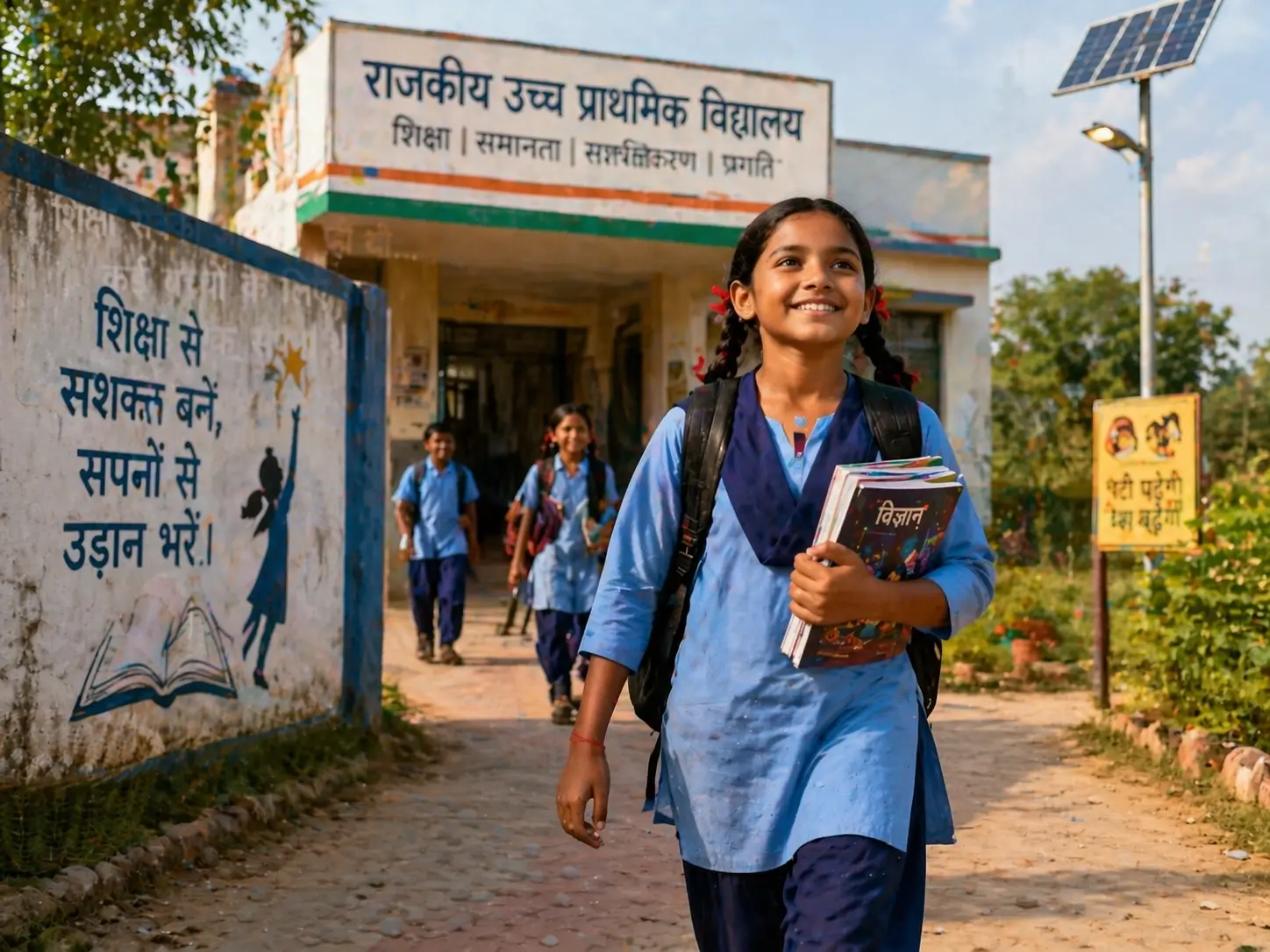
The Right to Education Act 2009 is a milestone in India’s journey toward inclusive and equitable development. It has opened doors for millions of underprivileged children, giving them a chance to dream, learn, and succeed. While many challenges remain in implementation and quality, the progress so far is meaningful and encouraging.
In a time when education is rapidly changing—with new technologies, new expectations, and new inequalities—the principles behind RTE continue to guide policy and practice.