Strong-willed children are not necessarily “difficult” children. In fact, many stubborn children grow into determined, confident, and independent adults. The real challenge is guiding them without crushing their spirit. Parenting such children requires patience, emotional intelligence, consistency, and understanding.
Children are still learning how to express emotions, handle disappointment, and assert individuality. During this growing phase, they test boundaries, demand independence, and seek attention. Instead of treating stubbornness as a battle to win, parents should see it as an opportunity to build trust, communication, and emotional connection.
1. Avoid Saying “No” to Everything
Children hear “No” repeatedly from parents, teachers, and relatives. When “No” becomes constant, children either stop listening or begin resisting automatically.
Instead of always using negative instructions, try positive alternatives. For example, instead of saying, “No TV!”, say, “Let’s go outside and play for some time.” This redirects the child rather than controlling them. Positive communication reduces conflict and encourages cooperation. Children respond better when they feel guided, not constantly restricted.
2. Don’t Turn Every Situation into an Argument
Stubborn children are often strong debaters. The more parents argue, the more children may resist just to prove their point. Rather than reacting emotionally, listen calmly. Sometimes children simply want to feel heard and understood. When parents interrupt, scold, or dismiss feelings, children become defensive.
Turn arguments into conversations by asking:“Why do you feel this way?” or “Can you help me understand what upset you?”
When children feel respected, they are more likely to listen to your perspective too.
3. Offer Choices Instead of Orders
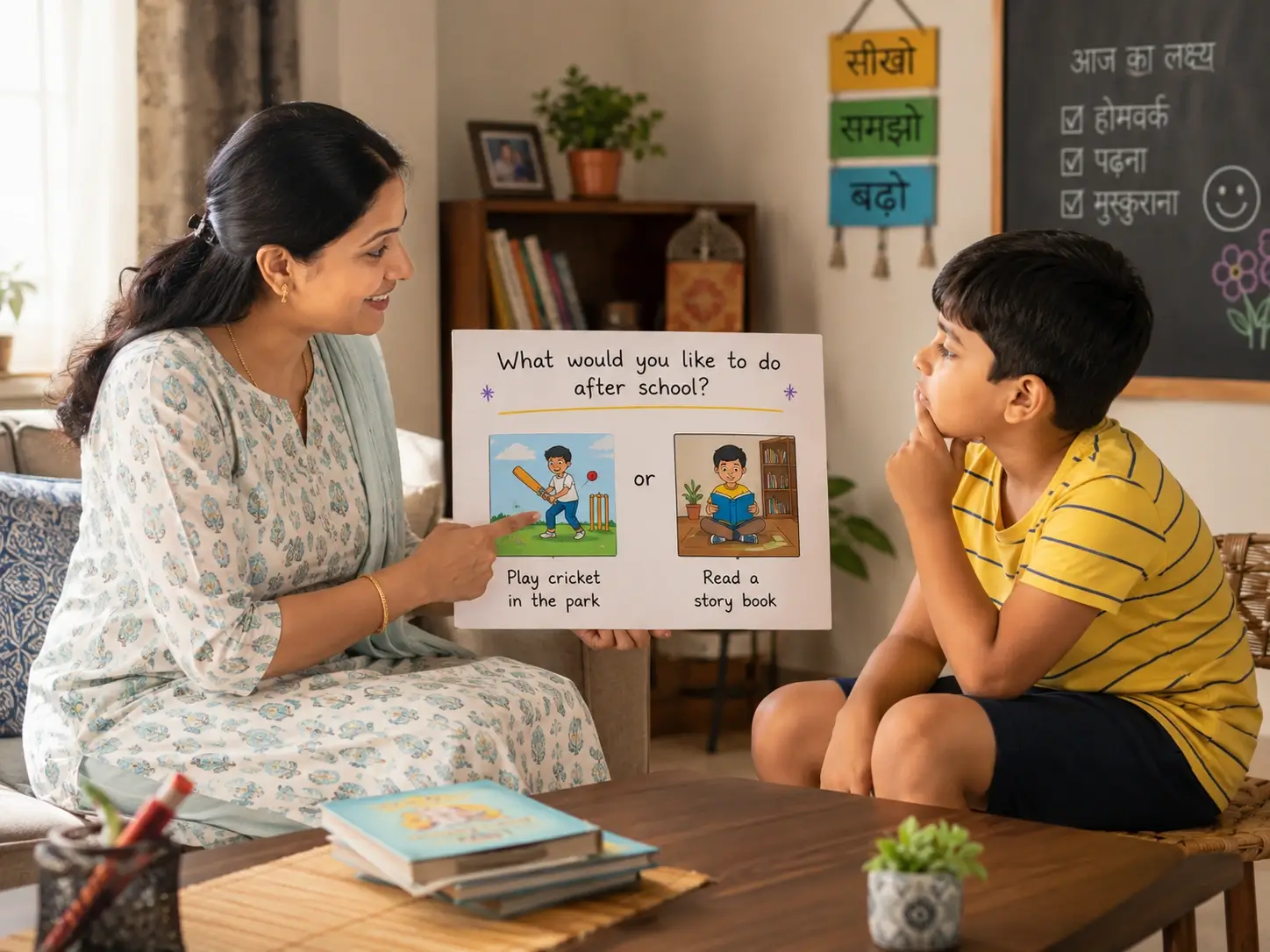
Children crave independence. One effective parenting strategy is to give limited choices instead of direct commands. For example, instead of asking, “What do you want for dinner?”, ask, “Would you like beans or green peas?” This gives children a sense of control while allowing parents to maintain boundaries.
Clothes
"Would you like to wear the blue or the red shirt today?"
Books
"Which of these two storybooks should we read tonight?"
Snacks
"It's snack time! Do you want an apple or a banana?"
Offering choices reduces power struggles and strengthens decision-making skills. Small choices help children feel respected and empowered.
4. Stay Firm Without Giving In Easily
Every parent has faced moments when a child cries for toys, chocolates, or gadgets in public. In such situations, many parents surrender out of embarrassment or frustration. However, constantly giving in teaches children that tantrums work.
This does not mean being harsh. Instead, remain calm and firm. If your child creates a scene, take them aside, comfort them, and explain expectations clearly. Consistency is extremely important. Children feel secure when rules are predictable.
5. See the Situation from Your Child’s Perspective
Parents often focus only on discipline and forget that children have feelings, expectations, and disappointments. Imagine promising your child a movie night and later cancelling it because of work. While adults understand emergencies, children may feel hurt or ignored.
Instead of dismissing emotions, acknowledge them: “I know you were excited, and I’m sorry we couldn’t go today.” Empathy strengthens emotional bonding and teaches children that their feelings matter. Sometimes children are not being stubborn—they are simply feeling unheard.

6. Create Healthy Family Rules and Routines
Children thrive where there is structure and consistency. Make simple family rules about screen time, sleep schedule, junk food, homework, and family outings.
7. Understand Emotional Triggers
Not every refusal is stubbornness. Sometimes children react strongly because they are uncomfortable, anxious, tired, or emotionally overwhelmed. Observe patterns in behaviour: Do they become cranky when hungry? Do loud places upset them? Are they sensitive to textures, routines, or certain environments?
For example, if your child insists on triangle-shaped sandwiches instead of rectangle-shaped ones, it may seem silly to adults but emotionally important to them. Understanding triggers helps parents respond with sensitivity rather than frustration.
8. Be a Calm Role Model
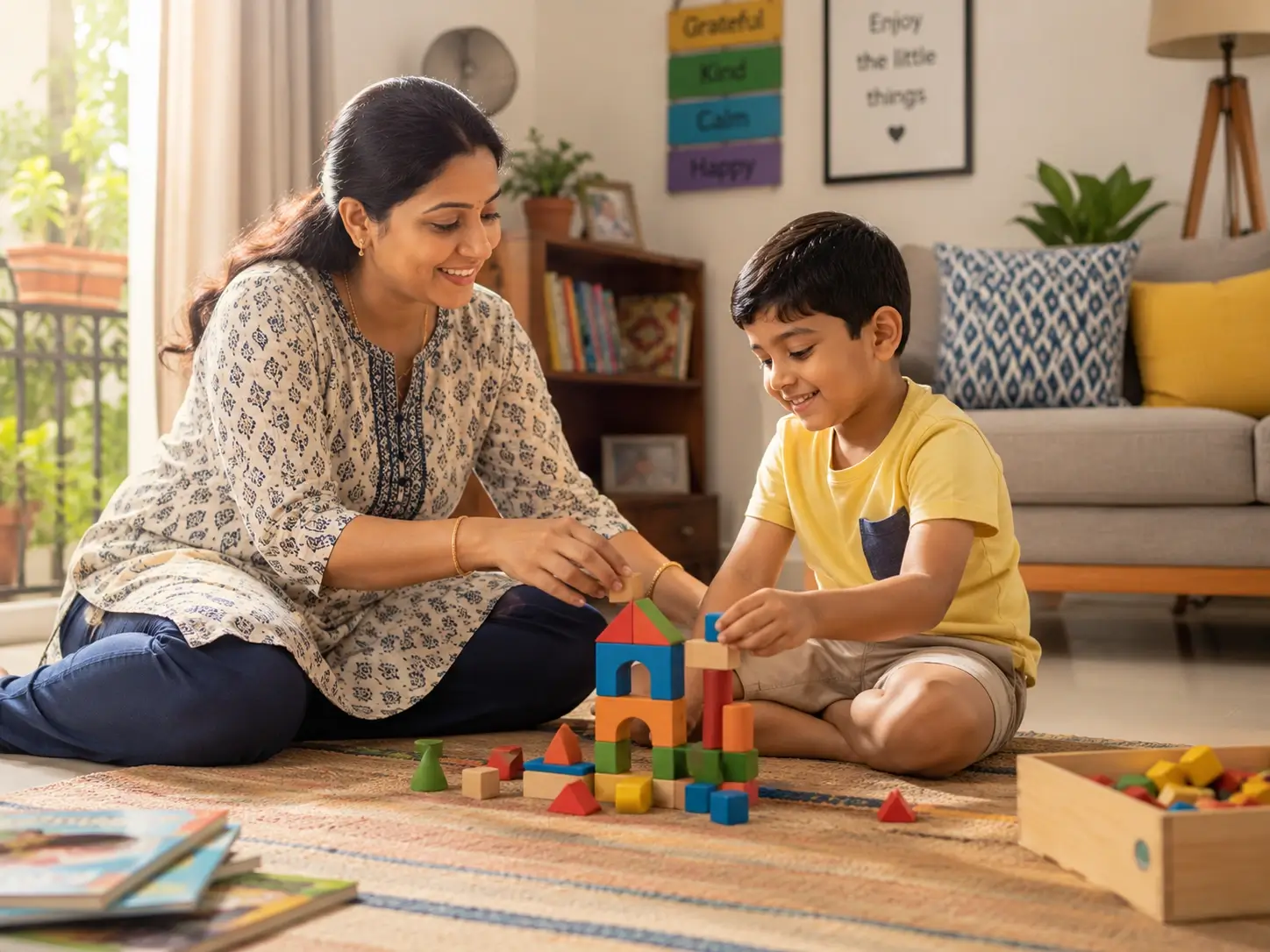
Children absorb the emotional atmosphere of their home. If parents constantly shout, argue, or react aggressively, children may imitate that behaviour. A peaceful home environment encourages emotional stability.
Try to speak respectfully, handle disagreements calmly, avoid fights in front of children, and give children quality attention. Children learn emotional regulation by watching adults manage emotions. Your behaviour becomes your child’s first lesson in handling stress.
9. Praise Good Behaviour More Often
Parents often focus only on correcting mistakes and ignore positive behaviour. When your child listens patiently, shares toys, or behaves responsibly, acknowledge it: “I’m proud of how calmly you handled that,” or “That was very thoughtful of you.”
Positive reinforcement motivates children to repeat good behaviour. Appreciation builds confidence and strengthens the parent-child relationship.
10. Build Connection Before Correction
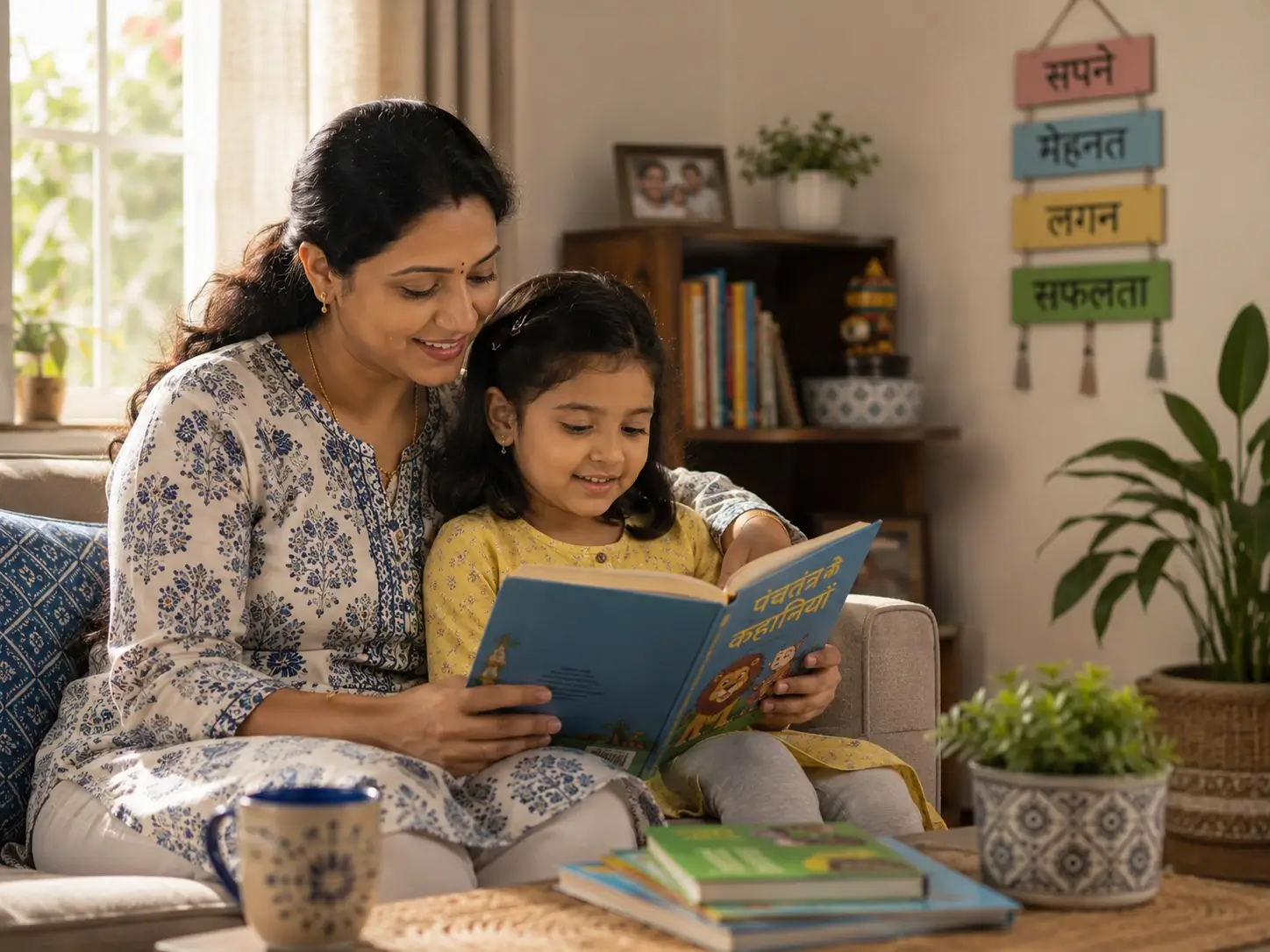
Children cooperate more when they feel emotionally connected to their parents. Spend meaningful time together reading books, cooking together, going for walks, playing games, or talking about their day.
A child who feels emotionally secure is less likely to seek attention through stubborn behaviour. Sometimes behind stubbornness lies a hidden need for love, reassurance, or connection.
11. Teach Emotional Expression
Many children act out simply because they do not know how to express emotions properly. Teach them words for feelings: Angry, Disappointed, Frustrated, Jealous, Nervous. Encourage them to talk rather than scream or throw tantrums. Emotional vocabulary helps children regulate feelings better. Parents should create a safe environment where children feel comfortable sharing emotions without fear of punishment.
12. Be Patient with the Process
Parenting a stubborn child is not about winning every battle. It is about raising emotionally healthy and confident individuals. There will be difficult days. Some may feel exhausting and repetitive. However, patience, consistency, and love gradually shape behaviour over time.
Guiding the Strong-Willed Spirit
Parenting a stubborn child can be challenging, but it can also be deeply rewarding. Such children are often intelligent, curious, independent, and emotionally strong. The goal is not to break their spirit but to guide it in the right direction. Shouting, constant punishment, and harsh discipline may create fear temporarily, but understanding and connection create lasting trust and respect.