In India’s highly competitive, exam-focused education system, students spend long hours in school, tuition classes, homework, and test preparation. Vacations become a much-needed pause that allows them to refresh their minds and discover interests beyond textbooks. The real question is not whether students should enjoy vacations, but how they can use this time wisely—without turning it into another stressful schedule.
Why Vacations Matter for Students
Vacations are essential for the overall development of children. Continuous academic pressure can cause stress, fatigue, lower creativity, and even emotional burnout. A break from routine improves concentration and helps students return to school with renewed energy.
Studies across the world have shown that children learn better when they are mentally relaxed. Vacations create space for curiosity, independent thinking, and practical learning. Unlike classroom education, vacation learning is flexible, interest-based, and self-paced.
In India, where marks often dominate a child’s identity, vacations help restore balance. Students get time to connect with family, grandparents, culture, traditions, hobbies, and nature—areas often ignored during the busy school year.
Reading: The Best Vacation Habit
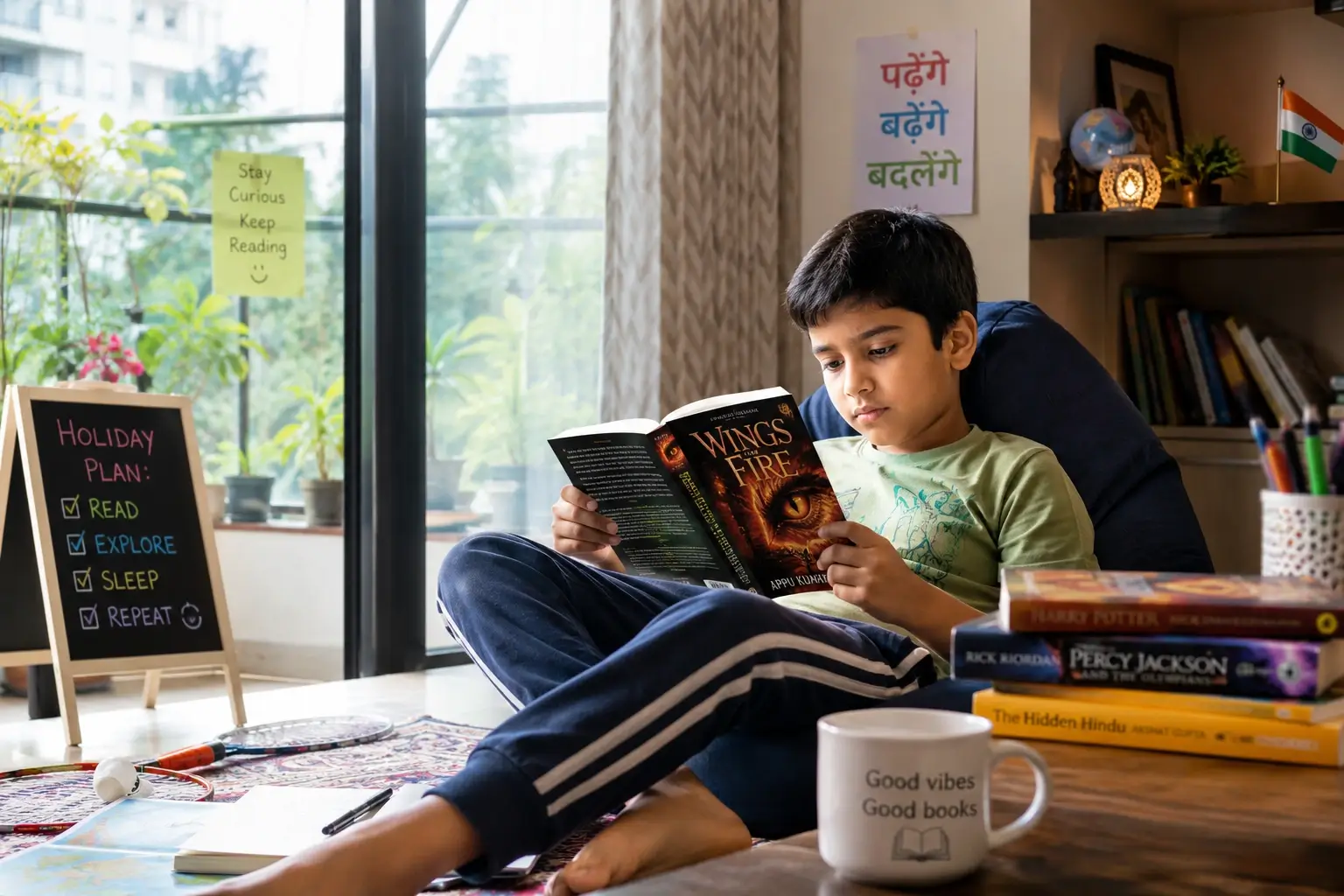
One of the most productive vacation activities for students is reading. During the year, many students read only textbooks. Holidays are the perfect opportunity to explore:
Storybooks & Novels
Imaginative fiction that improves vocabulary and communication.
Biographies
Inspirational life stories of great leaders and thinkers.
Science & Nature
Magazines and general knowledge books expanding awareness.
Reading builds patience and focus in a world where attention spans are shrinking because of excessive screen use. Indian students can especially benefit from reading authors like Ruskin Bond, R. K. Narayan, and Sudha Murty, whose stories are simple, engaging, and rooted in Indian culture and values. Parents and teachers should encourage a light reading routine during vacations instead of forcing academic study all day.
Learning Life Skills Beyond Textbooks
Schools teach maths, science, and languages, but vacations are the best time to learn life skills for students. In many Indian families, children are heavily protected from daily responsibilities because academics come first. But real education also includes knowing how to manage everyday life.
Household IndependenceCooking simple dishes, gardening, organizing rooms, and helping with chores.
Financial AwarenessManaging pocket money and understanding basic budgeting.
Personal ExpressionCommunication, public speaking, digital organization, or photography.
Exploring Creativity and Hobbies
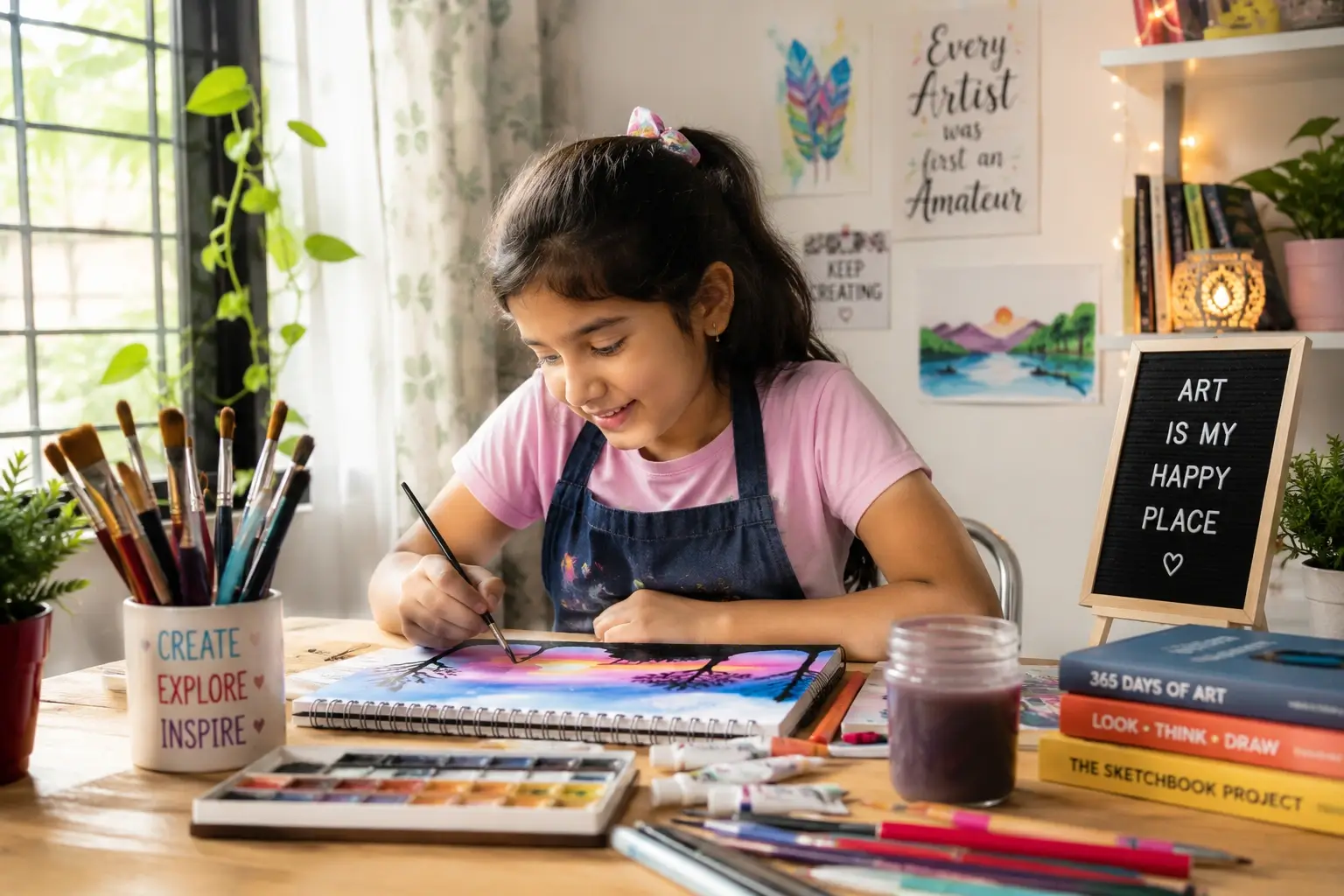
Vacations are ideal for discovering hidden talents. Many children love music, dance, painting, theatre, sports, writing, or crafts but rarely get time during school months. India’s rich cultural heritage makes holidays a wonderful time to explore classical or folk dance, musical instruments, yoga, and regional art forms.
Creative hobbies improve emotional expression, reduce stress, and build discipline and perseverance—without the pressure of marks. Some students may even discover future career interests through hobbies started or deepened during vacations.
Physical Health Should Not Be Ignored
A common issue in vacations is excessive screen time—smartphones, gaming, and social media. This harms sleep, eyesight, fitness, and mental well-being. Vacations should become a time for outdoor play and physical activities like cricket, football, badminton, swimming, or cycling in parks.
In Indian cities, where children often stay indoors due to academic pressure and safety concerns, vacations offer a rare chance to reconnect with movement and nature. Yoga and simple meditation can also help improve concentration and emotional balance. Basic habits—waking up at a reasonable time, drinking enough water, and following a healthy routine—make vacations healthier.
Travelling and Learning from Experiences
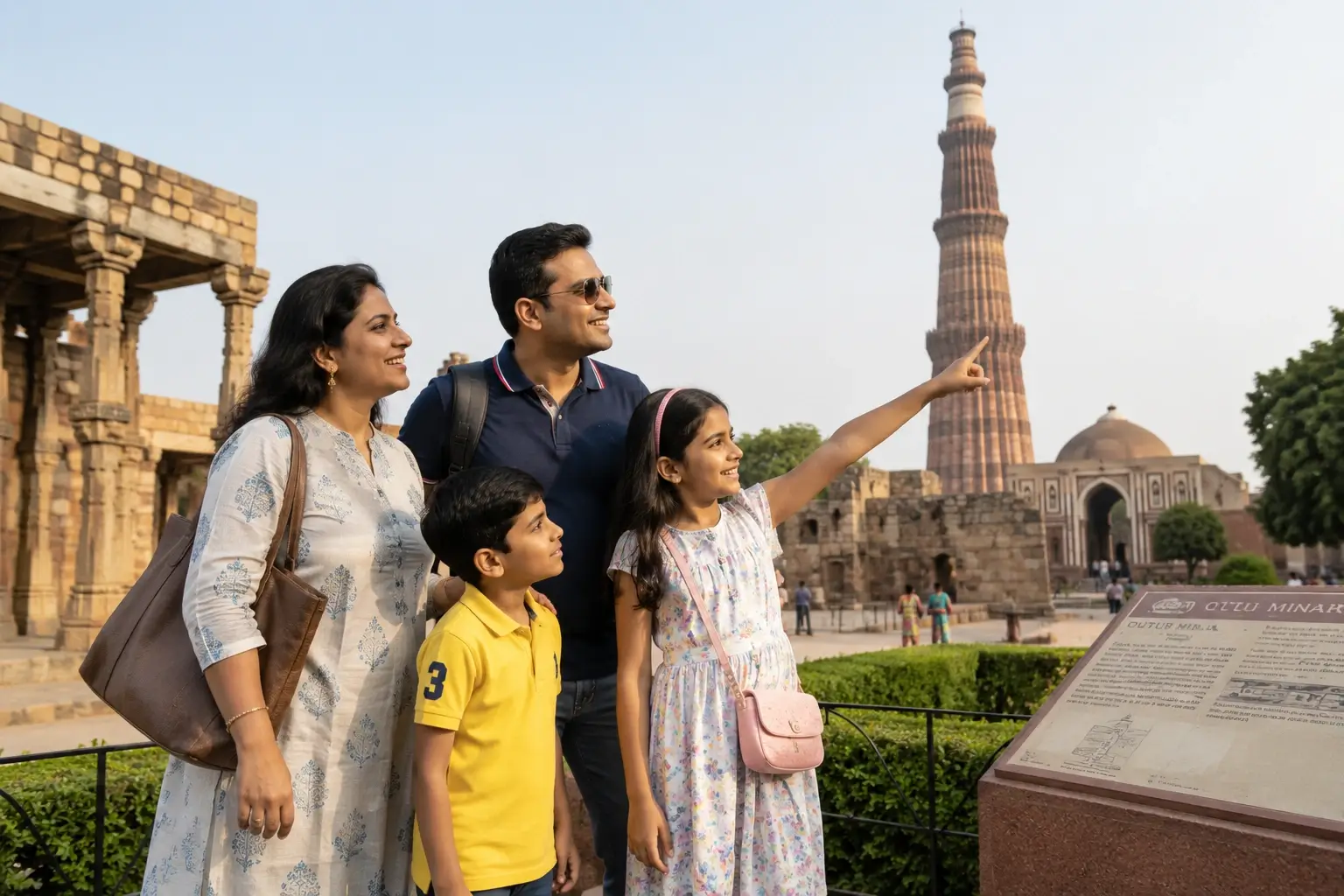
Travel is one of the greatest teachers. Students who travel during vacations learn things no classroom can fully provide. Visiting villages, historical monuments, museums, mountains, or wildlife sanctuaries broadens their understanding of India and the world.
India itself is a living classroom with immense diversity in language, food, traditions, geography, and lifestyle. A visit to places like Jaipur, Varanasi, or Kochi teaches far more than just reading social science chapters. Even short family trips strengthen bonding and expose children to new perspectives. Local exploration—parks, libraries, or heritage walks—can be equally educational.
Community Service and Social Awareness
Vacations are also a powerful time to build empathy and social responsibility. Students can help underprivileged children, join cleanliness or plantation drives, feed stray animals, or volunteer with local groups. These experiences teach compassion, build awareness of social realities, and help children appreciate what they have. Indian culture has always valued collective responsibility, and vacations are a practical way to live these values.
Rest, Family Time, and Emotional Well-Being
While productivity is valuable, vacations should not become another academic race. Many parents fill holidays with back-to-back coaching and activity classes, which defeats the true purpose of a break.
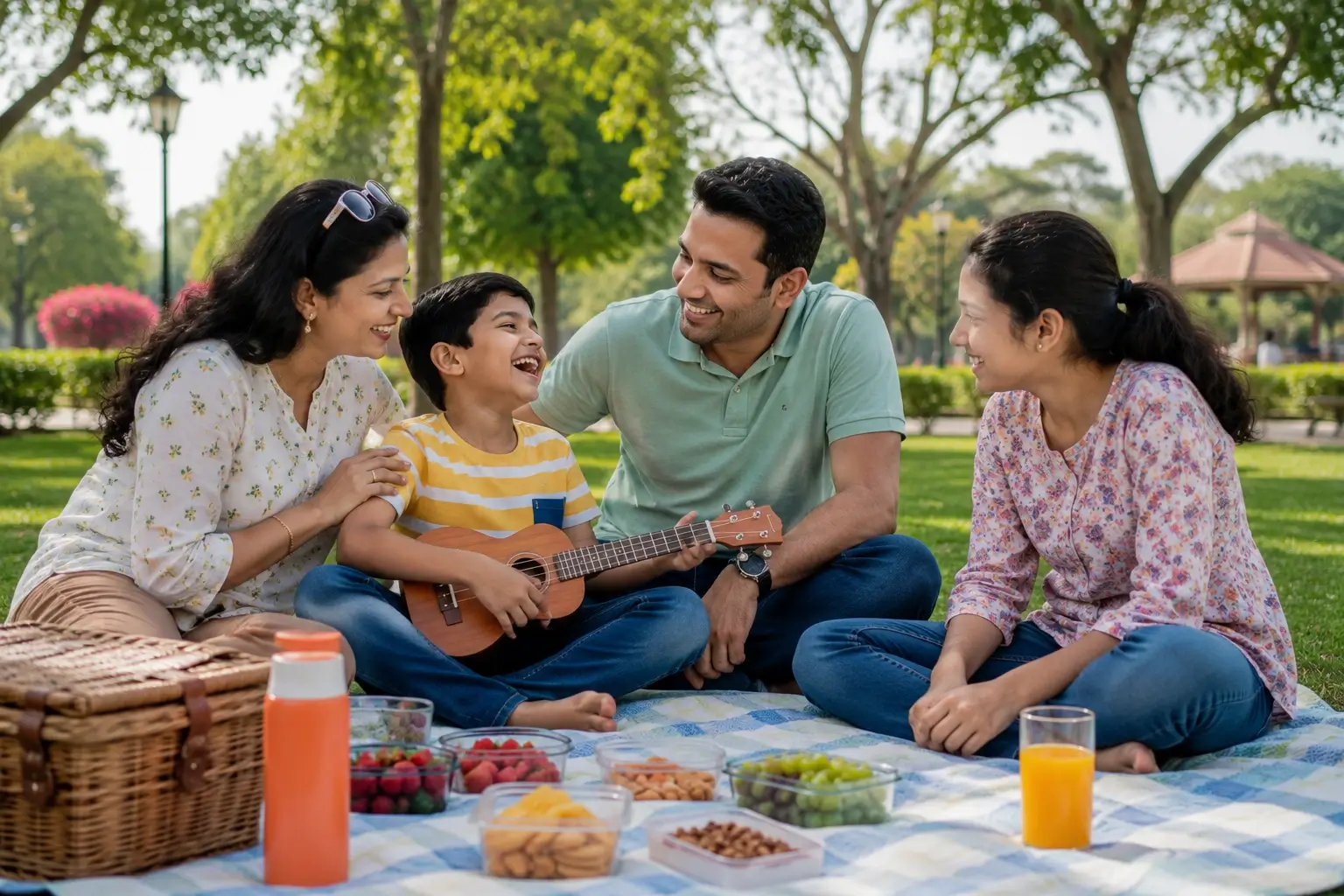
Children need time to relax, sleep well, play freely, and simply enjoy being children. Spending time with grandparents, cousins, and extended family builds emotional security and cultural connection. In many Indian homes, vacations are when families gather, share stories, celebrate festivals, and eat meals together—memories that last a lifetime.
A Balanced Vacation Is the Best Vacation
The best vacations are neither completely idle nor fully overloaded. Students do not need to study all day during holidays, nor should they spend all their time on screens. A balanced and productive vacation for school students includes relaxation and good sleep, reading and creative learning, life skills, physical activity, local exploration, and community service.
Such vacations help students return to school happier, healthier, and more motivated. Ultimately, vacations are not only a break from studies; they are an opportunity for self-discovery and holistic growth.
Making the Break Count
When used wisely, vacations help students become not just academically strong, but also emotionally intelligent, socially aware, and creatively inspired.