Teaching is much more than a profession. It is a responsibility that influences generations. A teacher does not simply teach mathematics, science, or language; a teacher helps shape character, instills values, builds confidence, and prepares young people for life. If society wants a brighter future, it must ensure that teaching receives the place of honour it rightfully deserves.
The Profession That Creates All Other Professions
There is a popular saying: “A teacher affects eternity; no one can tell where their influence ends.” Few statements capture the importance of teaching as accurately as this one.
Every successful person has, at some point, been guided by a teacher. The surgeon performing a life-saving operation, the entrepreneur creating jobs, the artist inspiring millions, and the scientist developing groundbreaking innovations all began their journey under the guidance of educators.
Teaching is unique because it creates the foundation upon which every other profession is built. Without teachers, there would be no skilled workforce and no educated society. Recognizing this reality is the first step toward giving teaching its due place.
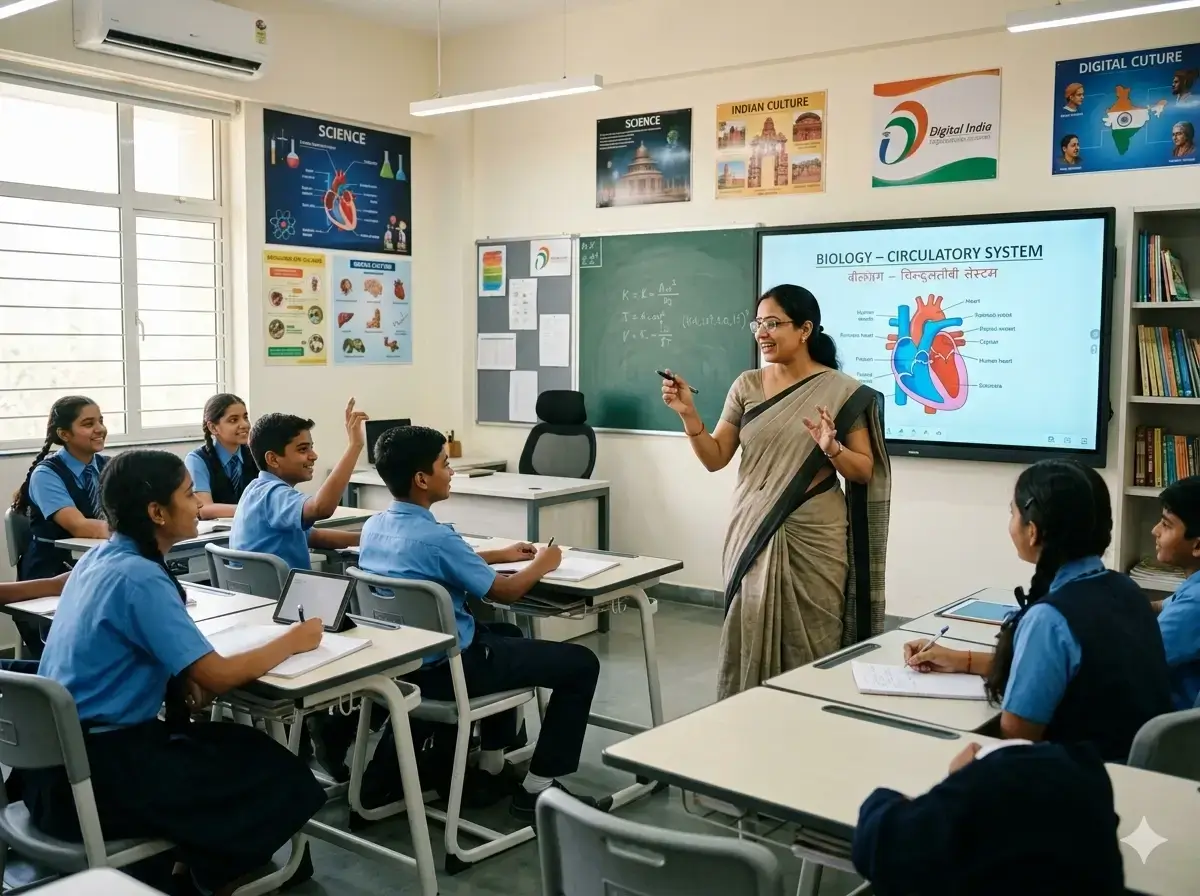
Teachers Shape More Than Academic Success
Many people associate teaching with textbooks, examinations, and grades. However, the role of a teacher extends far beyond academics.
Teachers help students develop important qualities such as honesty, discipline, perseverance, empathy, and responsibility. They encourage children to believe in themselves, overcome challenges, and strive for excellence.
A student may forget a particular lesson taught in school, but they often remember the teacher who encouraged them when they felt discouraged or who believed in them when others did not. Such influence cannot be measured by examination scores alone. Teachers shape not only minds but also character, making their contribution invaluable to society.
Why Society Often Undervalues Teaching
Despite the importance of teaching, the profession is not always accorded the respect it deserves. In many places, teachers face challenges such as heavy workloads, administrative pressures, limited resources, and inadequate recognition.
One reason is that the results of teaching are not immediately visible. The impact of a teacher may take years or even decades to become evident. A teacher plants seeds of knowledge and values that gradually grow over time.
Because their contributions are long-term rather than instant, society sometimes overlooks the tremendous influence teachers have on individuals and communities.
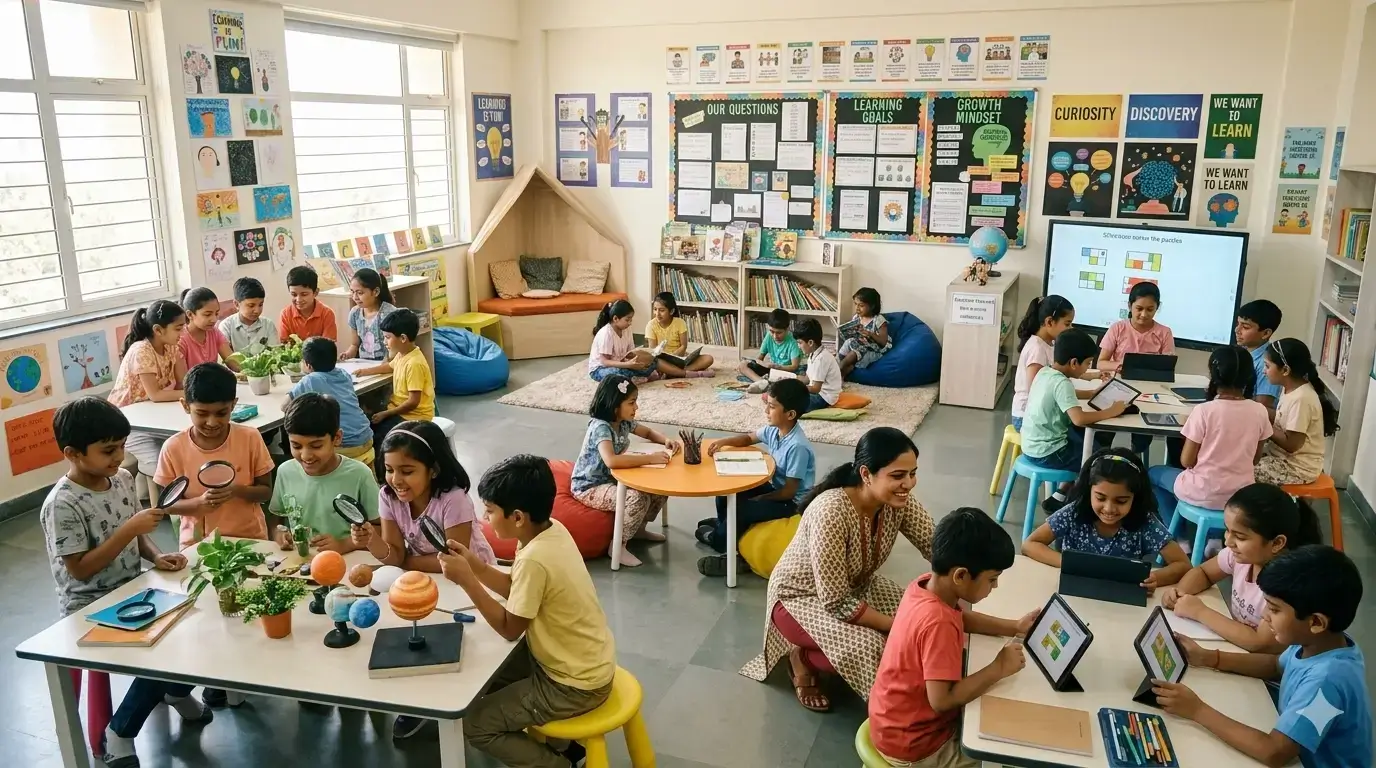
Respect Must Go Beyond Teachers’ Day
Every year, schools and institutions celebrate Teachers’ Day with speeches, performances, and messages of appreciation. While such celebrations are meaningful, true respect for teachers should not be limited to a single day.
Respect should be reflected in everyday interactions. Students should value their teachers’ efforts, parents should view teachers as partners in education, and society should recognize teaching as a profession requiring expertise, dedication, and skill. A culture that consistently respects teachers creates an environment where education can flourish.
The Need for Better Compensation
One practical way to elevate the status of teaching is by ensuring fair compensation. Teachers carry immense responsibilities. They prepare lessons, assess student progress, provide emotional support, manage classrooms, and often devote additional hours beyond school time.
Yet in many regions, teachers are not compensated in proportion to their contribution. Competitive salaries and benefits communicate an important message: that society values the work teachers do. Financial security also enables teachers to focus on their profession without unnecessary stress.
Countries that invest significantly in their teachers often achieve stronger educational outcomes and higher levels of social development.
Giving Teachers Professional Autonomy
Teachers are trained professionals who understand the needs of their students. However, they are not always given sufficient freedom to make decisions about teaching methods and classroom practices.
Providing teachers with professional autonomy allows them to adapt lessons to the unique needs of their students. It also demonstrates trust in their expertise.
When society views teachers as professionals rather than mere implementers of instructions, the profession gains greater dignity and respect.

Continuous Learning for Educators
The world is changing rapidly. Technology, artificial intelligence, digital learning tools, and evolving educational practices are transforming classrooms.
To remain effective, teachers need opportunities for continuous professional development. Workshops, training programs, certifications, and advanced studies help educators stay updated and enhance their skills.
Supporting teachers in their own learning journey not only benefits them but also improves the quality of education students receive.
Highlighting Success Stories
Society frequently celebrates achievements in sports, entertainment, business, and technology. While these accomplishments deserve recognition, teaching excellence should receive similar attention.
Stories of teachers who transform lives, innovate in classrooms, or make extraordinary contributions to their communities can inspire public admiration. Media outlets, educational institutions, and governments should actively highlight such stories. When outstanding educators become role models, society begins to appreciate the true value of teaching.
Encouraging the Best Minds to Enter Teaching
In many countries, talented students are encouraged to pursue careers in medicine, engineering, law, or business. Teaching is not always presented as an equally prestigious option.
This perception needs to change. Bright and capable young people should see teaching as a respected and rewarding career path. Scholarships, career advancement opportunities, leadership positions, and public recognition can help attract highly talented individuals to the profession. The stronger the teaching workforce, the stronger the educational system becomes.
Building Strong Partnerships Between Teachers and Parents
Education is most effective when teachers and parents work together. Teachers bring professional expertise and classroom experience, while parents provide support and understanding of their children’s needs.
Mutual respect and collaboration create a powerful partnership that benefits students. When parents value and support teachers, children are more likely to develop positive attitudes toward learning and education.
The Role of Governments and Communities
Governments play a crucial role in elevating the status of teaching. Investment in education, improved infrastructure, reduced administrative burdens, and teacher-support programs all contribute to strengthening the profession.
Communities also have an important role to play. Recognizing teachers’ contributions, supporting local schools, and fostering respect for education help create an environment where teachers feel valued and motivated. Teaching should be viewed not merely as a school responsibility but as a shared societal commitment.
The Future Depends on Teachers
The challenges of the twenty-first century—climate change, technological transformation, global health issues, and social inequalities—require informed, creative, and responsible citizens.
Teachers are responsible for preparing young people to face these challenges. They help students develop critical thinking, problem-solving abilities, creativity, and ethical values. In many ways, the future of society depends on the quality of its teachers and the education they provide.

Honouring Our Greatest Architects
Teaching deserves a higher place in society because it is the profession that makes all other professions possible. Teachers do far more than deliver lessons; they inspire dreams, nurture talent, shape character, and prepare future generations for success.