Education is changing rapidly, and one of the biggest reasons for this transformation is Artificial Intelligence (AI). From voice assistants and educational apps to personalized learning platforms, AI has already become part of daily life. While many people think AI is only for scientists, engineers, or older students, it can also play an important role in the education of primary school children. Primary education forms the foundation of a child’s learning journey. Artificial Intelligence, when used wisely, can make learning more engaging, personalized, and effective for young learners.
Understanding AI in Simple Terms
Artificial Intelligence refers to machines or computer systems that can perform tasks that usually require human intelligence. These tasks may include understanding language, recognizing images, solving problems, or making recommendations.
Children may already be using AI without realizing it. Voice assistants, educational games, language-learning applications, and recommendation systems on digital platforms are all prime examples of AI-powered technologies that are natively understood by the younger generation.
Why AI Matters for Primary School Students
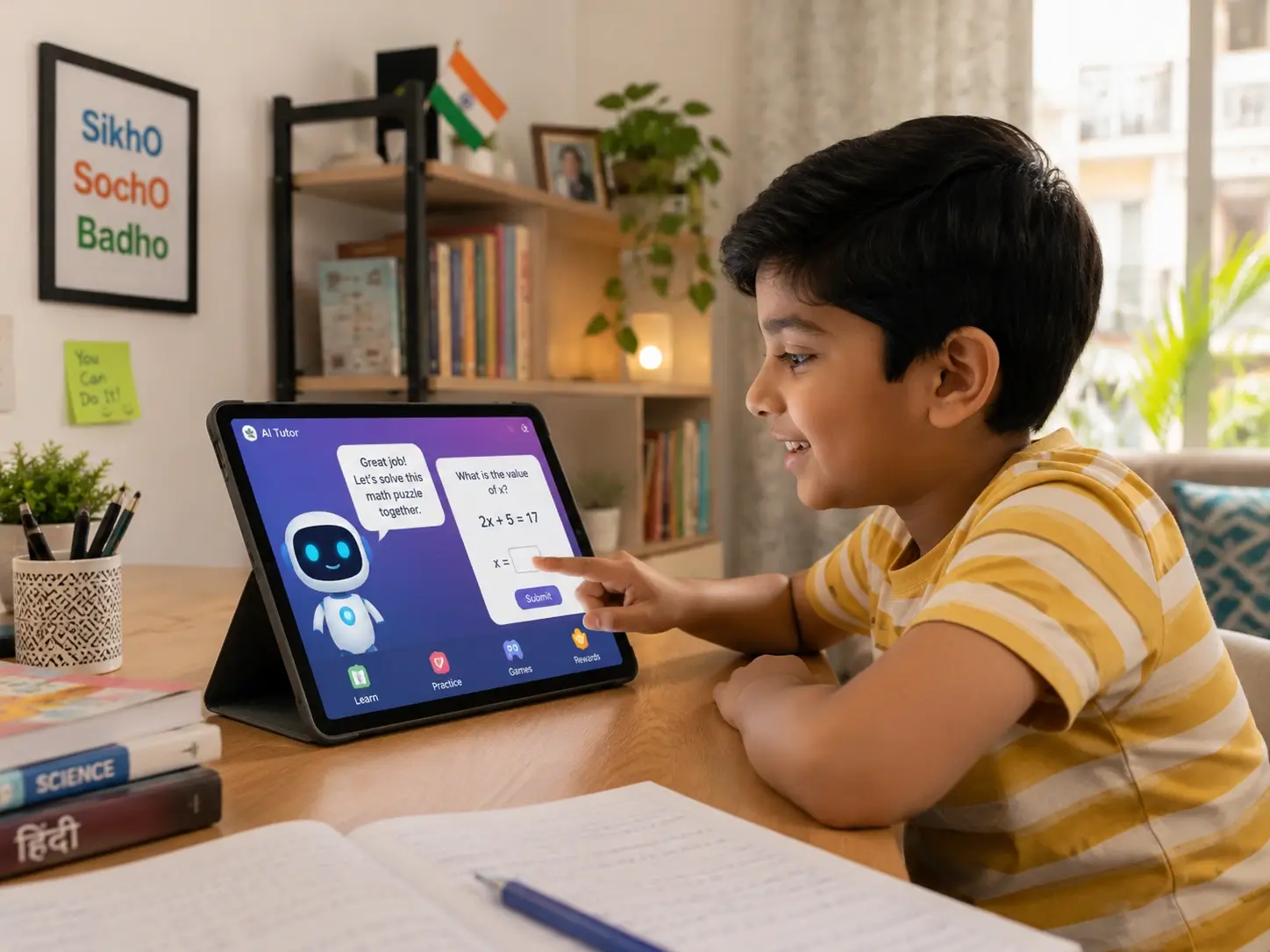
Personalized Learning Experience
Every child learns differently. Some students understand concepts quickly, while others need additional time and practice. Traditional classrooms often struggle to cater to the learning needs of every individual student.
AI-powered learning tools can analyze a child’s strengths and weaknesses and provide customized lessons accordingly. If a student struggles with mathematics, the system can offer additional exercises and explanations. If another student excels in reading, it can provide more advanced material.
Making Learning Fun
AI transforms learning into an exciting experience with interactive quizzes, animations, and instant feedback.
Pacing Learning
Personalized platforms ensure no child is left behind by letting them progress entirely at their own pace.
Supporting Teachers
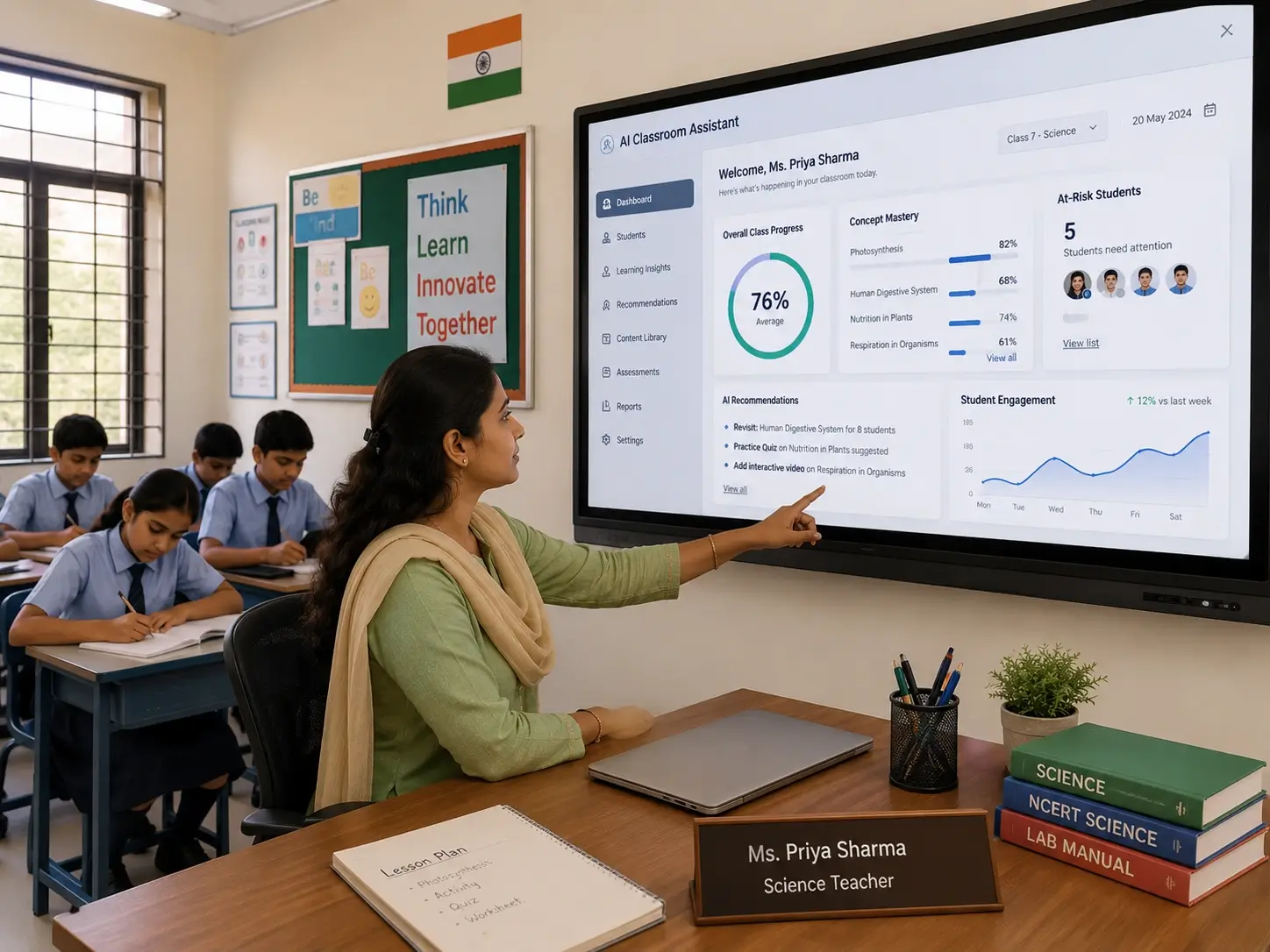
AI is not meant to replace teachers. Instead, it acts as a helpful assistant. Teachers spend significant time on grading assignments, tracking progress, and preparing learning materials. AI tools can automate some of these routine tasks, allowing teachers to focus more on teaching, mentoring, and building meaningful relationships with students.
Encouraging Independent Learning & Language Skills
AI-powered educational platforms allow children to explore subjects independently. Students can ask questions, receive explanations, and practice concepts at their own pace. This encourages self-confidence and develops a habit of lifelong learning. Children learn that knowledge is not limited to textbooks or classrooms; they can actively seek answers and discover new ideas.
Furthermore, AI tools can help students improve reading, writing, pronunciation, and vocabulary. Language-learning applications use speech recognition technology to help children practice speaking. Reading platforms can suggest suitable books and monitor comprehension levels, offering customized support that traditional classrooms may struggle to provide for every child simultaneously.

Helping Students with Special Needs
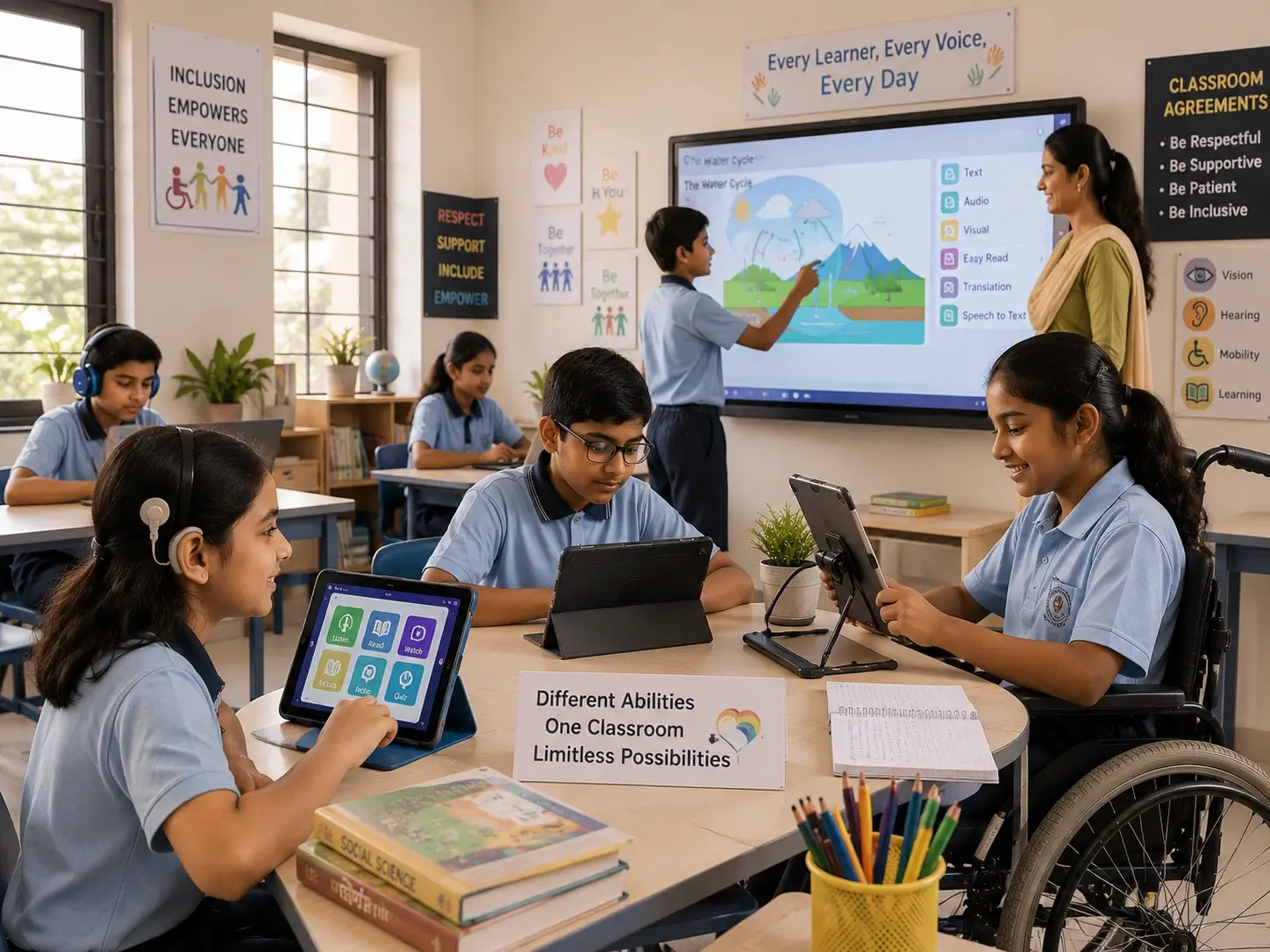
One of the most promising aspects of AI is its ability to support inclusive education. Students with learning disabilities, visual impairments, hearing challenges, or other special needs can benefit immensely from AI-powered assistive technologies.
Speech-to-Text & Text-to-SpeechHelps students with reading or writing difficulties comprehend and produce content easily.
Visual Recognition SoftwareAids visually impaired students by narrating visual educational materials.
Adaptive Learning SystemsAutomatically adjusts the difficulty and presentation format based on cognitive needs.
The Importance of Responsible AI Use
Today’s primary school students will grow up in a world where technology and AI are part of almost every profession. Understanding AI from an early age helps children become comfortable with technology, building logic and digital literacy. As futurist Alvin Toffler wisely noted: “The illiterate of the twenty-first century will not be those who cannot read and write, but those who cannot learn, unlearn, and relearn.”
However, while AI offers many benefits, it should be used responsibly. Children still need human interaction, outdoor activities, creative play, and social experiences. Screen time should be balanced with physical activity, reading books, art, sports, and face-to-face communication.
Challenges to Consider
- Unequal access to technology in some regions.
- Concerns about privacy and data security for young users.
- Risk of overdependence on digital devices.
- The critical need for proper, continuous teacher training.
AI in the Indian Context
India is rapidly embracing digital education. Government initiatives and educational technology platforms are making learning resources more accessible than ever before. For a country with diverse languages, varied learning needs, and a large student population, AI has enormous potential.
It can help bridge learning gaps, provide quality educational support in remote areas, and make personalized learning available to millions of children. As India moves toward becoming a global technology leader, introducing children to AI concepts in a simple and age-appropriate manner can empower the next generation of innovators, researchers, teachers, and entrepreneurs.
Empowering Tomorrow's Innovators
Artificial Intelligence is no longer a technology of the future—it is a technology of the present. When thoughtfully integrated into primary education, AI can make learning more personalized, engaging, inclusive, and effective. However, the true power of education still lies in the partnership between teachers, parents, and students.