To meet these changing expectations, teachers need a strong set of digital skills after NEP 2020. These skills help them improve classroom teaching, support personalized learning, and stay relevant in the modern education system. Main point to remember: teachers must now combine subject knowledge with digital teaching skills.
The Changing Role of Teachers in the Digital Era
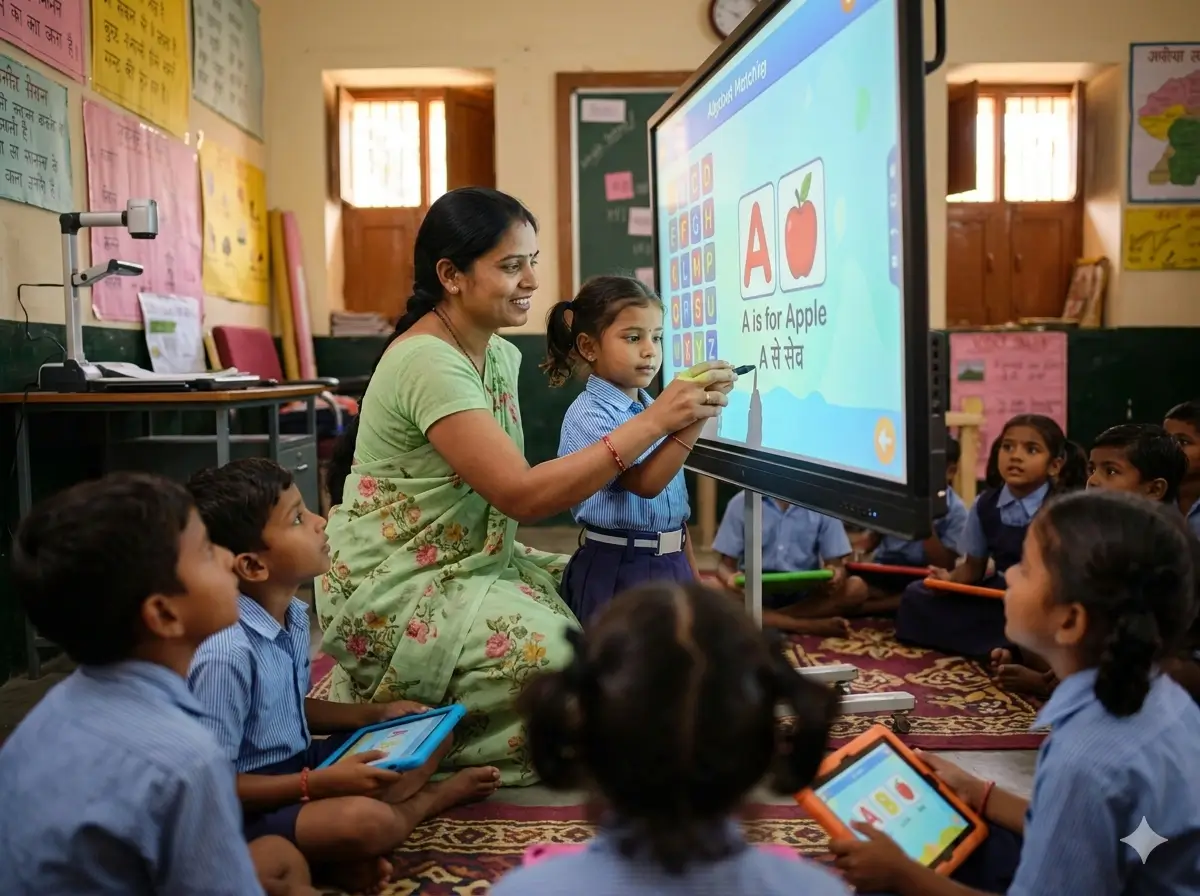
Traditional teaching depended mostly on textbooks, blackboards, and face-to-face instruction. However, NEP 2020 for teachers promotes a system where digital tools support and strengthen classroom learning. Teachers are now expected to use multimedia resources, virtual collaboration, and flexible teaching methods to make learning more engaging and effective.
This shift means teachers must become more digitally aware, adaptable, and confident in using educational technology.
❌ Traditional Model: Teachers rely only on textbooks and chalkboards.
Digital Literacy: The Foundation Skill for Teachers
Digital literacy for teachers is the most basic and essential skill. It includes using computers, tablets, and smartphones efficiently. Teachers should know how to browse the internet, send emails, manage files, and use cloud storage platforms.
Digital literacy also means evaluating online information critically. In today’s digital world, teachers must help students identify credible sources and avoid misinformation. Key point: without basic digital literacy, it becomes difficult for teachers to adopt advanced online teaching tools.
Proficiency in Online Teaching Platforms
The rise of online classes, hybrid learning, and virtual classrooms has made digital teaching platforms essential. Tools such as Google Classroom, Microsoft Teams, and Zoom for teachers have become important parts of modern education.
Conduct Live Classes
Mastering virtual environments to deliver engaging, real-time instruction without technical interruptions.
Share Materials
Efficiently distributing assignments, readings, and multimedia study materials through learning management systems.
Monitor Participation
Using platform analytics to track student attendance, engagement, and activity during lessons.
Facilitate Discussions
Creating breakout rooms and managing group activities to maintain peer-to-peer collaboration online.
Strong command of these platforms ensures that teaching and learning continue smoothly even beyond the physical classroom. Important to consider: proficiency in online teaching platforms is now a core teaching skill, not an optional one.
Digital Content Creation for Engaging Classrooms
Another essential skill is digital content creation for teachers. Instead of depending only on textbooks, teachers are now expected to create engaging learning materials such as presentations, videos, infographics, and interactive quizzes.
This helps meet the needs of different learning styles. Visual learners benefit from videos and graphics, while interactive quizzes improve engagement and understanding. Tools like PowerPoint, Canva, and Google Forms for teachers make digital content creation easier and more effective. Main point: good digital content makes lessons more engaging, accessible, and student-friendly.

Digital Assessment and Online Feedback Skills
Assessment remains a crucial part of teaching, and NEP 2020 encourages the use of technology to make assessment more meaningful and efficient. Teachers should know how to create online quizzes, use digital assessment tools, and provide quick feedback.
Digital assessment allows teachers to identify learning gaps and support students more effectively. It also helps teachers improve their teaching strategies according to student performance. Key point to remember: digital assessment and timely feedback strengthen both teaching quality and student learning.
Blended Learning Strategies After NEP 2020
Blended learning in NEP 2020 combines classroom teaching with online learning methods. This makes it important for teachers to learn how to integrate digital resources into lesson plans in a balanced and practical way.
One useful approach is the flipped classroom model, where students watch video lessons at home and participate in discussions and activities in class. This supports active learning and deeper understanding. Blended learning also helps teachers personalize instruction, allowing students to learn at their own pace while still receiving teacher guidance. Important takeaway: blended learning helps combine flexibility with classroom interaction.
Cyber Safety and Digital Ethics for Students
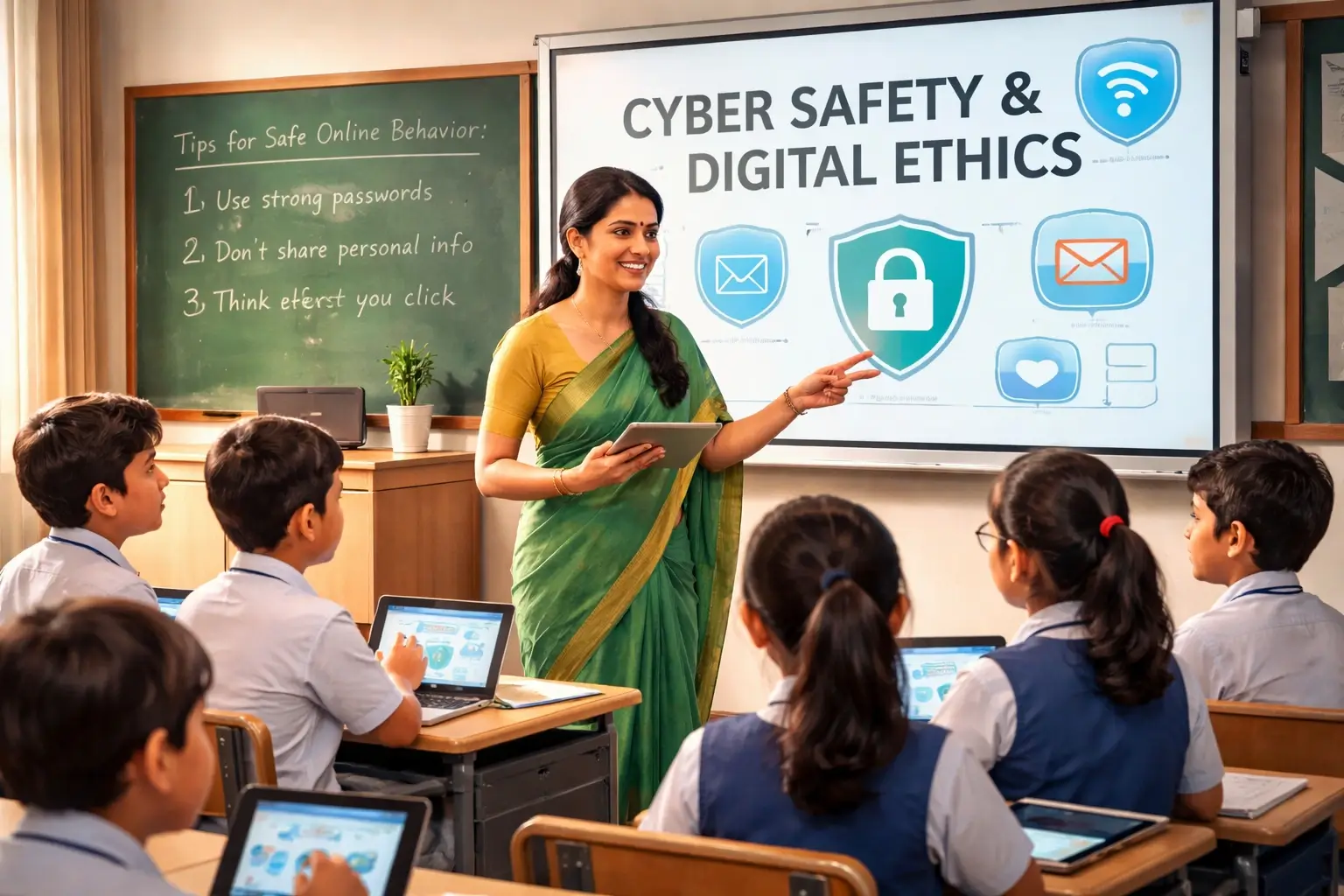
As schools use more technology, cyber safety for teachers and students becomes more important. Teachers must guide students on safe internet practices, including protecting personal information and avoiding online threats.
Teachers should also encourage digital ethics, such as respecting intellectual property and avoiding plagiarism. By promoting responsible online behaviour, teachers help students become safe and responsible digital citizens. Main point to remember: technology use in education must always be supported by cyber safety and ethical awareness.
Use of National Digital Education Platforms
Teachers should also be familiar with national digital education platforms such as DIKSHA, SWAYAM, and NCERT digital resources. These platforms provide teaching materials, training modules, and learning support resources.
By using these platforms, teachers can strengthen classroom teaching and stay updated with current educational practices. Important point: government-supported digital education platforms are valuable tools for teacher development and classroom support.
Basic Understanding of Artificial Intelligence and Data
With the increasing use of Artificial Intelligence in education, teachers should have a basic understanding of how AI and data tools can support teaching and learning. AI-powered tools can help personalize learning, reduce some administrative work, and offer useful insights into student progress.
Teachers do not need to become experts in AI, but they should understand its uses and benefits. A basic understanding of data can also help them make better teaching decisions. Key point: awareness of AI in education helps teachers stay prepared for the future of teaching.
Digital Collaboration and Communication Skills
Modern teaching also requires strong digital communication and collaboration skills. Teachers need to work with colleagues, communicate with students, and connect with parents through digital tools.
Shared documents, online discussion spaces, and messaging platforms make collaboration easier and more effective. These tools support teamwork, resource sharing, and regular communication, all of which are important in today’s educational environment. Main point to consider: strong digital communication improves both school coordination and student support.
Continuous Professional Development for Teachers
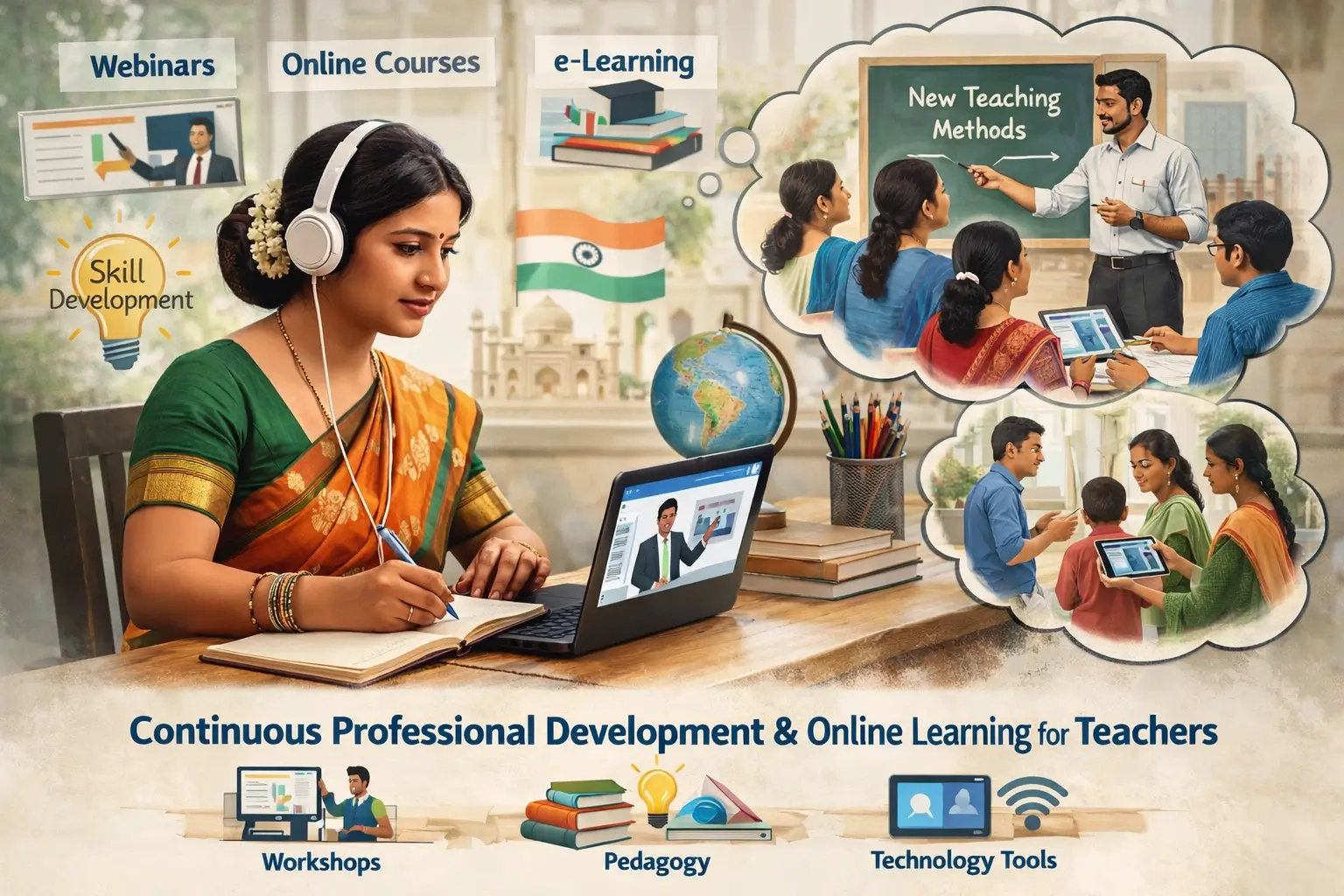
Finally, teachers must accept continuous professional development as an essential part of their career. Technology changes quickly, and teachers need to keep upgrading their skills through online courses, webinars, and virtual workshops.
Platforms like SWAYAM and DIKSHA teacher training offer useful learning opportunities designed for educators. By improving their digital skills regularly, teachers can remain effective, confident, and future-ready. Key reminder: lifelong learning is now an important professional responsibility for every teacher.
Key Points to Remember
Digital skills for teachers after NEP 2020 are essential, not optional.
Digital literacy is the foundation for all other teaching technology skills.
Online teaching platforms, digital content creation, and digital assessment are now core teacher competencies.
Blended learning helps teachers create flexible, student-centered learning experiences.
Cyber safety, digital ethics, and responsible internet use must be taught alongside digital tools.
Platforms like DIKSHA, SWAYAM, and NCERT resources support teachers in digital teaching and professional growth.
Basic awareness of AI in education and data use helps teachers prepare for the future.
Continuous professional development is necessary to stay relevant in the digital education era.
Leading the Change in Modern Education
The implementation of NEP 2020 has redefined the role of teachers in India. From digital literacy and online teaching skills to content creation, blended learning, cyber safety, and AI awareness, teachers need a broad set of digital competencies to teach effectively in the modern classroom. By developing these digital skills, teachers can create engaging, inclusive, and personalized learning experiences for students. More importantly, they can take an active role in transforming Indian education and preparing learners for the demands of the 21st century. Embracing digital skills is not just about adapting to change—it is about leading the change in education.
More Teacher Training Resources →