In India, where education is closely connected to social mobility, career success, and national development, the role of AI in school education is both powerful and complex. AI can make learning more personalized, accessible, and efficient. At the same time, it raises concerns about screen dependency, inequality, emotional development, and the changing role of teachers.
The real question is not whether AI will become part of education. The real question is how India can use AI responsibly to improve learning without losing the human essence of education.
The Rise of AI in Indian Education
India has one of the world’s largest school-going populations. Managing education for millions of students across urban and rural regions has always been difficult. Overcrowded classrooms, shortage of trained teachers, language diversity, and unequal opportunities continue to affect learning quality.
AI is now being seen as a possible solution to many of these challenges. Educational apps and online platforms are increasingly using AI-based systems to understand how students learn. These systems analyze performance, identify weak areas, and provide customized lessons. Instead of every child learning at the same pace, AI makes learning more personalized.
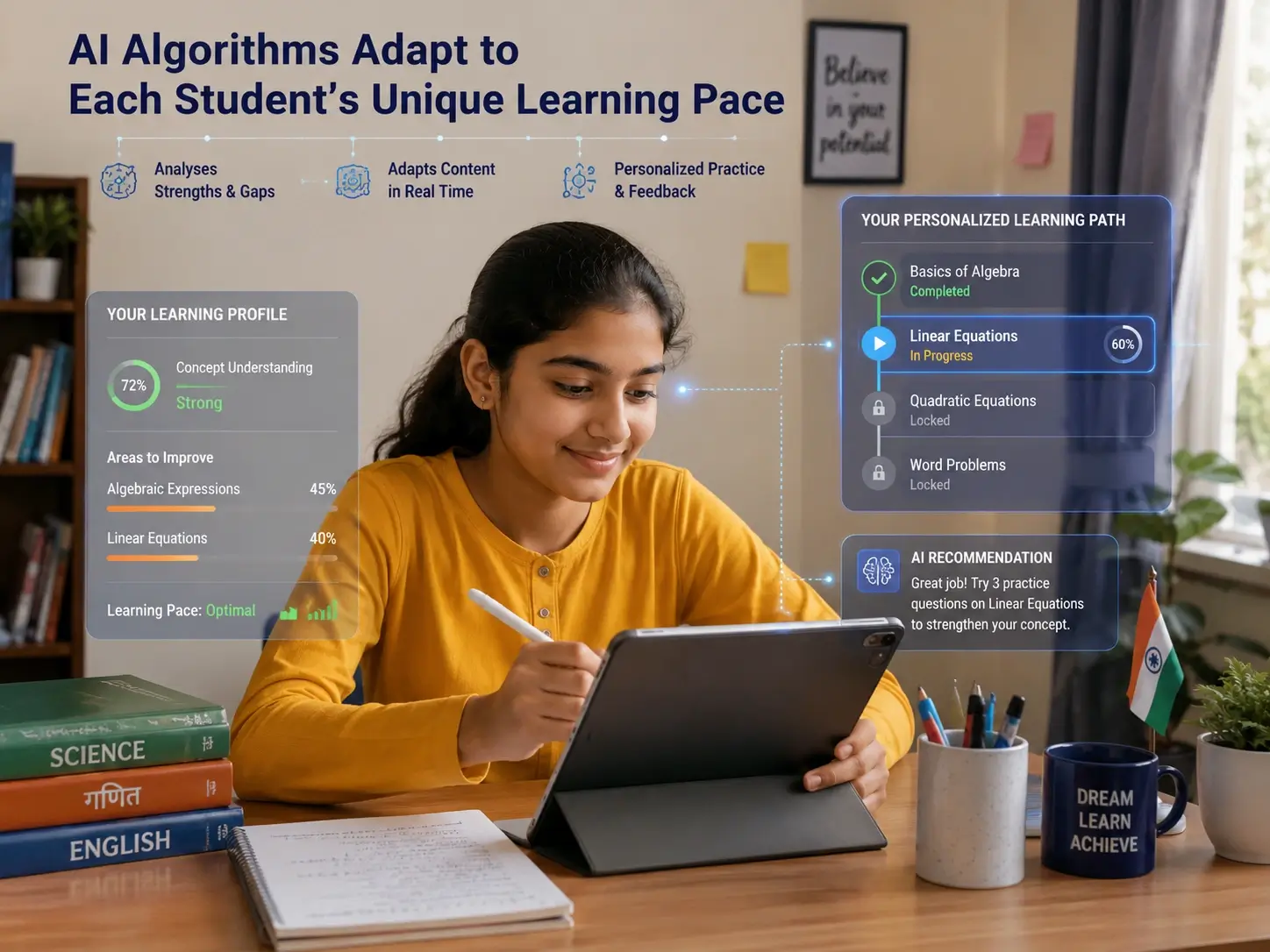
For example, if a student struggles with fractions in mathematics, the AI system can suggest simpler exercises, additional explanations, or revision modules. If a student learns faster, advanced activities can be introduced to keep the child engaged. This personalized approach is especially useful in Indian classrooms where one teacher often handles 40 to 60 students together.
Learning Beyond Big Cities
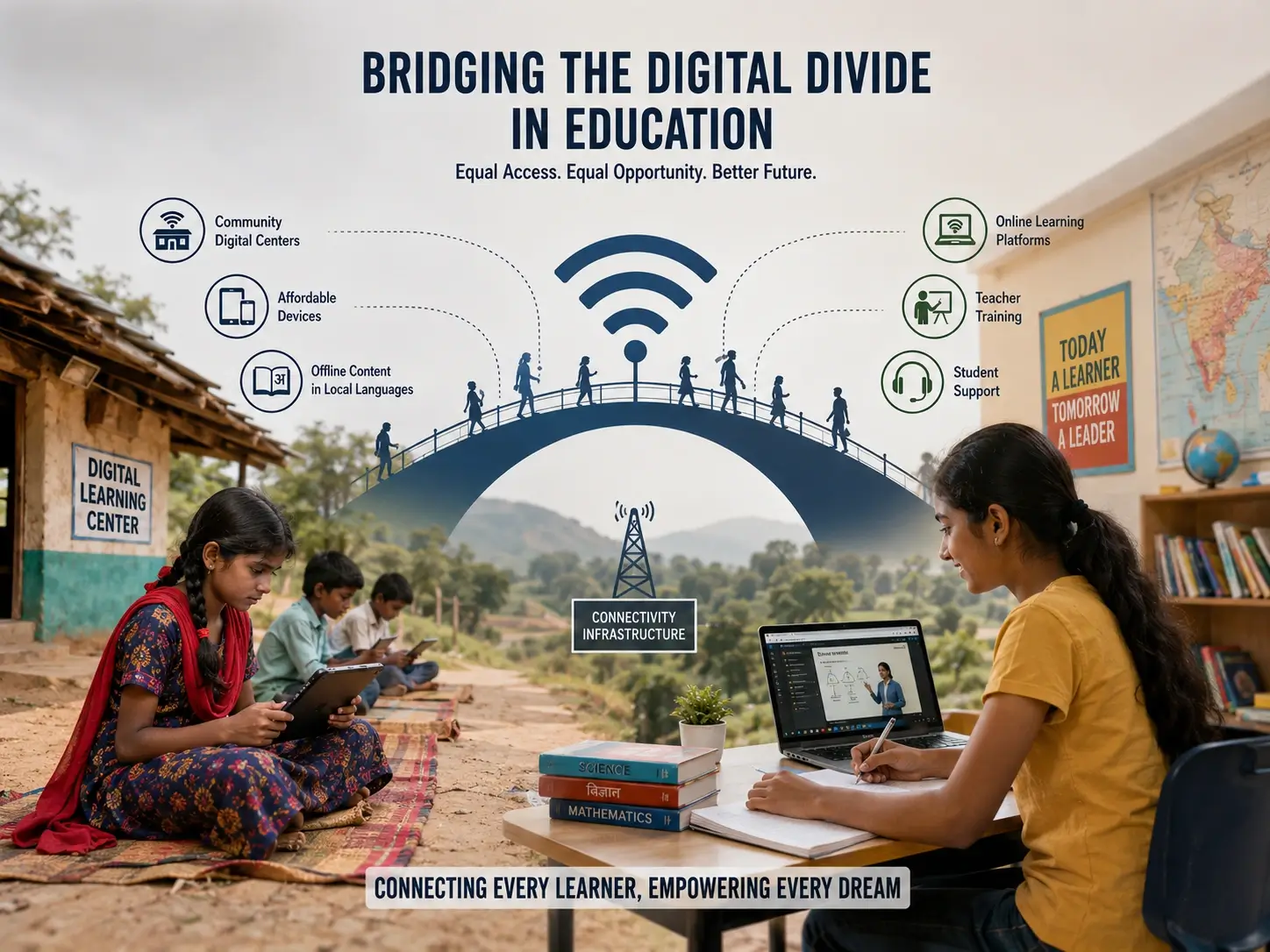
One of the most promising aspects of AI in India is its ability to reach children beyond metropolitan cities. For decades, access to quality education depended heavily on geography. Urban private schools often received better resources than rural or underdeveloped regions. AI-powered education has the potential to reduce this gap.
With smartphones and digital platforms, students from remote villages can access recorded lectures, practice exercises, language translation tools, and doubt-solving systems. AI can also make learning material available in regional languages, helping children understand concepts more comfortably.
Changing the Role of Teachers
There is a common fear that AI may replace teachers. However, education experts believe AI cannot replace the emotional intelligence, empathy, encouragement, and mentorship provided by human educators. A machine may explain a chapter, but it cannot fully understand a child’s emotions, fears, insecurities, or social struggles.
Automating the MundaneChecking notebooks, preparing question papers, and recording attendance can be handled by AI.
Elevating the Human ElementTeachers can focus more on interaction, creativity, discussion-based learning, and emotional support.
In the future, Indian teachers may become facilitators and mentors rather than only information providers. However, teacher training is essential. India must invest in digital infrastructure as well as digital literacy for teachers.
AI and the End of Rote Learning?
The Indian education system has often been criticized for promoting rote memorization and exam-centered learning. Students are frequently encouraged to score marks rather than develop creativity, curiosity, or problem-solving skills.
Conceptual Evaluation
AI evaluates actual understanding rather than just checking for the correct final answer.
Instant Feedback
Identifies patterns in mistakes and provides continuous guidance before final exams.
Career Guidance
AI systems help students understand their unique strengths and interests early on.
The Dark Side of AI in Education
While the benefits are vast, AI integration is not without severe risks that schools and policymakers must address.
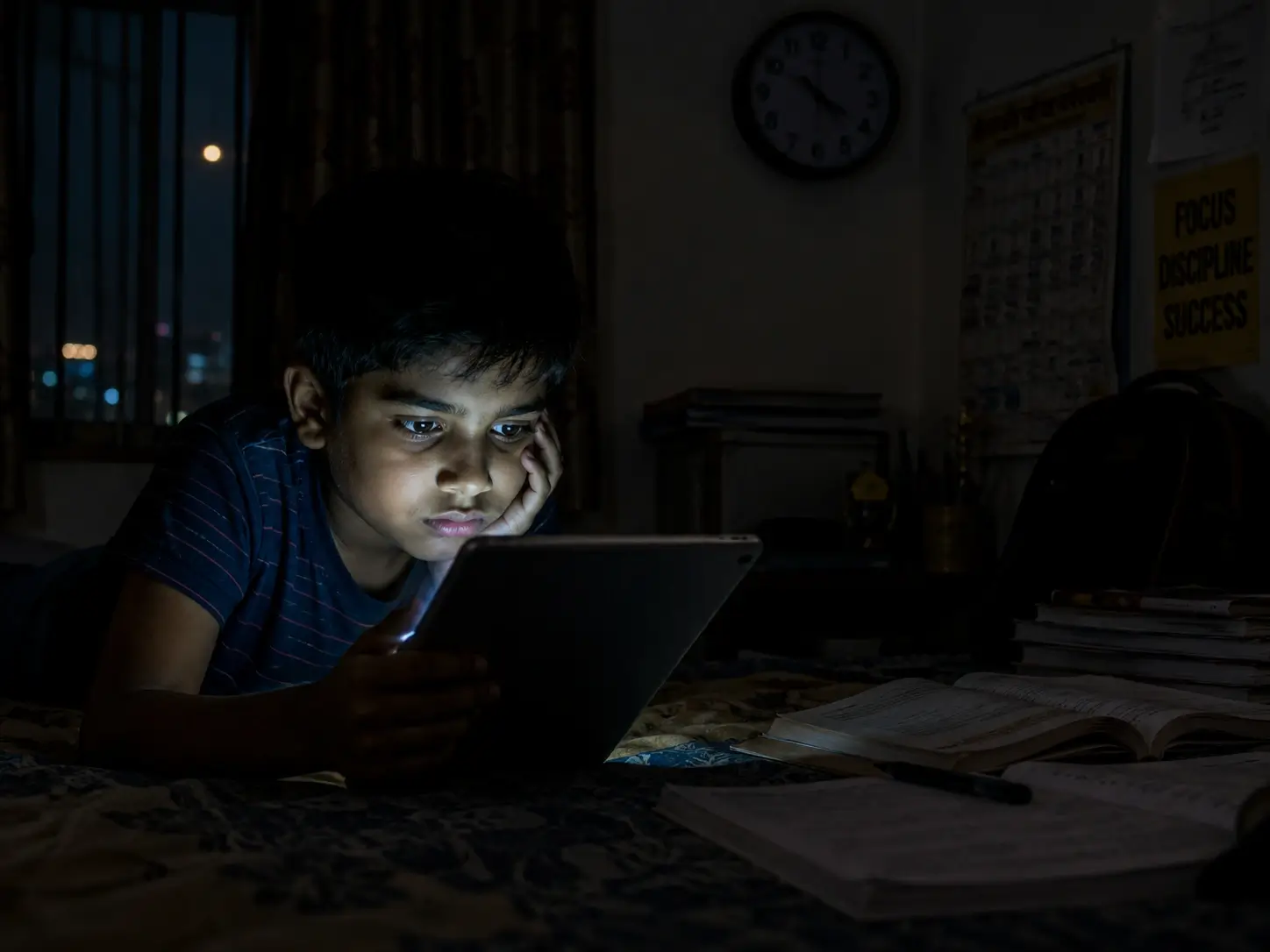
Increasing Screen DependencyExcessive digital exposure affects physical activity, concentration, sleep quality, and social interaction. Childhood is not meant to be lived entirely through screens.
Loss of Critical ThinkingIf every homework question or essay can be completed using AI tools, children may gradually lose problem-solving abilities and originality.
Digital InequalityMany families still cannot afford laptops or stable internet. Without proper planning, AI could widen the educational gap instead of reducing it.
Data Privacy and SafetyAI systems collect massive amounts of personal student data. Who owns it? How securely is it stored? India needs strict data protection policies.
Government Efforts and the Road Ahead
India has already started taking steps toward technology-integrated education. The National Education Policy (NEP) 2020 emphasizes digital learning, critical thinking, coding, and skill development. AI awareness programs are gradually being introduced in schools. Educational boards such as CBSE have also introduced AI-related courses and practical learning initiatives for students.
At the same time, experts believe India must move carefully. The goal should not be fully automated classrooms. Instead, technology should strengthen learning while preserving emotional, social, and ethical development. The future classroom in India may include smart boards, AI tutors, and adaptive learning systems, but the importance of teachers, parents, storytelling, discussions, friendships, and human values will remain irreplaceable.
Smart Education, Human Core
Artificial Intelligence is undoubtedly reshaping school education in India. It has the power to make learning more personalized, inclusive, accessible, and skill-oriented. It can help students learn at their own pace, support teachers, and expand educational opportunities across the country. At the same time, AI also brings challenges related to screen addiction, inequality, privacy, emotional disconnect, and reduced independent thinking.