In today’s digital age, where children spend increasing amounts of time on screens, the importance of real-world social interaction has become even more significant. Socializing helps children understand themselves and the world around them. It equips them with skills that no textbook can fully teach and lays the foundation for success in both personal and professional life.
What Is Socialization?
Socialization is the process through which children learn how to interact with others and become active members of society. It begins at home with family members and gradually expands to include classmates, teachers, neighbors, and friends.
Through social interactions, children learn how to communicate, share, cooperate, resolve conflicts, express emotions, and understand social norms. These experiences help shape their personality and influence how they perceive the world.
“The child is both a hope and a promise for mankind.”
For children to fulfill this promise, they need structured opportunities to connect, collaborate, and learn directly from others.
Building Communication Skills
One of the most important benefits of socializing is the development of communication skills. When children interact with others, they learn how to express their thoughts, listen carefully, ask questions, and respond appropriately.
A child who regularly participates in conversations becomes more confident in expressing ideas. Whether it is answering questions in class, giving presentations, or communicating in everyday situations, strong communication skills prove invaluable throughout life.
Social interaction also helps children understand non-verbal communication such as facial expressions, gestures, and body language. These subtle skills contribute significantly to effective communication.
Developing Emotional Intelligence
Emotional intelligence refers to the ability to understand and manage one’s emotions while also recognizing and responding to the emotions of others.
When children socialize, they encounter a variety of situations that help them develop emotional awareness. They learn how to celebrate a friend’s success, comfort someone who is upset, and manage feelings such as disappointment, jealousy, or frustration.
By interacting with others, children begin to understand different perspectives and emotions. This ability fosters empathy and compassion—qualities that are essential for building meaningful relationships.
“Strength lies in differences, not in similarities.”
Socialization exposes children to diverse personalities and viewpoints, helping them appreciate and respect differences from an early age.
Learning Cooperation and Teamwork
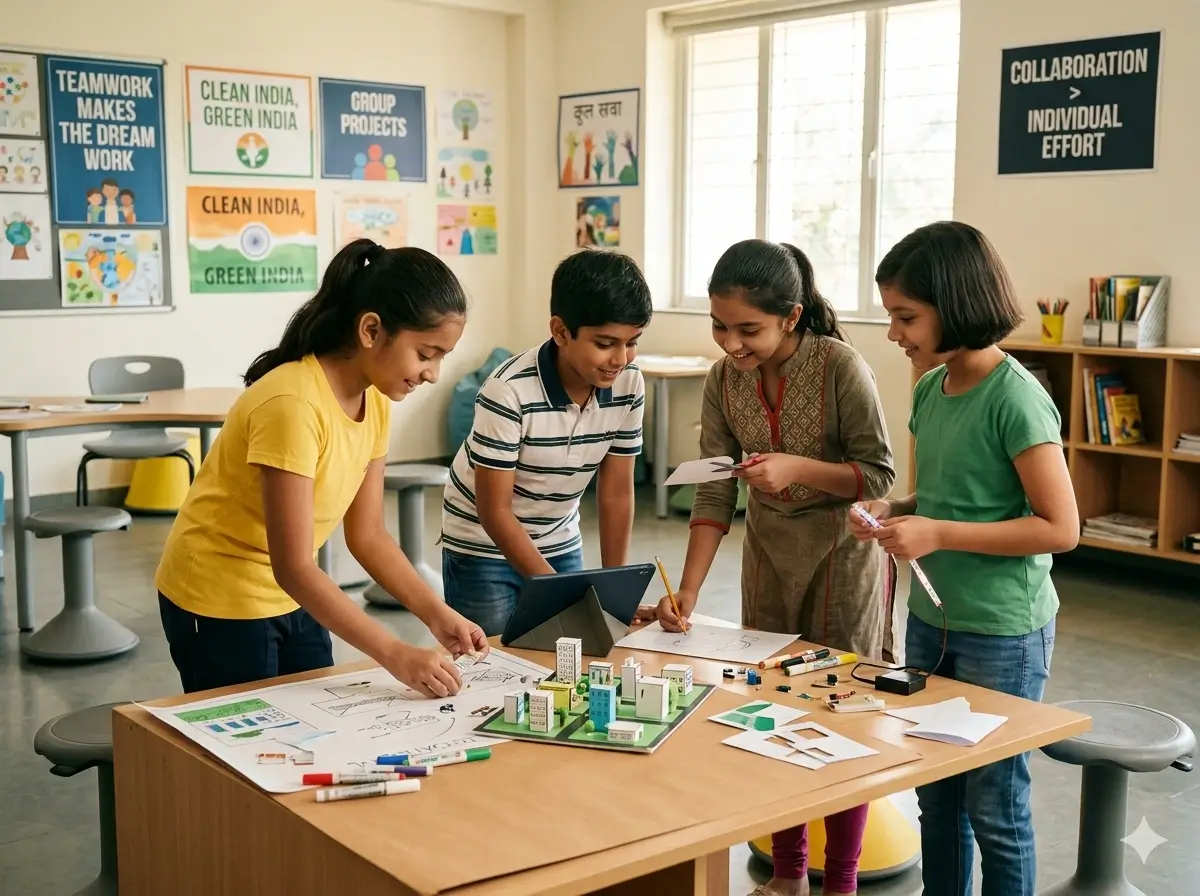
Many important life lessons are learned while working and playing with others. Whether participating in a sports team, completing a group project, or organizing a school event, children discover the value of cooperation.
They learn how to share responsibilities, contribute ideas, compromise when necessary, and work toward common goals. These experiences teach children that success often depends on collective effort rather than individual achievement alone.
Teamwork skills acquired during childhood remain valuable throughout adulthood, especially in modern environments where collaboration is essential.
Building Self-Confidence
Children gain confidence when they successfully interact with others. Making friends, participating in discussions, performing in school activities, or simply introducing themselves to new people helps them overcome shyness and build robust self-esteem.
Positive social experiences reassure children that their opinions matter and that they are capable of forming deep, meaningful connections. A confident child is more likely to take initiative, explore new opportunities, and face challenges with emotional resilience.
Learning Conflict Resolution
Disagreements are a natural part of human relationships. Through social interactions, children learn how to handle conflicts in constructive, non-destructive ways.
They discover that not everyone shares the same opinions, preferences, or ideas. By resolving disputes with friends or classmates, children develop patience, advanced negotiation skills, and intuitive problem-solving abilities. These experiences teach valuable lessons about compromise, respect, and deep understanding.
Enhancing Academic Performance
Socialization positively influences academic success as well. Children who engage actively with classmates and teachers often participate more confidently in classroom discussions and collaborative learning activities.
Group learning encourages students to exchange ideas, ask questions, and learn from one another. Explaining concepts to peers can actively strengthen understanding and improve retention of complex information.
Active Engagement
Expressing opinions safely during collaborative exercises.
Concept Clarity
Explaining ideas to peers triggers better retention and learning.
Encouraging Creativity and Innovation
Social interaction exposes children to new ideas, diverse experiences, and alternative ways of thinking. Conversations with peers often spark curiosity and inspire creative thinking.
When children collaborate on projects or engage in imaginative play, they learn to combine ideas, experiment with solutions, and think outside the box. Many great innovations throughout history emerged from open collaboration and the sharing of concepts.
Developing Leadership Skills
Social settings provide numerous opportunities for children to develop practical leadership qualities. Whether leading a team, organizing an activity, or helping classmates, children learn responsibility and quick decision-making.
Leadership is not limited to giving instructions; it also involves listening, supporting others, and inspiring teamwork. Social experiences help children understand these critical parameters of leadership alignment.
“Education is not preparation for life; education is life itself.”
The Challenges of Limited Social Interaction
Children who have limited opportunities to socialize may face difficulties in developing communication skills, confidence, and emotional resilience. Excessive screen time and reduced face-to-face interaction can sometimes contribute to feelings of isolation.
While technology offers valuable opportunities for learning, it cannot fully replace real-world social experiences. Human interaction provides emotional depth, spontaneity, and personal connection that digital communication completely lacks.
The Role of Parents and Schools
Parents and schools play a vital role in promoting healthy social development. Families can encourage socialization by arranging structured playdates, involving children in community activities, and fostering open communication lines at home.
Schools provide dynamic opportunities through classroom discussions, group projects, extracurricular activities, cultural programs, and sports. Teachers can create inclusive environments where every child feels valued and encouraged to participate.