The journey of International Yoga Day began in September 2014 when Prime Minister Narendra Modi addressed the United Nations General Assembly. In his speech, he described yoga as “an invaluable gift of India's ancient tradition” and highlighted its ability to create harmony between mind and body, thought and action, and humanity and nature. His proposal received overwhelming support from 175 member nations, making it one of the most widely supported resolutions in the history of the United Nations. Consequently, on December 11, 2014, the UN declared June 21 as the International Day of Yoga, and the first global celebration was held on June 21, 2015.
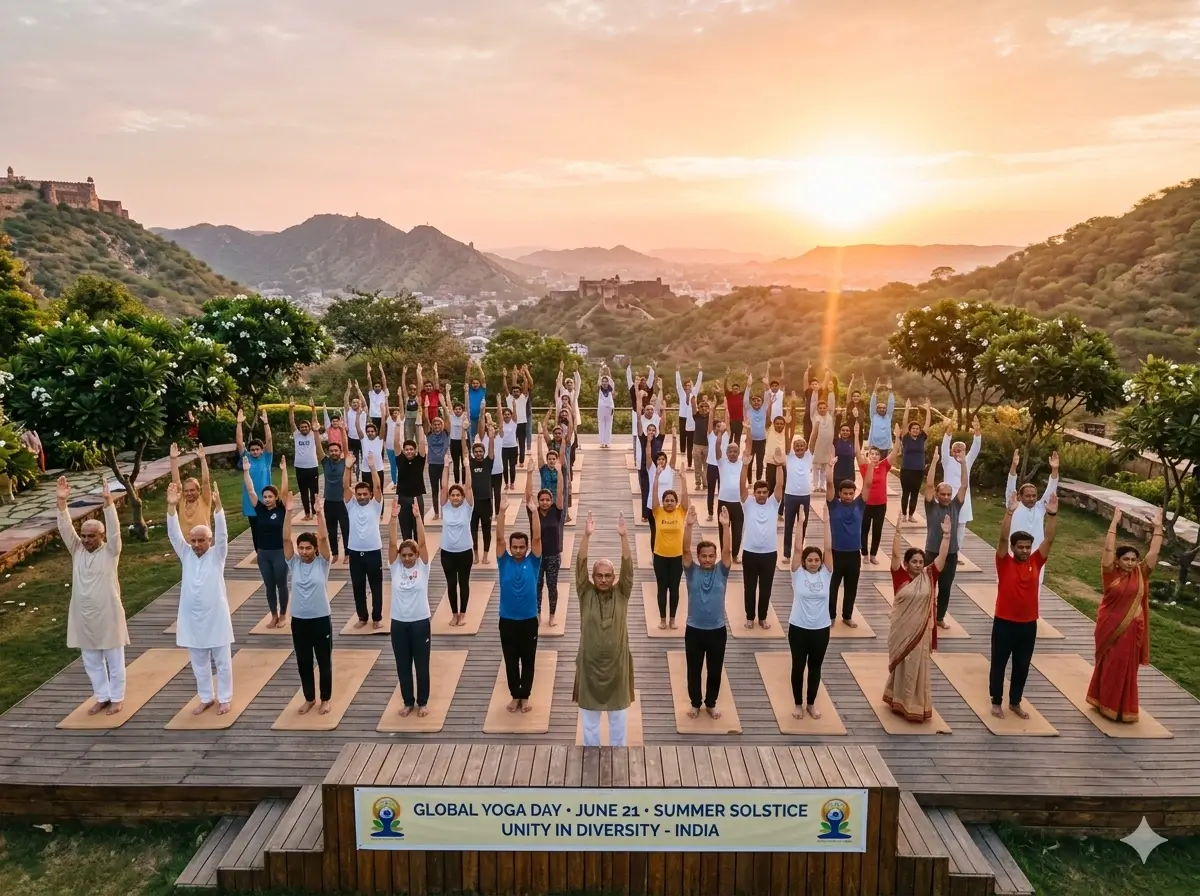
The choice of June 21 is itself significant. It marks the summer solstice, the longest day of the year in the Northern Hemisphere. In Indian tradition, this day holds spiritual importance and is associated with the beginning of a journey toward higher consciousness and well-being.
Yoga for Healthy Ageing and Modern Wellness
This year’s theme, “Yoga for Healthy Ageing,” reflects the growing recognition of yoga as a powerful tool for maintaining health and vitality throughout life. Across the world, populations are ageing rapidly. At the same time, societies are witnessing alarming increases in lifestyle-related illnesses such as diabetes, obesity, hypertension, anxiety, depression, and cardiovascular diseases. These conditions not only affect individuals but also place enormous pressure on healthcare systems.
Yoga offers a practical and affordable solution to many of these challenges. Unlike expensive fitness regimes or medical interventions, yoga requires minimal resources and can be practiced by people of varying ages and fitness levels. Scientific studies have shown that regular yoga practice improves flexibility, balance, muscle strength, respiratory function, and cardiovascular health. It also helps reduce stress hormones, improve sleep quality, and enhance emotional well-being.
A Holistic Approach to Health
Perhaps one of yoga’s greatest strengths is its holistic approach to health. Modern medicine often focuses on treating symptoms after illness develops, whereas yoga emphasizes prevention and overall wellness. Through a combination of physical postures (asanas), breathing exercises (pranayama), meditation, and mindfulness, yoga nurtures both the body and the mind.
For Indians, however, yoga is much more than a fitness activity. It is deeply rooted in the country’s philosophical and spiritual traditions. References to yoga can be found in ancient texts such as the Vedas, Upanishads, Bhagavad Gita, and Patanjali’s Yoga Sutras. These texts describe yoga as a path toward self-realization, discipline, and inner balance.
The word “yoga” itself comes from the Sanskrit root yuj, meaning “to unite” or “to join.” It signifies the union of body, mind, and spirit. This broader understanding distinguishes yoga from ordinary exercise. While physical fitness is an important benefit, yoga ultimately seeks to cultivate awareness, self-control, and harmony within oneself and with the surrounding world.

Why Yoga Matters More Today
In today’s fast-paced and technology-driven society, the relevance of yoga has increased significantly. Children spend long hours on screens, students face academic pressure, professionals struggle with work-related stress, and elderly individuals often experience loneliness and health concerns. Mental health challenges have become a major global issue, affecting millions of people.
Yoga provides a simple yet effective way to address many of these concerns. Schools across India are increasingly introducing yoga sessions to improve concentration, discipline, and emotional resilience among students. Many workplaces encourage yoga and meditation to enhance productivity and reduce stress. For senior citizens, yoga helps improve mobility, balance, and overall quality of life.
Screen Fatigue
A practical disconnect allowing the eyes and mind to rest from digital strain.
Stress Relief
Effective regulation of stress hormones leading to improved mental clarity.
Resilience
Building the emotional and physical strength required to face modern pressures.

Yoga as a Global Movement
Prime Minister Modi has consistently emphasized that yoga belongs to the entire world and transcends barriers of nationality, religion, language, and culture. His message over the years has focused on integrating yoga into daily life rather than limiting it to a symbolic annual event. He has often described yoga as a bridge connecting individual well-being with collective welfare and global harmony.
India’s efforts to promote yoga internationally have been remarkable. Through cultural diplomacy, educational exchanges, yoga certification programs, and large-scale public events, India has played a leading role in spreading awareness about yoga’s benefits. Indian embassies and cultural centers regularly organize yoga workshops and celebrations in different countries. International collaborations have further strengthened yoga’s global reach.
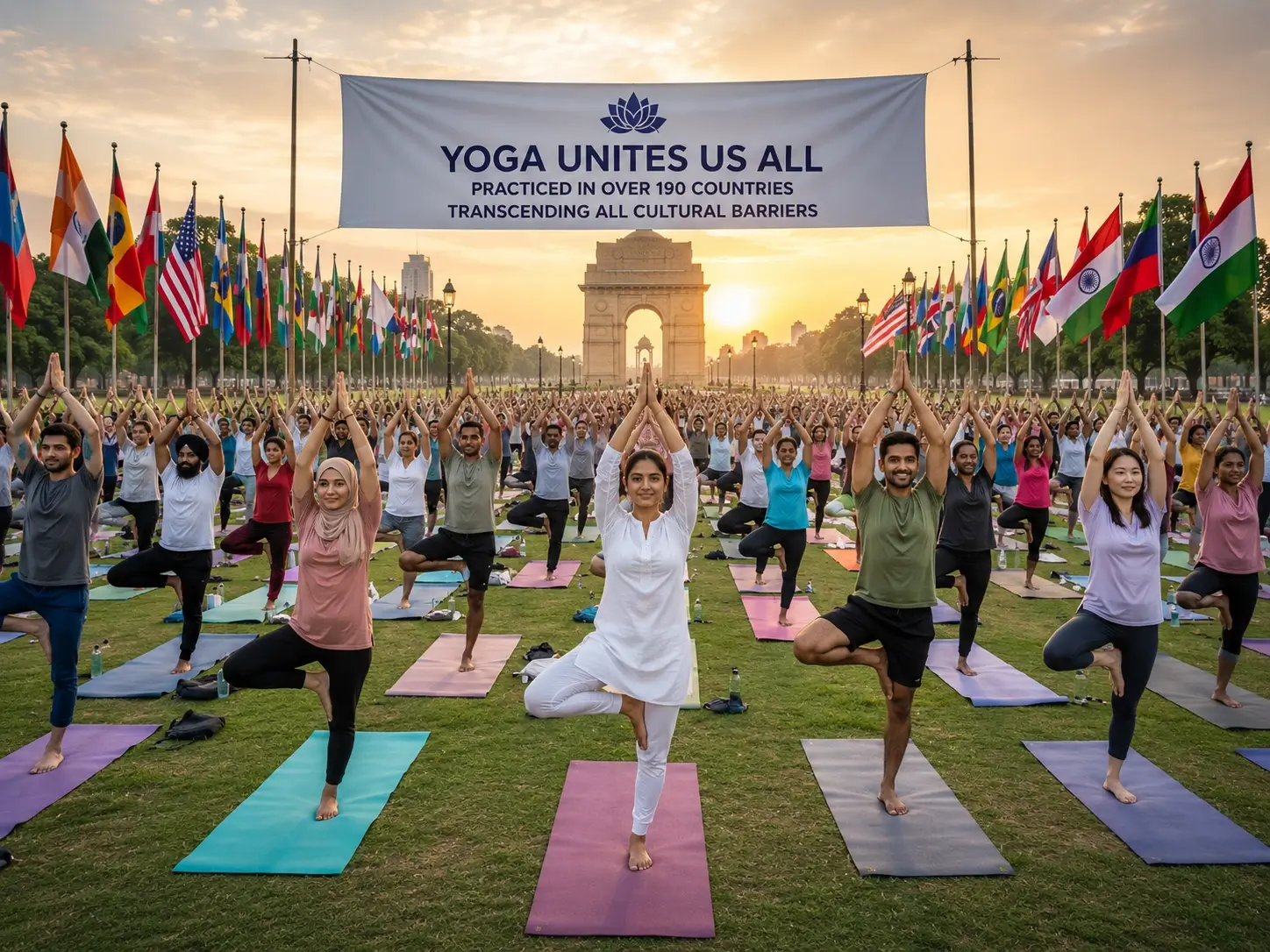
Today, yoga is practiced in more than 190 countries. It has found a place in schools, universities, hospitals, corporate offices, community centers, and even military training programs. The annual celebrations at the United Nations headquarters, attended by diplomats, global leaders, and citizens from diverse backgrounds, showcase yoga’s universal appeal and relevance.
Global Recognition and Cultural Heritage
India’s contribution to yoga received further global recognition in 2016 when UNESCO inscribed yoga on its Representative List of the Intangible Cultural Heritage of Humanity. This acknowledgment highlighted yoga’s role in promoting physical, mental, and spiritual well-being while fostering respect for cultural diversity.
Yet, the true power of yoga lies not in international recognition or mass gatherings but in personal transformation. Yoga teaches individuals to slow down, observe their thoughts, regulate their emotions, and develop resilience in the face of challenges. In a world characterized by constant distractions, social divisions, and rising stress levels, yoga offers a much-needed reminder of the importance of balance and mindfulness.
Yoga, Sustainability, and Future Relevance
Furthermore, yoga’s philosophy aligns closely with contemporary concerns about sustainability and environmental responsibility. By encouraging simplicity, moderation, and harmony with nature, yoga promotes values that are increasingly relevant in addressing climate change and ecological challenges.
As India celebrates another International Yoga Day, there is much to be proud of. The worldwide acceptance of yoga demonstrates how ancient wisdom can provide meaningful solutions to modern problems. At a time when people are searching for ways to improve their physical health, mental well-being, and overall quality of life, yoga continues to offer a path that is accessible, inclusive, and effective.
A Timeless Gift to Humanity
International Yoga Day is therefore not merely a celebration of a centuries-old practice. It is a celebration of India’s enduring gift to humanity—a gift that promotes health, peace, self-awareness, and unity. More importantly, it serves as a reminder that some of the most powerful tools for transformation do not come from advanced technology or expensive treatments. Sometimes, they begin with a deep breath, a quiet mind, and a commitment to living with greater balance and purpose.