For many students, using abusive language has become a symbol of confidence, modernity, humor, or "coolness." They feel speaking rudely makes them appear bold, mature, fearless, or socially accepted. However, this growing trend among school students hides serious social and psychological concerns. In India, where respectful communication has traditionally been deeply valued, this shift deserves careful attention.
Why Abusive Language Is Becoming Common Among Students
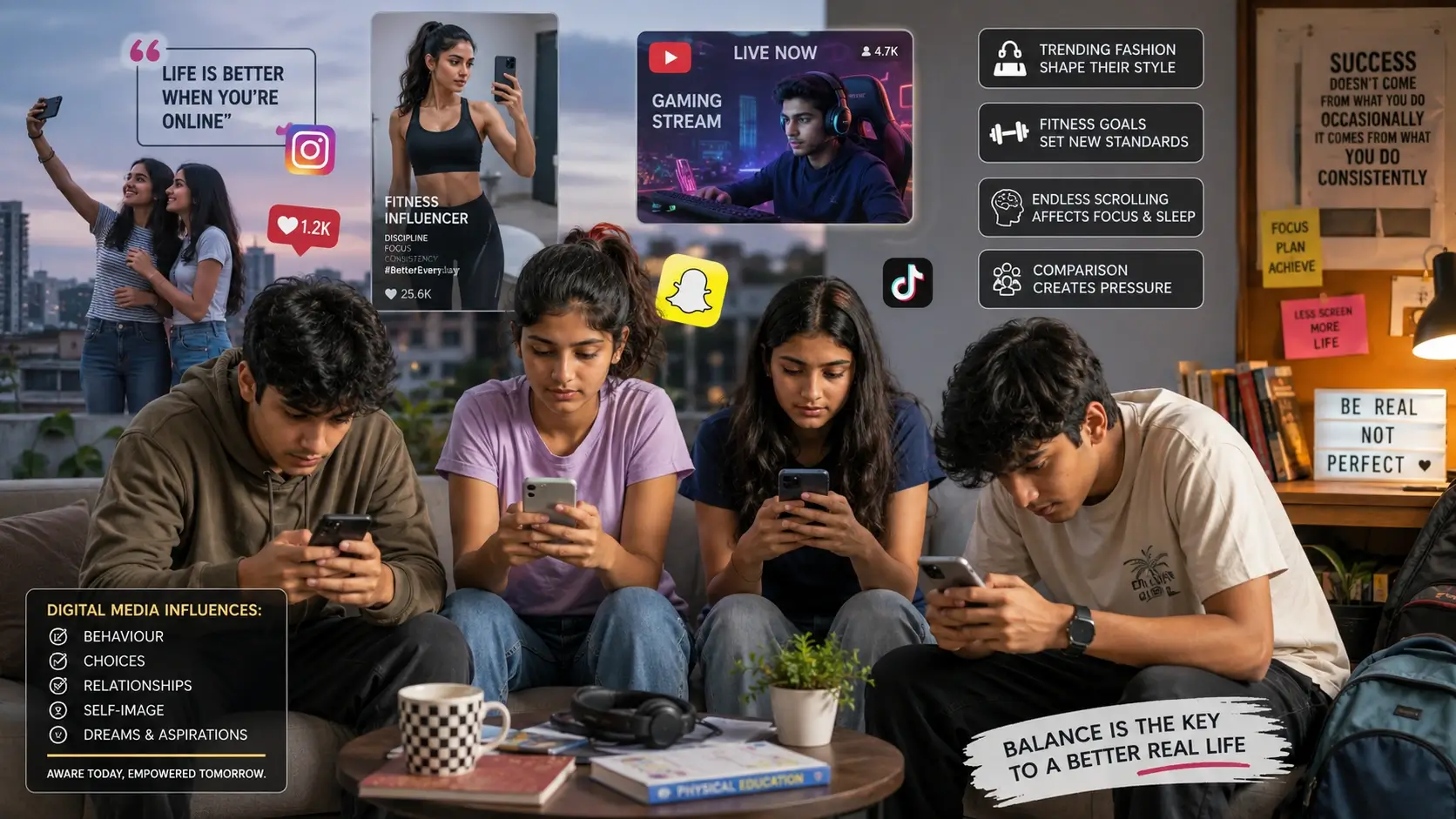
Influence of Social Media and Digital Content
One major reason behind rising abusive language is exposure to digital media. Today's children spend hours watching online videos, gaming streams, web series, memes, and social media influencers. Many popular creators use abusive words casually for humor, entertainment, or dramatic effect.
Young minds are impressionable. Students gradually treat such language as normal and begin imitating it. Unlike earlier generations, today's children encounter unrestricted language at very young ages through smartphones and the internet.
Peer Pressure and the Desire to Fit In
School students feel strong pressure to belong to friend groups. In many peer circles, abusive language is seen as trendy or entertaining. Students fear being called "boring," "innocent," or "uncool" if they avoid it.
Even children who feel uncomfortable initially may start using foul language just to blend in socially. Over time, these words become automatic habits. For adolescents especially, peer acceptance often feels more important than adult guidance.
Movies, Music, and Pop Culture
Modern entertainment has normalized rude language significantly. Films, songs, comedy shows, and online series frequently use abusive dialogues. Characters speaking this way are often shown as powerful, confident, stylish, or rebellious. Students associate foul language with strength and popularity. Few realize that real maturity shows through respectful communication, not offensive speech.
Lack of Emotional Expression Skills
Sometimes children use abusive language because they don't know healthier ways to express frustration, anger, excitement, or disappointment. Instead of communicating emotions calmly, they copy aggressive patterns seen around them. Children in stressful homes, frequent conflicts, or emotionally harsh environments may also pick up rude speech unconsciously.
Why This Trend Is Harmful for School Students
It Weakens Respectful CommunicationLanguage shapes relationships. Frequent abusive words gradually reduce respect between students, friends, siblings, teachers, and parents. Children lose sensitivity toward others' feelings. Conversations become harsher, less thoughtful, and emotionally unhealthy.
It Encourages AggressionSpeech and behavior connect closely. Students using aggressive language regularly may become more impulsive, rude, or physically aggressive. Abusive words often spark conflicts, bullying, emotional hurt, and misunderstandings.
It Affects Personality DevelopmentCommunication skills shape personality. Students relying heavily on foul language may struggle in formal or professional settings later. Strong vocabulary, calm expression, and respectful communication signal emotional intelligence and maturity.
Younger Children Copy Older StudentsA dangerous aspect is imitation by younger children. Primary students often copy older students' speech without understanding word meanings.
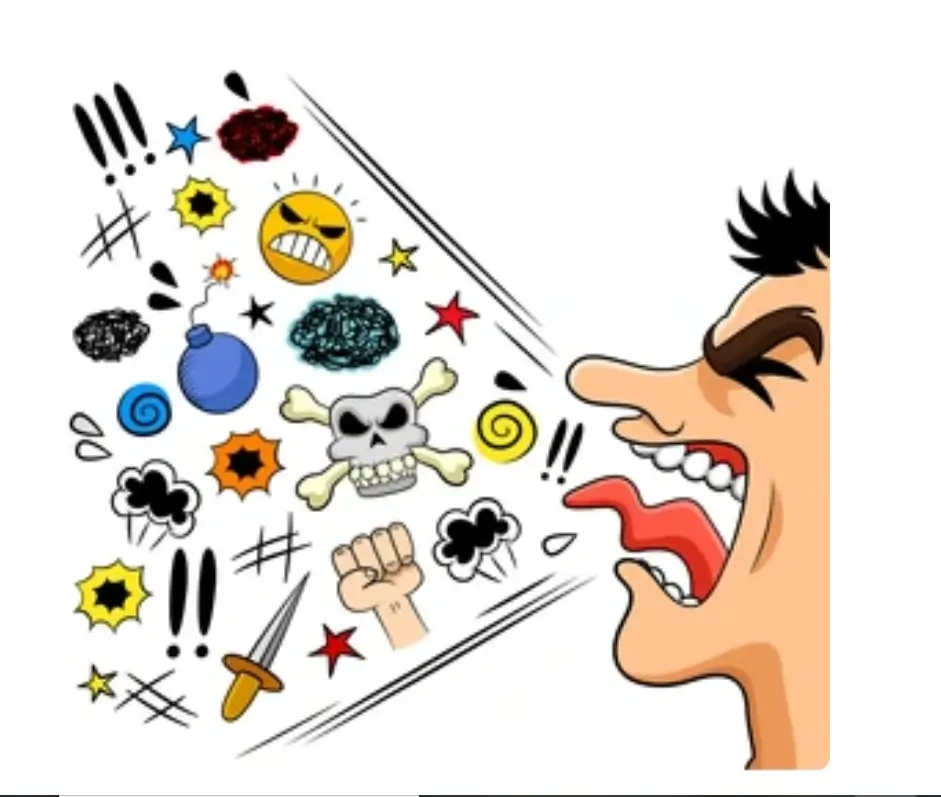
Why Students Think Abusive Language Is "Cool"
Children and teens often link "coolness" with rebellion, confidence, or social dominance. Harsh speech may make them feel temporarily mature or powerful. However, this usually comes from external influences rather than true personality growth.
True confidence shows through:
- Respectful communication
- Emotional control
- Kindness and empathy
- Humor without insults
- Mature expression of opinions
Polite students are not weak or outdated. Respectful communication actually reflects stronger character and better upbringing.

What Parents and Teachers Can Do About Abusive Language
Avoid Overreaction
Constant shouting or harsh punishment can make children defensive rather than improving behavior. Calm conversations usually work better.
Become Good Role Models
Children imitate adults closely. Parents and teachers must avoid abusive communication at home and school themselves.
Monitor Digital Exposure
Guide children toward appropriate online content. Healthy boundaries around social media and entertainment matter.
Teach Emotional Expression
Help students express anger, disappointment, or excitement without hurting others through words.
Encourage Respectful Communication
Schools can hold discussions, activities, and awareness sessions about language, empathy, and healthy friendships.
Appreciate Positive Behavior
Children respond well to encouragement. Praising respectful speech works better than only criticizing bad language.
The Need for Balance in Modern Society
Language evolves over time, and each generation develops communication styles. Modernization shouldn't sacrifice basic respect and sensitivity.
India faces rapid social and digital change. Children grow up surrounded by constant online influence, fast entertainment, and peer pressure. Instead of just blaming students, society must understand the deeper causes of these behavioral shifts. Children need guidance—not fear, humiliation, or constant judgment.

Words Carry Power
The rise of abusive language among school students reflects changing social influences, digital exposure, peer pressure, and emotional habits. While many see it as "cool," "funny," or modern, its effects on personality, relationships, and emotional growth can be harmful.
Words have power—they can heal, inspire, encourage, or hurt deeply. Teaching children respectful communication isn't about making them old-fashioned; it's about building emotional intelligence and social responsibility.