Many parents complain that their children are unwilling to read anything beyond textbooks. Even when books are available at home, children often choose mobile phones, videos, gaming apps, or social media instead. Teachers also observe that students are struggling with concentration, patience, vocabulary, and deep comprehension.
The decline in reading habits among children is not because children have become less intelligent or less curious. In fact, children today are exposed to more information than ever before. The real issue is that their environment, habits, and attention spans are changing rapidly. The question is no longer whether children can read. The concern is whether they still enjoy reading.
Screens Have Replaced Silent Imagination
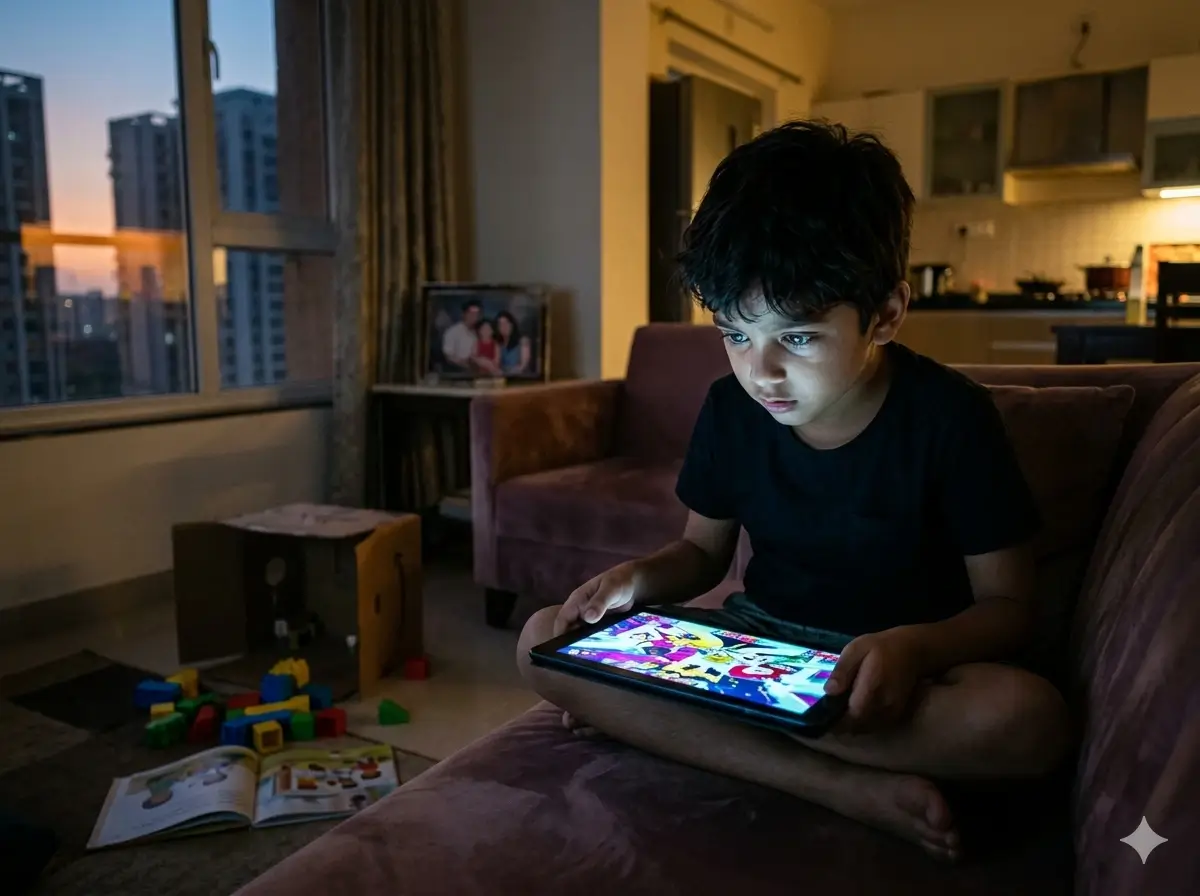
One of the biggest reasons children are losing interest in reading is the dominance of screens. Mobile phones, tablets, television, YouTube videos, gaming apps, and short-form content provide constant stimulation. Bright visuals, fast movement, instant entertainment, and endless scrolling make digital content highly addictive for young minds.
Instant ConsumptionWhen watching a video, everything is presented visually and instantly.
Internal CreationWhen reading a story, the brain has to create images, emotions, settings, and characters internally, which requires concentration and effort.
Children who become accustomed to fast digital stimulation often find books “slow” or “boring” in comparison. Their minds gradually adapt to quick entertainment rather than deep engagement. Screens offer instant stimulation, while reading demands imagination and patience.
Reading Is Becoming Associated Only with Studies
Another major reason children dislike reading is that books are increasingly connected only with academic pressure. For many children, reading means homework, exams, memorization, school assignments, and forced learning. Very few children are encouraged to read simply for joy.
When reading becomes entirely performance-based, children stop seeing books as enjoyable companions. Instead, books begin to feel like responsibilities. A child who is constantly told to “study more” may slowly lose emotional connection with reading itself. Unfortunately, in many households, marks are valued more than curiosity. Children are often praised for scoring well but not for enjoying books, asking thoughtful questions, or exploring ideas independently.
Lack of Reading Culture at Home
Children learn habits primarily through observation. If parents themselves rarely read books, newspapers, or magazines, children are less likely to develop interest in reading. In many homes today, adults too are spending more time on screens than with books.
Phone Use
Parents scrolling on phones during family meals.
Continuous TV
Television running continuously in the background.
Less Chats
Family conversations decreasing over time.
In such environments, books naturally lose importance. Reading habits are not built through instructions alone. They are built through atmosphere. A home where books are visible, stories are discussed, and reading is emotionally valued creates children who see reading as meaningful and enjoyable. Children copy the reading habits they see at home.
Busy Childhoods Leave Little Space for Reading
Modern childhood has become highly structured and academically demanding. Many children today spend their days moving between school, homework, tuition classes, coaching sessions, skill programs, and competitive preparation. By the end of the day, they are mentally exhausted.
Reading for pleasure requires relaxed and unpressured time. But many children no longer have slow, quiet moments where they can sit peacefully with a book. Even weekends are often filled with activities, screens, or academic work. As childhood becomes busier, reflective habits like reading slowly disappear.
Short Attention Spans Are Growing
Digital platforms are changing children’s attention spans. Short videos, quick scrolling, instant notifications, and rapid content consumption train the brain to expect constant stimulation. As a result, many children struggle to focus on one thing for extended periods.
Reading a book demands sustained attention. A child must follow a storyline, remember details, understand emotions, and remain mentally engaged for longer durations. For children used to constantly switching content every few seconds, this can feel difficult. Over time, many children begin avoiding reading simply because their minds are no longer comfortable with stillness and concentration.
Schools Often Focus on Reading Skills, Not Reading Joy
Schools certainly teach children how to read, but many fail to develop love for reading. In some classrooms, reading becomes mechanical, literature becomes examination-oriented, students are forced to memorize answers, and creativity and interpretation are ignored.
As a result, reading loses emotional connection. Children may learn pronunciation, grammar, and comprehension techniques, yet never experience the pleasure of becoming emotionally absorbed in a story. Library periods are also disappearing in many schools or treated as less important than academic subjects. A child develops love for reading not through pressure, but through positive experiences with books.
Children Need Relatable and Interesting Content
Sometimes children lose interest in reading because the books offered to them do not match their interests, age, or emotional world. A child forced to read difficult, outdated, or uninteresting material may naturally avoid books.
Children are more likely to enjoy reading when books include humor, adventure, mystery, real-life emotions, relatable characters, visual appeal, and interactive storytelling. Every child is different. Some enjoy fantasy, some enjoy science, some prefer biographies, while others enjoy comics or poetry. The problem is not always that children dislike reading. Sometimes they simply have not found the right books yet.

Emotional Connection Between Storytelling and Reading Is Fading
Storytelling once played a powerful role in childhood. Grandparents narrated stories. Parents read bedtime tales. Families discussed moral lessons, folk stories, and imaginative adventures. These emotional experiences naturally built interest in books.
Today, storytelling traditions are weakening in many families due to busy schedules and digital distractions. Without emotional connection, books begin to feel less personal and less meaningful. Children first fall in love with stories before they fall in love with reading.
Reading Competes with Entertainment, Not with Education
Books today are competing against highly sophisticated entertainment systems. A child holding a book is competing with gaming apps, social media, streaming platforms, animated videos, artificial intelligence tools, and instant entertainment algorithms.
Books require active participation, while digital entertainment often provides passive consumption. This does not mean technology is harmful. The issue arises when entertainment completely replaces reflective and imaginative activities. Children need balance—not total rejection of technology, but protection from excessive digital dependency. Reading needs a fair chance in a world full of fast entertainment.
Why Reading Still Matters Deeply
Despite changing times, reading remains one of the most powerful tools for a child’s intellectual and emotional growth. Reading improves vocabulary, concentration, creativity, emotional intelligence, imagination, writing ability, critical thinking, and empathy.
Books also help children understand emotions, perspectives, cultures, and human experiences beyond their own lives. A child who reads regularly often becomes a deeper thinker and better communicator. Most importantly, reading teaches patience in a world obsessed with speed.
How Parents and Schools Can Rebuild Reading Habits
Create a friendly environmentChildren should grow up surrounded by books, not only screens.
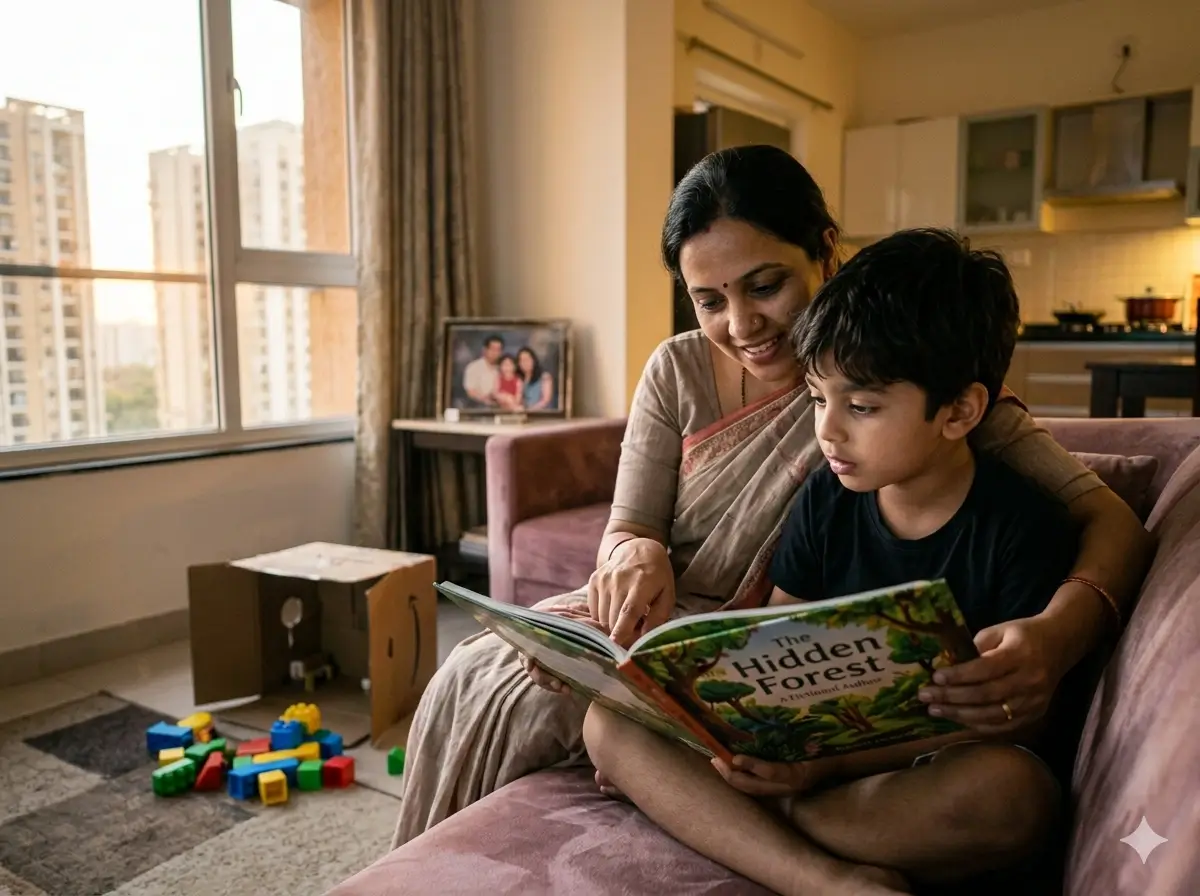
Read with childrenShared reading creates emotional bonding and positive associations with books.
Reduce excessive screen exposureChildren need free mental space to reconnect with slower activities.
Allow choice & make it enjoyableChildren should choose books based on their interests, unlinked from academic testing.
Restoring the Magic of Stories
Children are not losing interest in reading because books have lost value. They are losing interest because modern childhood is becoming faster, noisier, more digital, and more distracted. Reading requires calmness, imagination, patience, and emotional engagement—qualities that are increasingly under pressure in today’s environment.