The Crucial Role of Nursery Education in Shaping Your Child's Foundation for Life
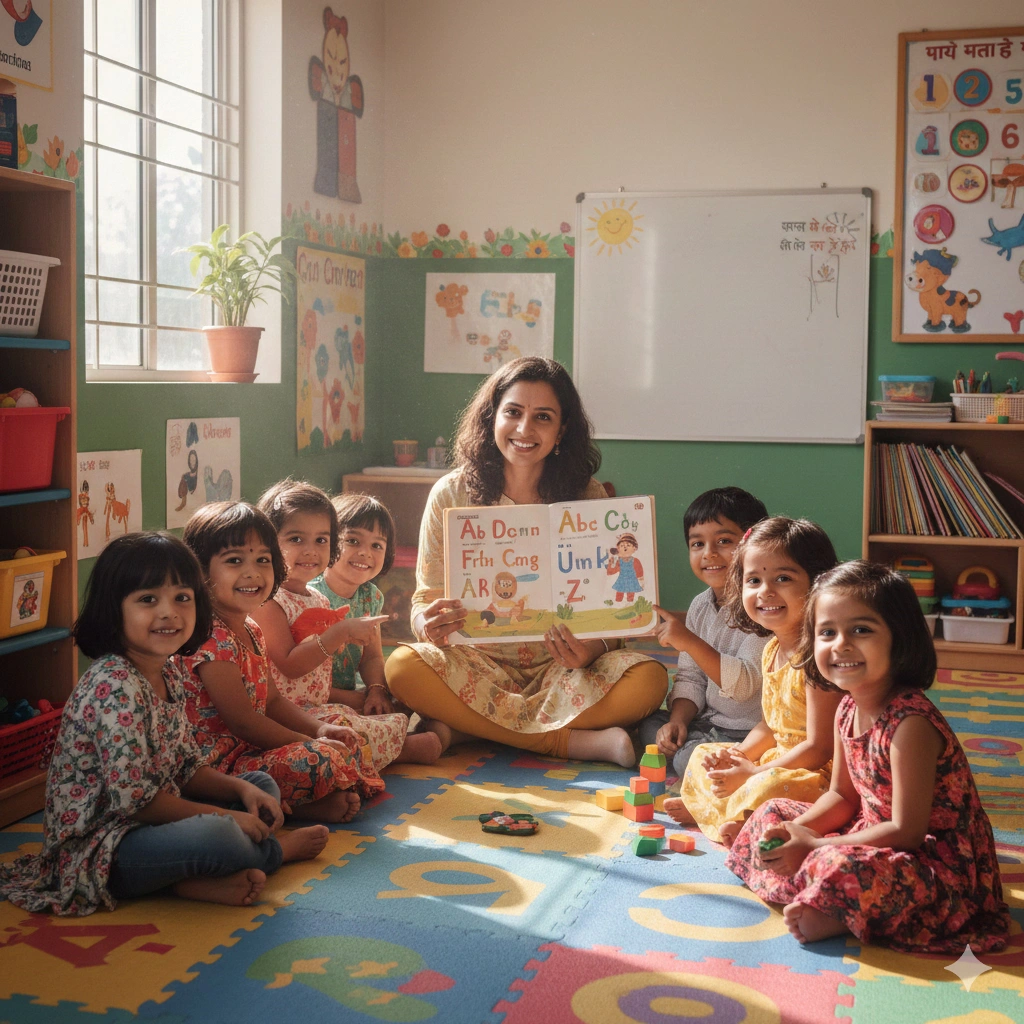
Why Nursery Education is Essential for Your Child's Development
Nursery school is far more than a daycare center or a place to keep children occupied. It marks the beginning of formal learning outside home—a pivotal moment that shapes a child's cognitive, social, and emotional development for life.
As an Indian parent, you've likely wondered: Is nursery school really necessary? What will my child learn? When should I enroll? These are natural questions, and the answer is backed by both scientific research and India's new National Education Policy (NEP) 2020.
The truth is: nursery education is the foundation upon which your child's entire future is built.
What Does Nursery Education Actually Teach?
Early Childhood Care and Education (ECCE) is far more comprehensive than traditional academics. Quality nursery programs combine multiple learning approaches:
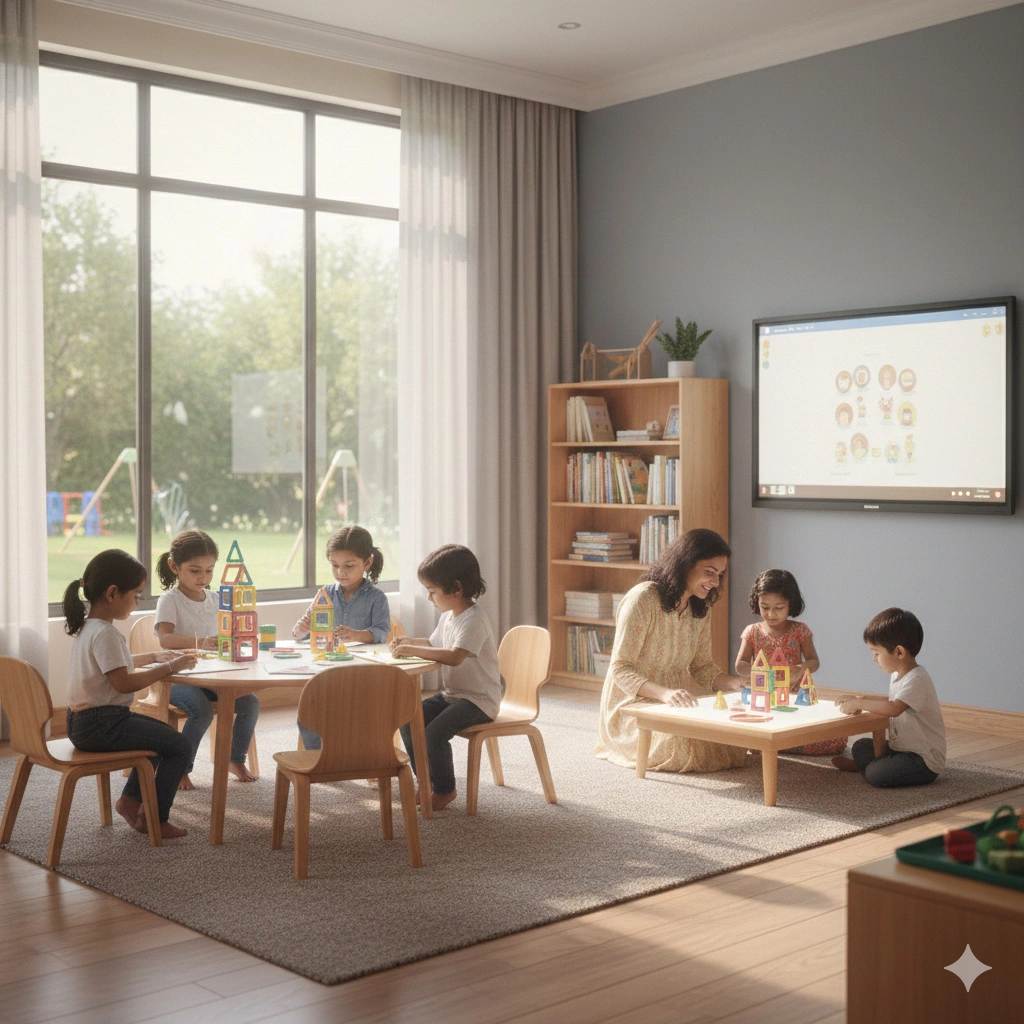
Play-Based & Activity-Based Learning
- Indoor and outdoor exploration
- Creative play and discovery-driven activities
- Movement, music, and rhythm activities
- Drama, puppetry, and artistic expression
Pre-Academic Skills
- Letter recognition and early literacy
- Number identification and counting concepts
- Colors, shapes, and logical thinking exercises
- Fine and gross motor skill development through play
Social & Emotional Development
- Peer interaction and friendship building
- Emotional awareness and self-regulation
- Conflict resolution and empathy development
- Teamwork, cooperation, and sharing skills
Values & Character Building
- Discipline, courtesy, and etiquette
- Respect for diversity and inclusivity
- Cleanliness, hygiene, and self-care habits
- Responsibility for personal belongings
The Science Behind Early Brain Development
Critical Fact
Over 85% of a child's cumulative brain development occurs before age six.
This means the nursery years (ages 3-5) are critical for brain wiring. During this period:
- Neural connections develop at the fastest rate
- Cognitive pathways are established
- Language centers activate and expand
- Social-emotional circuits form
When you invest in quality nursery education, you're literally building your child's brain architecture. Every play activity, every interaction with teachers, and every peer engagement creates lasting neural connections.
How NEP 2020 Changed Nursery Education in India
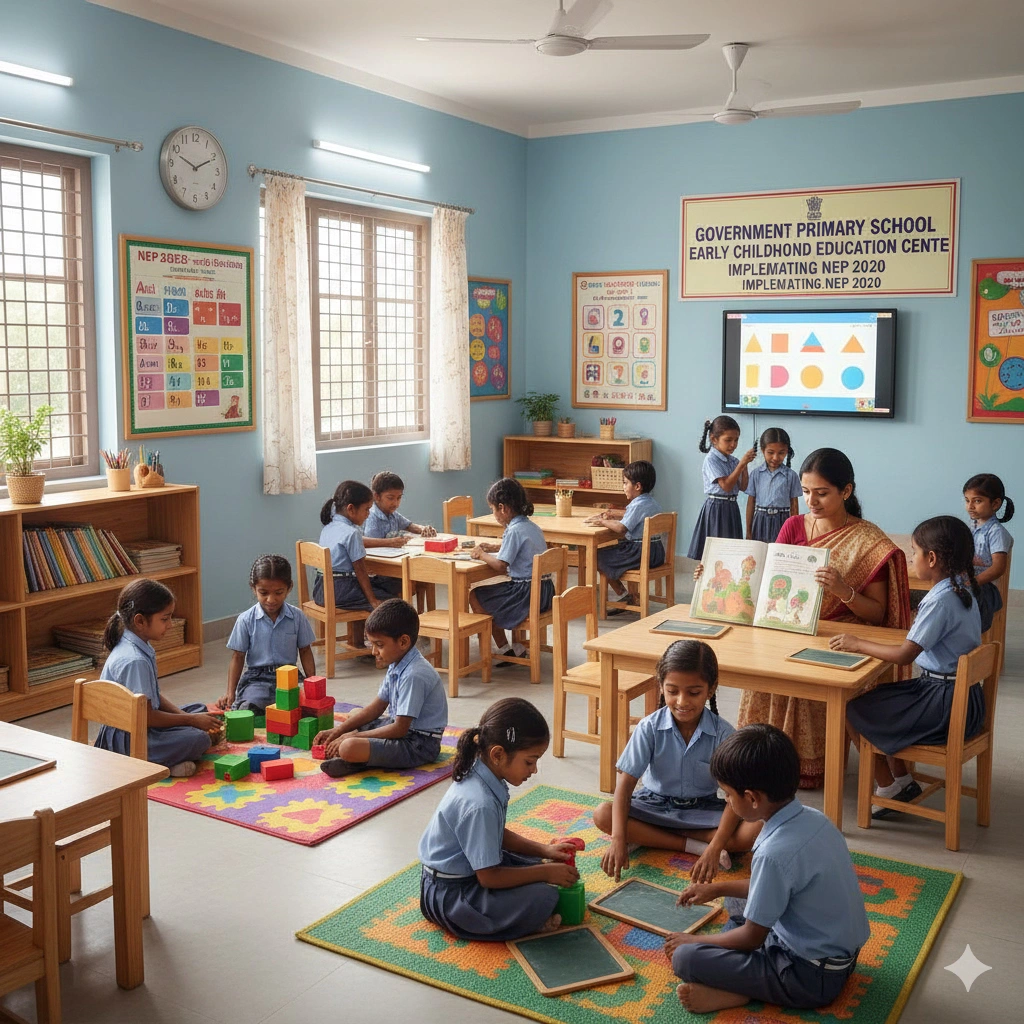
The National Education Policy 2020 revolutionized how India views early childhood education. Here are the key changes:
The New 5+3+3+4 Structure
The policy restructures school education into four stages:
Stage 1 (Foundational): Ages 3-8
Three years of nursery/pre-school + Grades 1-2
Target by 2030: All children entering Grade 1 must be "school-ready"
This Means:
- Nursery is now part of formal education, not optional
- Your child gets 3 years of structured early learning (not just 1-2 years)
- Emphasis on learning through play, not rote memorization
- Mother tongue/local language as medium of instruction (better comprehension for Indian children)
NEP 2020 Principles for Nursery:
- Stress-free, joyful learning rooted in natural curiosity
- Activity and inquiry-based methods replacing rigid textbooks
- Integration of nutrition, health, and emotional well-being with academics
- Collaboration between schools, Anganwadis, and families
What Your Child Actually Learns in Nursery
"Early childhood education is the key to the betterment of society." – Maria Montessori
Here's what happens in quality nursery classrooms:
Language & Literacy Development
- Rhyme recitation and poem memorization
- Story listening and comprehension
- Letter and word recognition
- Vocabulary building through songs and games
- Bilingual exposure (helping with Hindi, English, local languages)

Cognitive & Logical Development
- Problem-solving through puzzles and games
- Pattern recognition and sequencing
- Numerical concepts through counting games
- Colors, shapes, and spatial awareness
- Creative thinking and imagination exercises
Physical Development
- Gross motor skills (running, jumping, climbing, coordination)
- Fine motor skills (drawing, writing, threading, building)
- Hand-eye coordination through craft and art activities
Social-Emotional Skills
- Managing emotions in group settings
- Making friends and building peer relationships
- Following routines and understanding structure
- Resolving conflicts with other children
- Developing independence and self-confidence
The Transition from Home to School: What Parents Need to Know
Sending your child to nursery is often an emotional milestone for Indian parents. Here's what to expect:
First Few Weeks: Adaptation Phase
- Some children may cry or resist (completely normal)
- Teachers are trained to help with this transition
- Consistency and patience are key
- Your child will gradually become comfortable
What Your Child Learns Away from Home
- Self-care independence: Using the toilet, drinking water, eating meals
- Following instructions: Responding to teachers' guidance
- Sharing and turn-taking: Managing toys and attention
- Time management: Understanding routines and schedules
- Personal safety awareness: Knowing whom to trust
How This Prepares for Primary School
Children who attend quality nursery programs:
- Adapt more easily to school environments
- Show better concentration and focus
- Develop positive attitudes toward learning
- Manage classroom transitions smoothly
- Respect authority and follow rules naturally
Choosing the Right Nursery School for Your Child
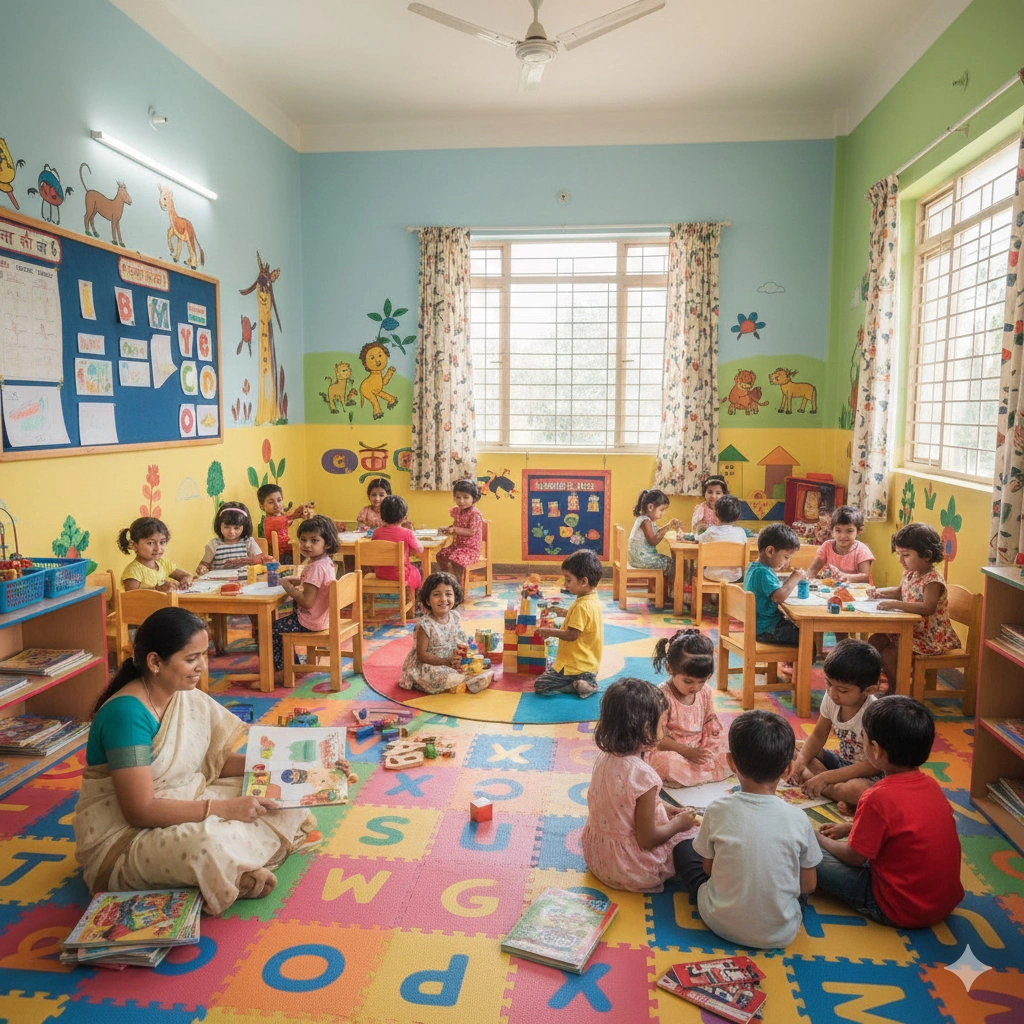
What to Look For:
Quality Indicators:
- Play-based, activity-oriented curriculum (not textbook-heavy)
- Trained and certified ECCE teachers
- Safe, clean, and stimulating environment
- Low teacher-to-student ratio (ideally 1:15 or better)
- Regular parent communication and updates
- Alignment with NEP 2020 principles
Ask These Questions:
- What's your approach to teaching? (Should emphasize play and discovery)
- How many trained teachers per class?
- Do you provide activity-based learning or just academics?
- How do you handle separation anxiety and emotional needs?
- What's your curriculum? (Should include motor skills, social-emotional, pre-academics)
- How do you involve parents in their child's learning?
Research-Backed Benefits of Nursery Education
Numerous studies confirm that children receiving quality early education:
- Perform better academically in primary and secondary school
- Score higher on intelligence tests later in life
- Develop stronger social skills and peer relationships
- Show better emotional regulation and resilience
- Have higher graduation rates and educational attainment
- Earn more as adults (long-term economic benefit)
- Engage in less risky behavior during adolescence
The Role of Teachers in Nursery Education

Quality ECCE educators are the backbone of effective nursery programs. They:
- Observe individual child needs and create personalized learning paths
- Design engaging activities that promote discovery and curiosity
- Create a safe, inclusive environment where all children feel valued
- Build strong relationships with children and families
- Document child progress and communicate regularly with parents
- Model good behavior, empathy, and emotional regulation
For Aspiring Teachers
If you're interested in early childhood education, this is one of the most rewarding fields. You're literally shaping the future of India, one child at a time. Quality training in ECCE methodologies, child psychology, and NEP 2020 frameworks will make you an invaluable asset to children and families.
Making the Right Decision for Your Child
"Education is the most powerful weapon which you can use to change the world." – Nelson Mandela
This journey begins with nursery.
If you're unsure about nursery education, consider:
- Your child's social development needs
- Your family's circumstances and available support
- Quality of nursery options in your area
- Your child's readiness for structured learning
Most Indian educational experts today recommend: Quality nursery education (ages 3-5) as essential for school readiness and overall development.
Final Thoughts: Investing in Your Child's Future
Nursery education isn't an expense—it's an investment in your child's foundation. The skills, confidence, and joy of learning developed during these years will serve your child throughout their academic journey and adult life.
By choosing quality early childhood education, you're:
- Enhancing your child's brain development during critical years
- Building social and emotional intelligence
- Preparing them for successful primary school transition
- Investing in their future success and happiness
Your child's nursery years are fleeting—make them count.