Examinations are undoubtedly necessary. They provide structure, accountability, and a means of evaluating progress. However, the nature of many school exams today raises concerns about whether they adequately assess understanding, creativity, and real-world application.
Albert Einstein once observed, “Education is not the learning of facts, but the training of the mind to think.” If the purpose of education is to develop thinking, then examinations should measure how well students think, not just how much they remember.
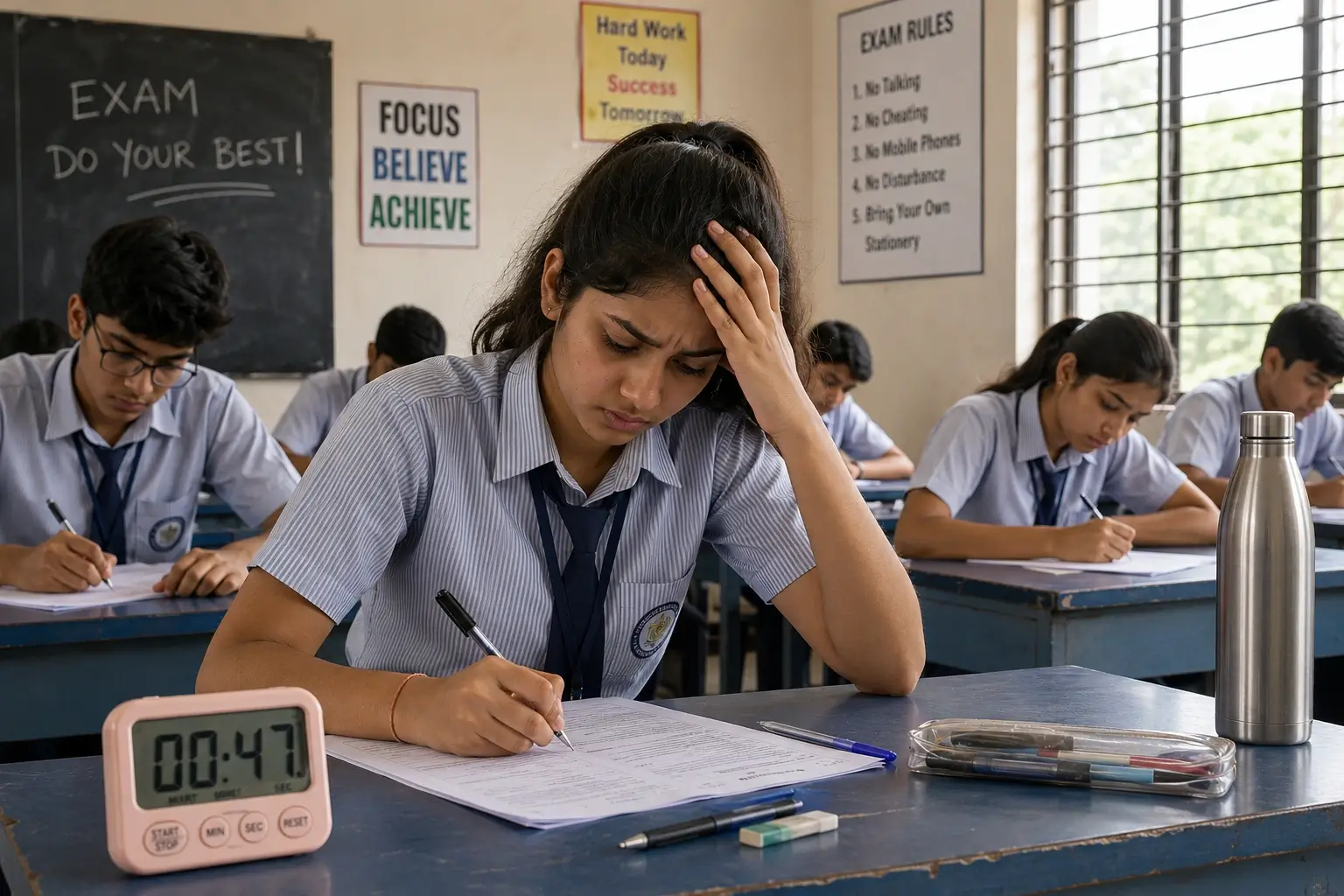
The Culture of Marks and Board Exam Scores
In many countries, including India, academic success is closely associated with marks. Students are often judged not by their curiosity, kindness, creativity, or problem-solving abilities but by percentages and ranks. As a result, the focus gradually shifts from learning to scoring.
John Dewey, the renowned educational philosopher, said, “Education is not preparation for life; education is life itself.” Yet, for many students, education becomes preparation for examinations rather than preparation for life.
The pressure to score high encourages rote learning. Students memorize definitions, formulas, and answers, often without understanding their significance. Information acquired for examinations may disappear soon after the results are declared. Many educators note that traditional exams frequently reward short‑term memorisation more than genuine comprehension.
Knowledge Versus Understanding in School Exams
True learning goes beyond remembering facts. It involves understanding concepts, asking questions, analyzing information, and applying knowledge in unfamiliar situations.
Confucius wisely remarked, “I hear and I forget. I see and I remember. I do and I understand.”
Unfortunately, many written examinations reward memory more than understanding. A student who reproduces textbook answers exactly may score higher than another who possesses deeper understanding but expresses ideas differently.
This creates an unfortunate message: remembering is more valuable than thinking.
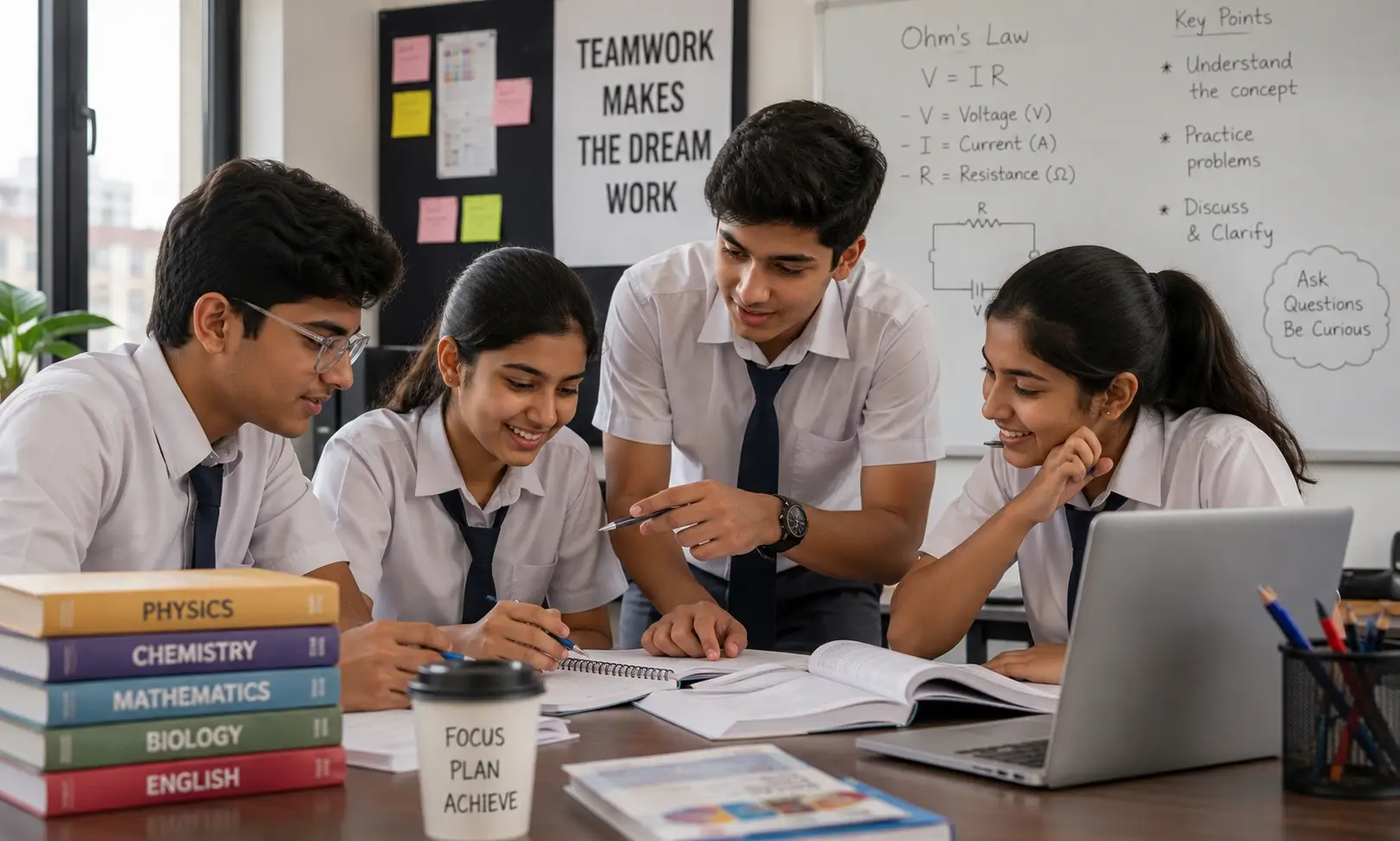
The Skills That Exams Often Ignore
The world of the twenty-first century demands qualities that traditional, marks-focused examinations frequently fail to measure. Some of these vital skills include:
Creativity
Thinking outside the box and generating novel ideas.
Critical Thinking
Analyzing logic and solving complex problems efficiently.
Collaboration
Working effectively with diverse teams and people.
Emotional Intelligence
Managing own emotions and empathizing with others.
Other missed skills include Communication, Leadership, Ethical decision-making, and Adaptability. Howard Gardner, known for his theory of multiple intelligences, argued that human intelligence cannot be confined to a single dimension. A child talented in music, art, sports, leadership, or interpersonal relationships may not necessarily excel in written exams.
Yet society often labels such children as “average” merely because their report cards do not reflect their strengths.
The Rise of Competency-Based Education
Recognizing these limitations, educational boards around the world are increasingly emphasizing competency-based learning and assessment. India’s National Education Policy 2020 also advocates moving away from rote learning and promoting conceptual understanding and application.
Questions requiring analysis, interpretation, and problem-solving are gradually replacing purely factual questions. Open-book assessments, project work, portfolios, and experiential learning are gaining importance.
Rabindranath Tagore believed that “The highest education is that which does not merely give us information but makes our life in harmony with all existence.” His philosophy reminds us that education should nurture the whole child, not merely produce examination toppers.
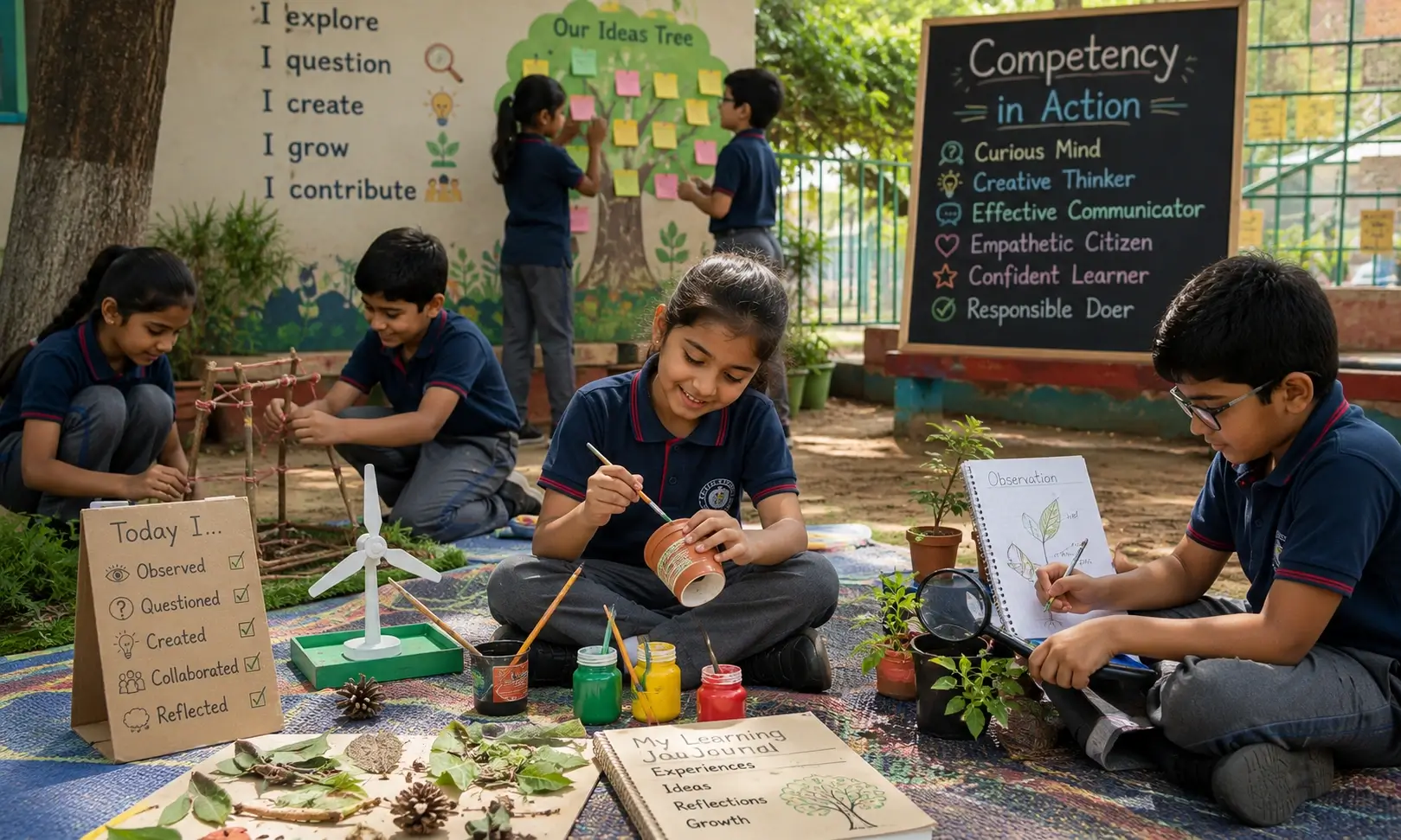
Examinations Are Not the Enemy
Criticizing existing examination systems does not mean rejecting exams altogether. Assessments are essential. They help students develop discipline and provide feedback about progress.
The issue lies not with examinations themselves but with what they measure.
Plato advised, “Do not train children to learning by force and harshness, but direct them to it by what amuses their minds.” An ideal assessment system should evaluate:
Conceptual understandingGrasping the 'why' and 'how' behind the facts.
Application of knowledgeUsing concepts to solve new, unfamiliar situations.
Curiosity and independent thinkingEncouraging inquiry, originality, and creativity.
Communication & TeamworkEvaluating written/oral skills and collaboration.
Such assessments would prepare students not merely for exams, but for life itself.
The Role of Teachers and Parents in Reducing Exam Pressure
Parents and teachers must also reconsider how they define success. Excessive emphasis on marks creates anxiety and unhealthy competition.
Maria Montessori beautifully said, “Free the child’s potential, and you will transform him into the world.” Every child learns differently and possesses unique talents. A report card represents only a part of a child’s abilities, not the whole personality.
Celebrating effort, curiosity, kindness, creativity, and resilience is equally important. When adults value only scores, children may begin to believe that their worth is tied solely to exam performance.
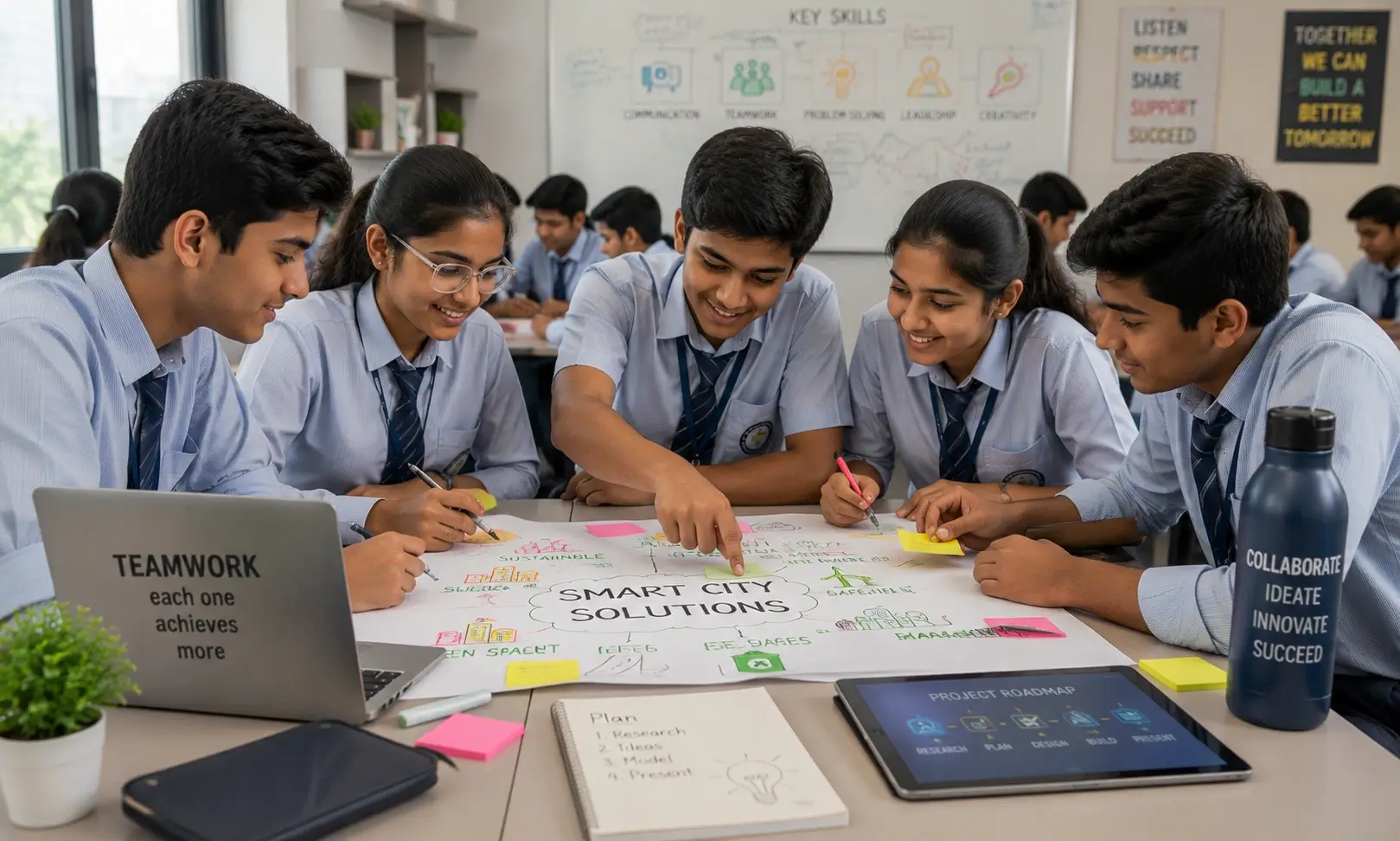
Learning Should Outlast Examinations
The true test of education is not whether students remember answers for three hours in an examination hall. It is whether they can apply knowledge years later to solve problems, make decisions, and contribute meaningfully to society.
Mahatma Gandhi defined education as “an all-round drawing out of the best in child and man—body, mind and spirit.” Education should create thoughtful citizens, compassionate individuals, and lifelong learners—not merely successful test-takers.
Changing the World with Real Understanding
As Nelson Mandela famously said, “Education is the most powerful weapon which you can use to change the world.” But that power lies not in marks printed on a sheet of paper. It lies in understanding, creativity, and the ability to think independently.