Cultural Roots: Two Indian Languages for Identity and Integration
At a conceptual level, the three-language approach reflects a balanced educational philosophy. By including two Indian languages, it reinforces cultural identity and national integration.
India’s many languages carry unique histories, literature, and ways of thinking. When students learn more than one Indian language, they are not just acquiring communication skills—they gain access to diverse cultural narratives. This exposure:
Deepens UnderstandingOf India’s pluralistic fabric and shared history.
Fosters EmpathyAnd mutual respect across different regions and states.
Strengthens BelongingA sense of identity beyond one’s own state or community.
Global Readiness: Adding a Foreign Language
The inclusion of a foreign language alongside Indian languages widens the horizon further. In a globalized world, cross-border communication has become essential. Learning languages such as French, German, Spanish, or Japanese can:
- Enhance academic and career opportunities
- Support international collaboration and mobility
- Open doors to global cultures, ideas, and innovations
The three-language approach, therefore, tries to build a learner who is locally grounded and globally ready, connecting multilingual education in India with global competence.
Why Start Around Class 6? Cognitive and Developmental Logic
Introducing the model from around Class 6 is a strategic choice. By this stage, most students have already developed basic literacy in their primary language and are better prepared to handle additional linguistic structures.
Research in cognitive science suggests that multilingual learners often show enhanced memory, improved concentration, greater cognitive flexibility, and stronger metalinguistic awareness (the ability to think about how language works).
Learning multiple languages thus supports overall intellectual development, not just language ability.

Academic Burden: When Three Languages Become Too Much
Despite its strengths, the approach raises real concerns about academic load. Managing three languages at once—each with its own grammar, vocabulary, and sometimes script—can be demanding.
Student Stress
Students may feel overwhelmed and overburdened.
Rote Memorization
Learning shifts from understanding to passing exams.
Loss of Joy
The joy of using languages for real communication may be lost.
In such cases, the three-language formula risks becoming a forced obligation rather than a meaningful learning experience. Without careful design, three languages can feel like three extra exams, not three new opportunities.
Inequity and Teacher Shortages: Who Really Benefits?
Another major challenge is the availability of qualified teachers, especially for foreign languages. While Indian language teachers are relatively more accessible, trained foreign language educators are often limited—particularly in government and rural schools.
This creates a risk that:
- Students in well-resourced urban schools gain real proficiency
- Students in under-resourced schools receive only superficial exposure
Infrastructure gaps—such as lack of language labs, digital tools, or even basic facilities—can further widen these inequalities. If not planned carefully, the three-language approach can increase the gap between privileged and underprivileged schools.
Regional and Cultural Sensitivities
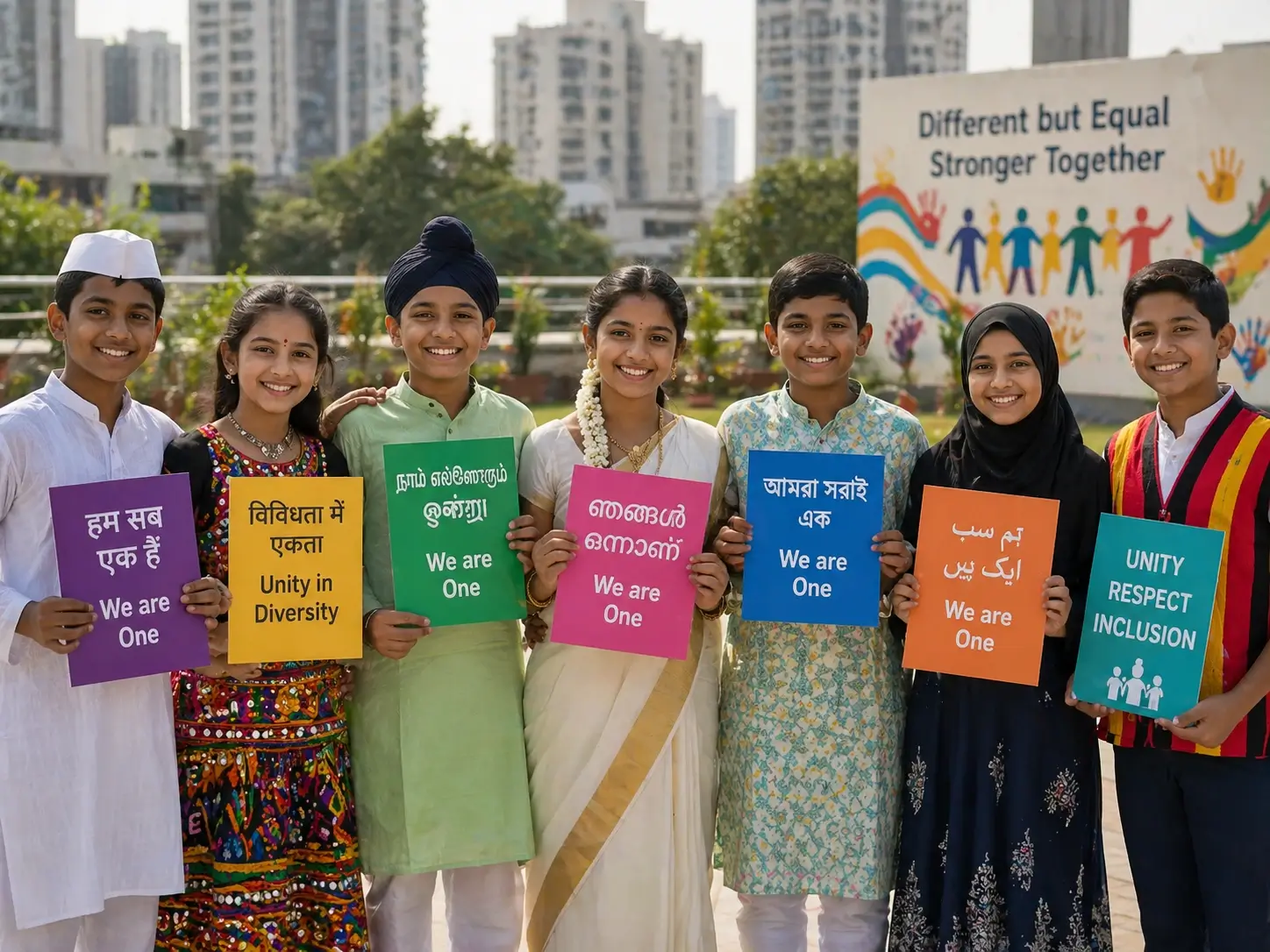
In India, language is deeply tied to identity and emotion. While promoting two Indian languages is a positive step, the choice of languages must remain flexible and context-specific.
Imposing a particular language can create resistance among students, parents, or states, and lead to feelings of cultural or linguistic domination. For the three-language policy to work, states and schools must have autonomy to select languages that reflect local needs, aspirations, and identities.
Depth vs Breadth: Are Students Really Learning?
A core concern is the balance between depth and breadth. Learning three languages at the same time may dilute the level of proficiency in each, especially if class time and exposure are limited.
True language learning requires consistent practice, real-life use, and meaningful listening, speaking, reading, and writing experiences. Without these, students may end up with only surface-level knowledge across all three languages. This calls for a shift from rote learning to communicative, interactive teaching methods in language classrooms.
Using Technology and CPD to Strengthen the Approach
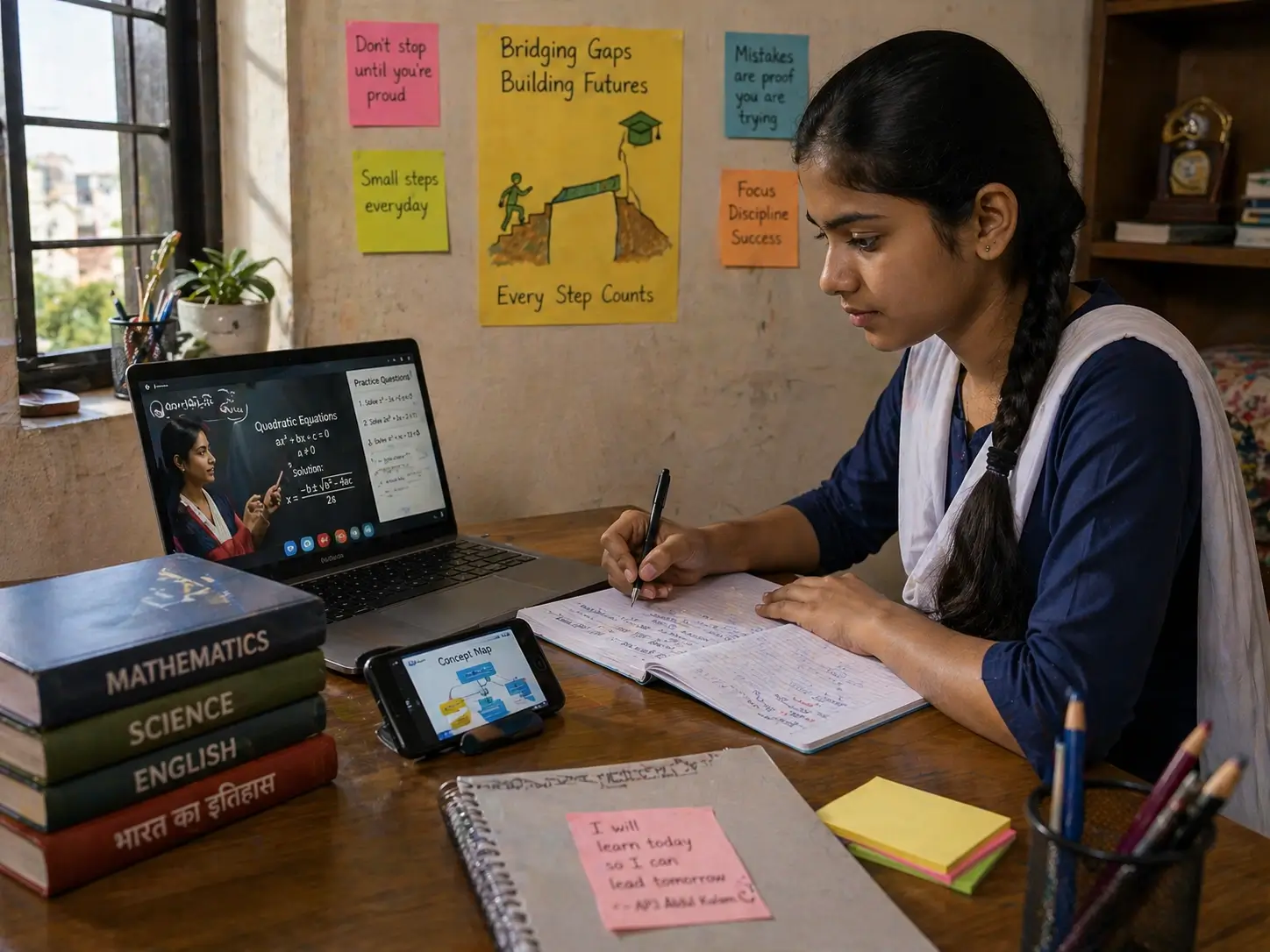
The challenges also open doors for innovation. Technology can help bridge some resource gaps by offering online platforms and language-learning apps, providing access to native speakers and authentic content, and supporting blended and self-paced learning, especially for foreign languages.
Equally important is teacher training and continuous professional development (CPD). Teachers need support in multilingual pedagogy, creative teaching, and designing inclusive activities. A well-prepared teacher can turn the three-language approach into a dynamic, student-centred experience.
Role of Parents and Communities
Parental involvement and community engagement can significantly improve outcomes. When families value multilingualism and encourage practice at home, students are more likely to develop confidence using different languages and see language learning as useful, not just exam-driven.
Cultural events, language clubs, and exchange programmes can provide real-life contexts for using languages, making school learning more authentic and enjoyable.
Towards a Balanced Three-Language Model
Ultimately, the success of the three-language approach in Indian schools depends on how it is implemented. A rigid, one-size-fits-all model will not work in a country as diverse as India.
Instead, the system needs flexibility in language choice, student-centric curriculum design, focus on communicative competence over content overload, and assessments that test real-life use, not memorized answers.