Many parents believe that supporting education means teaching difficult concepts or spending hours helping with homework. However, the truth is much simpler. Children do not need parents to become teachers; they need parents to become partners in learning.
In the Indian context, where academic competition is often intense and expectations from children are high, parental support can make a tremendous difference in a child’s confidence, motivation, and overall development.
Why Parental Involvement Matters
Research consistently shows that children perform better academically when parents are actively involved in their education. They tend to:
Develop better study habits.
Have higher self-esteem.
Show improved academic performance.
Display better behaviour in school.
Become more confident learners.
Develop stronger communication skills.
Most importantly, children feel valued when their parents take an interest in what they are learning.
Create a Positive Learning Environment
A child does not need an expensive study room to succeed. What they truly need is a peaceful and encouraging environment. Parents can create a positive learning atmosphere by setting aside a quiet place for studying, keeping necessary study materials organised, minimising distractions during study time, and maintaining a regular routine.
A simple study corner with proper lighting and minimal interruptions can significantly improve concentration.

Develop a Daily Routine
Children thrive on routine. Having fixed timings for waking up, meals, homework, play, and sleep helps them become disciplined and organised. A balanced routine should include school and homework time, physical activity, reading time, family interaction, and adequate sleep.
Parents should avoid overloading children with excessive tuition classes and activities. Rest and play are equally important for healthy learning.
Show Interest in Their Learning
One of the easiest ways to support children is by showing genuine interest in their school life. Ask questions such as:
"What did you learn today?"
"Which activity did you enjoy the most?"
"Did anything surprise you?"
"Is there something you found difficult?"
These conversations help children develop communication skills and encourage them to reflect on their learning.
Encourage Reading Habits
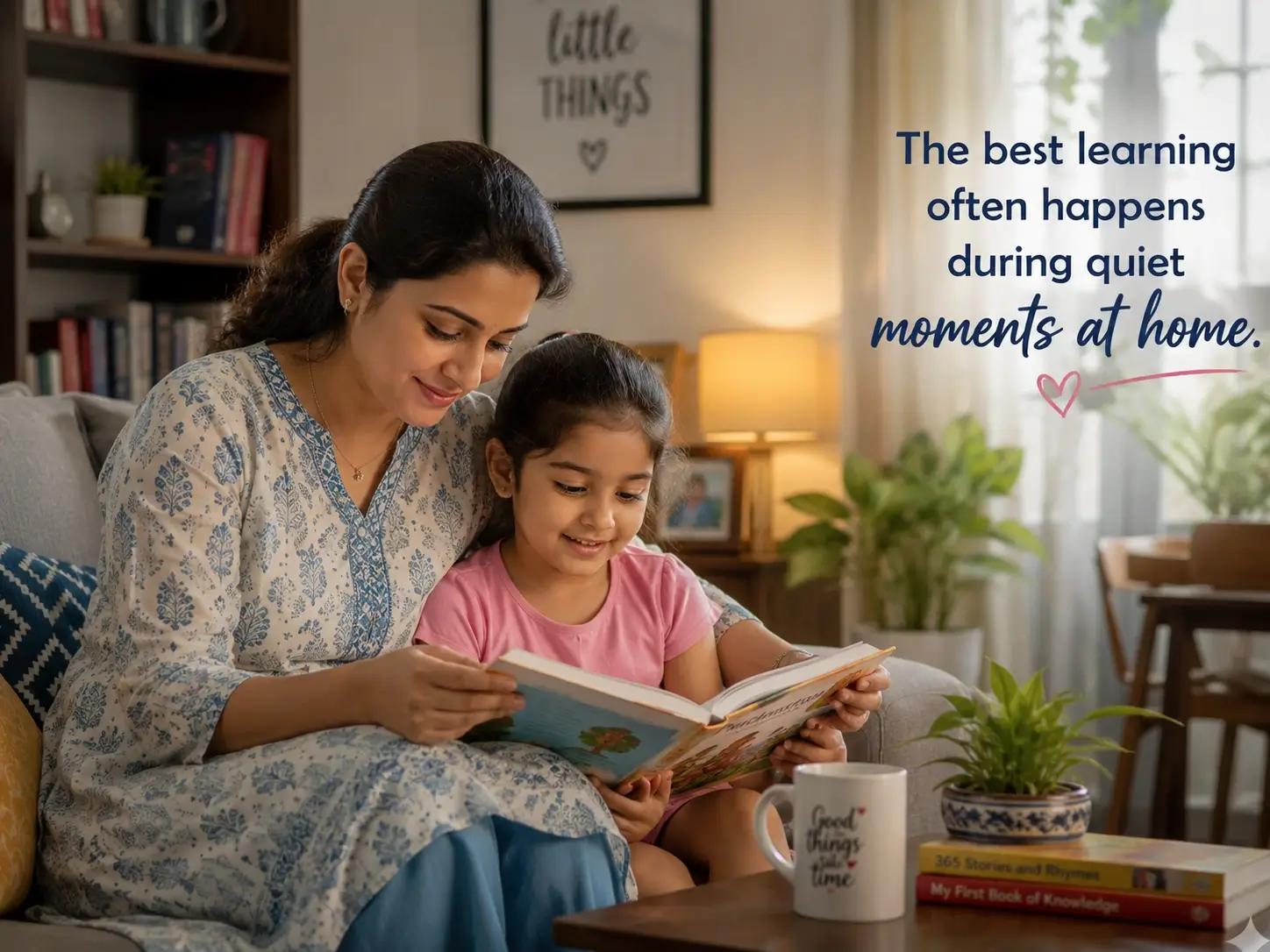
Reading is one of the greatest gifts parents can give their children. Children who read regularly often have stronger vocabulary, improve their comprehension skills, become better writers, and develop creativity and imagination.
Parents can encourage reading by keeping books at home, reading together as a family, visiting libraries and book fairs, and gifting books on special occasions. Even fifteen minutes of reading every day can make a significant difference.

Focus on Learning, Not Just Marks
In many Indian households, marks are often considered the ultimate measure of success. However, true education goes far beyond report cards. Parents should praise effort, improvement, curiosity, creativity, problem-solving skills, and hard work.
When children understand that learning matters more than marks, they become more confident and less fearful of making mistakes.
Encourage Questions
Children are naturally curious. They constantly ask questions about the world around them. Instead of saying, “Don’t ask so many questions,” try saying, “Let’s find out together.”
Questions help children think critically, develop reasoning skills, become independent learners, and build confidence. A home where questions are welcomed becomes a powerful learning environment.
Limit Distractions
Technology can be both a blessing and a challenge. Parents should establish healthy screen habits by limiting unnecessary screen time, monitoring online activities, encouraging educational content, and keeping devices away during study time. At the same time, technology can also be used positively through educational apps, documentaries, and online learning platforms.
Build Independence
Many parents unintentionally do too much for their children. Supporting education does not mean completing projects for them, doing homework on their behalf, or solving every problem immediately.
Instead, parents should encourage children to organise their school bags, complete assignments independently, manage their time, and find solutions to problems. Independence builds confidence and responsibility.
Stay Connected with Teachers
Parents and teachers are partners in a child’s education. Regular communication with teachers helps parents understand their child’s strengths, identify areas needing support, address concerns early, and work together for the child’s development. Attending parent-teacher meetings and maintaining open communication creates a strong support system for the child.
Encourage Learning Beyond Textbooks
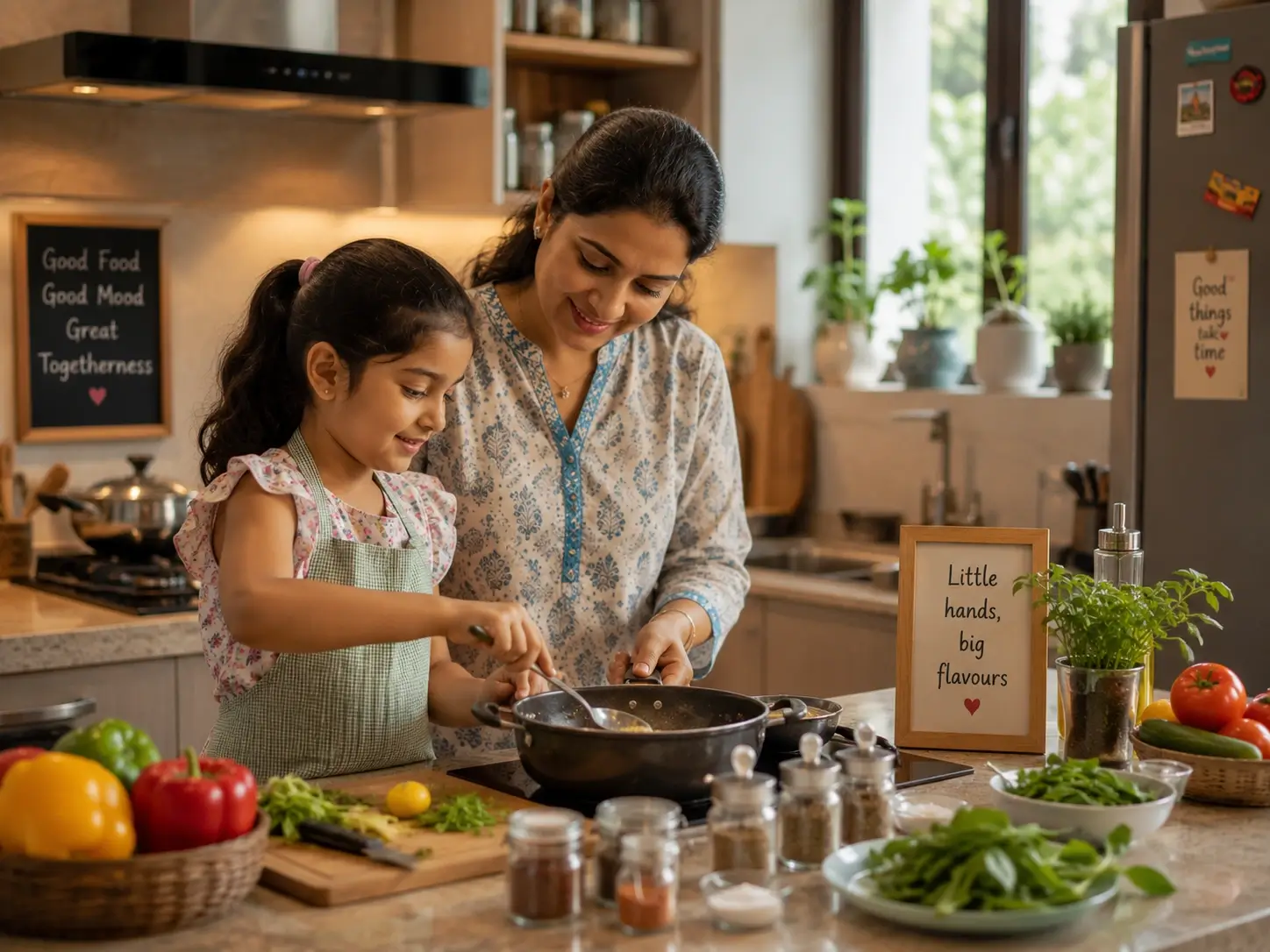
Education is not limited to academic subjects. Children learn valuable life skills through cooking, gardening, shopping, travelling, household responsibilities, and community activities. These experiences teach problem-solving, communication, responsibility, decision-making, and teamwork. Real-life experiences often become the most memorable lessons.
Be Emotionally Supportive
Children cannot learn effectively when they are stressed, anxious, or fearful. Parents should listen patiently, encourage open conversations, celebrate small achievements, offer reassurance during setbacks, and avoid constant comparisons with others. A child who feels emotionally secure is more likely to perform well academically.
Become a Role Model
Children learn more from what parents do than from what they say. If parents read books, stay curious, respect learning, discuss new ideas, and continue learning themselves, children naturally develop similar habits. Education becomes a family value rather than merely a school responsibility.
Final Thoughts
Every parent wants their child to succeed, but success is not built through pressure or perfection. It is built through encouragement, consistency, and connection. Parents do not need to know every subject or have all the answers. What children truly need is a supportive environment where they feel loved, heard, and motivated to learn.
When parents take small but meaningful steps to support education at home, they help their children become not only better students but also confident, responsible, and lifelong learners.