In today’s highly competitive world, academic success is often viewed as the most important goal of childhood. Parents want their children to excel in school, secure top grades, and build successful careers. As a result, many children find their schedules packed with schoolwork, tuition classes, homework, and test preparation. Unfortunately, in this race for academic achievement, one essential part of childhood is often sacrificed—playtime.
Many people mistakenly believe that play is a distraction from learning. In reality, play is one of the most powerful forms of learning. It contributes to a child’s physical, emotional, social, and intellectual development. Children are not machines designed solely for studying; they are growing individuals who need opportunities to explore, imagine, move, and interact with the world around them.
Play Is a Child’s Natural Way of Learning
Long before children enter formal classrooms, they learn through play. A toddler stacking blocks learns about balance and coordination. A child playing with friends learns sharing and cooperation. A game of hide-and-seek develops observation and problem-solving skills.
Play allows children to experiment, explore, and discover. It encourages curiosity, which is the foundation of lifelong learning. The famous educator Maria Montessori emphasized: “Play is the work of the child.” This simple statement highlights an important truth: children learn naturally when they play.
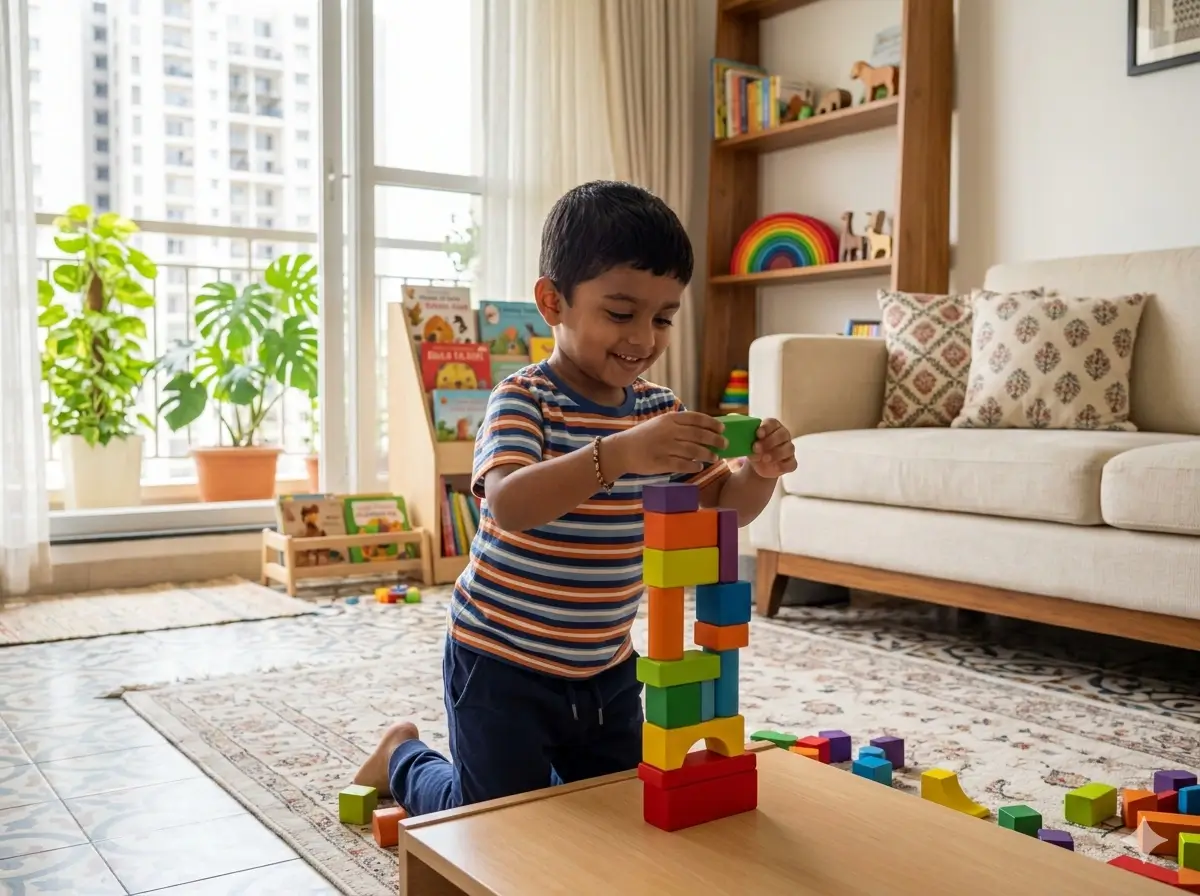
Physical Health Depends on Play
One of the most obvious benefits of playtime is physical fitness. Outdoor games, sports, running, cycling, and other physical activities help children develop strength, coordination, flexibility, and endurance.
At a time when childhood obesity is becoming a global concern, regular play is more important than ever. Physical activity improves cardiovascular health, strengthens muscles and bones, and promotes healthy growth. Children who spend most of their time sitting and studying may achieve good grades, but they may also face health problems such as poor posture, obesity, eye strain, and lack of physical fitness.
Play Enhances Brain Development
Contrary to popular belief, play does not reduce academic performance. In fact, it often improves it. Research has consistently shown that physical activity increases blood flow to the brain, enhances concentration, improves memory, and boosts cognitive functioning.
Children who engage in regular play often return to their studies feeling refreshed, focused, and motivated. Play also stimulates creativity and imagination. Whether children are building castles from blocks, inventing games, or pretending to be explorers, they are developing critical thinking and problem-solving skills.
As author George Bernard Shaw wisely noted: “We don’t stop playing because we grow old; we grow old because we stop playing.” Play keeps the mind active and adaptable throughout life.
Reducing Stress and Anxiety
Modern children face increasing academic pressure. Examinations, homework, competition, and expectations can sometimes lead to stress and anxiety. Play serves as a natural stress reliever. It allows children to relax, laugh, and express themselves freely.
During play, children temporarily forget their worries and enjoy the present moment. Physical activity also releases endorphins, often called “feel-good hormones,” which help improve mood and reduce stress. A child who enjoys regular playtime is often happier, more emotionally balanced, and better equipped to handle challenges.
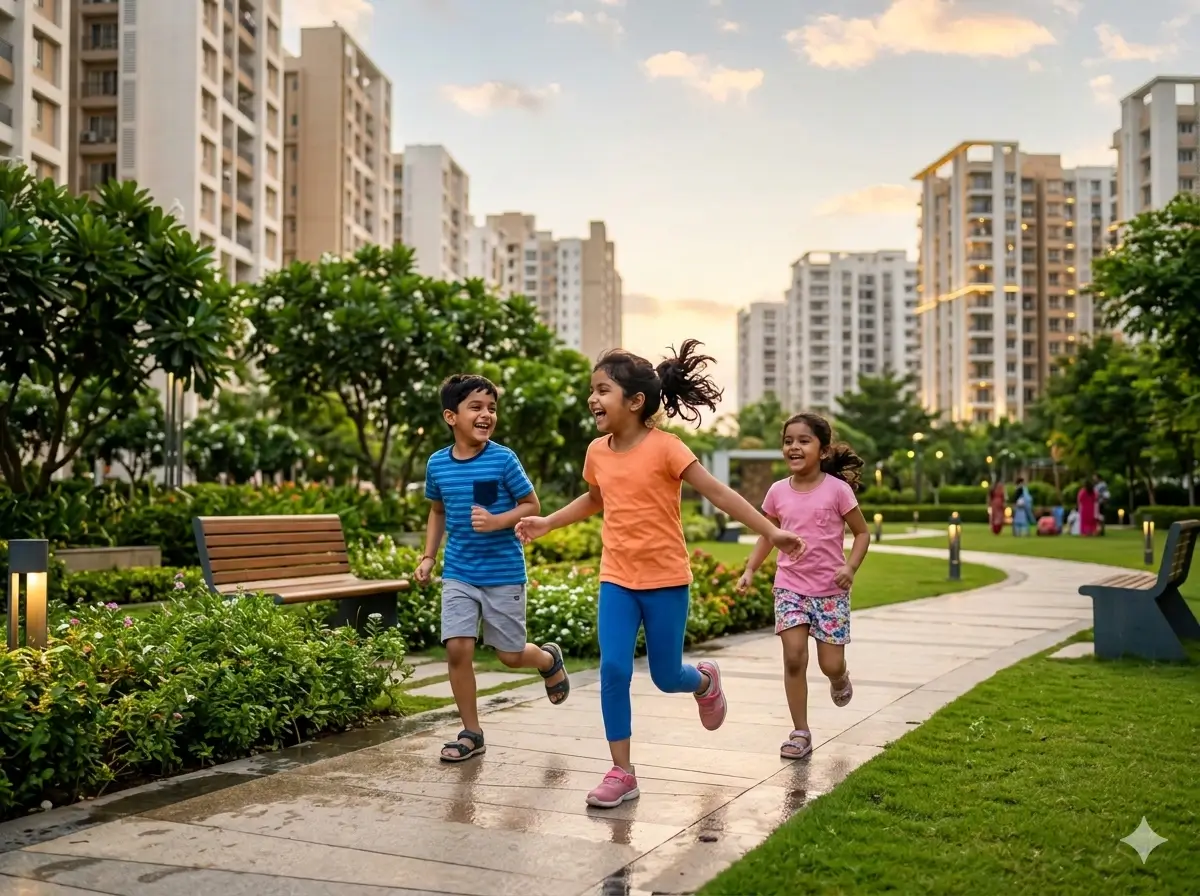
Building Social Skills
Play is one of the most effective ways for children to learn social interaction. When children participate in games and group activities, they learn valuable life skills.
Cooperation & Teamwork
Learning to share responsibilities and work towards a common goal.
Communication
Expressing ideas clearly and listening to peers during activities.
Empathy & Respect
Understanding rules, resolving conflicts, and appreciating different perspectives.
Through play, children understand how to win gracefully and lose respectfully. These social skills are essential not only for school life but also for future success in workplaces and communities.
Encouraging Creativity and Innovation
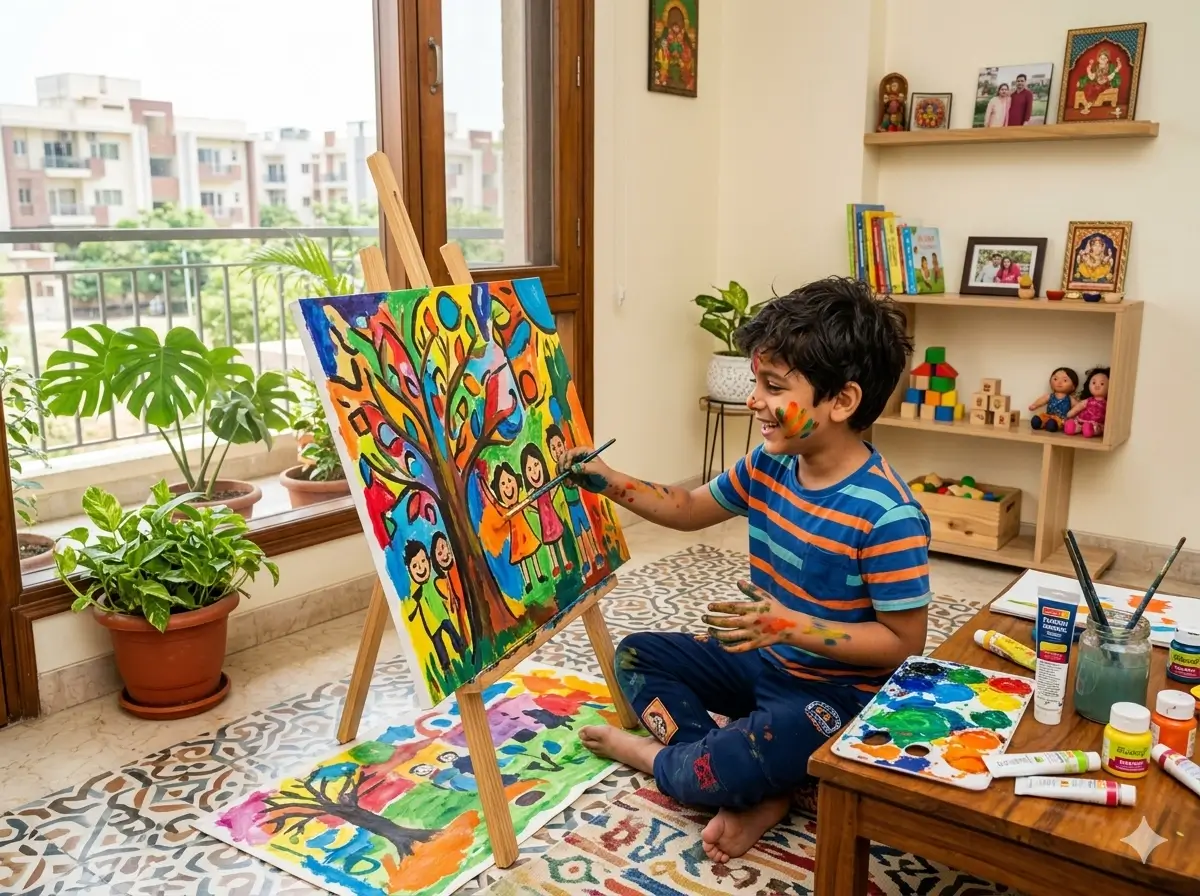
Many of the world’s greatest innovators, artists, and scientists developed their creativity through exploration and imaginative play. Free play allows children to think independently, invent stories, create solutions, and experiment with ideas.
Unlike structured academic activities, play often has no fixed outcome, encouraging children to use their imagination freely. The ability to think creatively is becoming increasingly valuable in a rapidly changing world where innovation drives progress.
Sir Ken Robinson famously said: “Creativity is as important in education as literacy.” Play provides one of the best environments for creativity to flourish.
Developing Emotional Resilience
Life is filled with successes and setbacks. Through play, children experience both. A child may lose a game, make mistakes, or face challenges while playing. These experiences teach resilience, patience, and perseverance.
Children learn that failure is not the end but an opportunity to improve and try again. Emotional resilience developed through play helps children cope with academic challenges, personal disappointments, and future life difficulties. These lessons cannot be learned effectively through textbooks alone.
Better Focus and Academic Performance
Many parents believe that more study hours automatically lead to better results. However, continuous studying without breaks often leads to mental fatigue and reduced productivity. Play provides the brain with necessary periods of rest and rejuvenation.
After physical activity and recreation, children often return to their studies with renewed energy and concentration. Several successful education systems around the world incorporate regular recess and play periods because they recognize the connection between movement and learning.
The Danger of Overscheduling Childhood
In many urban areas, children’s schedules are filled from morning to evening with school, coaching classes, assignments, and extracurricular activities. While these opportunities can be valuable, excessive scheduling can leave little room for free play.
When every moment is structured, children lose opportunities to make independent decisions, explore interests, and simply enjoy being children. Childhood is a unique stage of life that should not be rushed. As educator Fred Rogers beautifully said: “Play gives children a chance to practice what they are learning.” Removing play from childhood means removing one of its most valuable learning tools.
The Role of Parents and Schools
Both parents and schools have a responsibility to protect children’s playtime. Parents should recognize that play is not a reward for completing studies—it is a necessity. Encouraging outdoor activities, sports, hobbies, and free play helps create a balanced lifestyle.
Schools should also provide adequate recess, sports programs, and opportunities for recreational activities. Education should focus on developing the whole child rather than merely improving examination scores. A balanced child is more likely to become a balanced adult.
Building a Brighter Future Through Play
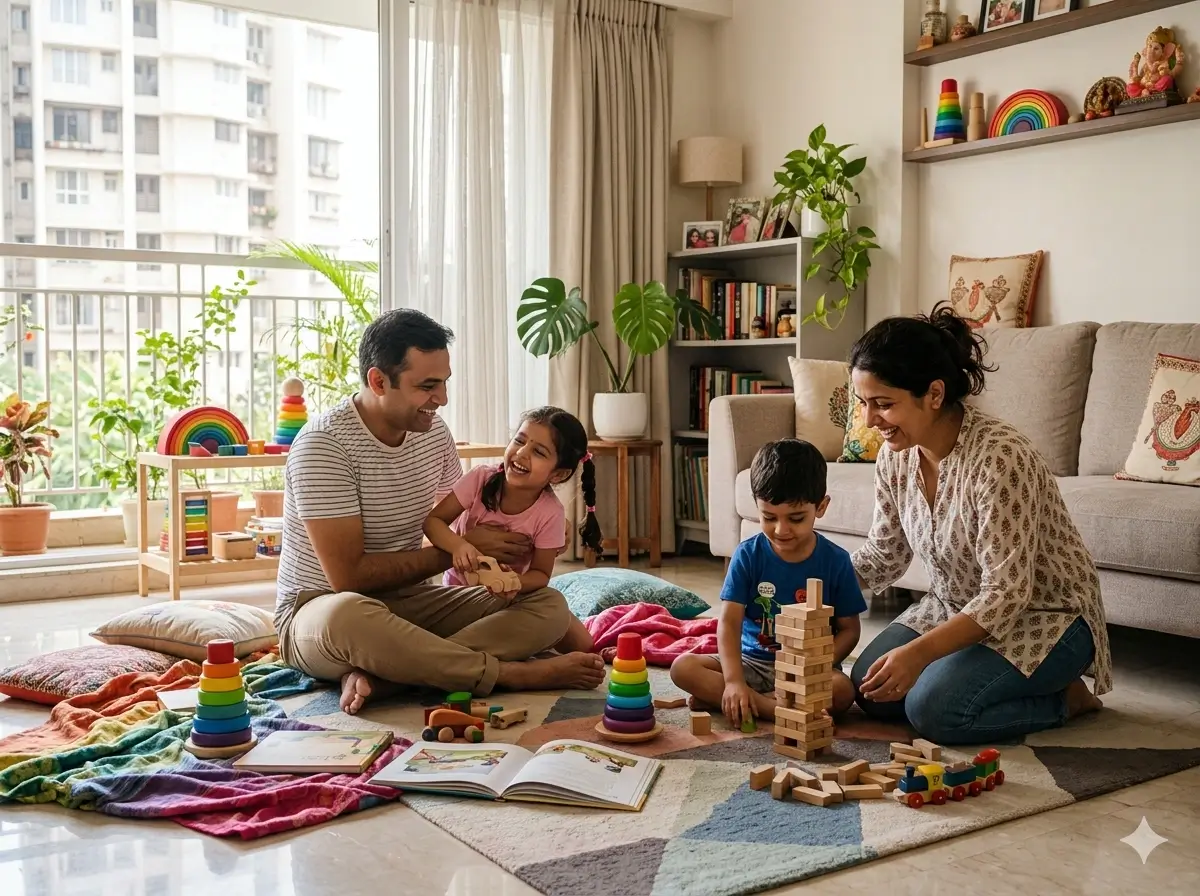
Playtime should never be sacrificed in the name of academic achievement because it is an essential part of learning itself. Through play, children develop physical fitness, emotional resilience, creativity, social skills, confidence, and intellectual abilities. Far from being a distraction, play complements and strengthens academic learning.