What Mobile Addiction Means
Mobile addiction refers to excessive and compulsive use of smartphones that interferes with daily activities, relationships, studies, and overall well-being. A child who becomes anxious when separated from a phone, loses interest in other activities, neglects studies, or spends several hours daily on the device may be showing signs of problematic mobile use.
The COVID-19 pandemic accelerated this trend dramatically. During school closures, smartphones and tablets became essential tools for education. Online classes, digital assignments, and virtual interactions increased children’s screen time significantly. While schools have returned to offline learning, many children have continued the habit of spending long hours on their devices.
Impact on Academic Performance
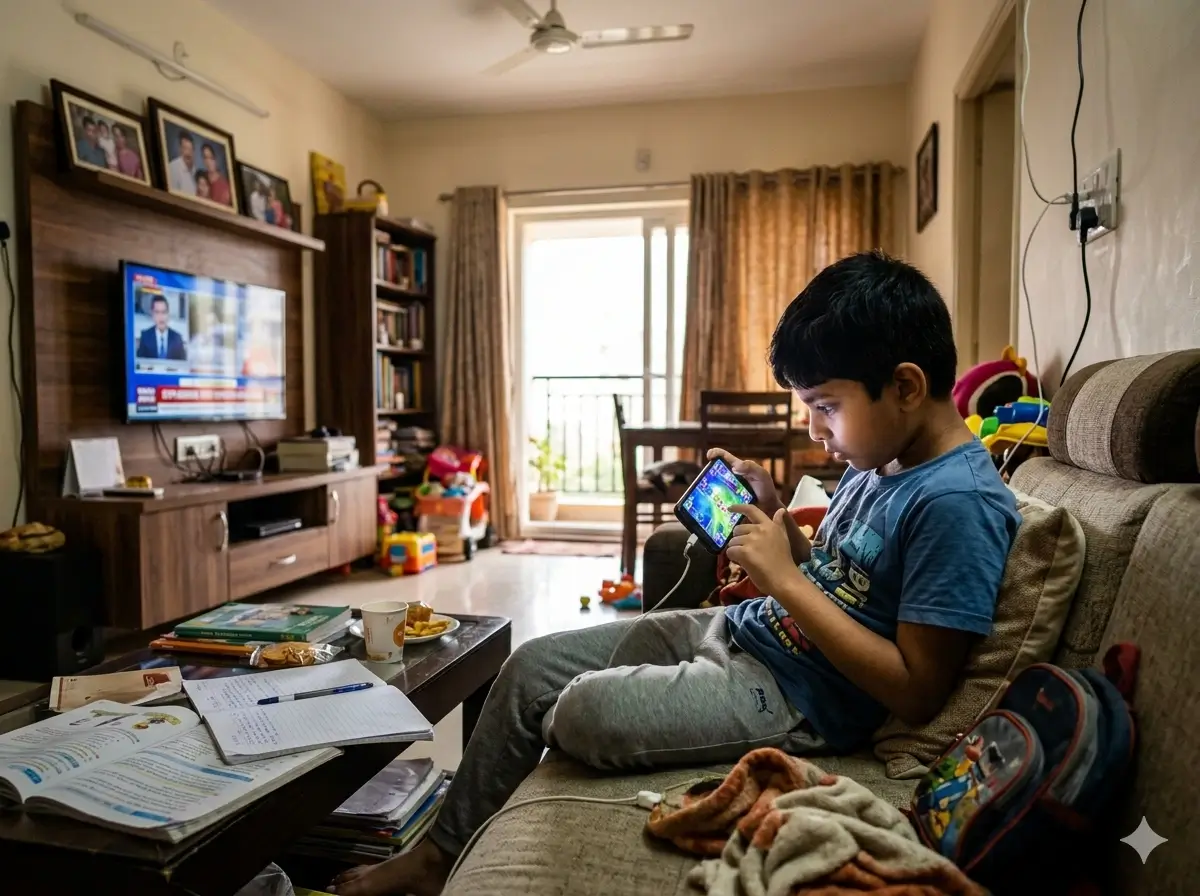
One of the most visible effects of excessive mobile use is its impact on academic performance. Smartphones are designed to capture attention. Notifications, videos, games, and social media platforms constantly compete for a child’s focus.
As a result, many students find it difficult to concentrate on studies for extended periods. Teachers frequently report reduced attention spans, poor classroom participation, and declining reading habits among students who spend excessive time on screens.
Physical Health Concerns
Another major concern is the effect on physical health. Long hours spent staring at screens can lead to eye strain, headaches, neck pain, and poor posture. Many children spend less time engaging in outdoor activities, resulting in reduced physical fitness.
India is already witnessing a rise in childhood obesity, and excessive screen time is one of the contributing factors. Instead of running, cycling, or playing sports, many children now spend their free time scrolling through digital content.

Sleep Problems and Night-Time Use
Sleep is another casualty of mobile addiction. Many students use smartphones late into the night, often under their blankets after parents believe they have gone to sleep.
The blue light emitted by screens can interfere with the production of melatonin, a hormone that regulates sleep. Poor sleep affects memory, concentration, mood, and overall academic performance. A child who sleeps late due to screen use often struggles to remain attentive in school the next day.
Psychological Effects
The psychological effects of mobile addiction are equally worrying. Excessive smartphone use has been linked to increased levels of stress, anxiety, loneliness, and irritability among children and adolescents.
Constant exposure to social media can create unrealistic expectations about appearance, lifestyle, and success. Many children begin comparing themselves with carefully curated online images, which may negatively affect their self-esteem and confidence.
Short-form video platforms and gaming applications deserve special attention. These platforms are designed to provide instant gratification and continuous stimulation. Every swipe brings new content, making it difficult for children to stop. The brain becomes accustomed to constant rewards and entertainment, reducing a child’s ability to engage in activities that require patience, effort, and sustained attention, such as reading, studying, or creative play.
Social Development and Relationships
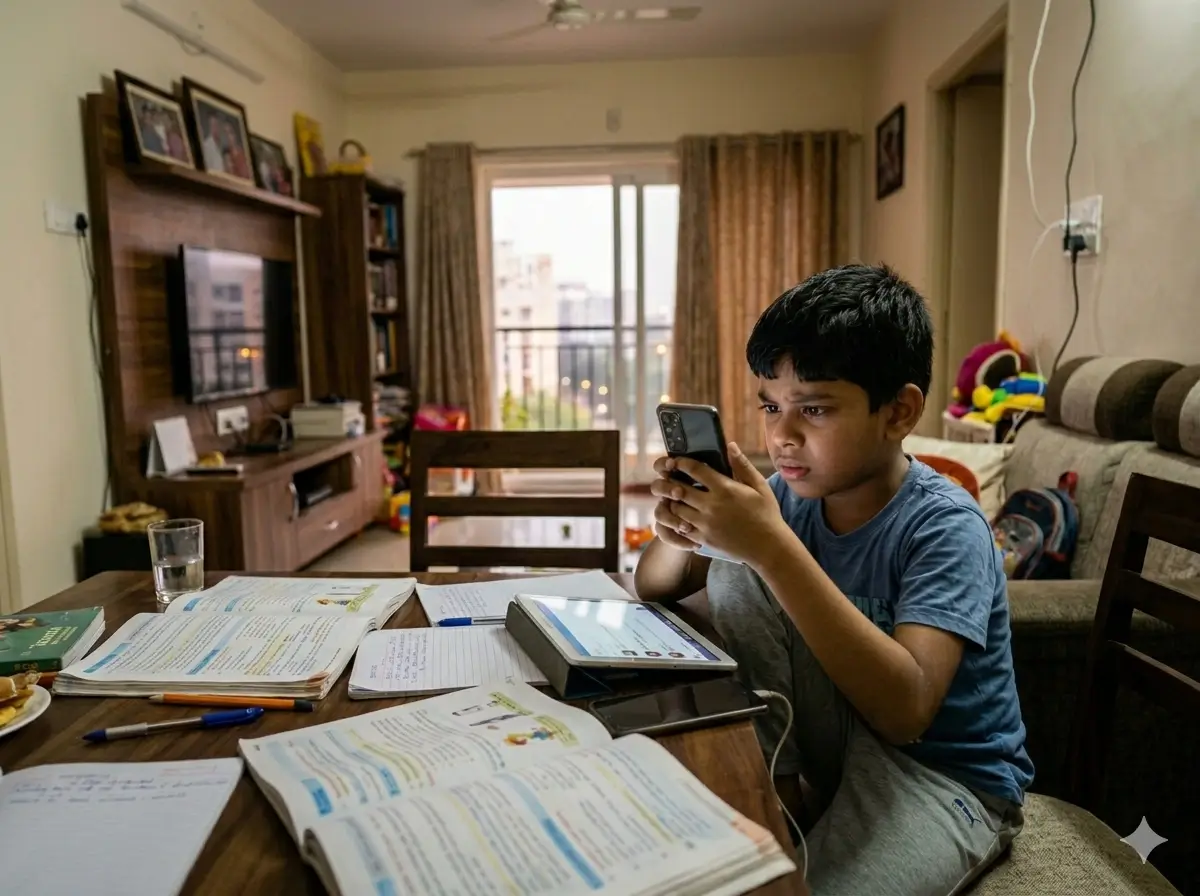
Mobile addiction also affects social development. Childhood is a time when children learn important interpersonal skills such as communication, empathy, cooperation, and conflict resolution.
Excessive screen use can reduce opportunities for face-to-face interactions with family members and peers. Ironically, despite being more digitally connected than ever before, many children report feeling socially isolated.
What Parents Face
Parents often find themselves in a difficult situation. On one hand, smartphones are useful educational tools. On the other hand, restricting their use can lead to resistance, arguments, and emotional outbursts.
However, experts emphasize that the goal should not be to eliminate technology entirely but to ensure balanced and responsible use. The first step is for parents to examine their own screen habits. Children learn more from what they observe than from what they are told. A parent who constantly checks their phone may find it difficult to convince a child to limit screen time. Families should therefore strive to create a healthy digital culture at home.
Building Healthy Screen Habits
Establishing clear rules regarding screen use can be highly effective. For example, families can designate screen-free times during meals, family conversations, and before bedtime. Mobile phones should ideally remain outside bedrooms at night.
Parents can also encourage children to participate in sports, music, art, reading, gardening, and other offline activities that provide enjoyment and fulfillment.

The Role of Schools
Schools too have an important role to play. Digital literacy programs can help students understand the benefits and risks associated with technology. Children should be taught how apps and platforms are designed to keep users engaged and how excessive screen use can affect their health and productivity. Awareness is often the first step toward healthier habits.
Rather than focusing solely on restrictions, parents and educators should encourage meaningful use of technology. Smartphones can be used for learning new skills, exploring educational content, reading books, and accessing valuable information. The challenge lies in helping children become conscious users rather than passive consumers of digital entertainment.
A Societal Challenge
The issue of mobile addiction among school children is not merely a parenting challenge; it is a societal challenge. As technology becomes increasingly integrated into everyday life, the need for digital balance becomes even more important. Smartphones are powerful tools, but like any tool, they must be used wisely.
The solution does not lie in banning technology but in teaching children self-regulation, discipline, and healthy habits. Children need opportunities to experience the joy of real-world interactions, outdoor play, creative pursuits, and meaningful relationships. They need moments of boredom that spark imagination and opportunities to develop skills that cannot be learned through a screen.