The idea has generated considerable debate among educators, parents, students, and policymakers. Supporters believe it can reduce examination pressure and provide greater flexibility, while critics worry about increased academic burden and logistical challenges.
So, is the two-times-a-year Class 10 board examination a welcome step? The answer lies in understanding both its potential advantages and possible drawbacks.
The Traditional Board Examination System
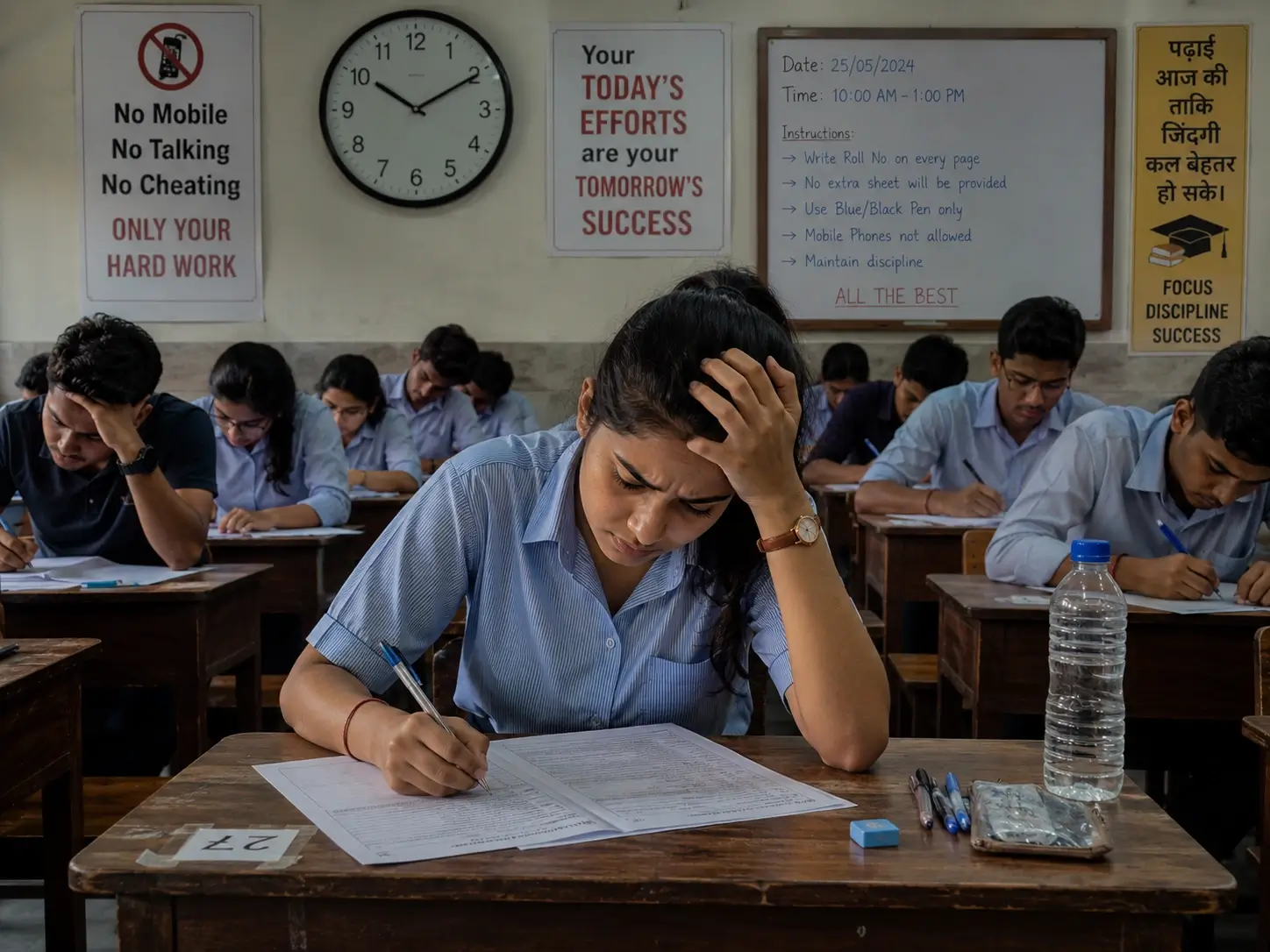
For decades, board examinations have been viewed as one of the most important milestones in a student's academic journey. A single examination often determines academic performance for an entire year.
This system creates enormous pressure. Students spend months preparing for one set of examinations, knowing that illness, anxiety, family emergencies, or even a bad day can affect their performance significantly. The fear of making mistakes in a one-time examination environment has often contributed to stress and anxiety among students and parents alike. The proposal for multiple opportunities seeks to address these concerns.
Reducing Exam-Related Stress
One of the strongest arguments in favor of conducting board examinations twice a year is the reduction of stress.
Many students experience intense anxiety because they believe their entire future depends on a single examination. The pressure to perform perfectly can negatively affect both mental health and academic performance. When students know they have another opportunity to improve their score, the fear of failure decreases.
Instead of viewing the examination as a one-time, make-or-break event, they can approach it with greater confidence and composure. A calmer student is often better able to demonstrate their actual knowledge and abilities.
Encouraging a Growth Mindset
The traditional examination system sometimes promotes a fixed mindset, where students feel that one result defines their capabilities.
A two-exam system encourages a growth mindset. Students who are dissatisfied with their first performance can identify weaknesses, work on them, and attempt the examination again. This approach sends an important message: learning is a continuous process, and improvement is always possible. Such a mindset is valuable not only in academics but throughout life.
Benefiting Students Facing Unexpected Challenges
Life is unpredictable. A student may fall ill during examinations, experience emotional distress, or face family circumstances that affect preparation.
Under a single-exam system, such situations can have long-lasting consequences. Multiple opportunities provide a safety net for students who encounter unforeseen difficulties. Instead of losing an entire academic year or settling for lower scores due to circumstances beyond their control, students get another chance to perform according to their true potential.

Aligning Assessment with Modern Educational Philosophy
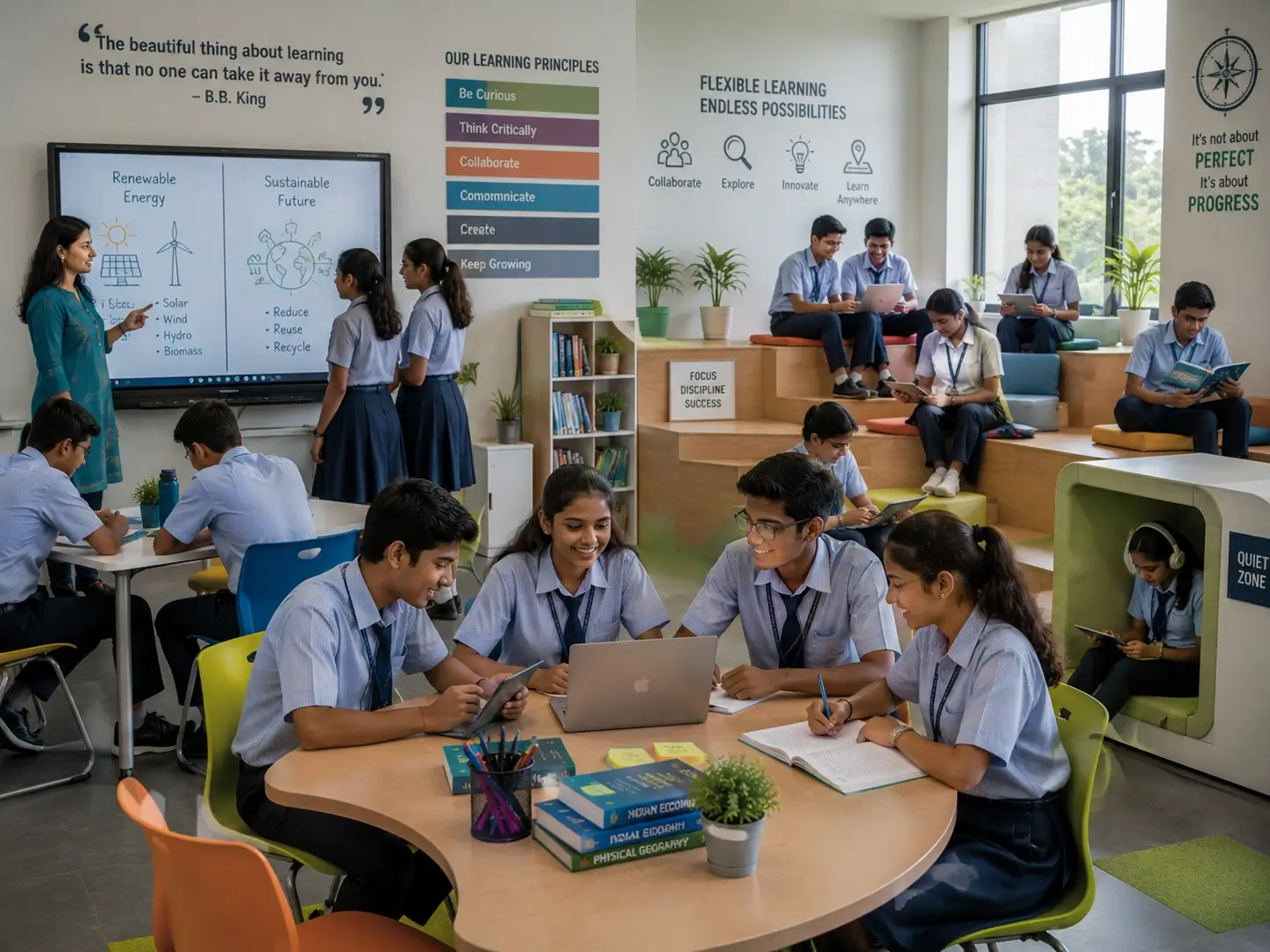
Modern education increasingly emphasizes learning, understanding, and skill development rather than rote memorization.
A system that offers multiple opportunities aligns with this philosophy. Students can focus on mastering concepts rather than simply preparing for one high-stakes examination. The reform also reflects assessment practices used in many international education systems, where students often have opportunities to improve scores through retests, coursework, or modular examinations.
Increased Flexibility for Students
Every student learns differently. Some grasp concepts quickly, while others require more time and practice.
The option to appear for a second examination allows students to progress at a pace that suits their learning needs. It recognizes that academic growth does not occur uniformly for everyone. Flexibility is particularly important in today's educational environment, where diverse learning styles and individual circumstances must be accommodated.
Potential Improvement in Academic Performance
When students know they have a second opportunity, they may approach preparation more strategically.
The first examination can serve as a learning experience. Students gain familiarity with question patterns, time management, and examination conditions. They can then use this experience to improve their performance in the second attempt. As a result, overall academic outcomes may improve for many students.
Concerns About Increased Academic Pressure
Despite its advantages, the proposal is not without criticism.
Some educators argue that two board examinations could actually increase pressure rather than reduce it. Instead of preparing for one examination cycle, students may feel compelled to prepare continuously throughout the year. Parents and coaching institutes might encourage students to appear for both examinations regardless of their initial performance, potentially extending academic stress over a longer period.
The success of the reform will depend on how it is implemented and communicated.
Impact on Schools and Teachers
Conducting board examinations twice a year requires significant planning and resources.
Schools may need to adjust academic calendars, teaching schedules, and assessment practices. Teachers could face additional responsibilities related to examination preparation, evaluation, and student support. Educational authorities must ensure that the reform does not place excessive administrative burdens on schools and educators. Adequate planning and infrastructure will be essential for smooth implementation.
The Role of Coaching Culture
India's examination culture is heavily influenced by private coaching and test preparation industries.
Some critics worry that multiple examination opportunities may encourage even more coaching and intensive preparation, particularly among students seeking marginal score improvements. If this happens, the intended goal of reducing stress could be undermined.
Therefore, educational reforms must be accompanied by efforts to promote conceptual learning rather than excessive test-oriented preparation.
What Students and Parents Need to Understand
The success of a twice-a-year board examination system depends largely on mindset.
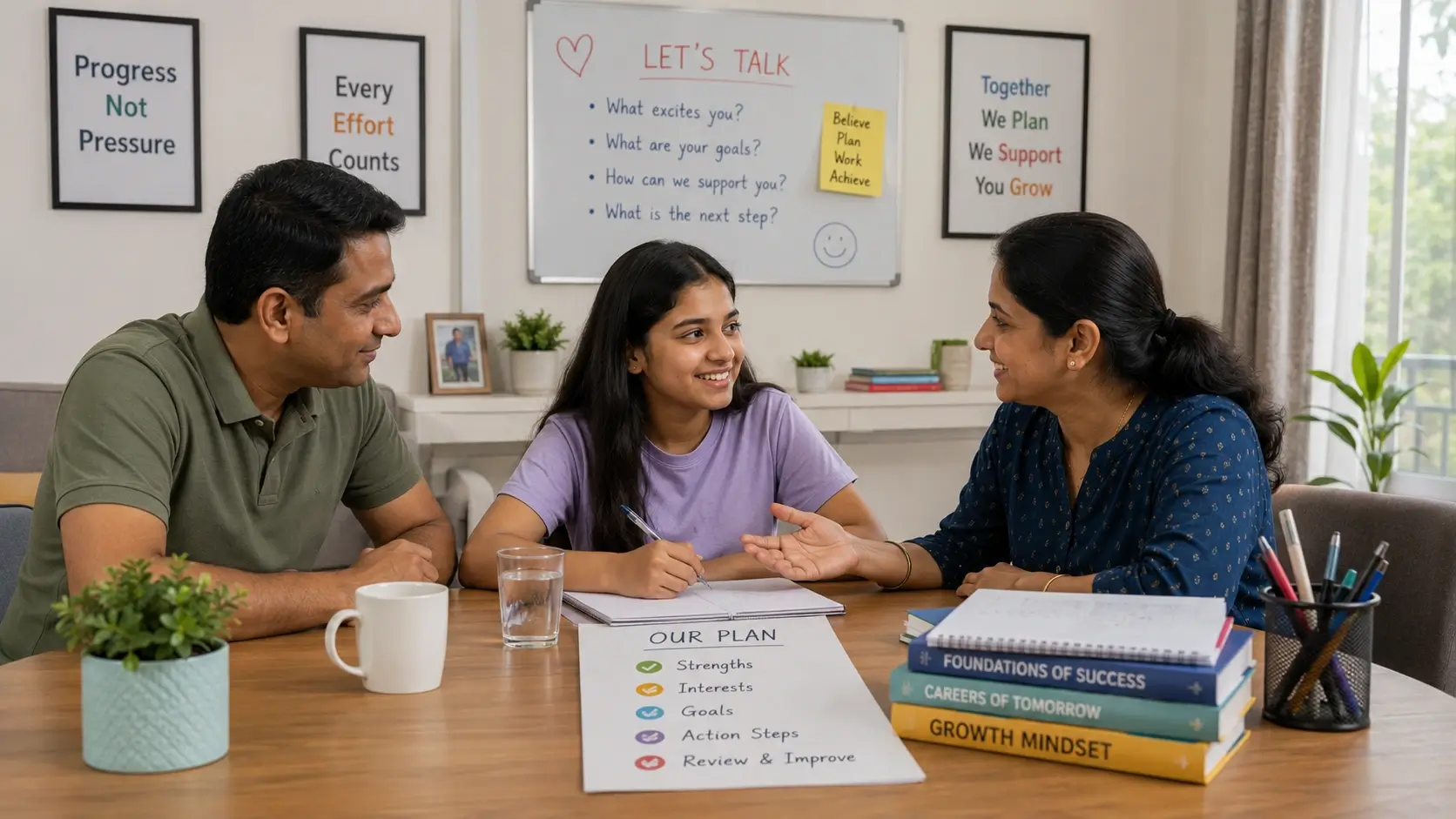
Students should view the second examination as an opportunity rather than an obligation. If they perform well in the first attempt, they should not feel pressured to reappear solely for a few additional marks. Similarly, parents should focus on learning and well-being rather than encouraging unnecessary competition.
The reform will achieve its purpose only if it supports learning instead of intensifying academic rivalry.
A Step Toward Student-Centric Education
At its core, the proposal reflects a broader shift toward student-centric education.
For many years, educational systems have been criticized for placing excessive emphasis on one-time examinations. Providing students with multiple opportunities recognizes that learning is complex and that academic performance can be influenced by numerous factors. The reform acknowledges that students deserve flexibility, fairness, and opportunities for improvement.
A Meaningful Educational Shift
The proposal to conduct Class 10 board examinations twice a year is, in many ways, a welcome and progressive step. It has the potential to reduce exam anxiety, provide greater flexibility, encourage continuous improvement, and create a more student-friendly assessment system.
However, its success will depend on thoughtful implementation. Educational authorities, schools, teachers, parents, and students must work together to ensure that the reform promotes learning rather than increasing competition and pressure.