In today’s fast-paced and competitive environment, a productive summer vacation for students does not mean extra classes or more pressure. Instead, it means creating enriching experiences that build curiosity, independence, and real-world skills. In the Indian context, where education is often exam-oriented, summer can become a refreshing time to learn beyond textbooks.
Reading Habits and Summer Learning for Students in India
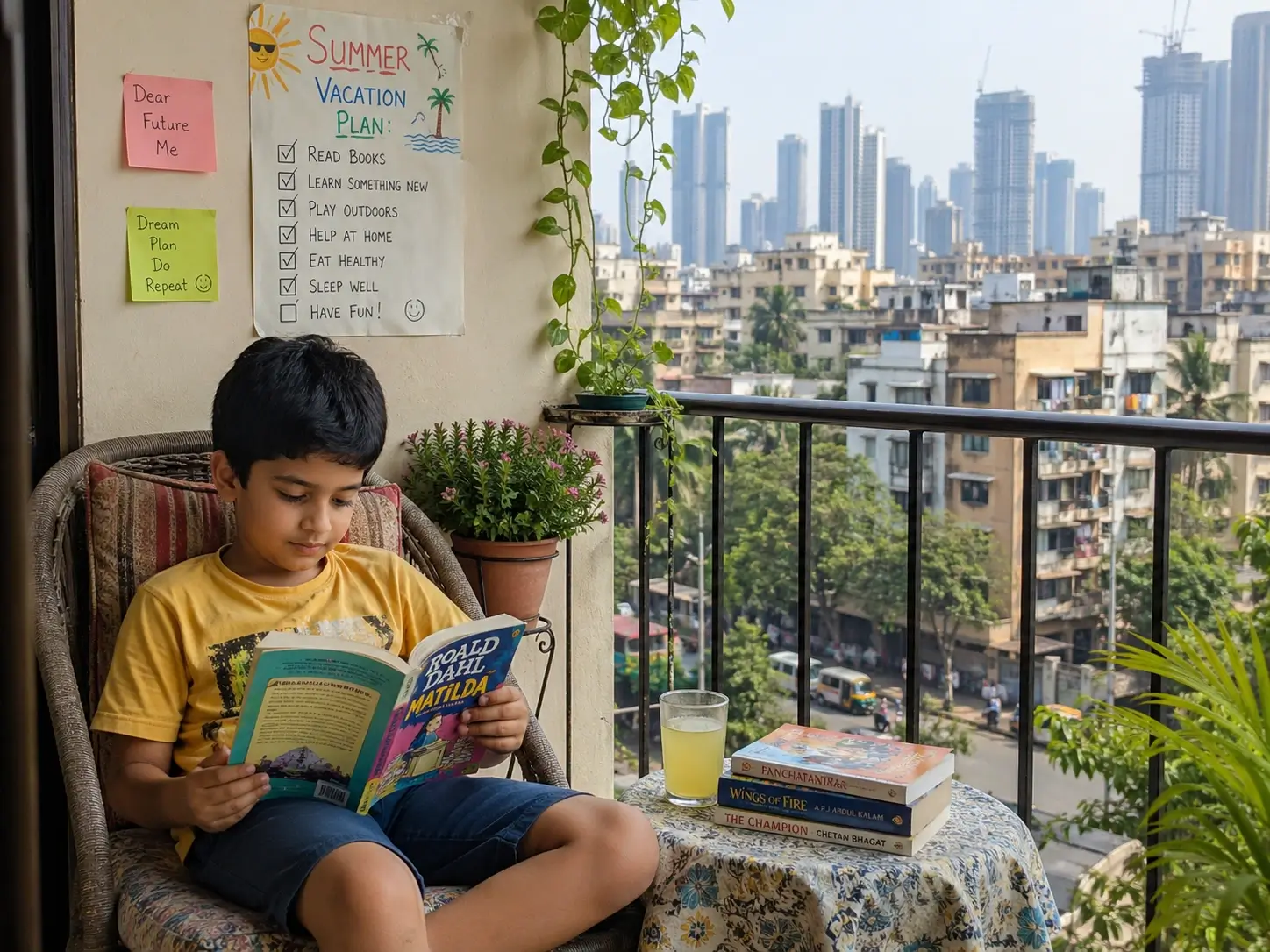
One of the most effective ways to use summer vacations is by encouraging reading habits. Students can be introduced to age-appropriate books such as fiction, biographies, mythology, or science-based stories. Physical libraries and digital libraries both provide access to a wide variety of resources.
Reading improves vocabulary and comprehension while also stimulating imagination and critical thinking. Parents and teachers can make this even more engaging through small reading challenges or book discussions.
Skill Development Through Hobbies and Creative Activities
Summer is the perfect time for students to explore hobbies and talents that may get sidelined during the academic year. Activities such as painting, music, dance, theatre, creative writing, and photography can help children discover their interests and strengths.
In India, where cultural diversity is rich, learning traditional art forms like Madhubani painting, classical dance, or regional music can also build cultural pride and identity. These activities make summer vacation skill development both enjoyable and meaningful.
Visual Arts
Painting, sketching, and traditional crafts.
Performing Arts
Music, dance, and theatrical expression.
Writing & Media
Creative writing, journaling, and photography.
Digital Literacy and Productive Screen Time for Students
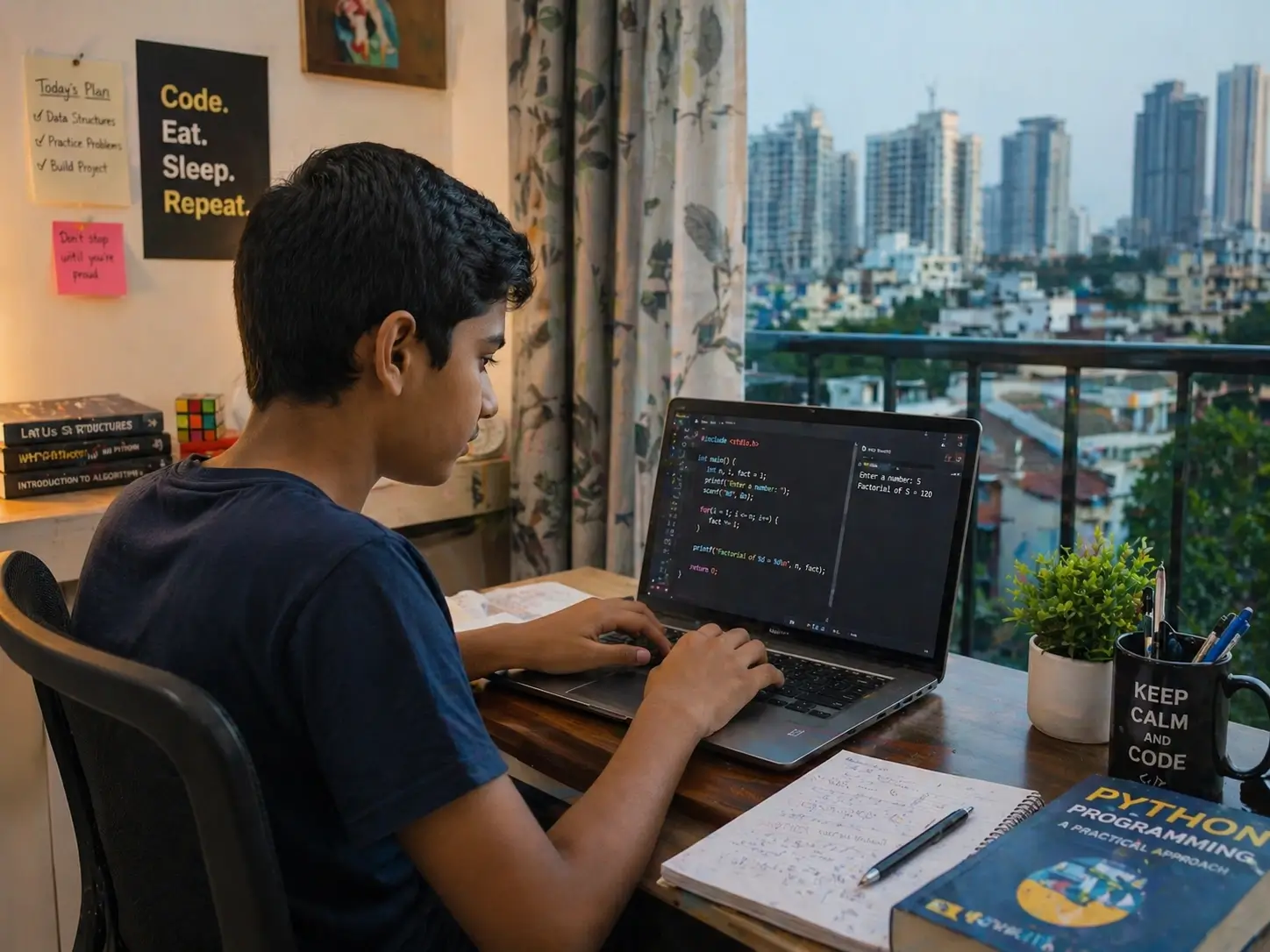
Digital literacy has become increasingly important. Instead of spending excessive time on passive screen consumption, students can be guided to use technology constructively. They may learn basic coding, graphic design, video editing, or even start a simple blog or YouTube channel under supervision.
Many online platforms offer beginner-friendly courses that make learning interactive and fun. At the same time, it is important to keep screen time balanced and monitored. In this way, digital learning for school students becomes a growth opportunity rather than a distraction.
Physical Health and Active Summer Vacations for Children
Physical well-being is another important part of a productive summer. Since the heat limits outdoor activity in many parts of India, children may become sedentary. Encouraging indoor exercises like yoga, stretching, or dance workouts can help maintain fitness.
Early morning or evening outdoor play such as cycling, cricket, or badminton can also be helpful. Physical activity improves health, lifts mood, and supports concentration.
Life Skills for Students Through Home Activities
Summer vacations are also a good time to teach life skills. Involving children in simple household chores—such as cooking, gardening, organizing their room, or handling small responsibilities—can encourage independence and responsibility.
- Learning basic cooking skills can be practical and enjoyable.
- Gardening teaches patience and respect for nature, which is especially relevant in today’s environmentally challenged world.
- Everyday activities build habits that support lifelong growth.
Travel, Exploration, and Educational Summer Experiences in India
When possible, travel can be one of the most enriching experiences for students. Exploring different parts of India—its history, geography, culture, and cuisine—provides learning that no classroom can fully replicate.
Visits to historical monuments, museums, wildlife sanctuaries, or rural areas can broaden a child’s perspective. Even local outings within the city can be educational if done thoughtfully.
Community Engagement and Social Responsibility During Summer Break
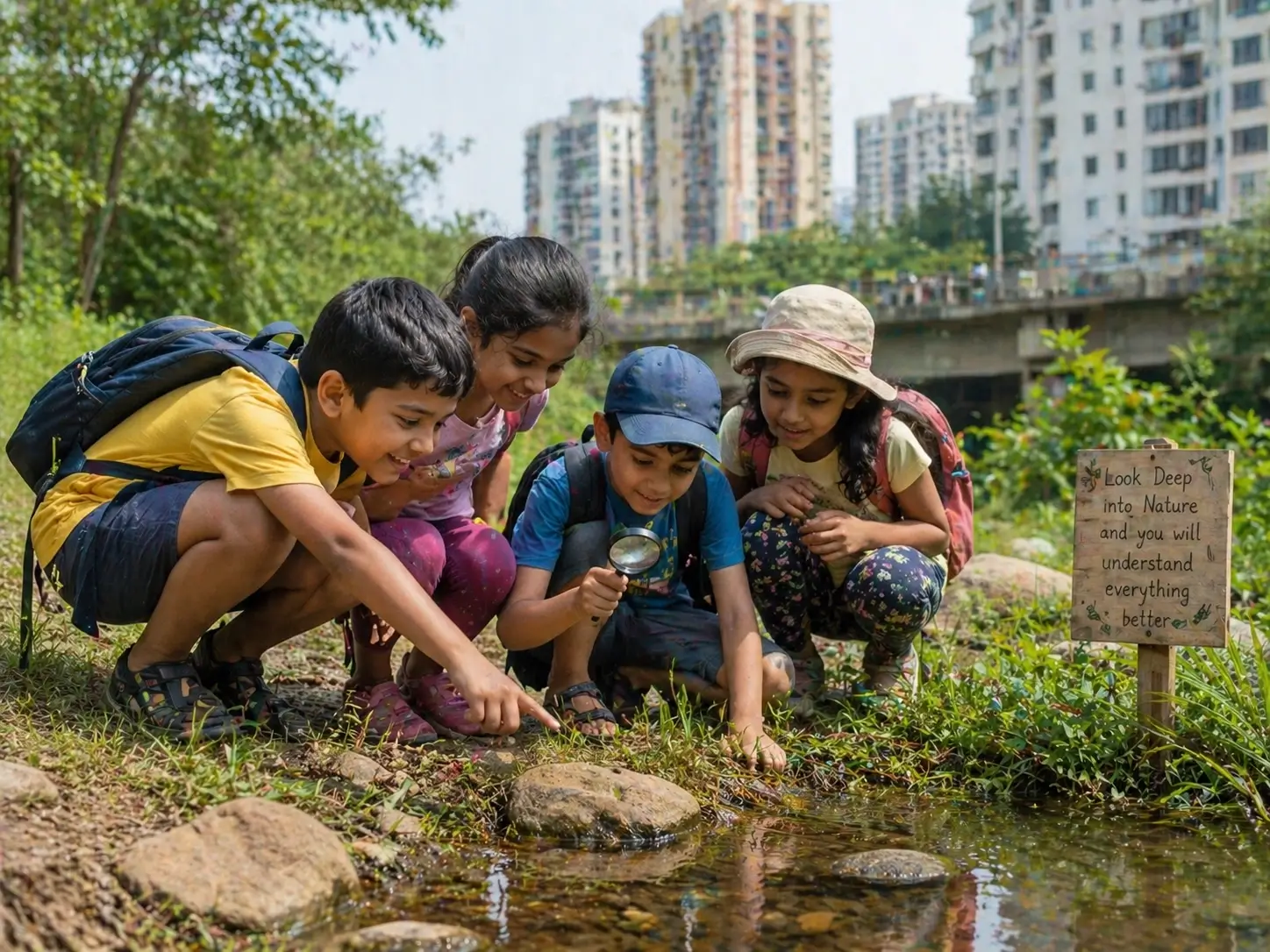
Another meaningful way to use summer vacations is through community engagement. Students can take part in social work such as volunteering at NGOs, helping underprivileged children, or contributing to cleanliness drives.
These experiences help develop empathy, social awareness, and a sense of responsibility toward society. In a diverse country like India, such exposure is invaluable for shaping well-rounded individuals.
Academic Continuity Without Pressure
It is also important to maintain some academic continuity, but in a relaxed and pressure-free way. Light revision of previous concepts, especially in mathematics and languages, can prevent learning gaps.
However, this should be done creatively through puzzles, games, storytelling, or practical applications rather than rote learning. Parents should avoid turning vacations into an extension of school.
The Role of Parents and Educators
Parents and educators play an important role in guiding children without creating unrealistic expectations. Every child is unique, and productivity should not be measured only by achievements or visible outcomes.
Encouraging curiosity, giving children freedom to explore, and supporting their interests can build confidence and self-motivation. A thoughtful approach to summer vacation planning for students helps children enjoy both structure and freedom.
Mental Well-Being and Family Connection
Mental well-being should not be overlooked during the summer break. Vacations give children time to unwind, spend time with family, and simply be themselves. Open conversations, storytelling sessions, and family time can strengthen emotional bonds.
In nuclear families, where children may have limited social interaction, playdates or group activities can also help. These moments support emotional balance and create a sense of belonging.
Conclusion: A Productive and Joyful Summer for School Students
Summer vacations in India can be transformed into a powerful season of growth and self-discovery for school students. By blending learning with enjoyment, structure with freedom, and guidance with independence, children can make the most of this time.
The goal is not to create a rigid schedule, but to inspire a mindset where learning becomes joyful and continuous. When approached thoughtfully, summer vacations can leave lasting impressions—shaping not just better students, but more aware, confident, and capable individuals.