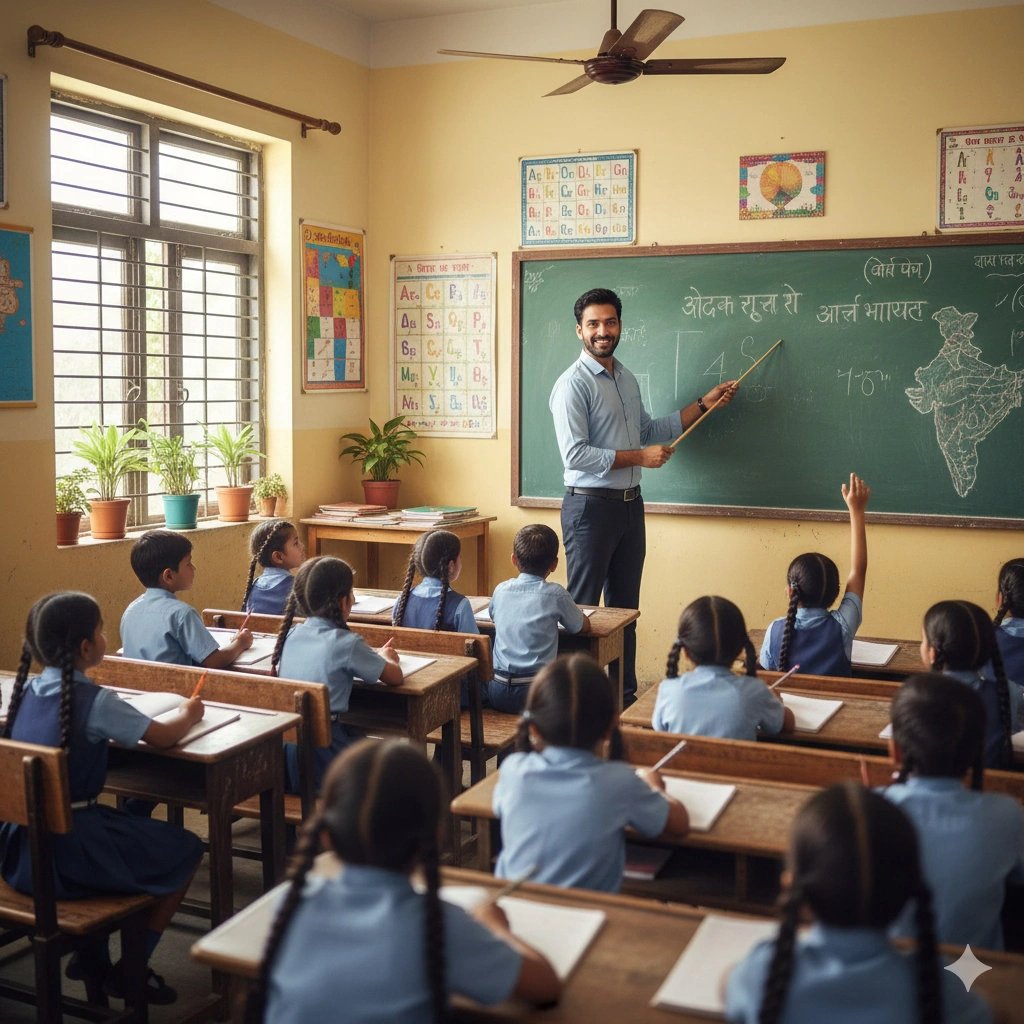
Teaching has always been called a "noble profession" in India. From ancient gurukuls to today's smart classrooms, teachers—gurus and shikshaks—have been at the centre of nation‑building. Swami Vivekananda said, "Education is the manifestation of perfection already in man." Teachers are the people asked to bring out that perfection in every child, every day.
Yet, even in 2026, teacher salary in India does not match this responsibility. Many teaching jobs—especially in government and low‑fee private schools—are underpaid compared to other professions with similar degrees and workload. This gap is not just unfair to teachers; it directly affects learning levels, teacher shortages and the future of India's children.
How Much Does India Really Spend on Education?
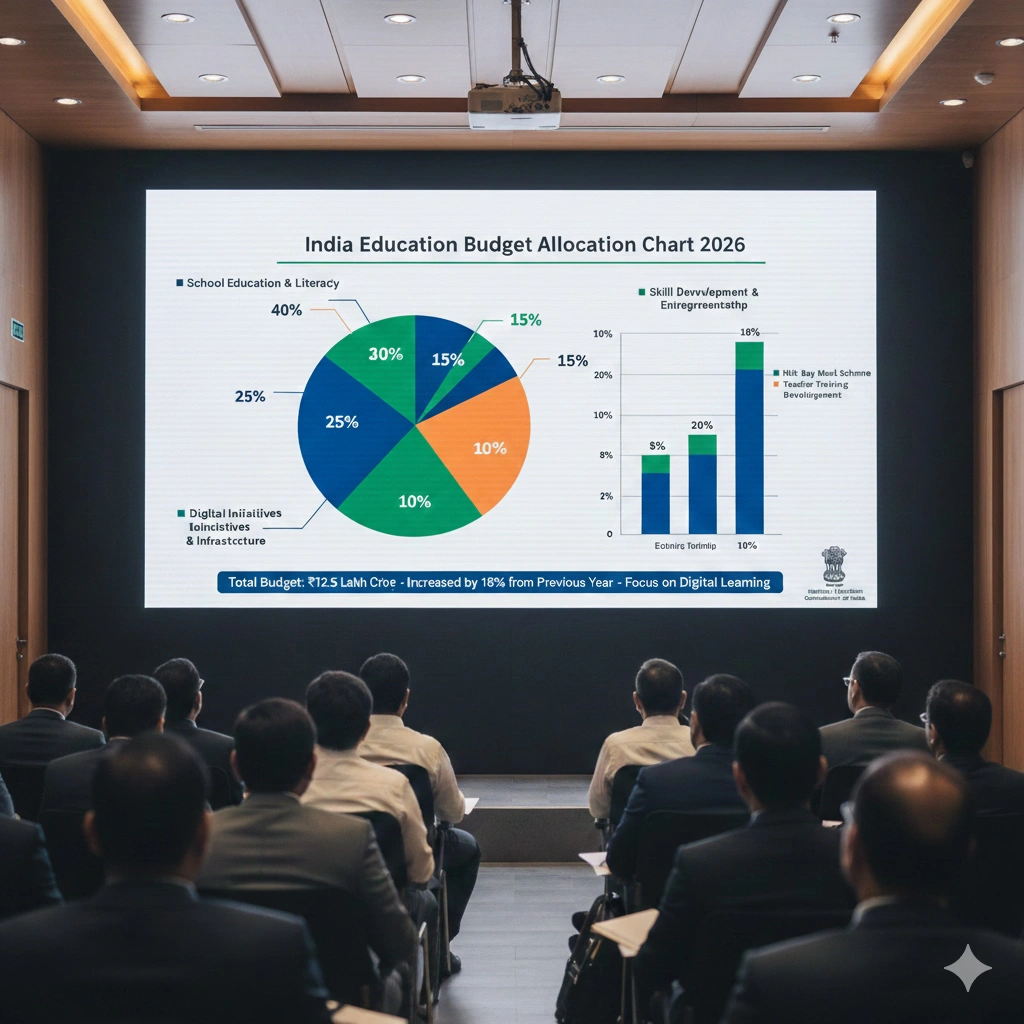
India's education spending meets global benchmarks but salary allocation remains insufficient
Education Budget Statistics
Between 2014 and 2024, India spent about 4.1–4.6% of GDP on education, which is within UNESCO's recommended 4–6% range. Education also accounts for roughly 13.5–17.2% of total public expenditure.
On paper, this looks impressive. But inside this budget:
- A large share goes to infrastructure, schemes and administration,
- Which leaves limited flexible money to meaningfully upgrade teacher pay, training and support—especially in government and rural schools.
So, while India's education budget is growing, teacher salary reform is still slow and uneven.
What Does a Teacher Earn in India Today?
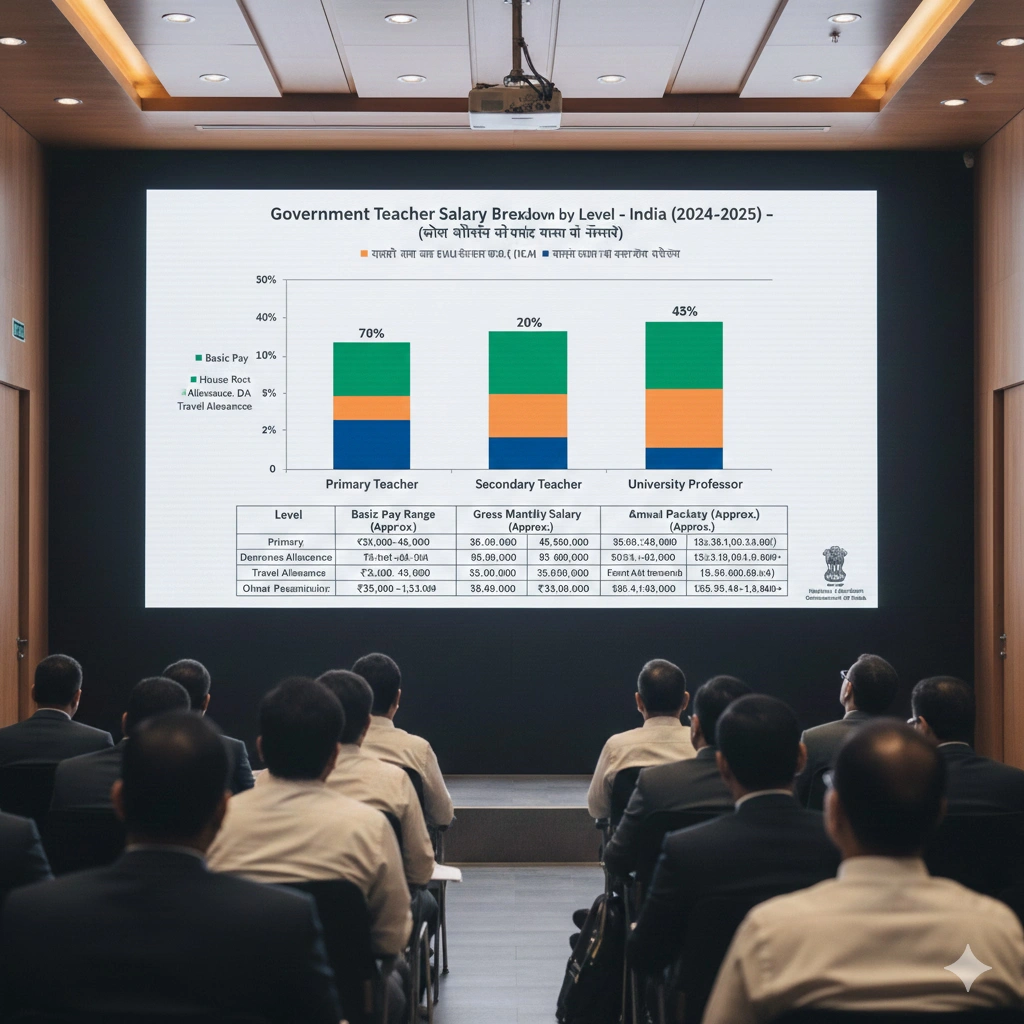
Teacher salary varies significantly by level and sector
Government Teacher Salary Breakdown (2025–26)
- Pre‑primary / nursery teacher: about ₹2.5–3.5 lakh per year
- Primary school teacher: about ₹4.5–5 lakh per year
- Secondary school teacher: about ₹5.5–7 lakh per year
- Senior secondary (PGT) teacher: about ₹7.5–8.5 lakh per year
These are approximate averages for government schools; actual pay varies widely by state, central vs state government, grade and allowances.
In private schools, the picture is worse:
- Many teachers earn around ₹18,000 per month, which is about 22% below the national average salary, and far below government scales for the same qualification.
- One comparative analysis found teacher salaries growing just ₹340–₹800 per year on average, barely competing with inflation.
Now compare this with other graduates:
- An entry‑level engineer or IT professional can start at ₹4–6 lakh per year and see rapid jumps with experience.
- A young doctor, CA or MBA starts higher and grows faster.
Result: bright graduates are logically choosing non‑teaching careers, even if they love the idea of teaching.
Why Are Teaching Jobs Underpaid in India?
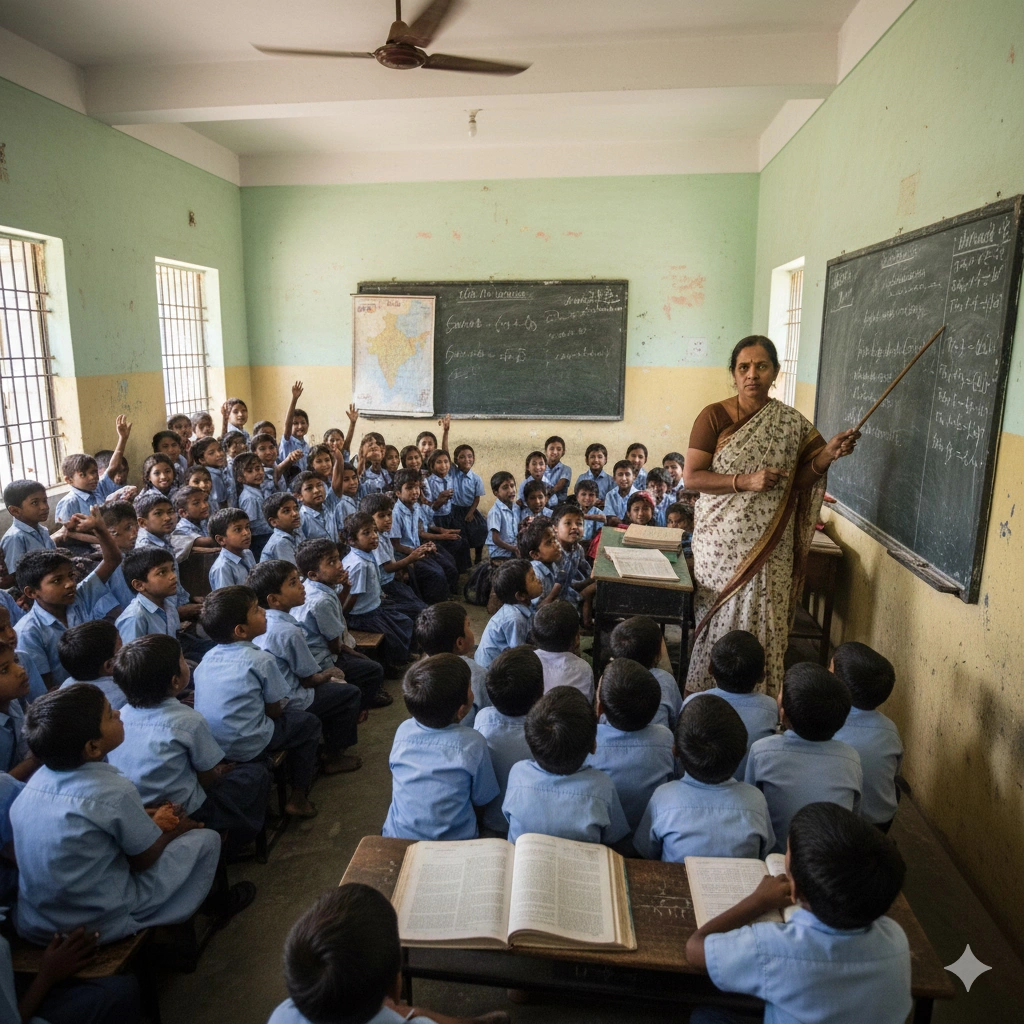
Teachers manage 40+ students with minimal support and recognition
1. "Noble service" mindset instead of "high‑skill profession"
Teaching is still seen as seva, not as a demanding professional career. Many people expect teachers to be satisfied with "respect" and "blessings" instead of competitive pay.
But modern teaching requires:
- Deep subject knowledge and pedagogy
- Handling 40–50 students with different learning levels
- Creating lesson plans, assessments and remedials
- Using technology (smart boards, online homework, LMS)
- Emotional labour with children and anxious parents
Maria Montessori's Insight
"The greatest sign of success for a teacher is to be able to say, 'The children are now working as if I did not exist'" shows how subtle and skilled teaching actually is. Yet, that skill is often treated as "natural" and not deserving of strong pay.
2. Teacher shortages, high workload and no time to grow
India today faces serious teacher shortages, especially in government schools:
Critical Teacher Shortage Statistics
- Estimates suggest India needs roughly 1.5 million more teachers to meet demand.
- Government data presented to Parliament in December 2023 showed 7,22,413 vacant posts at the elementary level and 1,24,262 at the secondary level.
The NEP 2020 recommends a pupil–teacher ratio (PTR) of 30:1 (25:1 in disadvantaged areas), but many schools still run with 40+ students per class, and some with only one or two teachers for multiple classes.
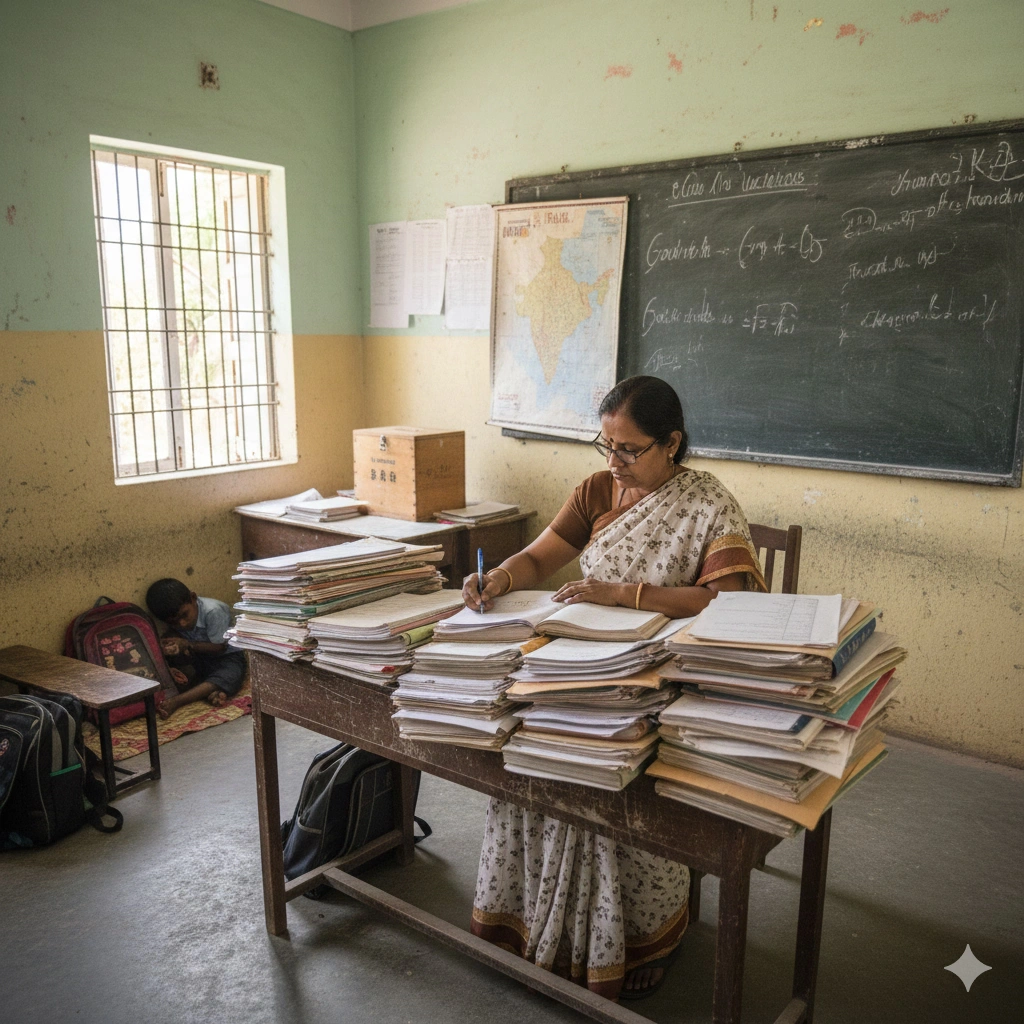
Teachers juggle teaching, admin work, and multiple non-teaching duties
Underpaid teachers are then overloaded with extra duties—mid‑day meals, surveys, election work—leaving little energy for:
- Innovating in the classroom
- Individualising learning
- Professional development
This overload + low pay = burnout, low morale and learning loss.
3. Gender bias in a "feminised" profession
Primary and elementary teaching in India is dominated by women. Globally, jobs dominated by women—like nursing, early childhood care and primary teaching—have historically been underpaid even when they demand high skill and emotional labour.
This gender bias quietly pushes teacher salary down and makes it harder for families to see teaching as a primary breadwinner career.
Why This Underpayment Hurts Students Too
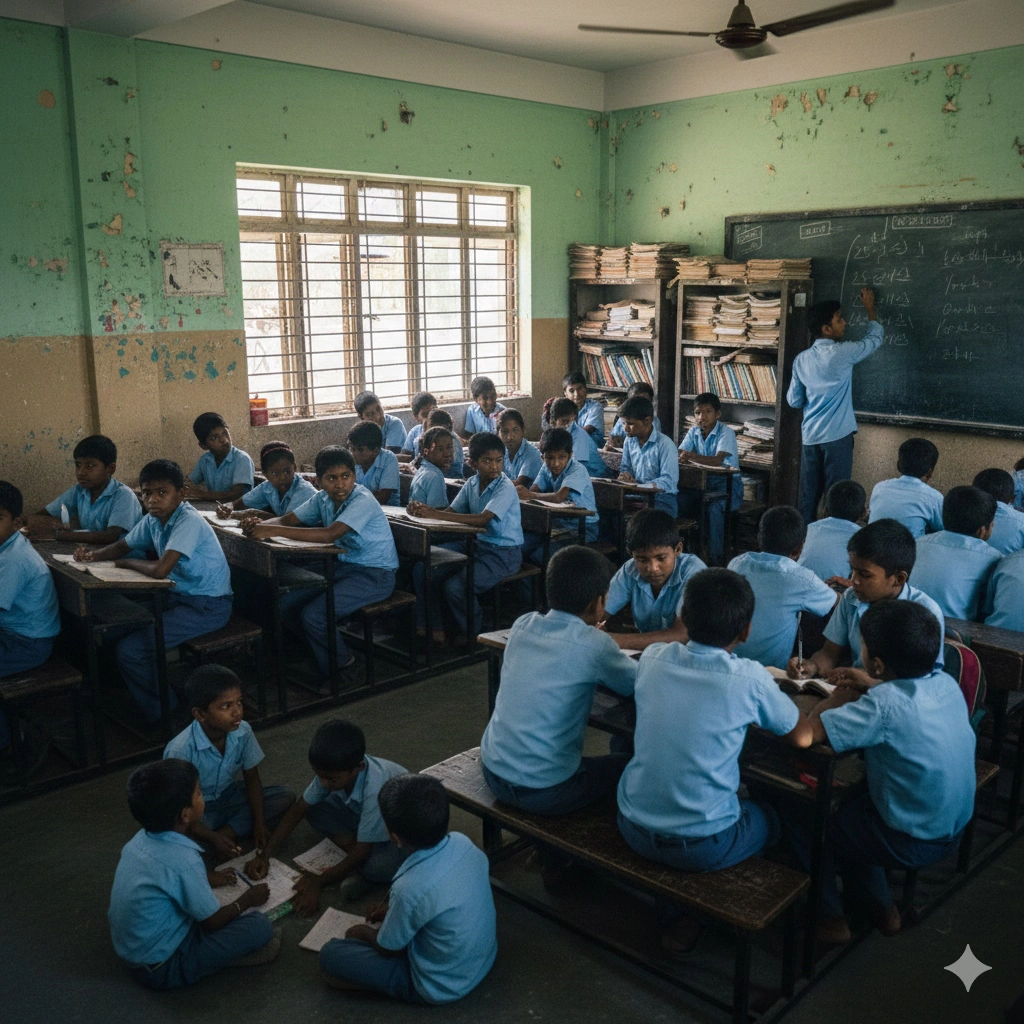
Teacher shortages directly impact student learning outcomes
When teacher salary in India does not reflect responsibility:
- Talented youth avoid B.Ed./teaching paths and choose IT, management or government exams instead.
- Motivated teachers leave for better‑paying private, coaching or EdTech roles.
- Students see teaching as a "fallback job", not a dream profession—reducing long‑term talent inflow.
- Overloaded, underpaid teachers have less time, energy and mental space to give each child what they truly need.
Key Insight
We cannot talk about "improving the education system in India" while ignoring the basic truth: good schools need well‑paid, respected teachers.
How Can India Make Teaching a Well‑Paid, High‑Respect Career?

Professional development and fair compensation can transform teaching
1. Prioritise teacher pay inside the education budget
India already spends 4.1–4.6% of GDP on education. The next step is to:
- Ensure regular revision of teacher pay scales in every state,
- Protect teacher salaries from long freezes and delays,
- Earmark part of new education spending specifically for recruitment and salary upgrades, not just buildings and gadgets.
2. Professionalise teaching like medicine or law
Countries like Finland, Singapore and Canada treat teaching as a top‑tier profession: selective entry, strong training, clear career ladders and high pay.
Professionalisation Pathway
India can move towards this by:
- Introducing national teacher licensing and accreditation,
- Making high‑quality continuous professional development mandatory (and rewarded),
- Creating specialist roles—mentor teacher, pedagogical coach, counsellor—on higher pay bands.
This sends a clear message to the next generation: "Teaching is not a compromise career. It is a premier, professional choice."

Recognition and rewards can motivate excellence in teaching
3. Reward excellence and tough postings
Without turning schools into sales offices, India can still:
- Offer performance‑linked increments/awards for teachers who consistently improve learning levels, mentor colleagues, or lead innovation.
- Give hardship allowances and career benefits for those who choose to work in remote, tribal or high‑need urban schools.
4. Close pay gaps: government vs private, male vs female
Key reforms:
- Enforce minimum salary standards for private schools so that a trained teacher is not paid less than an unskilled worker.
- Ensure equal pay for equal qualification and role, irrespective of gender.
- Increase transparency by asking schools to publish salary bands.
5. Use CSR and partnerships to uplift teachers
Corporate and NGO partners can go beyond donating smart boards:
- Fund teacher fellowships, advanced training and research for government teachers,
- Sponsor teacher awards with cash prizes and study tours,
- Support supplementary income avenues like content creation, curriculum design and community training.
These top‑ups don't replace government responsibility, but they signal that India's best minds value teachers.
Final Thought: Fair Pay Is an Investment, Not a Favour
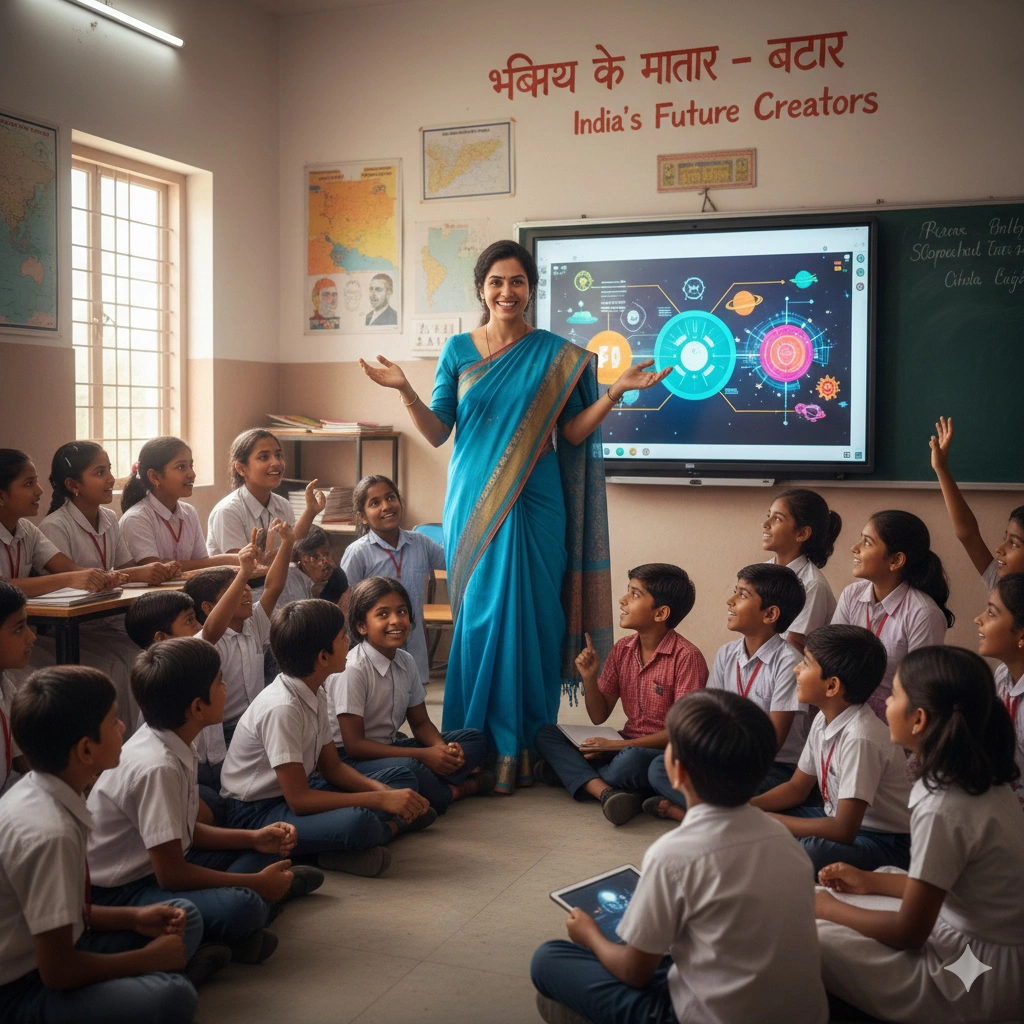
Fair compensation creates motivated teachers and better learning outcomes
Teachers in India are underpaid not because their work is "less important", but because of old mindsets, weak policies and neglected pay structures. Fixing this is one of the most powerful education reforms India can make.
When Teacher Salary Becomes Fair
- Brilliant students will see teaching as a first choice,
- Existing teachers will stay, grow and innovate,
- Children across government and private schools will experience better teaching, more stability and deeper care.
As Swami Vivekananda reminded us, "Education is the manifestation of perfection already in man." That perfection does not appear by magic; it appears through a teacher—often tired, often underpaid, but still showing up for children every day.
Now it is India's turn to show up for them—with respect, strong policy, and truly fair pay.