A child may not fully understand the reason behind a fight about money, responsibilities, family issues, or stress, but they understand tension. They notice raised voices, cold silence, angry expressions, slammed doors, emotional distance, and the changing atmosphere inside the home.
For children, home is supposed to feel safe, predictable, and emotionally secure. When frequent conflict enters that environment, the emotional foundation of childhood begins to shake.
Not every disagreement harms children. Healthy conflict resolution can teach valuable life lessons. But repeated shouting, insults, hostility, emotional coldness, or aggressive behavior between parents can deeply affect a child’s emotional, mental, social, and even physical well-being. The most painful part is that many children suffer quietly.
1. Children Absorb Emotions More Than Words
Adults often focus on the content of arguments, but children react more strongly to emotional energy than actual words.
They May Not Understand
Financial stress, relationship disagreements, work pressure, or family conflicts.
But They Can Sense
Fear, anger, anxiety, emotional instability, and tension inside the home.
Children are emotionally sensitive observers. Even infants can react to loud voices and emotional hostility. Younger children especially depend heavily on emotional security from parents to feel stable and protected. When parents fight frequently, children may begin feeling unsafe even when no one directly harms them.
2. Many Children Blame Themselves
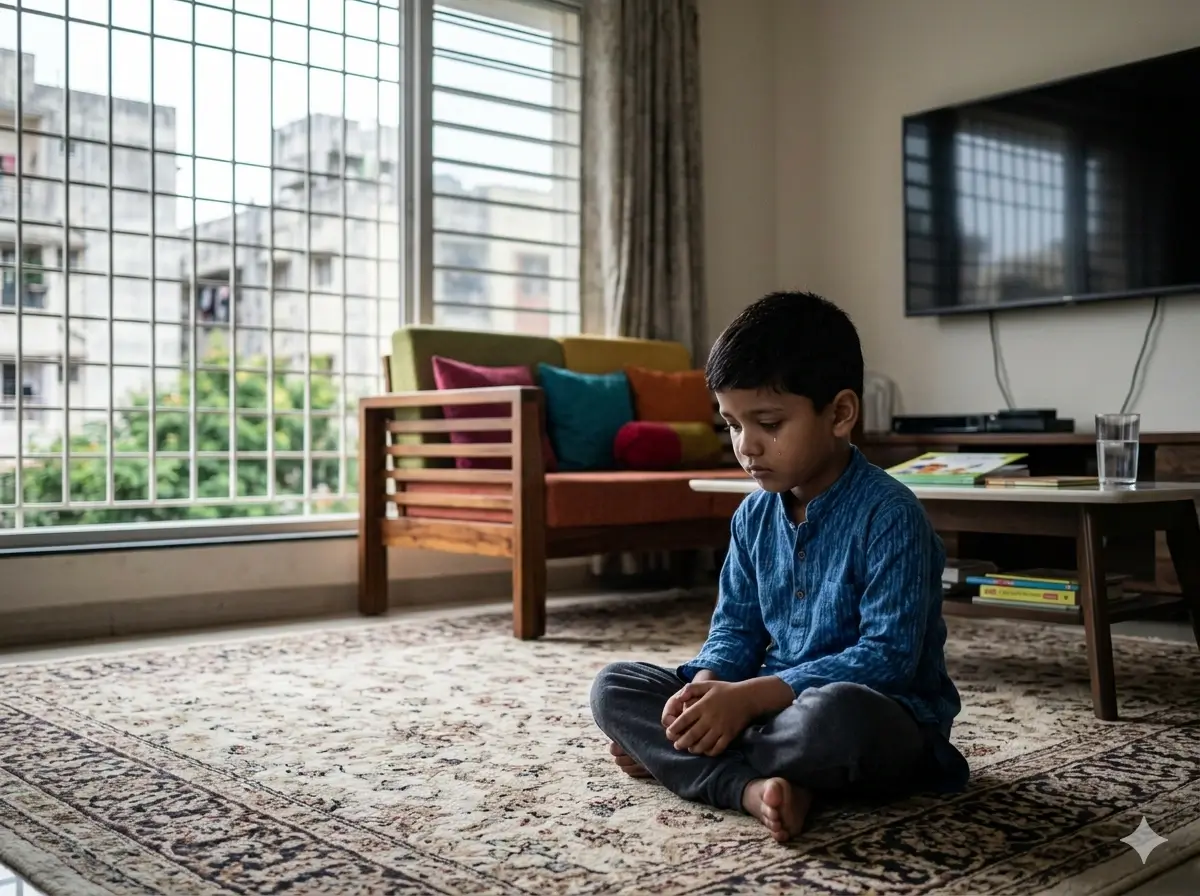
One of the most heartbreaking effects of parental conflict is that children often assume they are the reason behind the fights.
Young children naturally see themselves as the center of their world. If parents argue after discussing school, expenses, behavior, or responsibilities related to the child, the child may silently think: “Maybe this happened because of me.”
3. Constant Fighting Creates Anxiety and Fear
A peaceful home helps children relax emotionally. But when arguments become frequent, children may remain constantly alert and anxious.
Silent Worries"Will my parents fight again today? Will someone leave the house? Will my family break apart? What if things become worse?"
This ongoing emotional uncertainty can affect sleep, concentration, appetite, and emotional stability. Some children become unusually quiet and fearful. Others become irritable, aggressive, or emotionally reactive. Frequent conflict creates fear, not safety.
4. Academic Performance Can Be Affected
Emotional stress at home often follows children into classrooms. A child who constantly hears arguments at home may struggle with concentration, memory, motivation, classroom participation, and confidence.
Some children become distracted because their minds remain occupied with family stress. Others lose interest in studies altogether. Teachers may notice sudden behavioral changes such as falling grades, aggression, isolation, lack of focus, frequent sadness, and emotional outbursts.
Unfortunately, many adults focus only on the child’s behavior without understanding the emotional environment affecting them. A stressed child cannot learn peacefully. Home conflict can quietly damage school performance and confidence.
5. Children May Develop Emotional Insecurity
The relationship between parents becomes a child’s first understanding of love, trust, communication, and relationships.
When children regularly witness insults, emotional neglect, disrespect, manipulation, silent treatment, or aggressive communication, they may begin believing that unhealthy conflict is a normal part of relationships. This can affect their future friendships, emotional expression, and romantic relationships later in life. The home environment quietly shapes emotional patterns for years.
6. Silence After Fighting Can Also Hurt Children
Many parents think that avoiding conversation after arguments protects children. But prolonged silence inside the home can also become emotionally damaging.
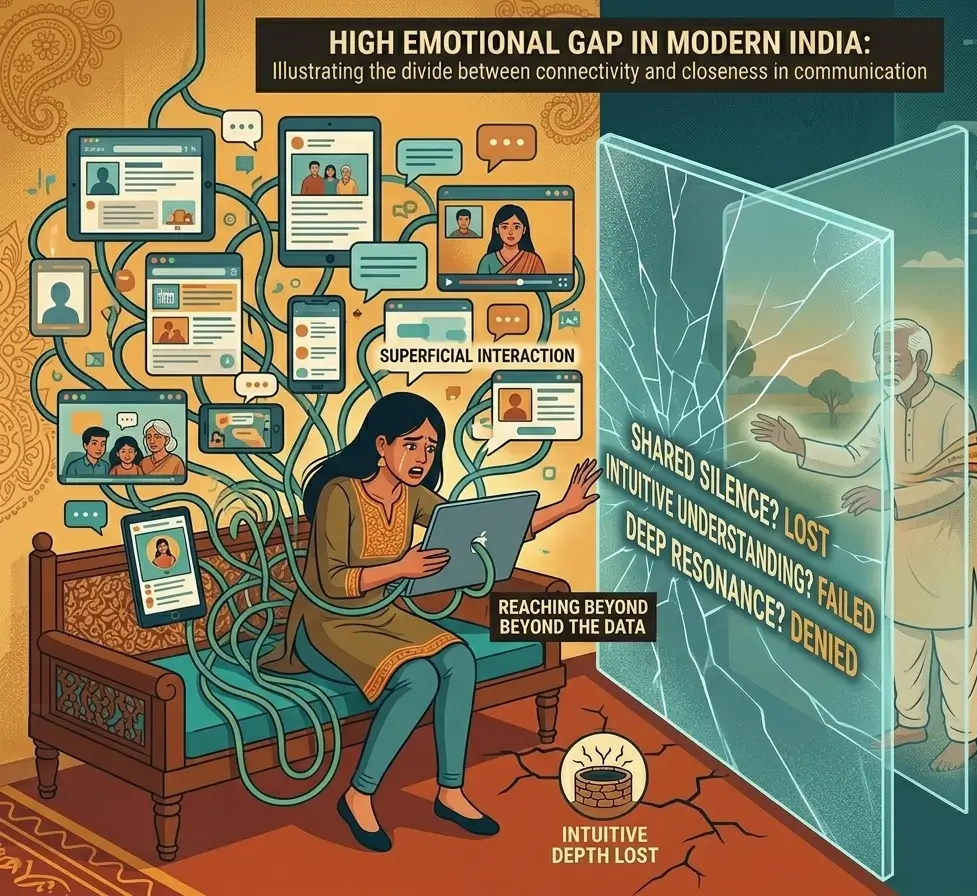
Children are highly sensitive to emotional distance between parents. Cold behavior, emotional withdrawal, passive aggression, or complete lack of communication creates an atmosphere of tension and confusion. A silent home filled with emotional discomfort can sometimes affect children more deeply than occasional healthy disagreements.
7. Aggressive Fights Can Create Long-Term Trauma
When conflicts involve shouting, threats, physical aggression, breaking objects, abusive language, or humiliation, the impact on children becomes far more serious.
Children exposed to intense conflict may experience symptoms of emotional trauma such as nightmares, bedwetting, panic, extreme fear, emotional withdrawal, and anxiety disorders. Repeated exposure to toxic conflict can affect a child’s emotional development for many years.
8. Not All Conflict Is Harmful
It is important to understand that disagreement itself is not the problem. Children do not need “perfect” parents. Seeing respectful disagreement can teach children valuable life skills such as communication, emotional regulation, problem-solving, respectful listening, and apologizing.
The real damage happens when conflict becomes hostile, repetitive, emotionally unsafe, or unresolved. Children can actually learn healthy emotional behavior when parents stay respectful during disagreements, avoid insults, resolve issues calmly, apologize when wrong, and reassure children emotionally afterward.
9. Emotional Neglect During Conflict Hurts Deeply
Sometimes parents become so consumed by their own emotional struggles that they unintentionally stop noticing the child’s emotional needs. A child may feel ignored, emotionally abandoned, invisible, unsafe, and unimportant.
Even if parents continue providing food, education, and daily care, emotional availability may reduce significantly during ongoing conflict. A child may never openly say, “I am scared when you fight.” But their behavior often communicates it silently.
10. Impact on Mental Health
Research across the world consistently shows that chronic parental conflict increases the risk of anxiety, depression, low self-esteem, emotional insecurity, behavioral problems, and social difficulties.
Children raised in highly conflict-driven homes often struggle with emotional regulation because their nervous systems remain under stress for long periods. Parental conflict can shape a child’s mental health long after childhood.
11. What Parents Can Do
No family is free from disagreements. Parents are human beings with stress, exhaustion, frustrations, and emotional struggles. The goal is not to avoid every conflict—it is to handle conflict responsibly.
Avoid fighting in front of childrenKeep aggressive arguments away from kids.
Never involve children in adult conflictsDo not force them to choose sides.
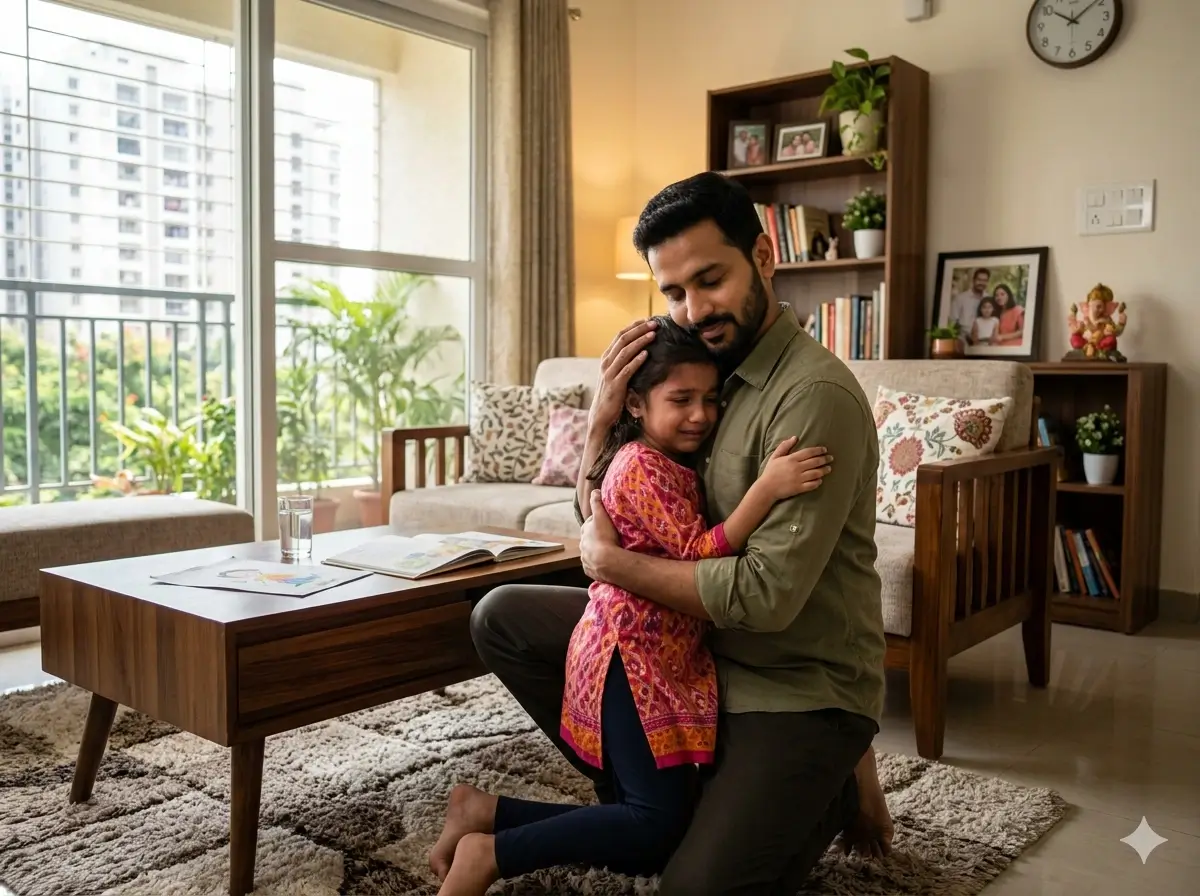
Reassure children emotionallyEnsure they know they are safe and loved.
Learn healthy communicationApologize if necessary and protect children’s emotional health.
Building Emotional Safety
Children may not always express their pain openly, but they deeply absorb the emotional climate of their homes. Parental fights do not remain limited to two adults. They quietly enter a child’s mind, emotions, confidence, and sense of security. A child growing up in constant conflict often learns fear before peace, anxiety before stability, and emotional tension before trust.