The Traditional Approach: Respect and Discipline
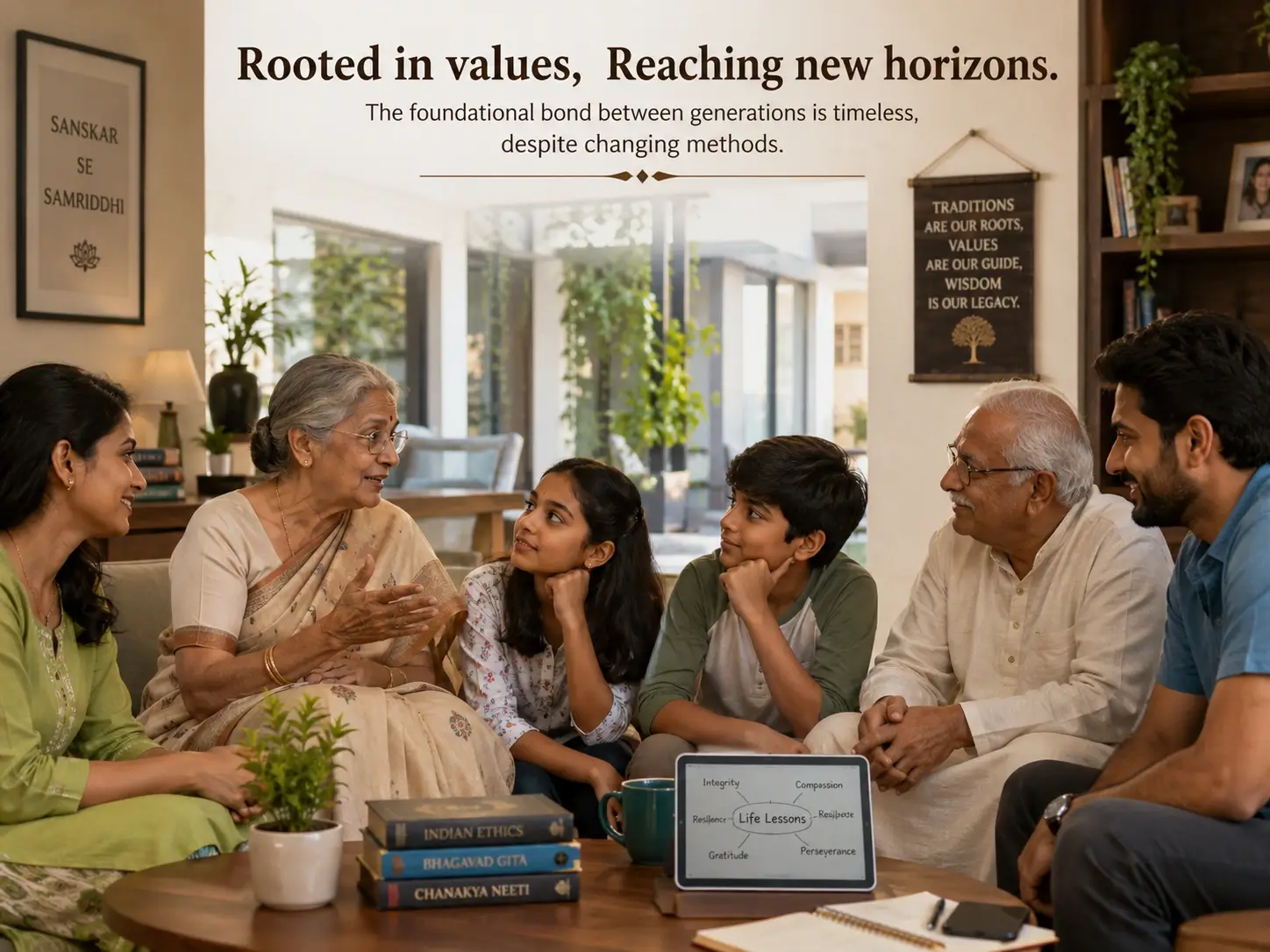
For generations, parenting was largely authoritarian. Parents made decisions, children obeyed, and questioning elders was often considered disrespectful. Families were larger, grandparents played active roles, and values such as obedience, hard work, and respect for elders were deeply emphasized.
The common phrase, “Because I said so,” symbolized the parenting style of earlier decades.
Despite being strict, traditional parenting had its strengths. Children grew up with strong family bonds, a sense of responsibility, and clear boundaries. Grandparents passed down wisdom, stories, and cultural values that shaped character.
Confucius observed, “The strength of a nation derives from the integrity of the home.” Families served as the first schools where values were transmitted across generations.
Education and Awareness Changed Parenting
As psychology and education developed, researchers began studying child development more deeply. The works of Jean Piaget, Erik Erikson, and Maria Montessori emphasized that children are not miniature adults but individuals with unique emotional and developmental needs.
Maria Montessori famously said, “The child is both a hope and a promise for mankind.”
Parents gradually became more aware of the importance of empathy, communication, and positive reinforcement. Corporal punishment and fear-based discipline began giving way to dialogue and understanding. Children were no longer expected merely to obey; they were encouraged to express themselves.
Smaller Families, Greater Attention
Earlier generations often lived in joint families with many siblings. Resources and attention were shared among several children. Today, nuclear families and one-child households have become increasingly common.
As family sizes decreased, parental involvement increased. Parents became more invested in every aspect of their children’s lives—academics, hobbies, friendships, and emotional well-being.
However, increased involvement sometimes transformed into over-parenting. Children who once climbed trees and solved problems independently now often grow up under constant supervision.
Greek philosopher Aristotle wisely noted, “Give me a child until he is seven and I will show you the man.” His statement reminds us that childhood experiences deeply influence adult life, making parenting an immensely important responsibility.
The Digital Revolution Changed Childhood
Perhaps no factor has transformed parenting more than technology. Previous generations played outdoors, read books, and spent evenings talking with family members. Today’s children grow up surrounded by smartphones, tablets, social media, and artificial intelligence.
Parents now face challenges unknown to earlier generations:
Screen Addiction
The difficulty of unplugging from constant digital entertainment.
Cyberbullying
Navigating complex online social dynamics and harassment.
Gaming Dependence
Managing time spent in highly engaging online game worlds.
Reduced Activity
The shift from outdoor physical play to sedentary tech use.
At the same time, technology has also brought opportunities. Parents have access to educational resources, expert advice, and global communities that provide support and guidance. Marshall McLuhan famously declared, “The medium is the message.” The digital age has not only changed communication but has reshaped childhood itself.

From Fear-Based Parenting to Emotional Intelligence
Earlier, children were often expected to suppress emotions. Crying, anxiety, or sadness were sometimes dismissed with statements such as, “Be strong” or “Don’t complain.”
Modern parenting increasingly recognizes the importance of emotional intelligence. Daniel Goleman, who popularized the concept, argued that emotional intelligence can matter as much as IQ in determining success and happiness.
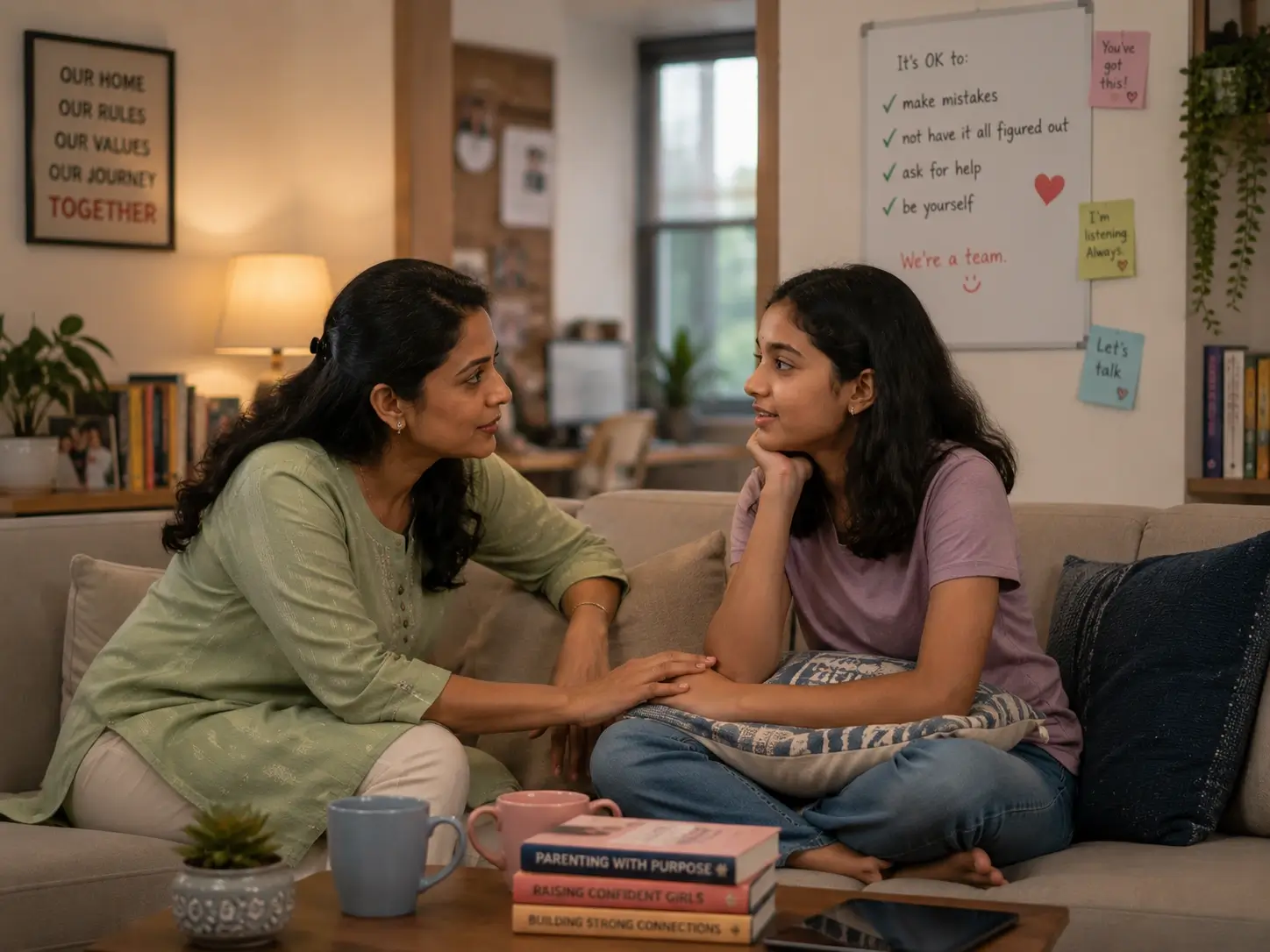
Today’s parents are more likely to discuss feelings, validate emotions, and encourage open conversations. Mental health, once rarely discussed, has become an important aspect of parenting.
This shift reflects the wisdom of philosopher Carl Rogers, who said, “When someone really hears you without passing judgment, without trying to take responsibility for you, without trying to mold you, it feels damn good.” Children thrive when they feel heard and understood.
The Rise of Achievement Pressure
Ironically, while modern parenting is more empathetic, it is also more stressful. Parents often feel pressure to ensure that their children excel academically, participate in multiple extracurricular activities, and build impressive resumes from an early age.
Competition, social media comparisons, and societal expectations have created what many call “performance parenting.” Children’s schedules today are often packed with coaching classes, music lessons, sports training, and numerous structured activities.
Albert Einstein warned, “It is a miracle that curiosity survives formal education.” When childhood becomes excessively scheduled, curiosity and joy may suffer.
What Has Remained Unchanged?
Despite enormous changes, some aspects of parenting remain timeless. Children still need:
Mahatma Gandhi said, “If we are to reach real peace in this world, we shall have to begin with the children.” Parents continue to shape the future through the values they impart.
Towards Balanced Parenting
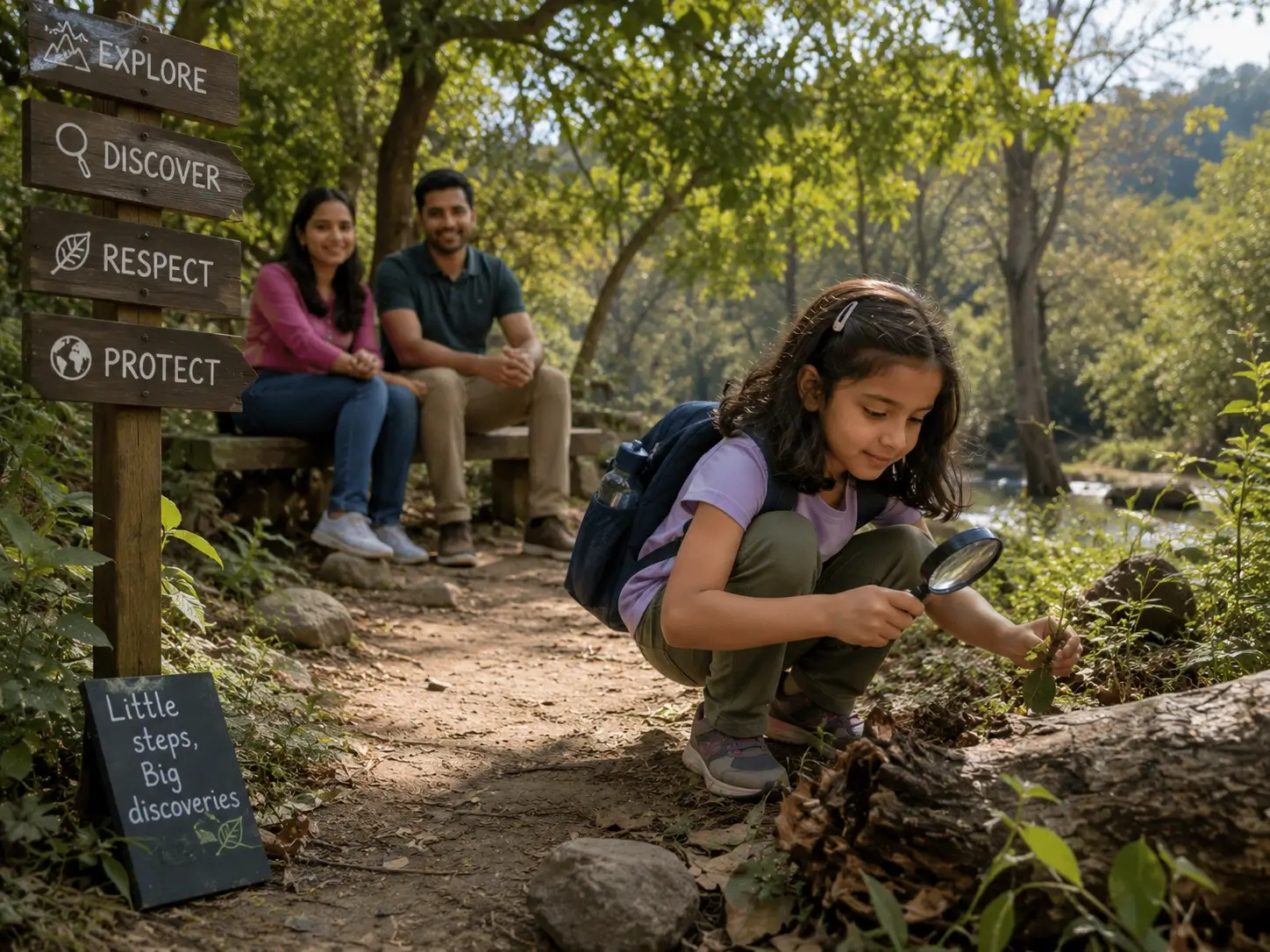
Perhaps the challenge of modern parenting lies in balancing the wisdom of the past with the insights of the present. Children need freedom but also boundaries. They need technology but also nature. They need ambition but also rest. They need guidance but also independence.
Rabindranath Tagore beautifully wrote, “Don’t limit a child to your own learning, for he was born in another time.” Parents must recognize that every generation faces different realities. What worked fifty years ago may not always work today. Yet the essence of parenting remains unchanged: preparing children not merely for examinations or careers but for life.
A Timeless Blend of Love and Hope
As Kahlil Gibran profoundly expressed in The Prophet: "Your children are not your children. They are the sons and daughters of Life’s longing for itself." Parenting, therefore, is not about control. It is about stewardship. It is about nurturing, guiding, and eventually allowing children to become the best versions of themselves.