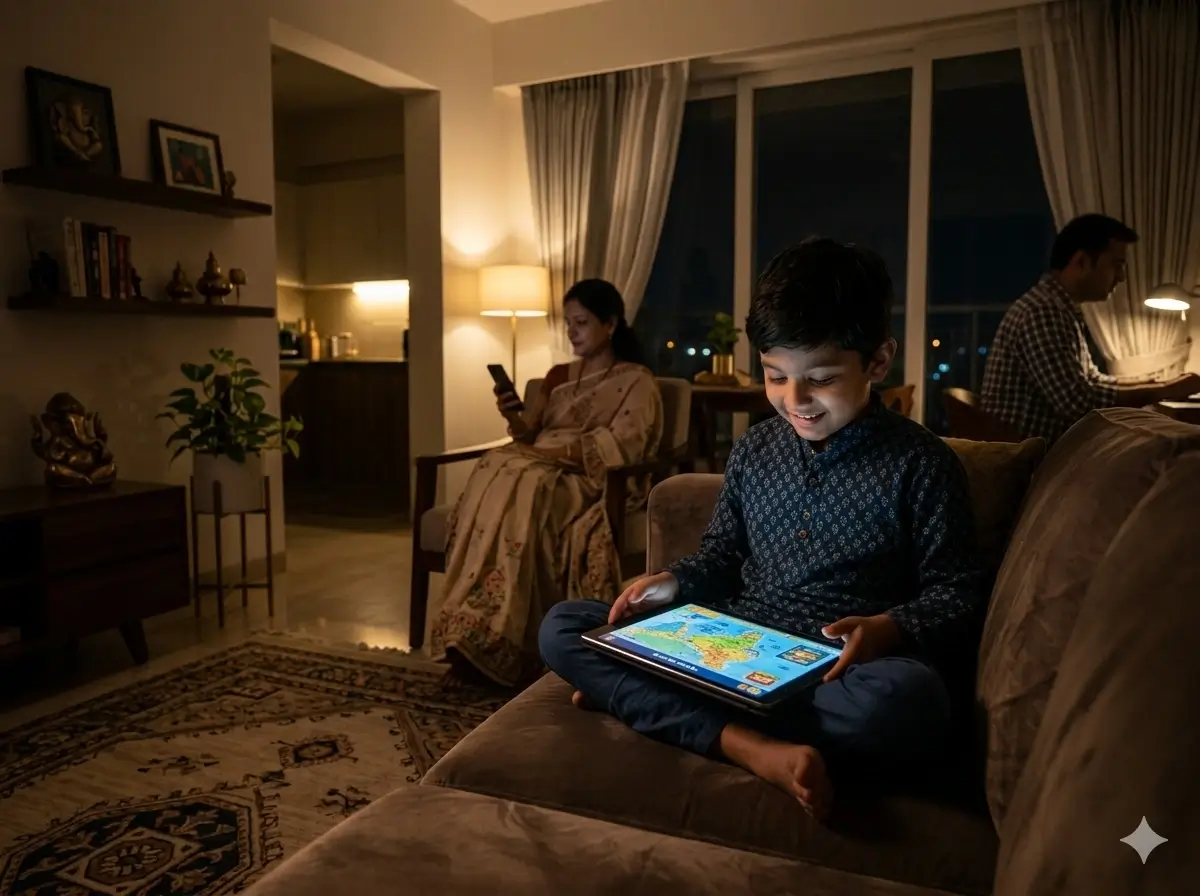
Why Sleep Matters for Growing Children
Sleep is essential for a child’s healthy growth and development. During sleep, the body repairs tissues, strengthens the immune system, and processes information learned throughout the day. Proper sleep also supports emotional regulation, attention span, learning, and overall mental well-being.
Because children’s brains and bodies are still developing, they require more sleep than adults. When this sleep is repeatedly disrupted due to excessive or late-night screen time, it can negatively affect their long-term health, behaviour, and lifestyle. Key point to remember: Good-quality sleep is as important as nutrition and exercise for a child’s long-term development.
What Is Screen Time in the Context of Child Health?
Screen time refers to the time spent using electronic devices such as smartphones, tablets, televisions, laptops, and gaming consoles. With the rise of digital education and entertainment, children are exposed to screens at a younger age and for longer durations than ever before.
While moderate and supervised screen use can be educational, excessive screen time—especially before bedtime—interferes with natural sleep processes and contributes to sleep problems in children.
How Screen Time Disrupts Children’s Sleep Over Time
Interference with the Body Clock (Circadian Rhythm)
The human body follows a natural sleep–wake cycle known as the Circadian Rhythm, regulated by environmental cues like light and darkness. Digital screens emit blue light, which signals the brain to stay alert, tricking it into thinking it is still daytime. This blue light delays the release of melatonin, leading to difficulty falling asleep and irregular sleep patterns.
Reduced Total Sleep Duration
Children often spend extended hours watching videos, playing games, or scrolling through content. This directly reduces the time available for sleep, leading to chronic sleep deprivation in the long run.
Increased Mental Alertness at Night
Screen-based activities are designed to be highly stimulating and engaging. Fast-paced games, exciting videos, and emotional content keep a child’s brain active. Even after switching off the device, the mind may remain alert, delaying the onset of sleep and making it hard to relax.
Night-Time Interruptions and Fragmented Sleep
Notifications, messages, or the urge to "quickly check" a device can interrupt sleep during the night. Children who keep devices near their beds are more likely to wake up to alerts, resulting in poor sleep quality and fragmented rest.
❌ The Trap: Falling asleep while watching videos relaxes the brain.
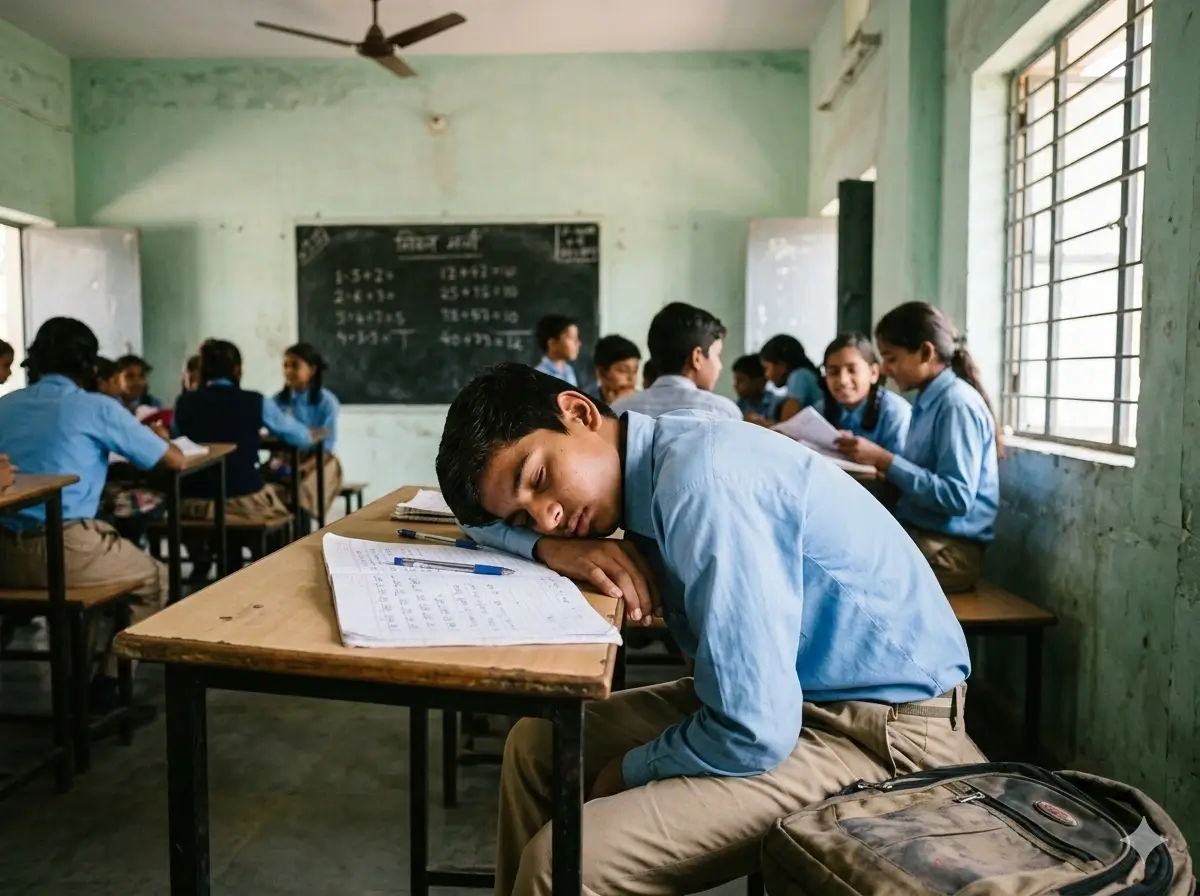
Long-Term Effects of Poor Sleep Due to Excessive Screen Time
The long-term impact of poor sleep due to screen time goes beyond tiredness—it can touch every aspect of a child’s physical, emotional, and cognitive development.
Cognitive & Academic
Sleep is vital for memory consolidation. Poor sleep leads to struggles with concentration, problem-solving, and retaining information in class.
Emotional & Behavioural
Tired children become irritable, anxious, and easily frustrated, contributing to long-term mental health issues like low mood.
Physical Health
Inadequate sleep weakens the immune system and increases the risk of childhood obesity by altering hunger-regulating hormones.
Eye Strain & Neurological
Long-term use causes eye strain, blurred vision, and continuous digital stimulation that influences sensitive brain development.
Furthermore, when children overuse screens, they may develop a behavioural screen dependency. They start to associate screen use with relaxation or bedtime, making it difficult to fall asleep without digital stimulation.
Social and Lifestyle Consequences of High Screen Time
Excessive screen time heavily reduces the hours children spend on physical activity, creative imaginative games, and face-to-face interaction with family and friends. This can lead to sedentary lifestyle habits, reduced social skills, and decreased family bonding time—all of which indirectly worsen sleep patterns.

Scientific Evidence and Expert Recommendations
Research consistently shows a strong link between high screen time and sleep disturbances in children. Professional bodies, such as the American Academy of Pediatrics (AAP) and the CDC, therefore advise:
Preventive Measures and Healthy Screen–Sleep Habits
Here are actionable steps parents can take to protect their children's sleep from digital disruption:
- Establish Clear Rules: Set time limits for entertainment screen time. Enforce a "no devices during meals and before bedtime" rule to develop disciplined media habits.
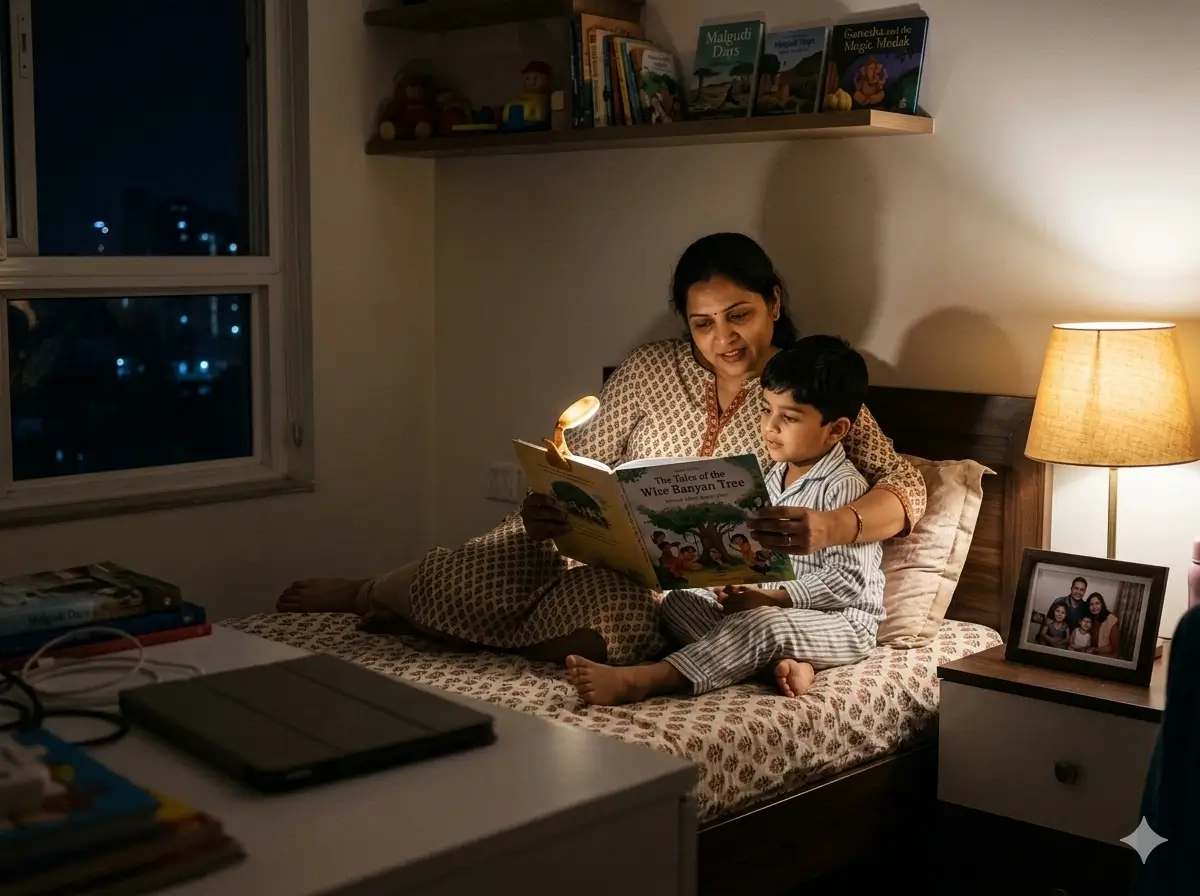
- Create a Sleep-Friendly Bedroom: Bedrooms should be quiet, dark, and free from electronic devices. This helps the brain associate the bedroom purely with rest.
- Encourage Offline Activities: Promote reading, sports, hobbies, and family games in the evening.
- Maintain a Consistent Daily Routine: Going to bed and waking up at the same time every day helps regulate the Circadian Rhythm.
- Active Parental Involvement: Monitor the duration and type of content consumed. Prefer calm, non-violent content, and importantly, model healthy screen habits yourself.
Role of Schools and Society
Schools can support healthy habits by teaching students about the impact of excessive screen time on sleep and health, and by organising awareness programs, workshops, and counselling sessions for parents.
At a broader level, society must recognise that while technology is essential, its unregulated use can have long-lasting consequences on children’s health and development.
Core Takeaways to Remember
Screen time and sleep in children are closely linked—especially evening usage.
Blue light delays melatonin, disrupting the Circadian Rhythm.
Long-term poor sleep hurts physical health, academics, and behaviour.
Excessive use leads to screen dependency, eye strain, and social isolation.
Enforce screen-free bedrooms and a 1-hour digital curfew before bed.
Replace evening tech with offline activities and consistent routines.
Protecting Sleep in a Screen-Filled World
The increasing use of digital devices has transformed childhood experiences but also introduced new challenges. One of the most serious is the long-term effect of screen time on children’s sleep. By disrupting the natural sleep–wake cycle, reducing sleep duration, and affecting overall health, excessive screen use poses a real risk to children’s future well-being. By setting limits, promoting awareness, and encouraging healthier routines, parents and teachers can help children build a more balanced relationship with screens. Ultimately, protecting children’s sleep is not just about better rest—it is about safeguarding their growth, happiness, and long-term success.
More Parenting Resources →