Children may forget many words spoken to them, but they rarely forget the pain, fear, and humiliation caused by being beaten. Discipline based on fear may create temporary obedience, but in the long run, it weakens trust, confidence, and emotional security. In the Indian context, where academic pressure, social expectations, and parental stress are already high, understanding why children should never be beaten is more important than ever.
Physical Punishment Creates Fear, Not Respect
One of the biggest misconceptions is that beating children teaches respect. In reality, it often teaches fear. A child may stop a behavior for the moment because they are scared of punishment, not because they understand why it was wrong.
True discipline comes from understanding, communication, and guidance. When children genuinely respect parents or teachers, they develop self-discipline. But when they are regularly threatened or beaten, they may obey only when authority is present. Fear-based parenting also harms the emotional bond between adults and children. Instead of seeing parents as protectors and guides, children may begin to see them as sources of anxiety and anger.

Beating Affects Mental Health
Children are emotionally sensitive. Harsh physical punishment can deeply damage their mental and emotional well-being. Repeated beating may lead to anxiety, low self-esteem, sadness, anger, or emotional withdrawal.
Many children who are beaten frequently become either extremely fearful or unusually aggressive. Some stop speaking openly because they worry about punishment. Others may start lying simply to avoid being hit. Mental health experts have repeatedly emphasized that emotional scars often last longer than physical injuries. A slap given in anger may last only a second physically, but the humiliation and insecurity can stay in a child’s memory for years.
In India, awareness about children’s mental health is slowly increasing, especially with rising concerns about stress, academic pressure, and emotional burnout among students. Avoiding physical punishment is an important step toward healthier emotional development.
Violence Teaches Violence
Children learn more from what adults do than from what adults say. When adults hit children to solve problems, children may begin believing that violence is an acceptable way to express anger or control others.
A child who is beaten regularly may later hit younger siblings, classmates, or even carry aggression into adulthood. In this way, physical punishment can unintentionally create a cycle of violence. If parents want children to communicate politely, manage anger calmly, and behave respectfully, adults must model those same behaviors. Teaching kindness through violence sends a confusing message.
Physical Punishment Harms Confidence
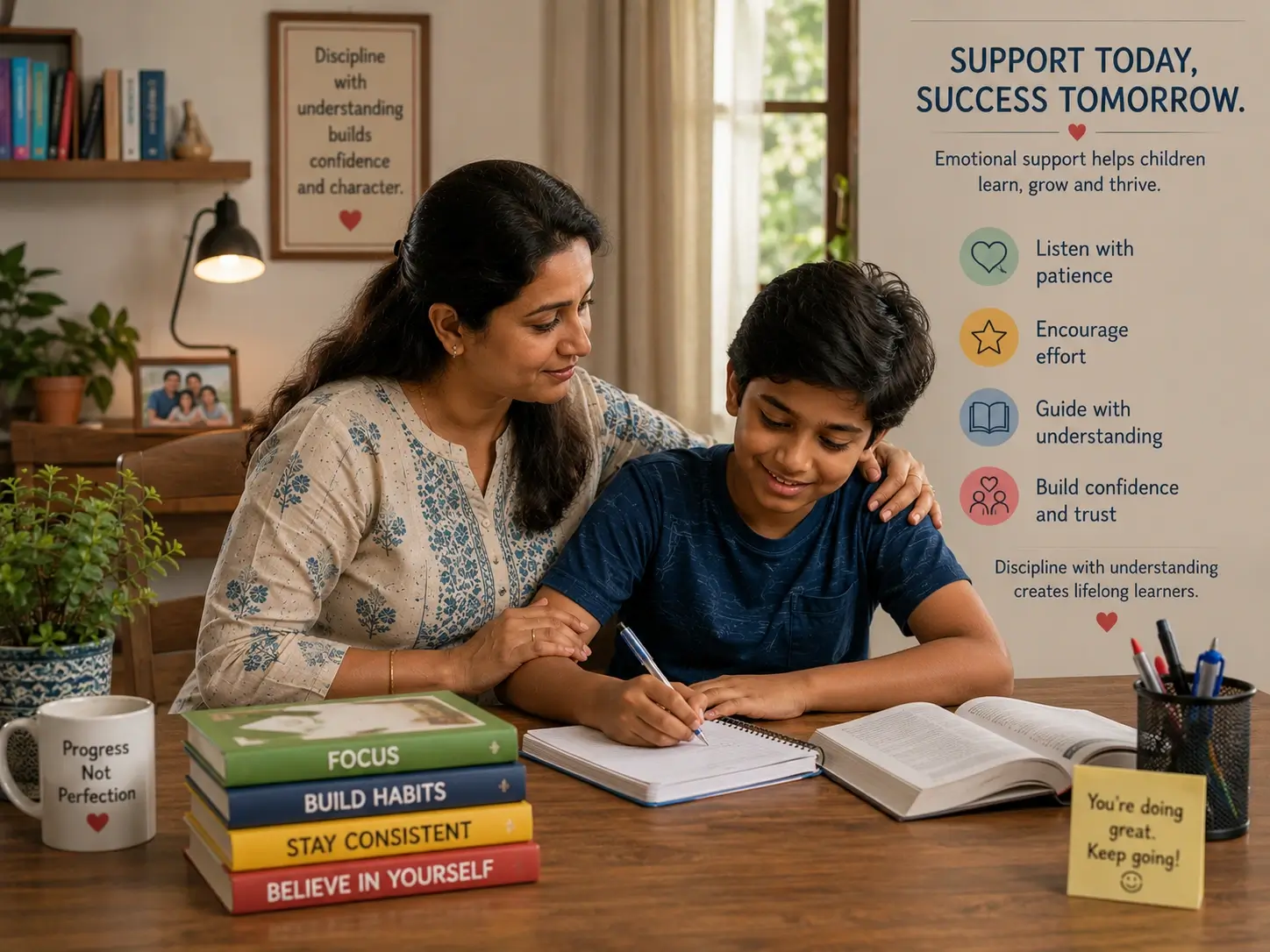
Every child needs encouragement and emotional security to grow confidently. Constant scolding and beating weaken self-worth. Many children begin believing they are “bad,” “useless,” or “never good enough.”
This loss of confidence affects personal relationships, academic performance, creativity, and social interaction. A fearful child often struggles to ask questions, take initiative, or express opinions openly. In schools, emotionally secure students usually participate more actively and learn more effectively. Children thrive in environments where mistakes are treated as opportunities to learn, not as reasons for punishment.
Beating Does Not Solve the Real Problem
Most childhood mistakes happen because children are still learning. They may act impulsively, forget instructions, become curious, or struggle with emotions they do not yet know how to manage. When adults immediately resort to beating, the real issue often remains unresolved.
Poor Academics
A child struggling with studies may need emotional support or better learning methods, not a scolding.
Misbehavior
A misbehaving child might be seeking attention, struggling emotionally, or copying external behavior.
Stubbornness
A stubborn or defiant child often simply needs patience, active listening, and open communication.
Physical punishment may suppress behavior temporarily, but it rarely addresses the root cause.
Better Alternatives to Physical Punishment
Discipline is necessary, but discipline and violence are not the same. Parents and teachers can guide children effectively without raising hands. Healthier alternatives include:
Calm CommunicationExplain why a behavior is wrong so children understand the consequences.
Setting Clear BoundariesChildren feel safer when rules are consistent and reasonable.
Positive ReinforcementAppreciating good behavior encourages children to repeat it.
Time-Outs or Quiet ReflectionGiving children time to calm down can work better than angry reactions.
Listening to ChildrenSometimes children simply need to feel heard and understood.
Leading by ExampleChildren imitate adults. Respectful adults usually raise respectful children.
Indian Society Is Gradually Changing
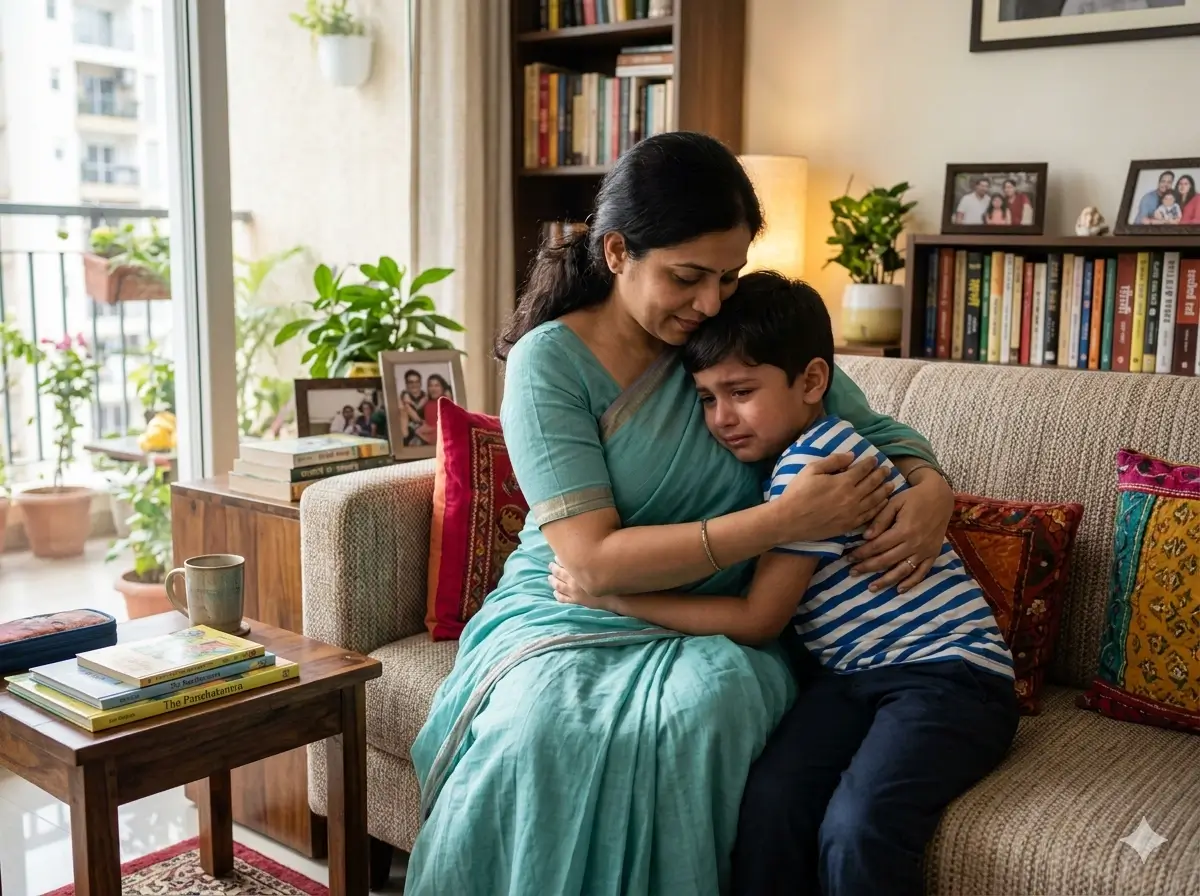
In earlier generations, strict discipline and corporal punishment were widely accepted in many Indian homes and schools. But attitudes are slowly changing. Increasing awareness about child psychology, emotional well-being, and positive parenting has encouraged many families and schools to move away from physical punishment.
The Indian education system has also increasingly emphasized child-friendly learning environments. Many educators now believe students learn better through encouragement, curiosity, and emotional support rather than fear.
Urban and rural India alike are seeing conversations around mindful parenting, emotional intelligence, and healthy communication with children. Though change may be gradual, it is an important and necessary shift.
Children Need Guidance, Not Perfection
Children are not born perfect. They are learning every day—how to behave, communicate, manage emotions, and understand the world around them. Mistakes are a natural part of growing up.
Adults often expect maturity from children while forgetting that emotional control develops slowly with age. What children need most during this process is guidance, patience, and trust. A child raised with understanding is more likely to become emotionally balanced, compassionate, and confident. A child raised in fear may carry emotional wounds into adulthood.
Discipline with Understanding, Not Fear
Beating children may appear to create quick discipline, but its long-term effects can be deeply damaging. Fear, insecurity, aggression, low confidence, emotional distance, and mental stress are often the hidden outcomes of physical punishment.
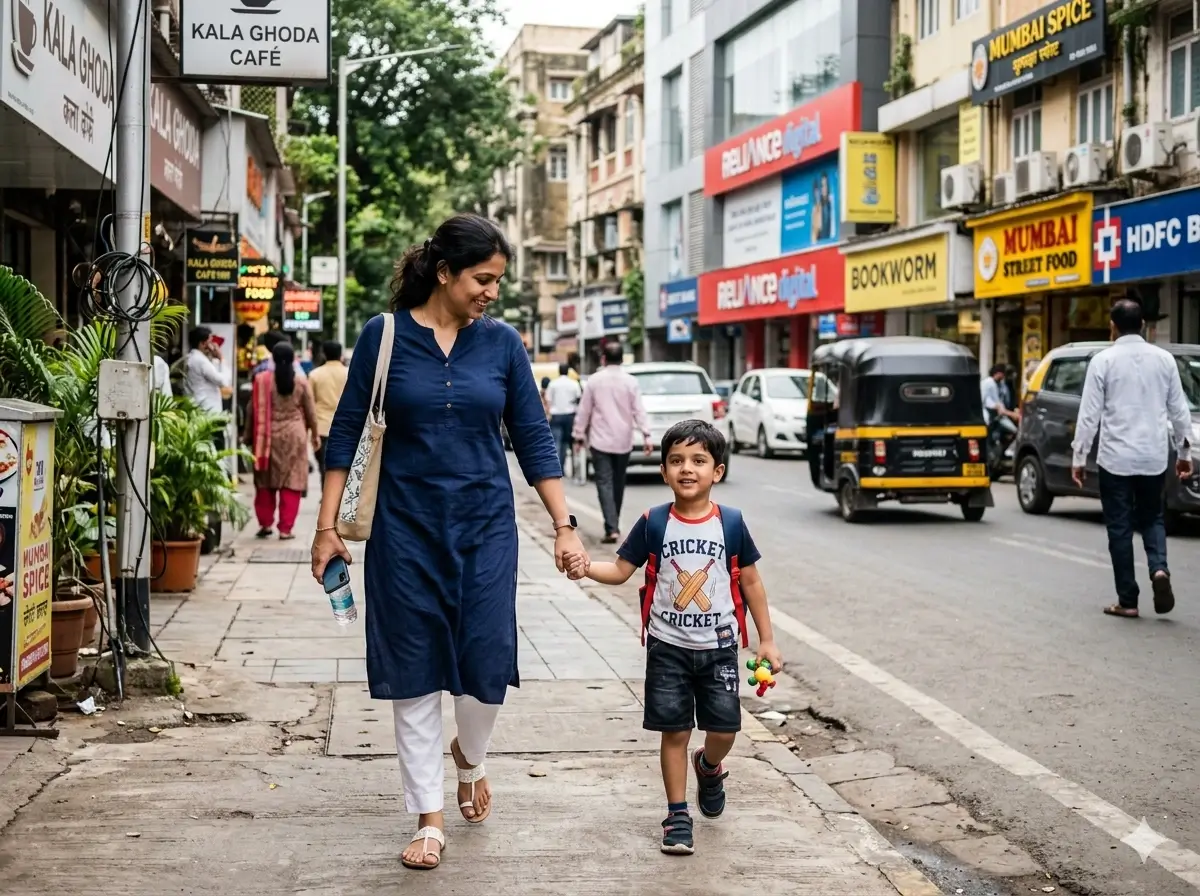
Discipline should help children grow, not make them afraid. Respect cannot be forced through violence; it must be earned through love, consistency, and understanding. In today’s fast-changing world, children already face academic, social, and emotional pressure. What they need most from adults is emotional safety and guidance.