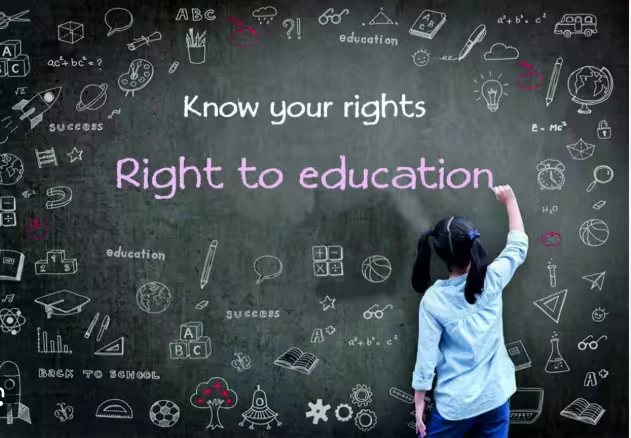
Education is a fundamental right, not a privilege—and India's Constitution guarantees it. Under Article 21A, every child aged 6 to 14 years has the right to free and compulsory education. The Right to Education (RTE) Act, 2009 transforms this guarantee into reality, ensuring that no child is denied quality schooling due to poverty, social barriers, or disability. This comprehensive guide walks parents through RTE admissions, eligibility criteria, benefits, and the application process for 2025-26.
What Is RTE Admission? Understanding Your Child's Educational Rights
The Right to Education admission scheme is India's most inclusive education initiative. Under RTE, private schools must reserve 25% of seats for economically weaker sections (EWS), disadvantaged groups (DG), and children with special needs (CWSN). Additionally, government schools provide free education for all children, eliminating financial barriers entirely.
- Your child receives quality education without tuition fees
- Schools provide textbooks, uniforms, and mid-day meals at no cost
- Children study alongside peers from diverse backgrounds, fostering social harmony
- Special infrastructure and trained educators support children with disabilities
RTE admissions operate across all Indian states and union territories, though specific processes vary by location. The beauty of this system is its transparency—admissions happen through computerized lotteries, ensuring fairness and removing favoritism.
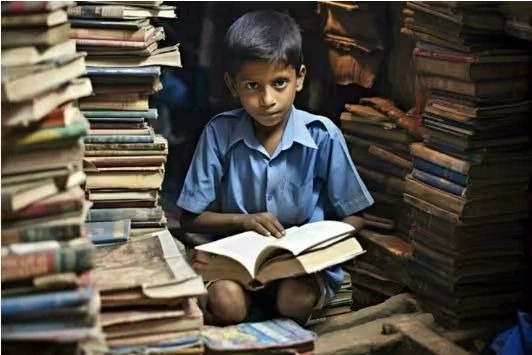
Who Qualifies for RTE Admissions? Eligibility Criteria Explained
Understanding RTE eligibility is your first step toward securing admission. Here's what you need to know:
Economically Weaker Section (EWS)
Children from families with limited annual income qualify under the EWS category. Income limits vary by state and are updated annually:
- Delhi: ₹5 lakh (recently increased from ₹2.5 lakh in December 2024)
- Maharashtra: ₹1 to ₹1.5 lakh
- Gujarat: ₹6 lakh
- Rajasthan: ₹2.5 lakh
- Tamil Nadu: ₹2 lakh
Disadvantaged Groups (DG)
This category includes historically marginalized children:
- Scheduled Castes (SC)
- Scheduled Tribes (ST)
- Other Backward Classes (OBC)
- Children with disabilities (minimum 40% impairment)
- Orphans
- Children affected by HIV
Children with Special Needs (CWSN)
The RTE Act aligns with the Rights of Persons with Disabilities (RPWD) Act, 2016, guaranteeing that children with physical, mental, or learning disabilities receive inclusive education. This includes:
- Children with autism, cerebral palsy, and developmental delays
- Students requiring speech therapy or learning support
- Children with multiple or severe disabilities (eligible for home-based education)
Basic Requirements
To apply for RTE admissions, ensure your child meets these criteria:
- Age: 6 to 14 years (specific age for each class)
- Residency: Child must be a state resident
- First-time admission: Child shouldn't already study in another private school
- Documentation: Birth certificate, income certificate, caste certificate (if applicable), and disability certificate (if applicable)
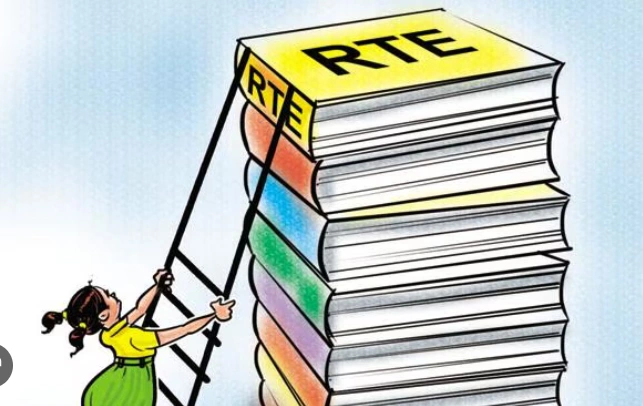
RTE Admission Quota: How Seats Are Reserved
Understanding the RTE 25% quota system clarifies how seats are distributed:
- Private Schools: 25% of seats reserved for EWS + DG + CWSN categories
- Government Schools: Free education for all children, no quota needed
- Seat Allocation: Determined through computerized lottery systems to ensure transparency and fairness
For example, if a private school has 100 seats in Class 1, 25 seats are reserved for RTE categories. If more eligible children apply than available seats, a lottery determines admission, giving every qualified child an equal chance.
Step-by-Step RTE Admission Process for 2025-26
Step 1: Verify Your Eligibility
Visit your state's official RTE portal and use the eligibility checker:
- Maharashtra: student.maharashtra.gov.in
- Delhi: edudel.nic.in
- Gujarat: rte25.gujarat.gov.in
- Rajasthan: rajpsp.nic.in
Enter your income, caste status (if applicable), and disability details to confirm eligibility.
Step 2: Gather Required Documents
Prepare these documents well in advance:
- Birth certificate (municipal/state-issued)
- Proof of residence (Aadhaar card, utility bills)
- Income certificate (issued by revenue officer/tehsildar)
- Caste certificate (if applying under DG category)
- Disability certificate (if child has special needs, issued by authorized medical board)
- Aadhar card (for identity verification)
- Passport-size photograph (recent, color)
Step 3: Register Online and Complete Application
Open the official RTE portal for your state and:
- Create a unique login account
- Fill in personal details accurately
- Provide child's information, parent's contact details, and category (EWS/DG/CWSN)
- Upload all scanned documents in required formats
- Select up to 10 preferred schools in order of preference
- Review all entries carefully before submission
Application fees: Most states charge no fee or minimal fees (₹0-100).
Step 4: Submit and Receive Acknowledgment
After submission, you'll receive:
- Confirmation message on your registered mobile number
- Application acknowledgment with reference number
- Email with login credentials for tracking status
Step 5: Participate in the Computerized Lottery
Once applications close, the state education department conducts an online lottery draw:
- Seats are allocated randomly to ensure fairness
- Selection results are announced via SMS and published on official portals
- If selected, your name appears in the lottery results within 24-48 hours
- If not selected initially, your name goes to a waiting list for potential future rounds
2025-26 Timeline (varies by state):
- Delhi: Application window closed February 19, 2025; first lottery March 3, 2025
- Maharashtra: Applications January-February 2026; lottery February-March 2026
- Other states: Check individual portals for exact dates
Step 6: Complete Admission Formalities
Selected candidates must visit the allocated school with:
- Original documents for verification
- Copies of all submitted documents
- Proof of identity
- Completed admission form provided by the school
Schools verify documents, confirm admission, and provide:
- Free uniform and textbooks
- Mid-day meal facility
- Student ID card
- Class schedule and fee waiver documentation

Key Benefits of RTE Admissions for Your Child
Equal Access to Quality Education
RTE ensures your child studies in schools with better infrastructure, qualified teachers, and modern teaching methods—traditionally available only to fee-paying students. Your child gains exposure to diverse peers, building social skills and understanding of different cultures from an early age.
Financial Relief for Families
Under RTE, all direct costs—tuition, books, uniforms, and meals—are covered by schools or the government. This removes the ₹50,000 to ₹3,00,000+ annual burden that private school fees impose, enabling families to invest in healthcare, nutrition, and other essentials.
Breaking the Cycle of Poverty
Education is the most powerful tool for social mobility. RTE admissions give underprivileged children access to quality schooling, enabling them to pursue higher education, competitive exams, and better career opportunities—transforming generational outcomes for families.
Inclusive Learning Environment
When children from different socio-economic backgrounds study together:
- Social prejudices and stereotypes diminish
- Empathy, respect, and cooperation flourish
- Schools become microcosms of inclusive society
- Every child develops confidence in diverse settings
Special Support for Children with Disabilities
CWSN students receive:
- Barrier-free infrastructure (ramps, accessible toilets, elevators)
- Trained special educators
- Assistive learning devices and Braille materials
- Therapeutic support (speech therapy, counseling)
- Extra time and alternative exam formats
This ensures children with disabilities learn and thrive alongside peers, not in isolation.
Important Updates and Recent Changes in RTE 2025-26
Delhi's Revised Income Threshold
In December 2024, the Delhi High Court increased EWS income limits from ₹2.5 lakh to ₹5 lakh annually, effective immediately. This expansion allows over 20,000 additional families access to quality private school education—a significant relief for middle-class families previously excluded.
Supreme Court's Historic Ruling
In August 2024, the Supreme Court upheld the mandatory 25% EWS quota in private schools, rejecting attempts by states to exempt schools when government schools existed nearby. This ensures private school quality and resources remain accessible to EWS children, not just government school options.
Increased State Enforcement
States like Haryana now strictly monitor compliance, with 70% of private schools meeting RTE quotas. Schools failing to reserve Class 1 seats face recognition revocation, ensuring genuine implementation rather than tokenism.
Earlier Admission Timelines
Delhi and other states have advanced admission schedules, allowing RTE-admitted students to begin classes alongside general-category students from April 1, promoting integration from day one.
Common Challenges and Solutions
Challenge 1: Confusing Income Limits Across States
Solution: Visit your state's official education portal first. Use income calculators provided online, and maintain clear income documentation (tax returns, salary slips, rent agreements) to prevent rejection during verification.
Challenge 2: Complex Document Requirements
Solution: Prepare documents 2-3 months ahead. Visit your local revenue office early to obtain income and caste certificates. Keep digital copies of everything and verify checklist completeness before uploading.
Challenge 3: Limited Seats and Lottery Competition
Solution: Apply early and select diverse school options based on proximity and quality. Understand that the lottery is random and fair—your child has an equal chance as every other applicant. If initially unsuccessful, monitor waiting lists through SMS updates.
Challenge 4: Schools Discouraging RTE Admissions
Solution: Know your rights. Schools cannot refuse RTE admissions, demand additional fees, or create barriers. Report violations to the state education department or file complaints through the National Complaint Portal for immediate action.
Maximizing Your RTE Application: Pro Tips for Success
- Start early: Begin gathering documents 2-3 months before application windows open
- Use official portals only: Avoid third-party sites; access only government education department websites
- Double-check accuracy: Verify all details, spellings, and dates—errors lead to auto-rejection
- Select schools strategically: Choose diverse options considering proximity, reputation, and extracurricular offerings
- Monitor deadlines: Set calendar reminders for application dates, lottery announcements, and admission verification
- Document everything: Keep screenshots of confirmations, lottery results, and admission letters
- Know your rights: Understand that schools cannot deny admission, charge fees, or provide inferior treatment to RTE students
The Bigger Picture: RTE's Impact on India's Education System
Since 2009, RTE admissions have transformed educational access across India. Over 22.66 lakh children with special needs now study in inclusive mainstream schools. Millions of EWS children access private schools annually, reducing educational inequality and building a more cohesive society.
Prime Minister Narendra Modi has repeatedly emphasized that education is the foundation for national growth. RTE embodies this vision—ensuring every child, regardless of economic background or social status, has the opportunity to realize their potential and contribute meaningfully to society.
"By education, I mean an all-round drawing out of the best in child and man—body, mind and spirit." - Mahatma Gandhi
RTE admissions make this vision tangible for millions of Indian children every year.
Final Thoughts: Your Child's Right, Your Responsibility
RTE admissions represent India's commitment to educational equality. Whether your child qualifies under EWS, DG, or CWSN categories, you have a legal right to quality education. The system is transparent, fair, and increasingly effective.
- Verify eligibility using your state portal
- Gather documents immediately
- Stay updated on application dates
- Apply confidently—your child deserves quality education
- Track progress through official channels
Remember: In India's RTE system, every child's right to learn is guaranteed, protected, and empowered. Use this opportunity to transform your child's educational journey.
- National Portal of India (education section)
- State Directorate of Education websites
- Local revenue offices for document verification
- National Scholarship Portal for additional educational support schemes