Why Student Violence Is Increasing in Delhi Schools
The roots of this aggression are multifaceted, stemming from various aspects of a child's environment.
Media Exposure & DesensitizationEasy access to violent content in movies, video games, and social media normalizes aggression as a problem-solving tool.
Changing Family StructuresNuclear families and busy working parents often mean less direct supervision and emotional engagement, leaving children feeling neglected.
Intense Academic PressureDelhi's hyper-competitive environment creates stress and fear of failure, which can manifest as anger without healthy coping mechanisms.
Peer Influence & BullyingAggression is sometimes used to gain attention or fit in. Bullying establishes power, creating a toxic cycle of victims becoming aggressors.
Recent Signs of the Problem
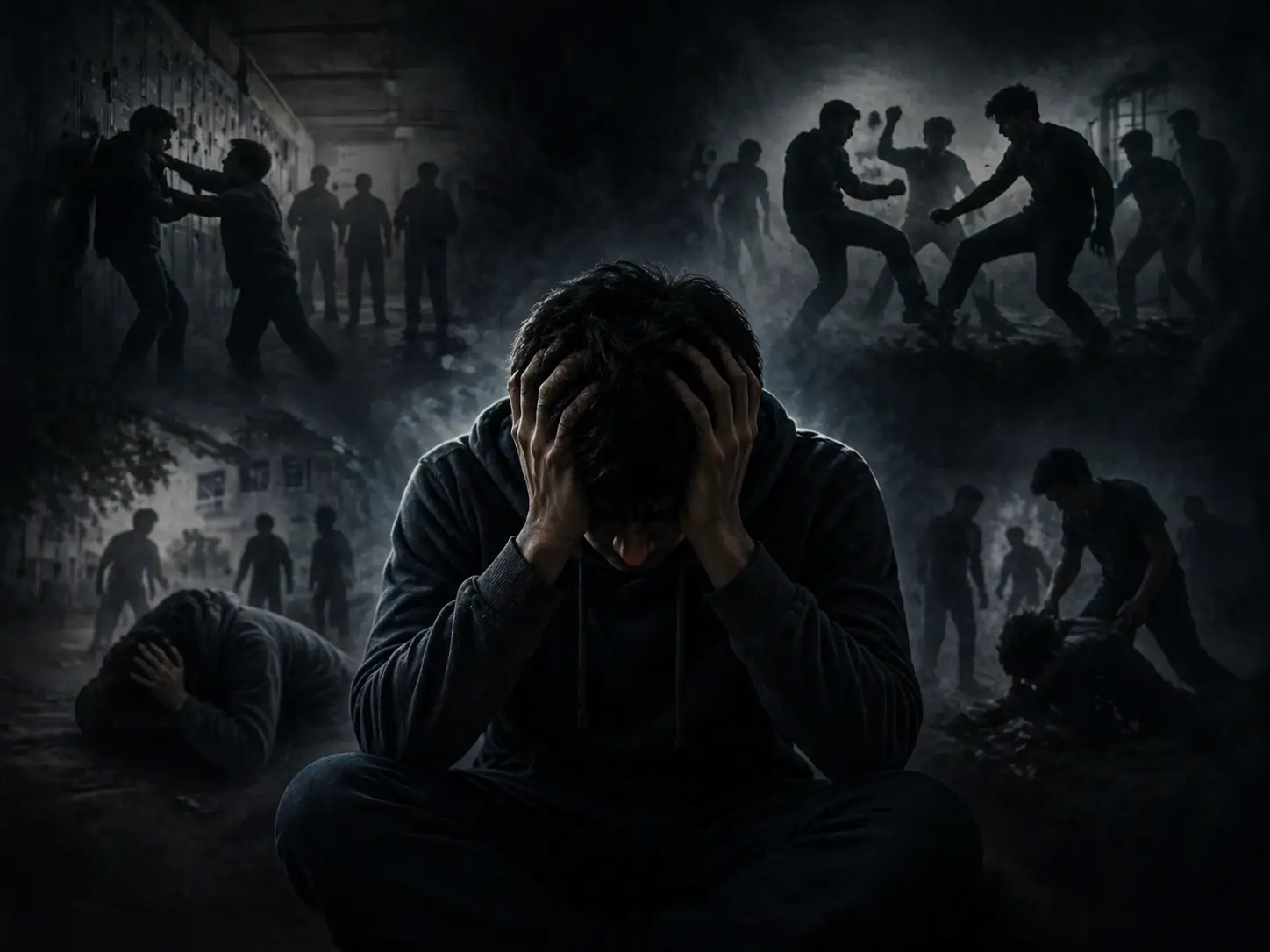
Recent incidents in Delhi have made the issue impossible to ignore. Reports of physical fights escalating quickly, sometimes causing serious injuries, are becoming more common.
In some alarming cases, students have even brought knives or other sharp objects to school, showing a troubling shift toward more dangerous forms of violence. These incidents are not just acts of indiscipline. They often reflect deeper emotional distress and social strain among students, highlighting the urgent need for early intervention and stronger school safety protocols.
The Role of Schools in Preventing Violence
Schools play a critical role in shaping student behavior. Yet many schools focus heavily on academic achievement while giving too little attention to emotional education and conflict resolution.
Emotional Education
Students need to be taught how to manage anger and communicate effectively.
Conflict Resolution
Learning to settle disagreements peacefully is a crucial life skill.
Active Supervision
Better monitoring of corridors and playgrounds is essential.
Without these life skills, students may resort to aggression when conflicts arise. Poor supervision can create opportunities for violence to happen unnoticed.
Long-Term Consequences of School Violence
Violence among school students is dangerous not only because of immediate physical harm, but also because of its long-term psychological effects.
- For Victims: Fear, anxiety, low self-esteem, and depression. School becomes a place of danger, affecting academic performance.
- For Aggressors: Development of aggressive patterns that continue into adulthood, leading to serious personal and social consequences.
- For the Environment: Creates widespread insecurity. Fear and tension reduce participation and weaken the school atmosphere.
What Parents Can Do
Addressing school violence requires parents to play an active role. They must prioritize open communication with children and create a safe space where children can express thoughts and emotions without fear of judgment.
Essential steps for parents include:
Prioritizing open communication
Spending quality time together
Noticing behavioral changes early
Parents should pay attention to changes in mood, friendships, or habits that may signal stress or aggression. When children feel heard at home, they are less likely to express frustration through harmful behavior at school.

What Schools and Society Must Do
Schools must go beyond academics and focus on holistic development.
Emotional Intelligence ProgramsIntroducing programs on mental health awareness and conflict resolution.
Counseling ServicesProviding accessible support for students facing emotional difficulties.
Teacher TrainingTraining educators to recognize early signs of aggression and intervene appropriately.
At a broader level, there is a need to regulate the kind of content children consume through digital media. Encouraging responsible use of technology and promoting positive content can make a meaningful difference. Community initiatives, awareness campaigns, and stricter school safety policies can also help reduce incidents of violence.
The Way Forward for Safer Schools in Delhi
The increase in violence among school students in Delhi is a serious concern, but it is not beyond solution. The causes are varied—media exposure, family changes, academic pressure, peer influence, and lack of emotional support. The consequences are equally broad, affecting individuals as well as the entire educational environment.
However, with timely intervention, awareness, and a stronger focus on emotional well-being, this problem can be addressed effectively. Schools must remain places of learning, growth, and positivity, not fear and conflict.