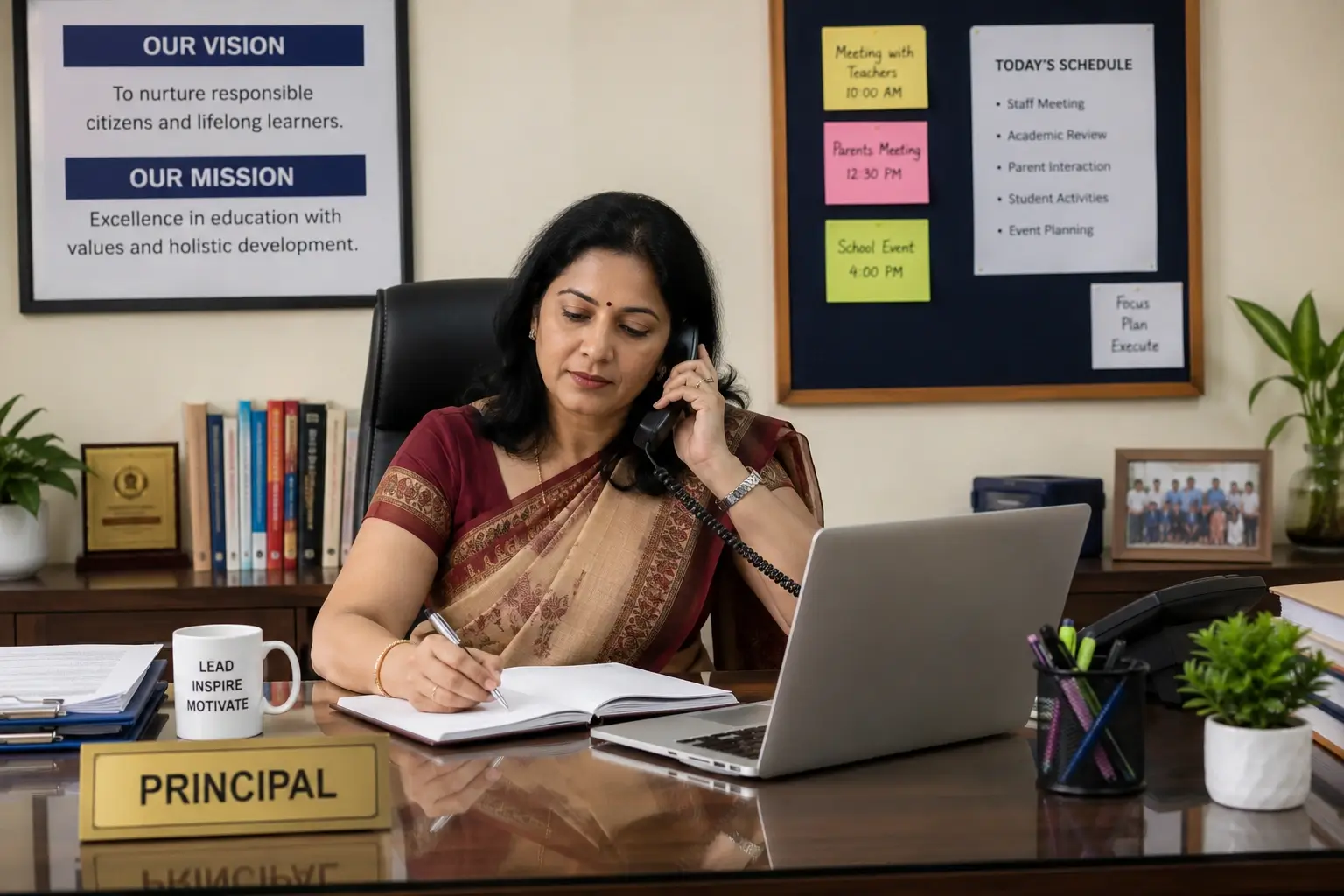
Key Takeaways & Core Considerations
The Multifaceted Role
Principals handle academics, safety, compliance, finance, parent relations, and staff management simultaneously.
Unsustainable Workloads
Constant communication tools blur boundaries, leaving leaders mentally at work long after school hours end.
The Final Escalation Point
Nearly every unresolved school dispute—from student arguments to administrative bottlenecks—ultimately lands on the principal's desk.
Distributed Leadership
Overcoming institutional burnout requires delegating routine tasks, adopting tech solutions, and strengthening middle management.
The Evolving Role Beyond Academics
Traditionally, a principal's primary responsibility was maintaining academic discipline and overall school operations. Today, those responsibilities have expanded exponentially. A modern principal regularly monitors:
Academic & Faculty FocusAcademic performance and teacher evaluations.
Student Well-beingChild safety, student discipline, and mental well-being.
Public & Parent RelationsParent communication, grievances, and emergency situations.
Operations & ResourcesStaff recruitment, school infrastructure, and finances.
AdministrationExamination arrangements, government compliance, and documentation.
With these multi-layered duties, a principal's workday rarely ends when the final school bell rings.
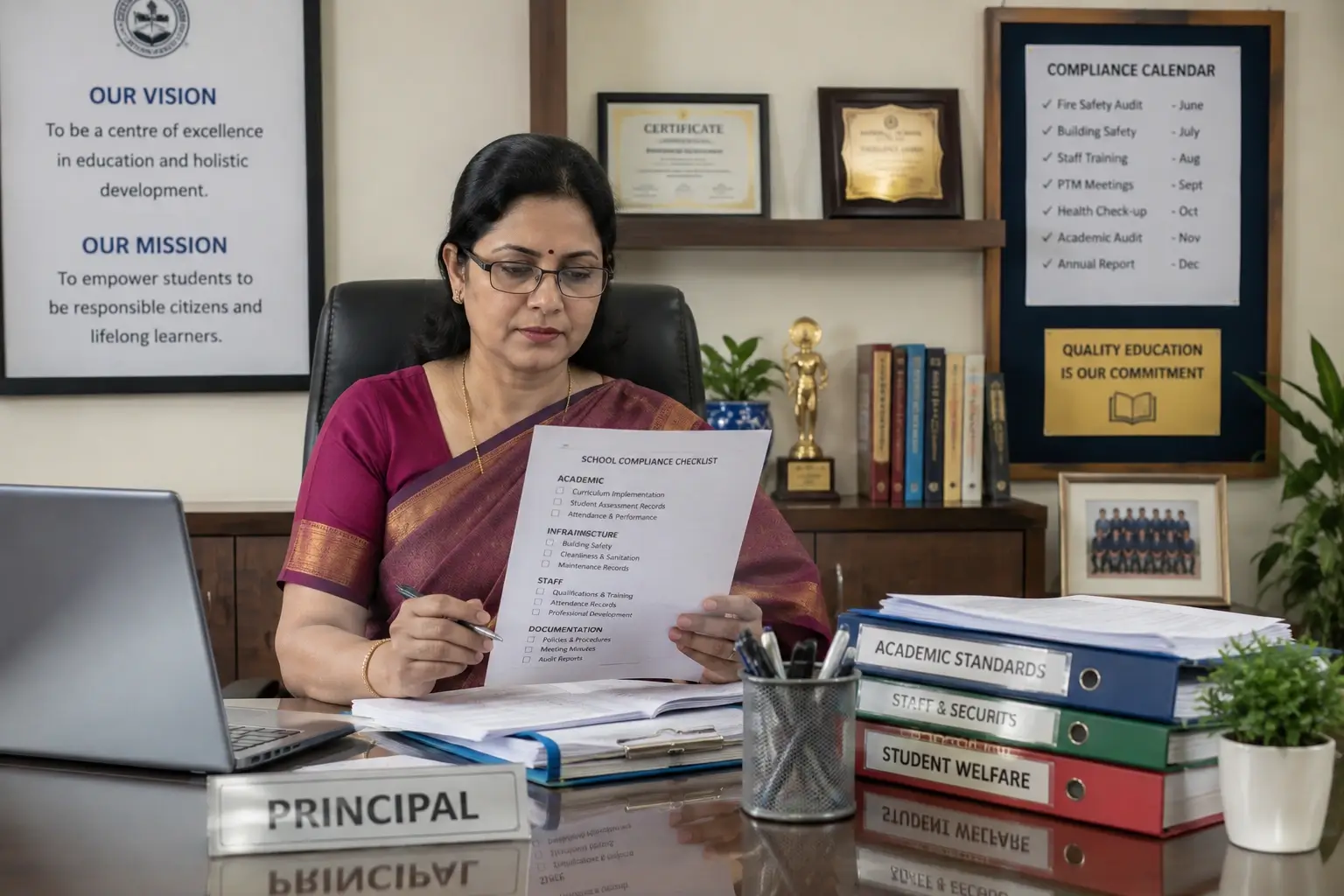
Escalated Parental Expectations & Always-On Pressure
Modern parents are informed, involved, and heavily invested in their children's experiences. While a safe and collaborative school environment is vital, the nature of expectations has shifted dramatically through smartphones and instant messaging apps.
A message sent late at night often carries an expectation of an immediate reply. Combined with the speed of social media—where a single incident can circulate across digital platforms within hours—principals face intense pressure to protect student interests while safeguarding institutional reputation.
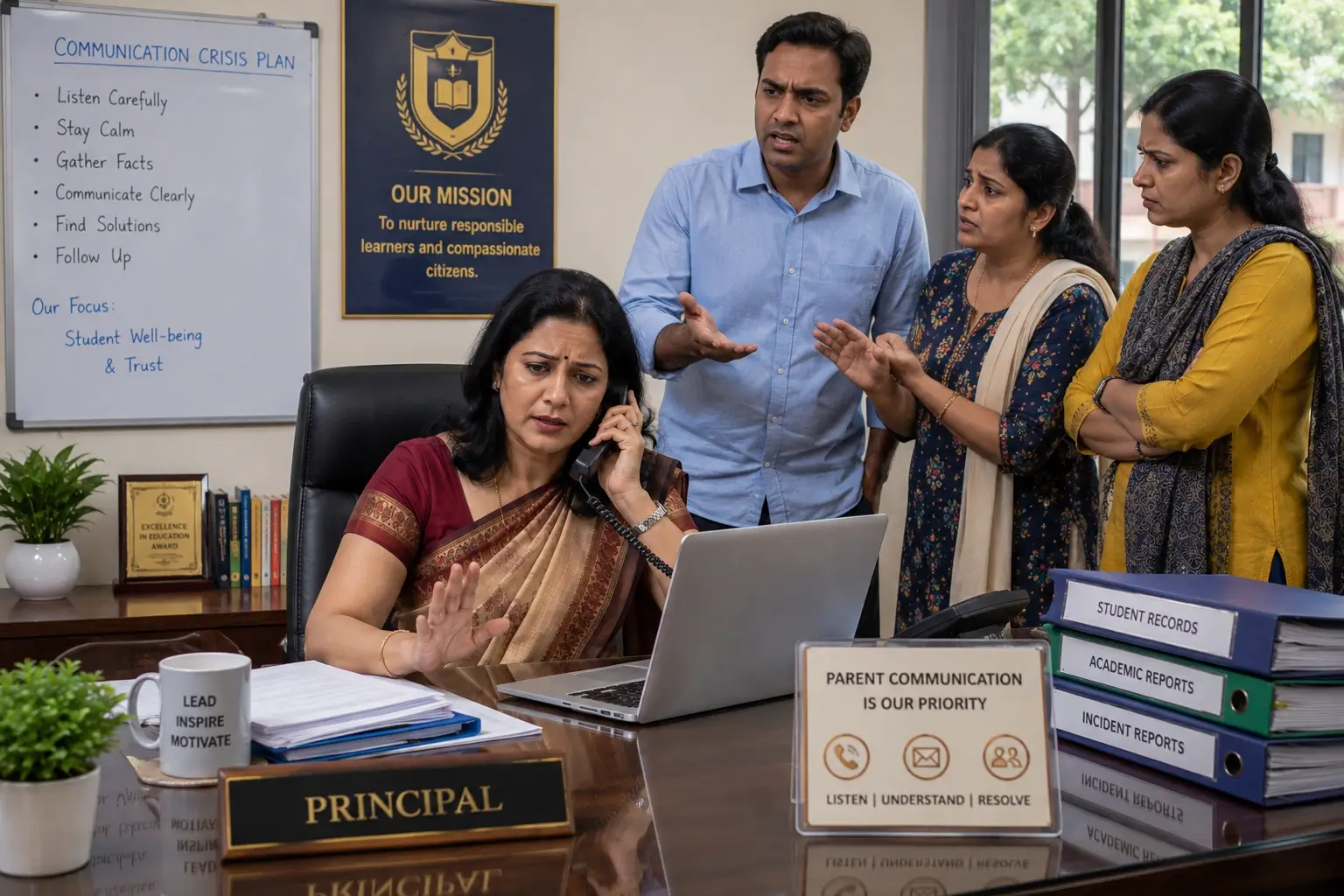
Institutional Bottlenecks: Compliance and Conflict
Operating within a complex regulatory framework requires exhaustive documentation, safety compliance, and record-keeping. These administrative obligations pull leaders away from core educational guidance. Furthermore, because the principal is the final point of escalation for teachers, parents, and management, unexpected daily crises frequently derail carefully planned schedules.
Moving Toward Sustainable Solutions
If India aims to cultivate better schools, the working conditions of school leaders require serious reform. Key steps to alleviate these pressures include:
Enhancing Administrative SupportDelegate routine documentation and use automation technology to reduce repetitive tasks.
Strengthen Middle ManagementEmpower academic coordinators, counsellors, and department heads so that everyday issues find resolution before reaching the principal.
Restoring Focus on EducationFree principals from endless firefighting so they can observe classrooms, mentor teachers, and guide the long-term vision of the school.

Cultivating Better Educational Environments
Ultimately, a less overburdened principal leads a better-supported faculty, a healthier school climate, and a vastly superior educational experience for children.