Digital Revolution and Modern Parenting
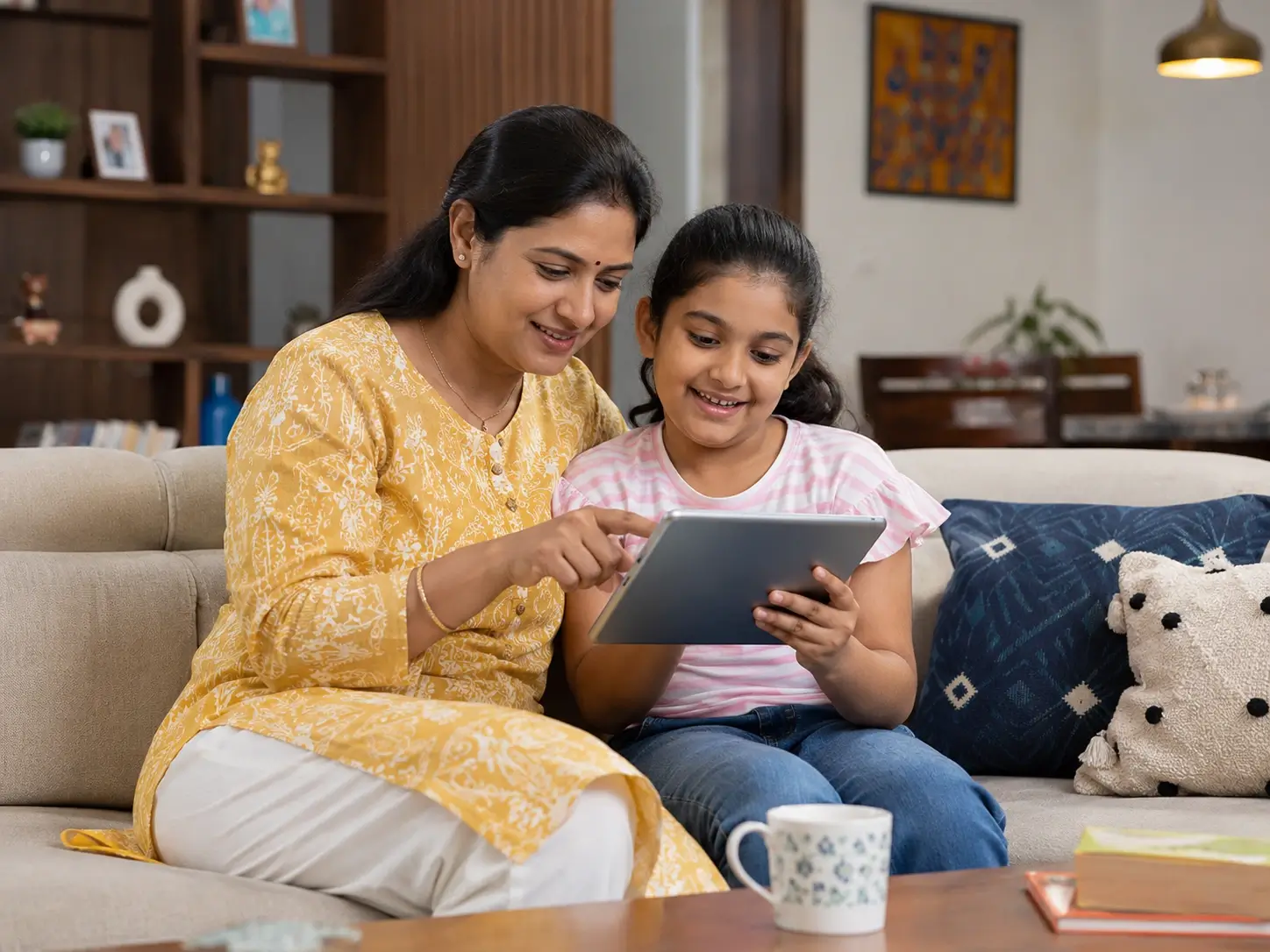
One of the biggest drivers of change is the digital revolution. Children today grow up surrounded by smartphones, tablets, social media, and instant access to information. Unlike earlier generations, where learning was largely limited to books and classrooms, children now have a vast digital universe at their fingertips.
This has made parenting more demanding. Parents must now manage screen time, ensure online safety, and guide children to use technology responsibly. They must often learn alongside their children. The challenge is to use technology as a tool for learning while preventing overdependence and digital addiction.
Changing Family Structures in India
Traditional joint family systems are gradually giving way to nuclear families, especially in urban areas. In earlier times, grandparents and extended family members played a major role in guiding children, passing on values, and providing emotional support. Today, many parents raise children largely on their own.
This shift increases both responsibility and pressure. Parents must now play multiple roles—caregiver, educator, emotional support system, and sometimes even playmate. While nuclear families offer independence and flexibility, they also require greater involvement and more intentional parenting.
More Information, More Confusion
Modern parents have access to an overwhelming amount of information about child development, psychology, nutrition, and education. Books, blogs, workshops, and online forums provide guidance at every step. While this access is empowering, it can also be confusing.
Conflicting advice and unrealistic expectations often create self-doubt. The pressure to “get everything right” can lead to overthinking and anxiety. Unlike previous generations that relied more on traditional wisdom, today’s parents must sort through many perspectives and choose what works best for their child.
From Authoritarian to Collaborative Parenting
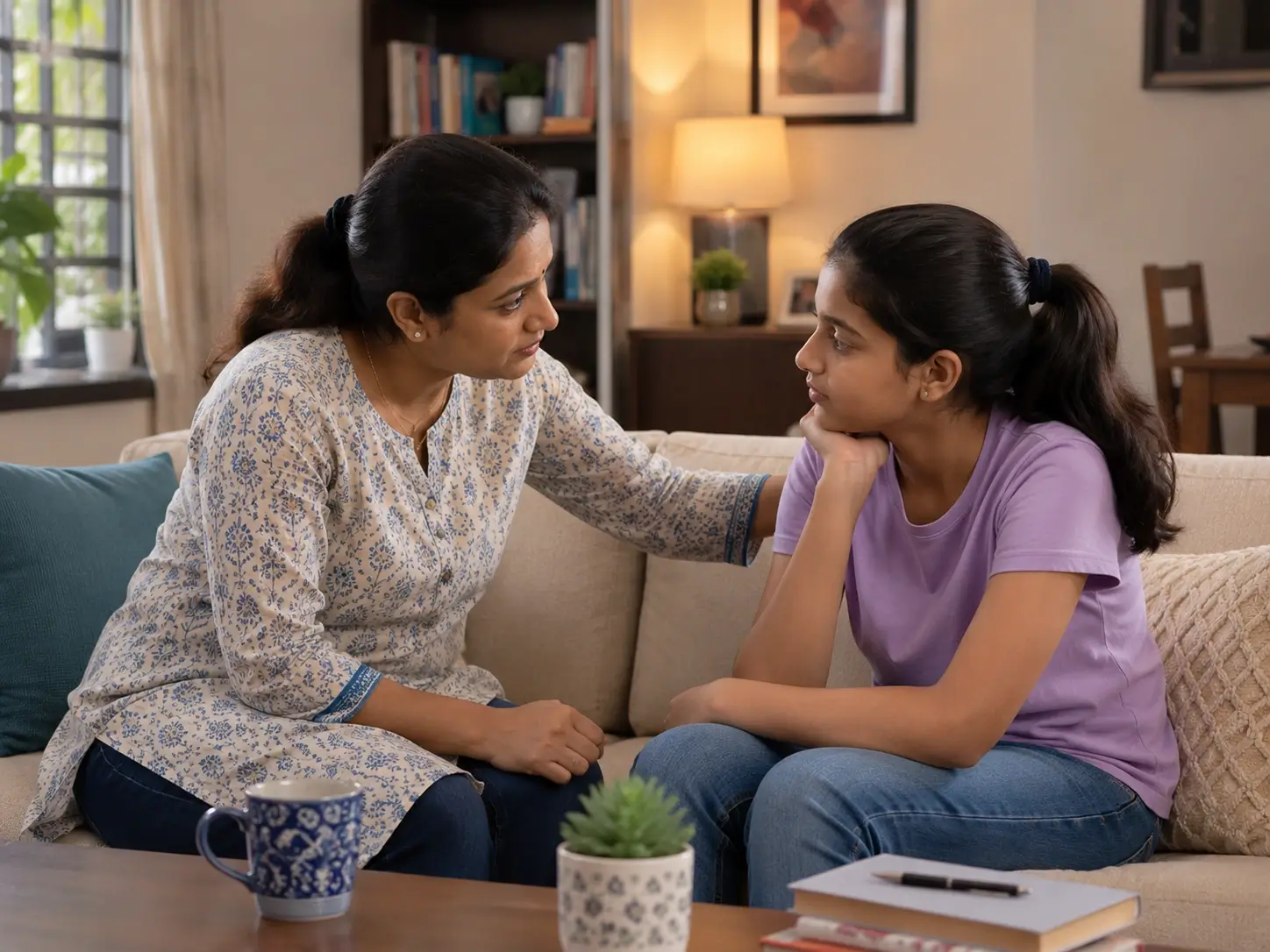
Parenting styles have changed significantly over time. Earlier, authoritarian parenting—with strict rules and obedience—was more common. Today, there is a clear shift toward collaborative and empathetic parenting.
Modern parents are more likely to listen, respect their children’s opinions, and involve them in decision-making. Emotional intelligence, communication, and mutual respect are now seen as essential parts of parenting. This reflects a broader shift in society toward individuality and self-expression. However, balance remains important. Too much leniency can reduce discipline, while too much control can limit independence.
Academic Pressure and the Competitive Environment
The educational landscape has become increasingly competitive. From early schooling to higher education, expectations have risen sharply. Parents today are often deeply involved in their children’s academic journey, sometimes to the point of micromanaging it.
This intense focus on achievement can create stress for both children and parents. In the past, career paths may have been more limited and predictable. Today, children face many more opportunities—but also greater demands for adaptability, skill, and performance. Parents are now expected to support academic success while also nurturing creativity, critical thinking, and emotional well-being.
Globalization and Cultural Shifts
Globalization has exposed families to different cultures, ideas, and lifestyles. Children today are influenced not only by their home environment but also by global trends through media and the internet.
This broadens their perspective, but it can also create tension between traditional values and modern influences. Parents often find themselves balancing cultural heritage with change. Teaching children to respect their roots while staying open-minded is a complex but essential part of parenting today.
Mental Health and Emotional Well-Being
One of the most positive changes in modern parenting is the growing focus on mental health. Earlier, emotional struggles were often ignored or misunderstood. Today, there is greater awareness of emotional well-being.
Parents are more attentive to their children’s stress, feelings, anxiety, and self-esteem. Conversations about resilience and emotional strength are becoming more common. This shift reflects a deeper understanding that a child’s success is not only about achievement, but also about happiness and emotional balance.
Work-Life Balance and Quality Time
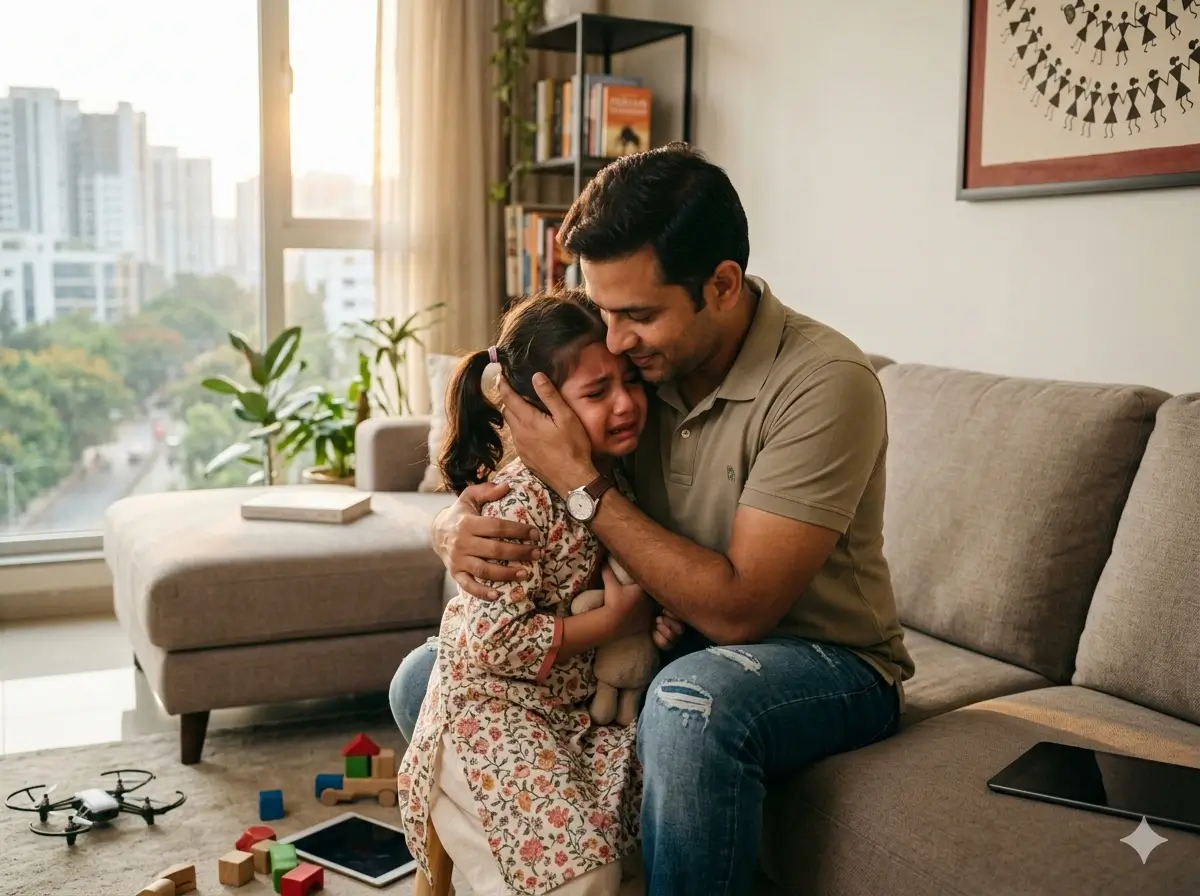
With more dual-income households and demanding work schedules, maintaining work-life balance has become a major challenge. Parents often struggle to spend enough time with their children while managing professional responsibilities.
This has changed how parenting time is understood. It is no longer just about how much time is spent, but about the quality of that time. Shared activities, meaningful conversations, and emotional presence matter more than ever. At the same time, guilt and pressure to “do more” can affect parents, making it important to find realistic and sustainable parenting approaches.
Changing Role of Fathers
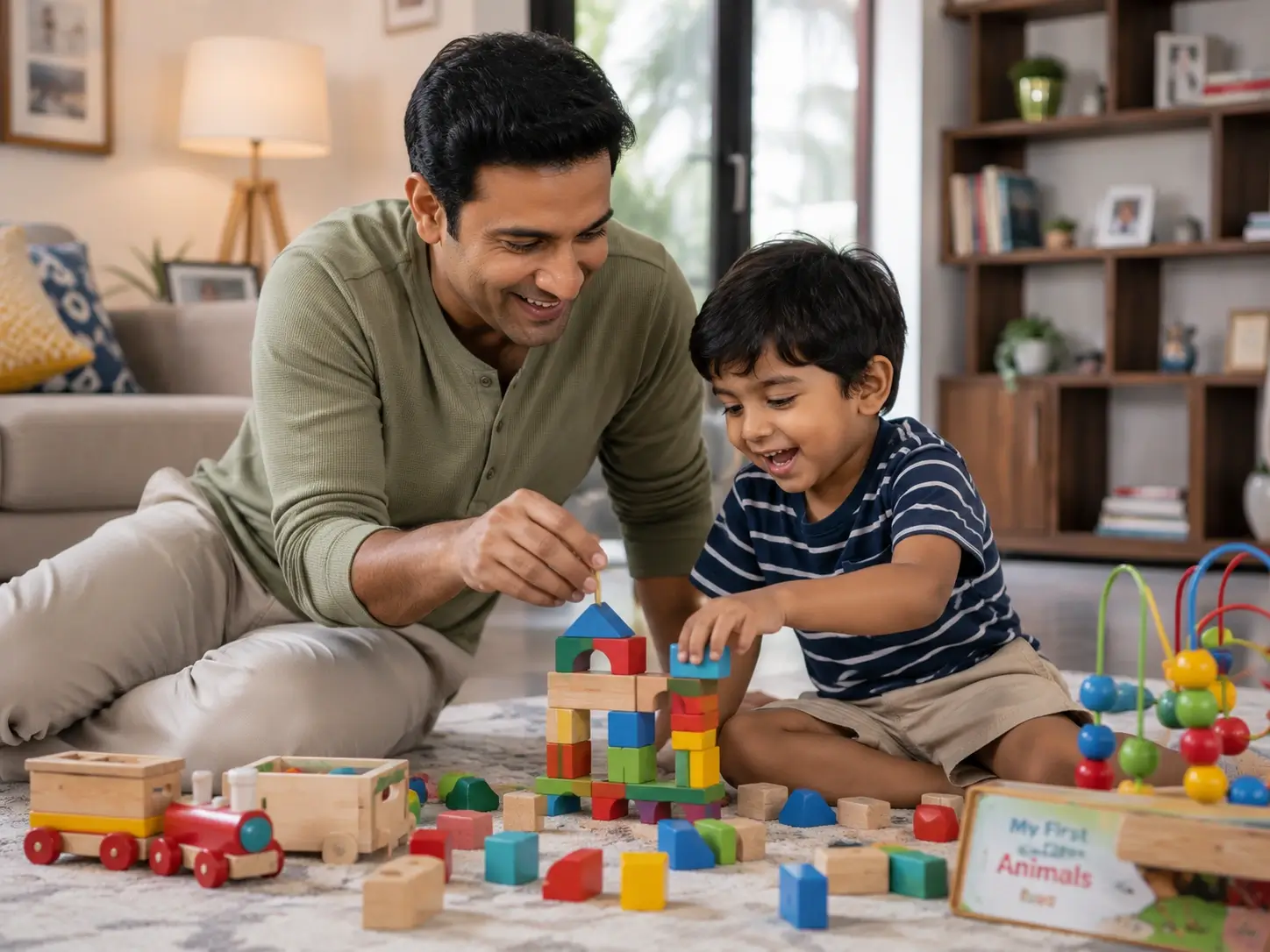
Another important change is the evolving role of fathers. Traditionally seen mainly as providers, fathers today are increasingly involved in everyday parenting. From caregiving to emotional support, their role has expanded significantly.
This shift strengthens family bonds and gives children a more balanced upbringing. Shared parenting also reduces the burden on mothers and promotes a more equitable family dynamic.
Parenting in an Uncertain Future
Modern parenting is also shaped by global uncertainty—climate change, economic instability, and rapid social change. Parents are preparing children for a future that is unpredictable and constantly shifting.
This makes adaptability, resilience, and lifelong learning more important than ever. Instead of preparing children for one fixed path, parents must equip them with the ability to handle change confidently.
Parenting as Tradition and Transformation
Parenting today is changing faster than ever because the world itself is changing rapidly. Technology, social shifts, evolving values, and new challenges have redefined what it means to raise a child.
While these changes bring complexity, they also bring opportunity. Modern parenting allows for greater awareness, emotional connection, and flexibility. It encourages parents to be more thoughtful, informed, and intentional. There is no single correct way to parent. What matters is the ability to adapt, learn, and respond to the unique needs of each child. In this ever-changing journey, parenting remains a blend of tradition and transformation—rooted in love, guided by understanding, and shaped by the times we live in.