Unfortunately, in India, nursery and preschool education are often misunderstood. Some parents see it as glorified daycare, while others treat it as an academic race where children must learn to read, write, and count as early as possible. Both perspectives miss the real purpose of early childhood education.
The First School Experience Shapes Everything That Follows
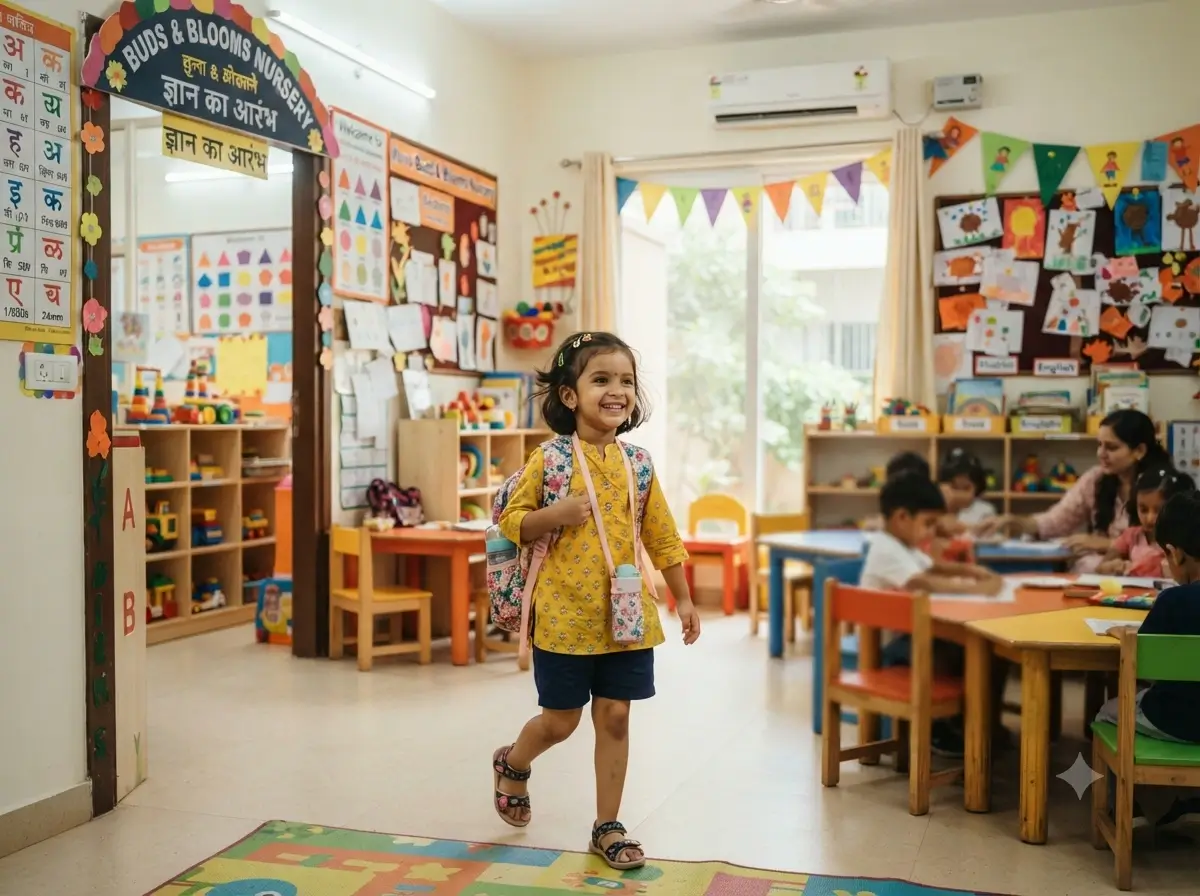
Imagine a child walking into a classroom for the first time. Until then, their world has largely been limited to family members, familiar routines, and the safety of home. Suddenly, they encounter new adults, new rules, new friends, and a completely new environment.
How a child experiences these first few years of schooling often determines how they feel about education itself. A child who feels safe, respected, encouraged, and understood develops confidence and curiosity. A child who experiences excessive pressure, fear, or neglect may begin associating school with anxiety and stress.
This is why nursery education is not about teaching children to score marks. It is about helping them build trust, confidence, independence, and a love for learning.
Social Skills Are Learnt Before Academic Skills
Many parents proudly announce that their three-year-old can recite the alphabet, count to one hundred, or identify flags of different countries. While these achievements can be impressive, they are not the strongest indicators of school readiness.
The real learning happening in a nursery classroom is often invisible. A child learns:
Patience and SharingHow to wait for their turn and how to share toys.
CommunicationHow to ask for help, resolve conflicts, and express emotions.
TeamworkHow to cooperate with others and function as part of a group.
These social and emotional skills become the foundation for future academic success. After all, a child who cannot regulate emotions, communicate effectively, or work collaboratively will struggle regardless of how early they learned to read.
The Brain Develops Most Rapidly During Early Childhood
Scientists have long established that the first few years of life are a period of extraordinary brain development. During these years, children form millions of neural connections through experiences, interactions, play, movement, conversation, and exploration.
This means that nursery education is not simply about keeping children occupied. Every story read aloud, every song sung, every puzzle solved, every question answered, and every game played contributes to cognitive development. When children stack blocks, they learn problem-solving. When they play pretend, they develop imagination and language skills. When they listen to stories, they strengthen attention span, memory, and comprehension.
Learning in nursery happens through experiences, not through worksheets.
Play Is Not a Distraction from Learning—It Is Learning
One of the biggest misconceptions among Indian parents is that play and learning are separate activities. Parents often compare schools based on how much writing work children are doing. If a child returns home with multiple worksheets every day, many assume that the school is academically stronger.
In reality, research consistently shows that young children learn best through play-based experiences.
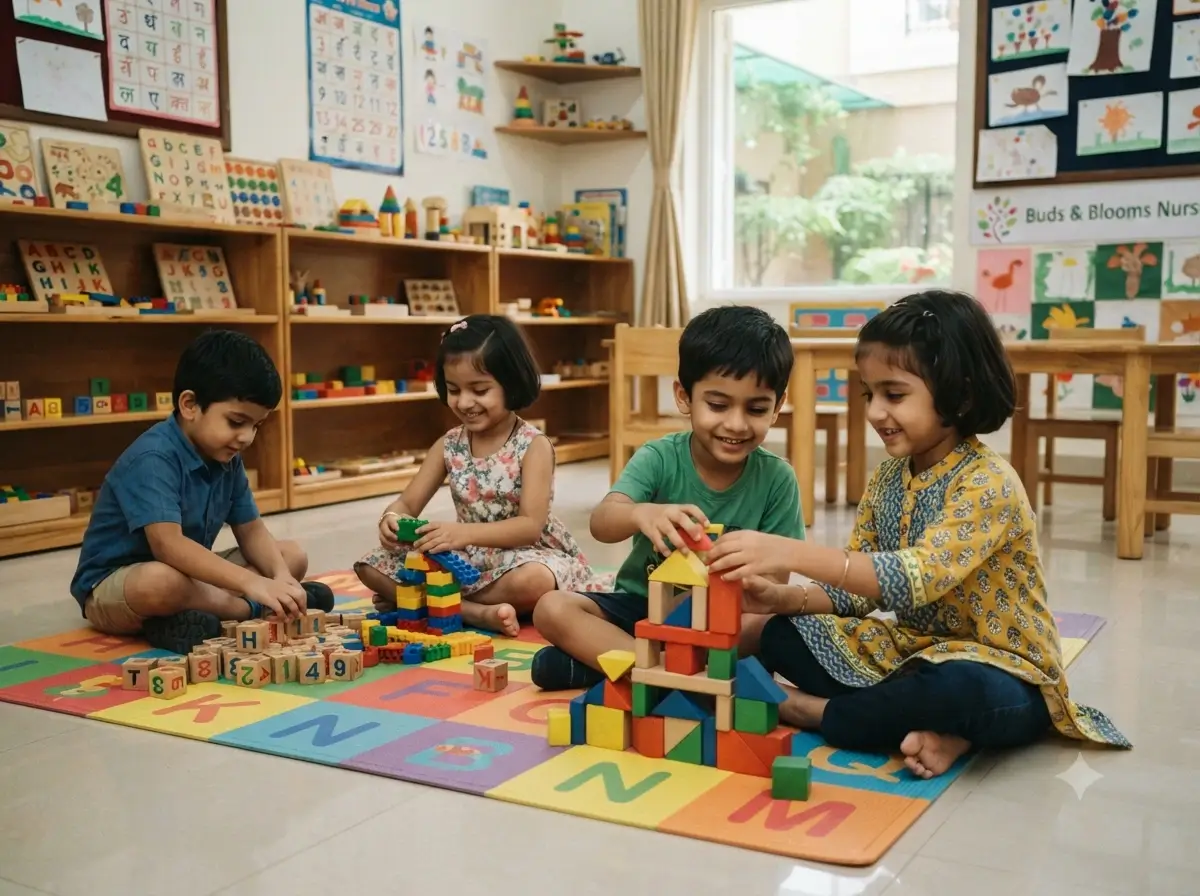
When children build with blocks, create art, sing songs, play with sand and water, participate in role play, or engage in group activities, they are developing critical thinking, creativity, communication skills, and emotional intelligence. The child who spends an hour constructing a tower may be learning more valuable lifelong skills than a child who spends the same hour memorising spellings.
Nursery Builds Independence
For many children, nursery is their first experience of functioning independently outside the family. Simple tasks help children develop confidence and self-reliance.
Personal Responsibility
Carrying their own bag and packing belongings independently.
Self-Care
Washing hands, eating independently, and making choices.
Following Routines
Taking responsibility for small tasks and adapting to structure.
These seemingly ordinary activities teach children one of life’s most important lessons: “I can do things by myself.” This sense of competence becomes the foundation of future learning and achievement.
Language Development Begins Here
The nursery years are also crucial for language development. Children learn not only vocabulary and pronunciation but also how to express feelings, ask questions, listen actively, tell stories, and communicate effectively with others.
In multilingual countries like India, nursery classrooms often become the first place where children learn to navigate multiple languages and cultural contexts simultaneously. A child who develops strong language skills early finds it easier to learn every subject later, whether it is mathematics, science, social studies, or literature.
Emotional Security Matters More Than Academic Excellence
Parents today face enormous pressure. Social media showcases toddlers reading fluently, performing complex calculations, and participating in numerous extracurricular activities. This pressure sometimes leads parents to seek highly academic nursery programmes.
However, education experts repeatedly emphasise that emotional security is a stronger predictor of long-term success than early academic performance. A child who feels emotionally secure develops resilience, curiosity, confidence, and adaptability—qualities that matter far more than learning multiplication tables at age four.
The best nursery schools do not produce children who can merely memorise facts. They nurture children who are eager to explore, question, discover, and learn.
Parents and Schools Must Work Together
A nursery school alone cannot build a strong educational foundation. Parents remain a child’s first and most important teachers. Children thrive when parents:
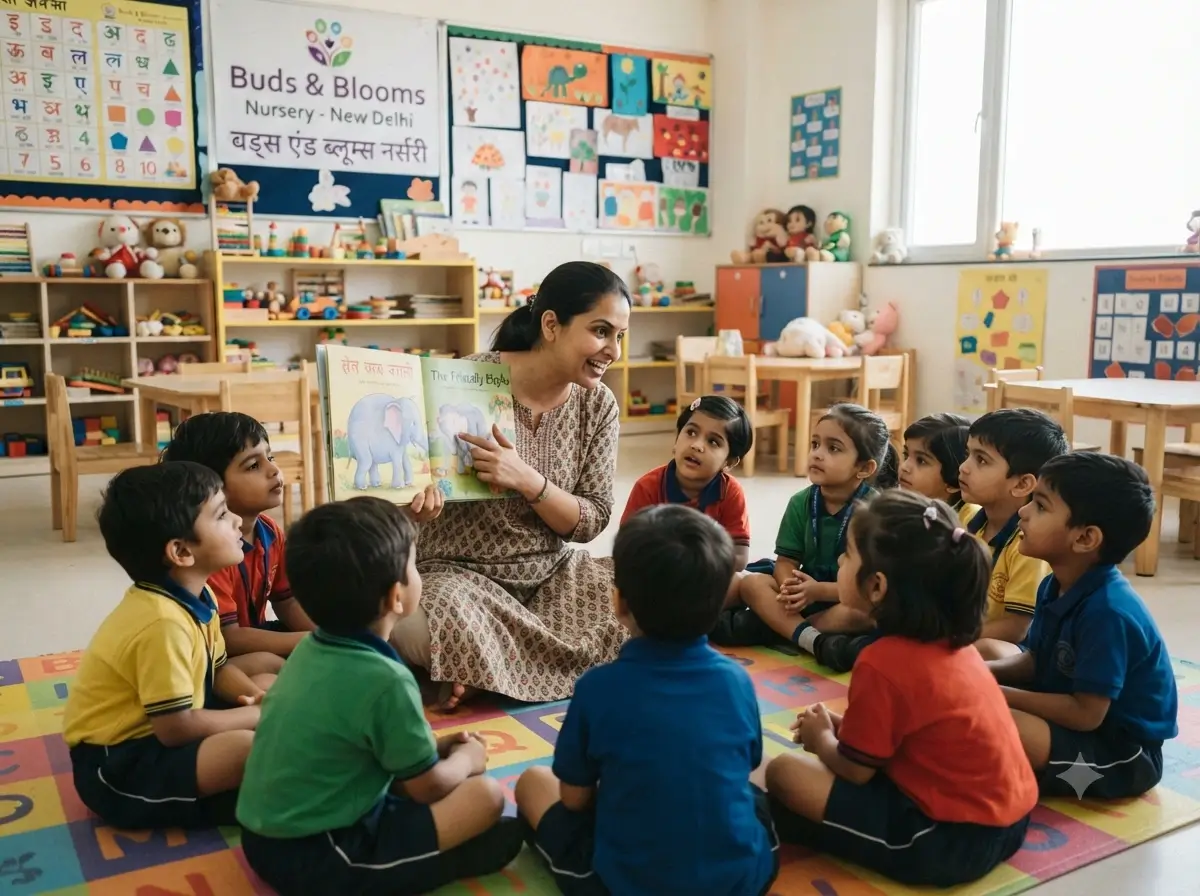
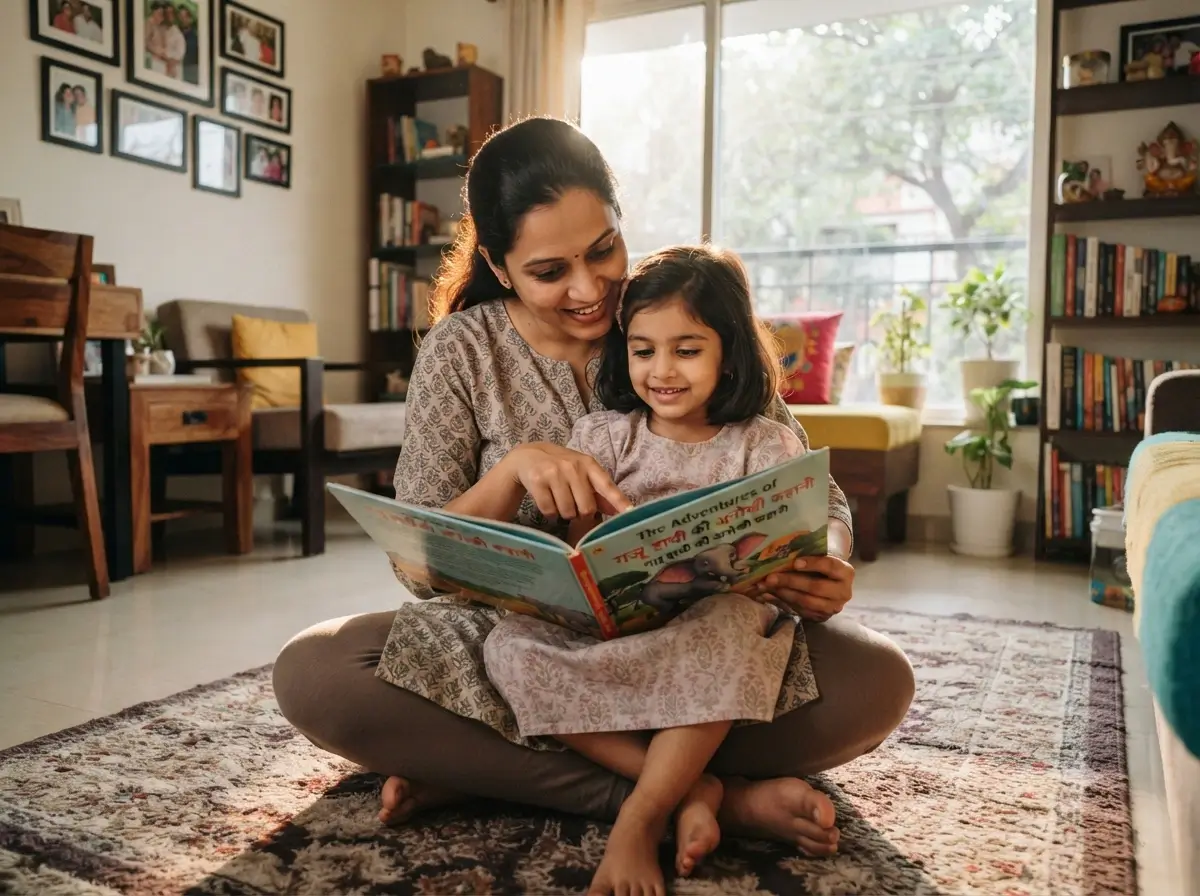
- Read stories at home.
- Encourage conversation.
- Allow free play.
- Limit excessive screen time.
- Celebrate effort rather than perfection.
- Create emotionally secure environments.
When schools and families work together, children develop not only academically but also emotionally, socially, and intellectually.
The Foundation We Build Today Determines the Future We Create Tomorrow
In Indian society, we often celebrate the milestones at the end of the educational journey—the board examination results, entrance test ranks, university admissions, and successful careers. Perhaps it is time we paid equal attention to where that journey truly begins.
A nursery classroom may appear simple: colourful walls, tiny chairs, picture books, toys, songs, and laughter. But behind this simplicity lies one of the most important stages of human development.