Perhaps it is time to rethink the very purpose of holiday homework.
Albert Einstein once remarked, “Education is not the learning of facts, but the training of the mind to think.” If education aims to develop thinking and creativity, then holiday homework should encourage curiosity rather than merely demand completion.

Holidays Are Meant for Growth, Not Stress
Children need time to relax. Rest is not laziness; it is an essential ingredient for learning. Modern research repeatedly highlights that adequate leisure and play improve cognitive abilities, emotional well-being, and creativity.
The Greek philosopher Aristotle said, “The end of labor is to gain leisure.” Leisure is not wasted time. It is a period during which minds recover and imagination flourishes.
Unfortunately, excessive holiday homework often defeats this purpose. Children spend hours copying answers, completing repetitive exercises, and rushing through tasks merely to avoid punishment when school reopens. Such assignments may keep them busy, but they rarely make them wiser.
Learning Should Continue, But Differently
The argument is not that students should stop learning during vacations. Learning is a lifelong process. However, learning need not always come in the form of notebooks and worksheets.
Confucius wisely observed, “I hear and I forget. I see and I remember. I do and I understand.”
Children understand best when they engage in experiences. Instead of asking them to fill twenty pages of grammar exercises, schools can encourage them to:
Such activities are not only enjoyable but also develop observation, communication, empathy, and creativity.

Rabindranath Tagore’s Vision of Learning
Rabindranath Tagore strongly believed that education should not imprison children within four walls. He wrote, “The highest education is that which does not merely give us information but makes our life in harmony with all existence.”
Tagore established Santiniketan with the belief that children should learn from nature, art, music, and real-life experiences. His philosophy remains relevant even today.
Holiday homework that asks children to appreciate nature, engage in artistic pursuits, or spend quality time with family aligns far better with Tagore’s vision than pages of mechanical writing.
Every Child Deserves Time to Discover Interests
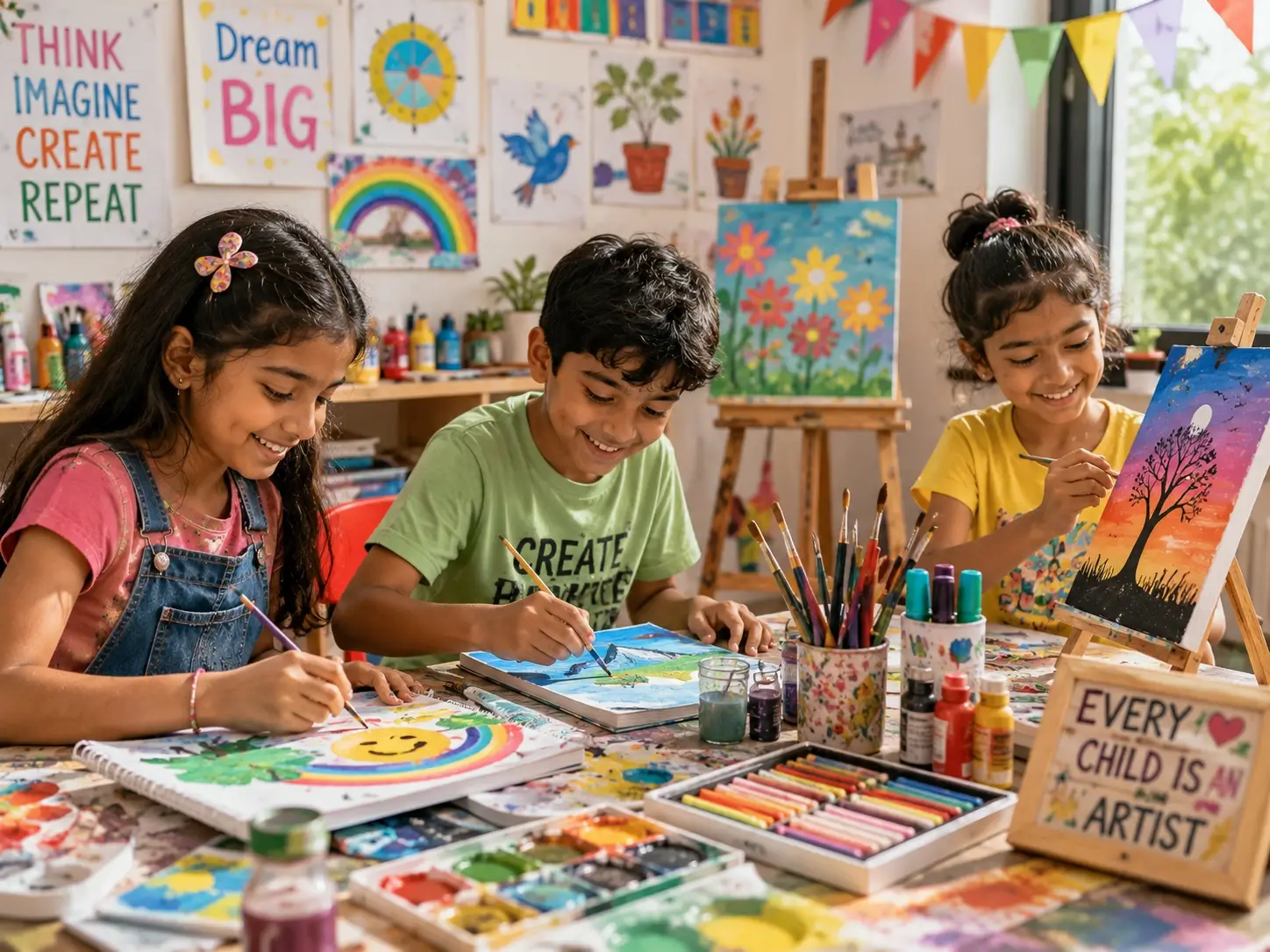
Summer and winter vacations provide opportunities for children to discover talents that regular school schedules often leave unexplored. A child may learn painting, music, swimming, gardening, or even storytelling.
Maria Montessori famously said, “The greatest sign of success for a teacher is to be able to say, ‘The children are now working as if I did not exist.’”
True education creates independent learners. When children pursue hobbies voluntarily, they develop discipline, confidence, and self-motivation. Endless assignments, on the other hand, often create resentment toward learning itself.
Parents Also Need Quality Time with Children
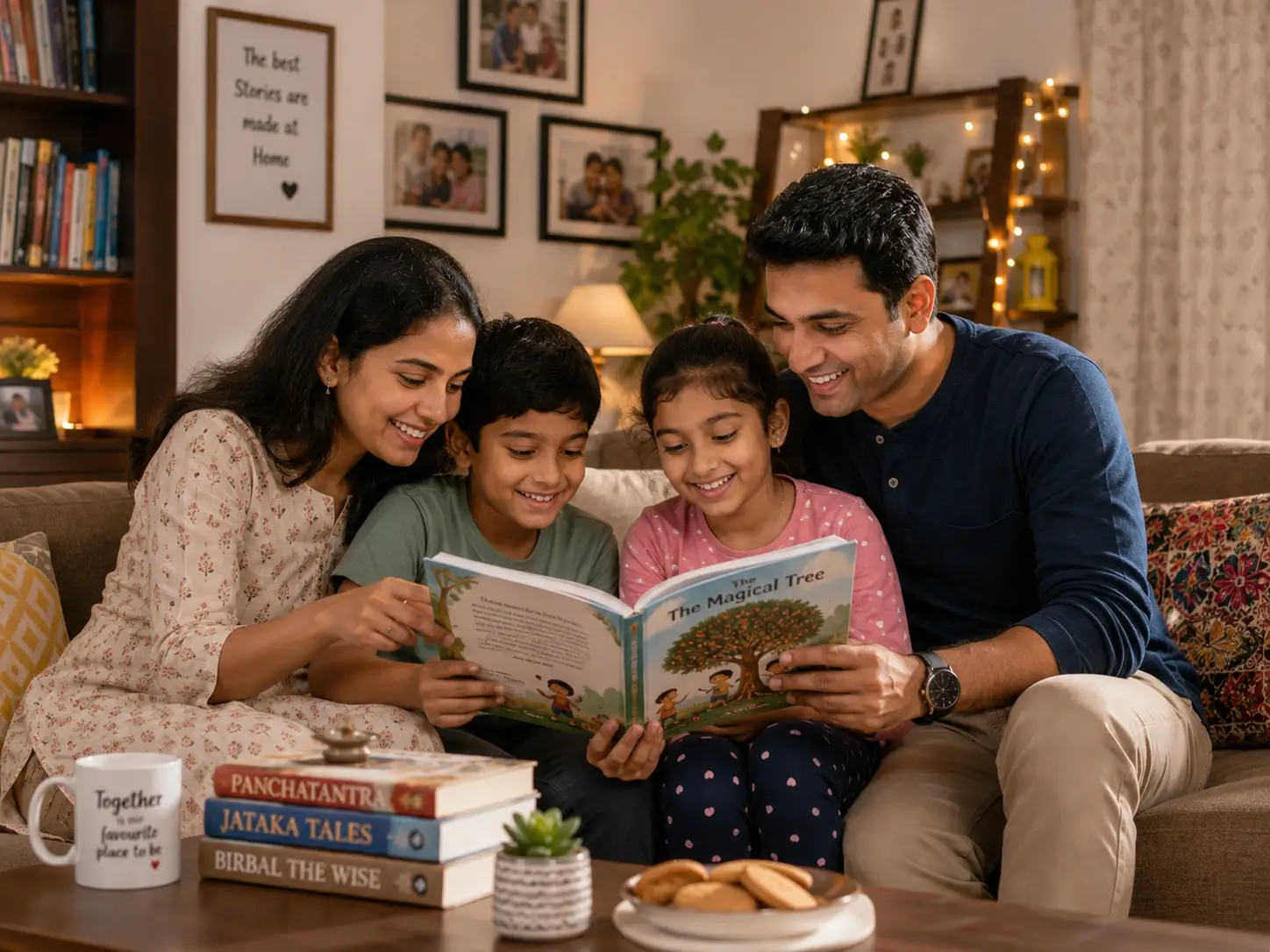
Vacations are one of the few periods when families can spend meaningful time together. Grandparents share stories, parents teach life skills, and siblings create memories. Long homework schedules often rob children of these priceless experiences.
Mahatma Gandhi said, “By education, I mean an all-round drawing out of the best in child and man—body, mind and spirit.”
Family interactions nurture emotional intelligence and moral values—qualities no worksheet can teach.
The Problem with Quantity
Many educators mistakenly equate more homework with more learning. However, quantity does not guarantee quality.
John Dewey, one of the most influential educational philosophers, observed, “Education is not preparation for life; education is life itself.”
Life teaches through experiences, relationships, and reflection. Children who travel, read books, help in household chores, or volunteer for community activities learn valuable lessons that cannot be measured by pages completed.
Long assignments often encourage copying, dependence on tuition teachers, or assistance from parents. The real purpose of homework—independent learning—is lost.
What Should Ideal Holiday Homework Look Like?
An ideal holiday assignment should possess four qualities:
Enjoyable
Children should naturally look forward to doing it with genuine intrinsic joy.
Practical
Activities must securely connect with functional everyday life scenarios.
Creative
Open-ended projects actively stimulate underlying child imagination models.
Manageable
Students must have sufficient free time to securely rest, dream, and play.
Instead of fifty pages of writing, schools could provide a “Holiday Challenge Book” containing optional activities such as:
Preparing Children for Life, Not Merely Exams
The world our children will inherit demands creativity, emotional intelligence, adaptability, and problem-solving skills. These qualities are developed through experiences, not through excessive paperwork.
Plato once said, “Do not train children to learning by force and harshness, but direct them to it by what amuses their minds.” His words, written centuries ago, remain remarkably relevant.
Holiday homework should not become a burden that steals joy from childhood. It should act as a bridge between formal education and real life. A child who returns to school after a vacation should come back refreshed, curious, and full of stories—not exhausted by unfinished worksheets.
After all, vacations are not merely breaks from school. They are opportunities to learn differently, discover passions, strengthen family bonds, and create memories that last a lifetime.
As Nelson Mandela beautifully said, “Education is the most powerful weapon which you can use to change the world.” But for education to truly transform lives, it must first preserve the joy of learning.
Preserving The Joy of Childhood Learning
Holiday homework should therefore inspire children to explore, create, and experience—not simply write and repeat. For learning flourishes best when curiosity, happiness, and freedom walk hand in hand.