The growing frequency and intensity of heat waves make it urgent to rethink how school education in India operates under extreme weather conditions. Heat waves are no longer just uncomfortable—they are disrupting school safety, classroom learning, and educational continuity.
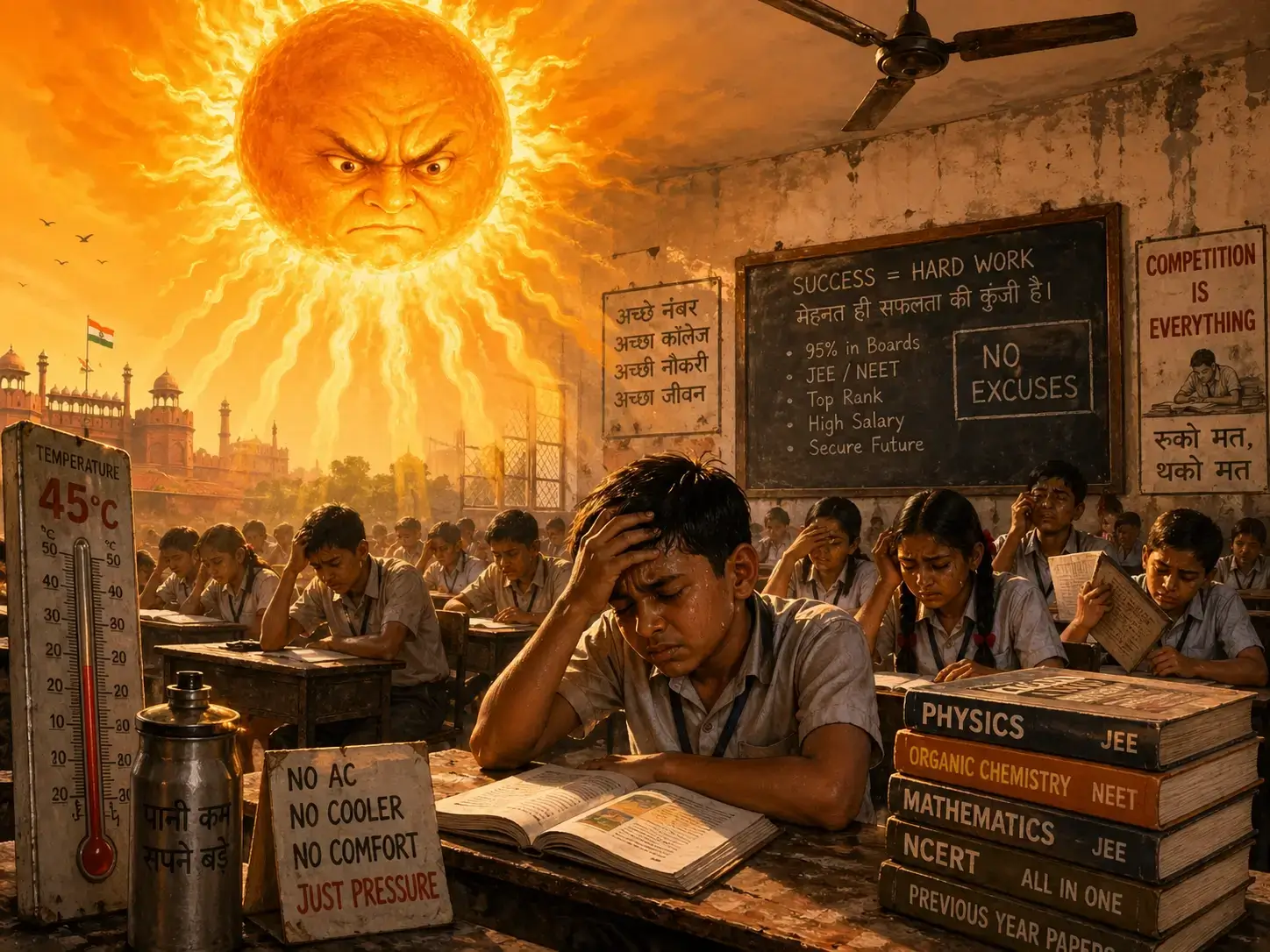
How Heat Waves Disrupt the Academic Calendar
One of the most immediate effects of heat waves on schools is the disruption of the academic calendar. Many states in India are forced to declare early summer vacations or extend existing ones because temperatures become dangerously high. While this protects students, it also leads to a loss of instructional time.
In a system already under pressure to complete the syllabus, these interruptions affect the pace and quality of learning. Teachers often rush through content after schools reopen, leaving little space for conceptual clarity or interactive learning.
Heat and School Infrastructure Challenges
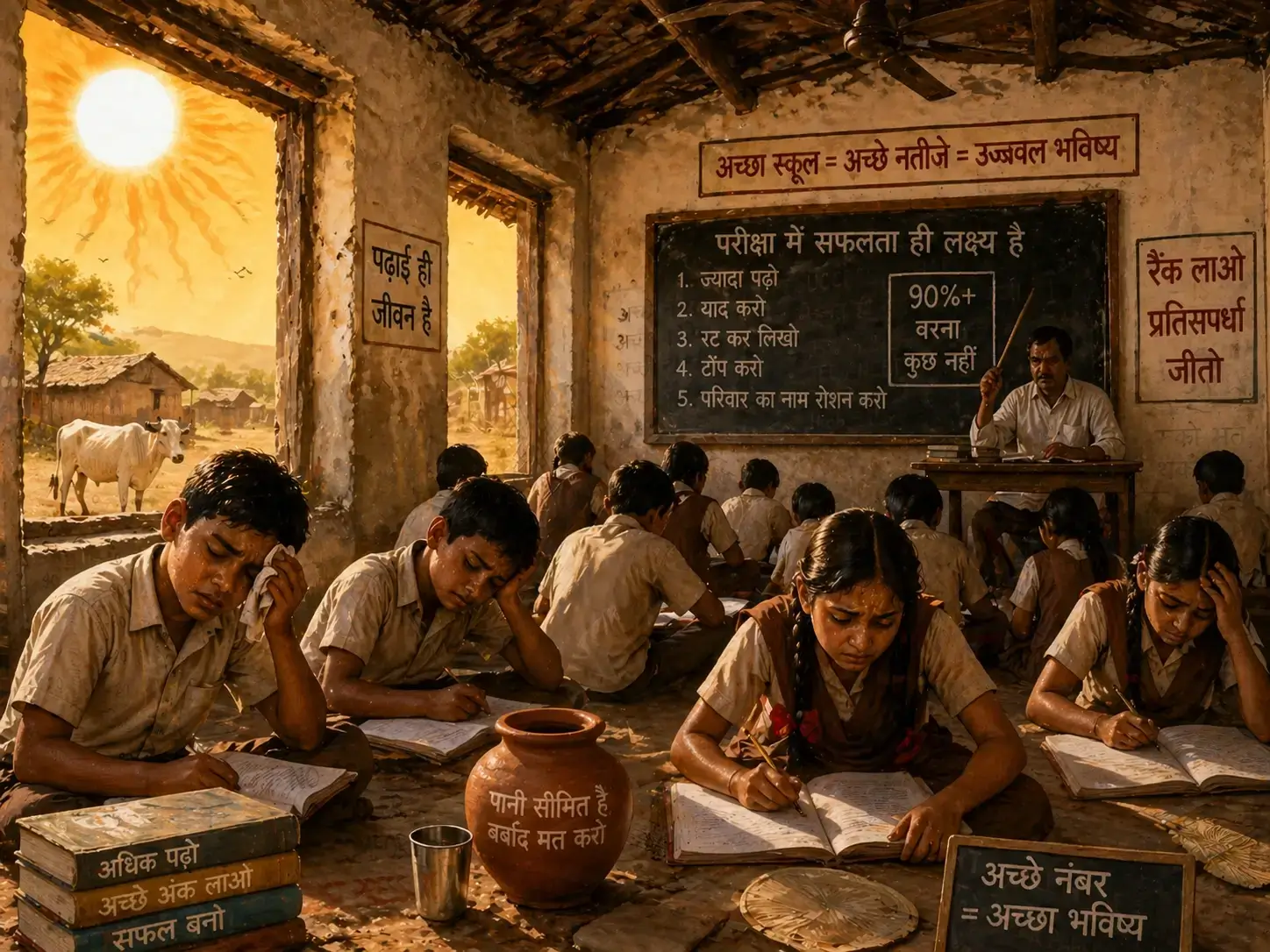
Even when schools remain open, the classroom environment during a heat wave is often far from suitable for learning. Many government schools in India lack proper ventilation, fans, cooling systems, and access to drinking water. Overcrowded classrooms, tin or asbestos roofs, and poor infrastructure make the situation worse.
Students struggle to concentrate, participate, or sit through long hours in these conditions. Heat-induced fatigue, headaches, and dehydration become common, affecting both cognitive performance and classroom engagement.
Key point to remember: Poor school infrastructure makes extreme heat inside classrooms even more harmful.
Health Risks of Heat Waves for Students
Heat waves pose serious health risks for children. They are especially vulnerable to heat-related illnesses such as heat exhaustion and heatstroke. Outdoor activities like assembly, sports, or commuting can become dangerous when temperatures stay extremely high.
In many parts of India, students travel long distances to school, often on foot or in non-air-conditioned transport. The journey itself can become physically exhausting and risky during hot weather.
Attendance, Learning Gaps, and Equity
Attendance patterns during heat waves reflect the seriousness of the problem. Many parents choose to keep children at home to protect them from harsh weather, which leads to irregular attendance and weak continuity in learning. These gaps are difficult to bridge later.
For students from economically weaker sections, the problem is even greater. Limited access to cooling at home means that both home and school offer little relief. This affects their physical comfort, mental well-being, and educational progress.
Key point to remember: Heat waves deepen educational inequality, especially for students with fewer resources.
The Pressure on Teachers
Teachers are also affected by heat waves. Conducting classes in extreme heat is physically draining and mentally exhausting. Maintaining discipline, energy, and student engagement becomes much harder in such conditions.
This strain on educators affects the quality of teaching and classroom interaction. Managing education during extreme weather is therefore not only a student issue—it is also a serious teacher well-being concern.
Digital Divide During Heat-Related Closures
When schools try to shift to online learning during prolonged heat waves, the digital divide becomes another obstacle. Some urban schools may temporarily adopt hybrid or online modes, but many students in rural and underprivileged areas lack devices, stable internet, or electricity.
Frequent power cuts during peak summer months worsen the situation and make digital learning unreliable. As a result, many students are left with little or no access to education during these disruptions.
Psychological Impact of Extreme Heat on Students
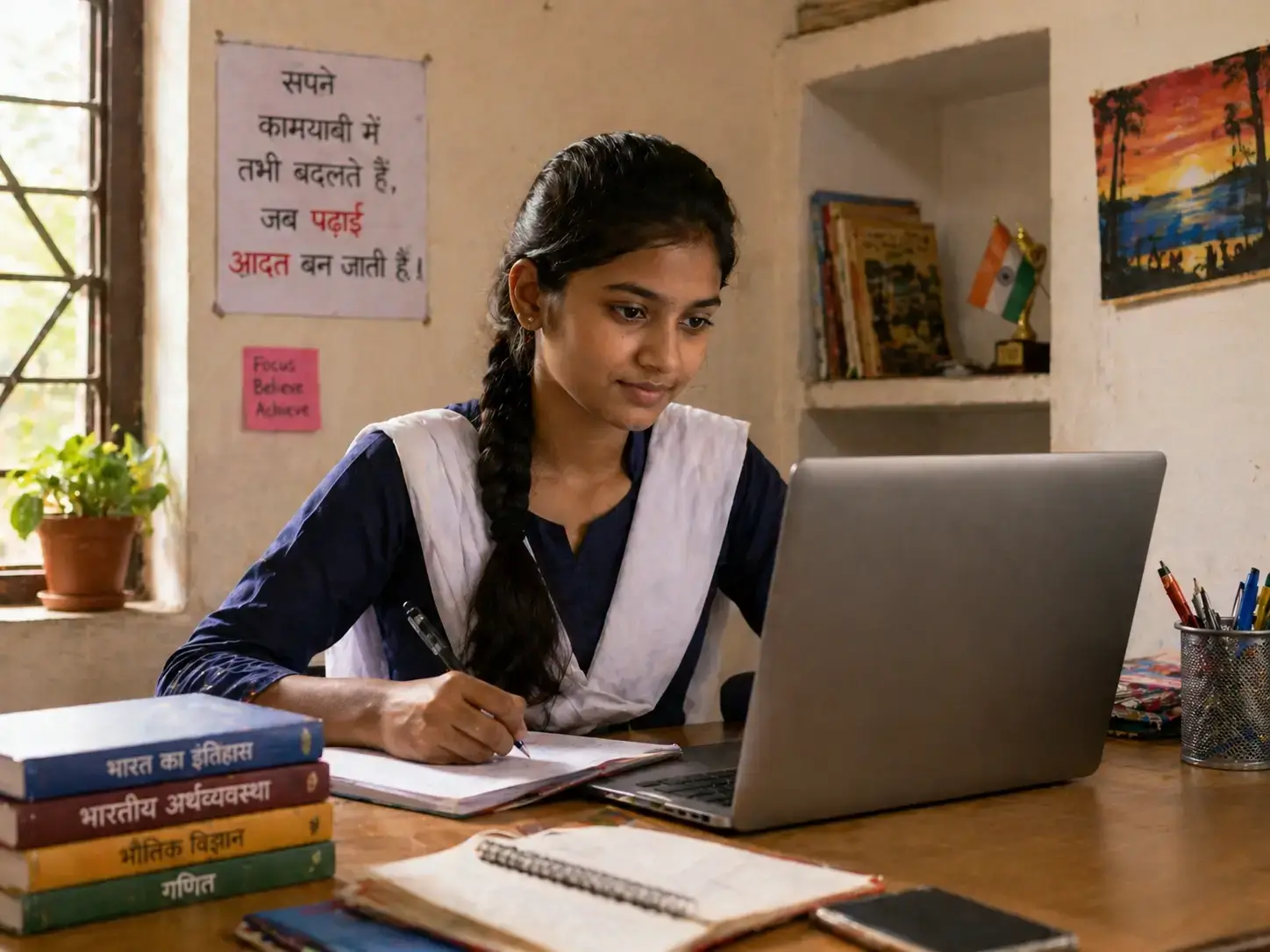
Heat waves also affect students psychologically. Constant discomfort, broken routines, and reduced outdoor activity can lead to irritability, low motivation, and reduced interest in studies.
Summer vacations, which should ideally offer recreation and family bonding, are increasingly spent indoors under stressful conditions. This affects both academic engagement and overall child development.
Climate Change and the Future of Schooling
The issue of heat waves in schools is tied closely to climate change and environmental sustainability. Rising global temperatures and changing weather patterns are making extreme heat events more frequent and longer-lasting. In India, urbanization, deforestation, and the heat island effect in cities further intensify local temperatures.
Schools, as important community institutions, must adapt to these changing realities.
Practical Solutions for Heat-Resilient Schools
Addressing this challenge requires a multi-pronged response. Improving school infrastructure is a critical first step. Schools need proper ventilation, clean drinking water, shaded areas, and, where possible, cooling solutions. Simple measures can significantly reduce indoor temperatures:
Installing Cool RoofsReflective coatings can drop classroom temperatures.
Planting TreesNatural shade drastically lowers the ambient temperature of school grounds.
Heat-Resistant MaterialsUsing building materials that do not trap heat.
Adjusting school timings during peak summer months is another practical step. Many states have already started early morning schedules to avoid the hottest hours. Reducing outdoor activities and modifying uniforms to suit the climate can also improve student comfort and safety.

Policy and Community Action
Policy-level intervention is equally important. State governments and educational boards need climate-responsive planning in school systems.
Flexible Calendars
Adapting the school year to avoid peak heat waves safely.
Emergency Protocols
Clear safety guidelines and rapid responses for extreme weather.
Awareness Programs
Educating students, teachers, and parents on heat precautions.
Technology can help too, but only as a supportive tool. Recorded lessons, radio-based education, and community learning centres may help bridge gaps during temporary closures. These solutions must remain inclusive and adaptable to local conditions.
Protecting Education in a Warming World
Heat waves have become a serious barrier to effective schooling in India. Their impact goes far beyond temporary discomfort, affecting health, attendance, learning outcomes, and educational equity. As climate challenges continue to intensify, policymakers, educators, and communities must work together to create school systems that can adapt to extreme weather.