In today's digital age, online gaming has become a popular pastime among children, offering colorful graphics, exciting challenges, and a virtual world full of adventure. But behind the captivating screens lies a growing concern among parents, educators, and health experts—the negative impact of online games on young children's mental, physical, and social well-being.
According to recent research, 1 in 10 children between ages 8-18 show signs of gaming disorder. The World Health Organization (WHO) now recognizes "Gaming Disorder" as a mental health condition, making this issue increasingly important for Indian parents to understand.
Addiction and Screen Time Surge
One of the most alarming effects is the addictive nature of many online games. Game developers often design levels and rewards to keep players hooked for hours. As a result, children are spending excessive time in front of screens, leading to sleep deprivation, poor academic performance, and lack of physical activity.
Real Parent Experience
Psychologists explain that many of these games are deliberately designed to keep children engaged through reward systems and constant notifications, creating a cycle of dependency similar to gambling. The brain releases dopamine during rewards, creating a habit loop that children struggle to break independently.
Mental Health and Aggressive Behavior
Several studies have linked prolonged gaming to anxiety, irritability, and short attention spans. Some games, especially those that involve violence or intense competition, can cause children to mimic aggressive behavior or become emotionally withdrawn.
Expert Warning
Dr. Rakesh Mehta, a child psychologist, warns: "Online gaming can overstimulate a child's brain. It affects their emotional development and sometimes leads to behavioral issues, including aggression and lack of empathy."
Common mental health effects include:
- Anxiety and irritability: Competitive pressure and fear of losing progress
- Attention deficits: Reduced focus on studies and homework
- Aggressive behavior: Mimicking violence from games
- Social withdrawal: Emotional detachment from family
- Low self-esteem: Feeling inadequate compared to skilled players
- Depression: Particularly when gaming becomes the sole source of validation

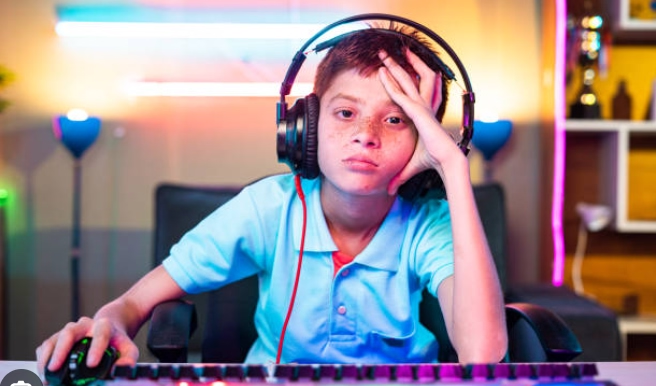

Cyber Risks and Unsafe Content
Another major concern is the exposure to inappropriate content and the risk of cyberbullying or exploitation. Children may unknowingly share personal information or interact with strangers in gaming chat rooms, putting their safety at risk.
Key Safety Risks
- Inappropriate content: Violence, adult language, sexual material
- Cyberbullying: Harassment through in-game chat
- Predatory behavior: Strangers targeting vulnerable children
- Privacy risks: Sharing personal information
- Financial exploitation: Unauthorized purchases
A Tragic Incident: The Case of a 13-Year-Old in Madhya Pradesh
In a heartbreaking incident in Chhatarpur, Madhya Pradesh, a 13-year-old boy took his own life after losing ₹40,000 in an online game. The Class VI student had withdrawn money from his mother's account to spend on the game "Free Fire." Before the tragic act, he left behind a note apologizing to his parents, expressing his depression over the loss.
The incident has sparked widespread concern and calls for stricter regulations on online gaming platforms across India. This tragic case highlights the severe psychological impact gaming addiction can have on vulnerable children, particularly when combined with financial loss and shame.
Warning Signs: When Gaming Becomes Addiction
Is your child at risk? Recognize these warning signs:
What Can Be Done? Practical Solutions
Experts suggest that moderation is key. Setting time limits, encouraging offline hobbies, and monitoring the content of games can help mitigate the negative effects.
1. Set Clear Screen Time Boundaries
Limit gaming to 1-2 hours on school days, with no gaming 1 hour before bedtime. Use parental controls and device monitoring tools to enforce limits consistently.
2. Monitor Content & Social Interactions
Check game age ratings (IAMAI guidelines recommend age 13+ for most multiplayer games). Monitor chat communications and know who your child interacts with online.
3. Encourage Offline Alternatives
Introduce appealing offline hobbies—sports, reading, arts, music, board games—to reduce gaming dependency and build real-world skills.
4. Create Gaming-Free Zones
Designate gaming-free times (meals, family time, weekend mornings) and spaces (bedrooms, dining areas) to maintain healthy family dynamics.
5. Open Dialogue Without Judgment
Talk to your child about gaming openly. Understand why they enjoy specific games and help them develop self-regulation skills rather than enforcing harsh bans.
6. Professional Help When Needed
If warning signs persist, don't hesitate to consult a child psychologist or psychiatrist who specializes in gaming addiction and behavioral disorders.
Conclusion: A Shared Responsibility
While online games can offer learning opportunities and entertainment, it's essential to ensure they do not come at the cost of a child's health and development. Schools and parents must work together to raise awareness and promote healthy digital habits.
By recognizing warning signs early, setting consistent boundaries, and offering engaging alternatives, parents can help their children develop a healthy relationship with technology while protecting their mental, physical, and social well-being.

Social Isolation: The Hidden Cost
Despite being 'multiplayer,' many online games isolate children from real-world interactions. Instead of playing with friends outside or engaging in family activities, children may choose to stay indoors glued to their devices, weakening their communication skills and real-life relationships.
This social isolation can lead to: