Presence goes beyond physical proximity. It means:
Listening attentively
Spending quality time
Encouraging dreams
Offering reassurance during failures
Being emotionally available
Children remember not only what fathers provide, but how fathers make them feel.
Fathers Shape Confidence
A father’s words often become a child’s inner voice. When fathers encourage rather than criticize, children develop confidence and resilience. They learn to face challenges without fear and believe in their abilities.
Albert Bandura, known for his work on self-efficacy, emphasized that confidence grows through support, encouragement, and positive experiences. A simple statement from a father—“I believe in you”—can remain with a child for life. Conversely, constant comparison and harsh criticism can leave emotional scars that persist into adulthood.
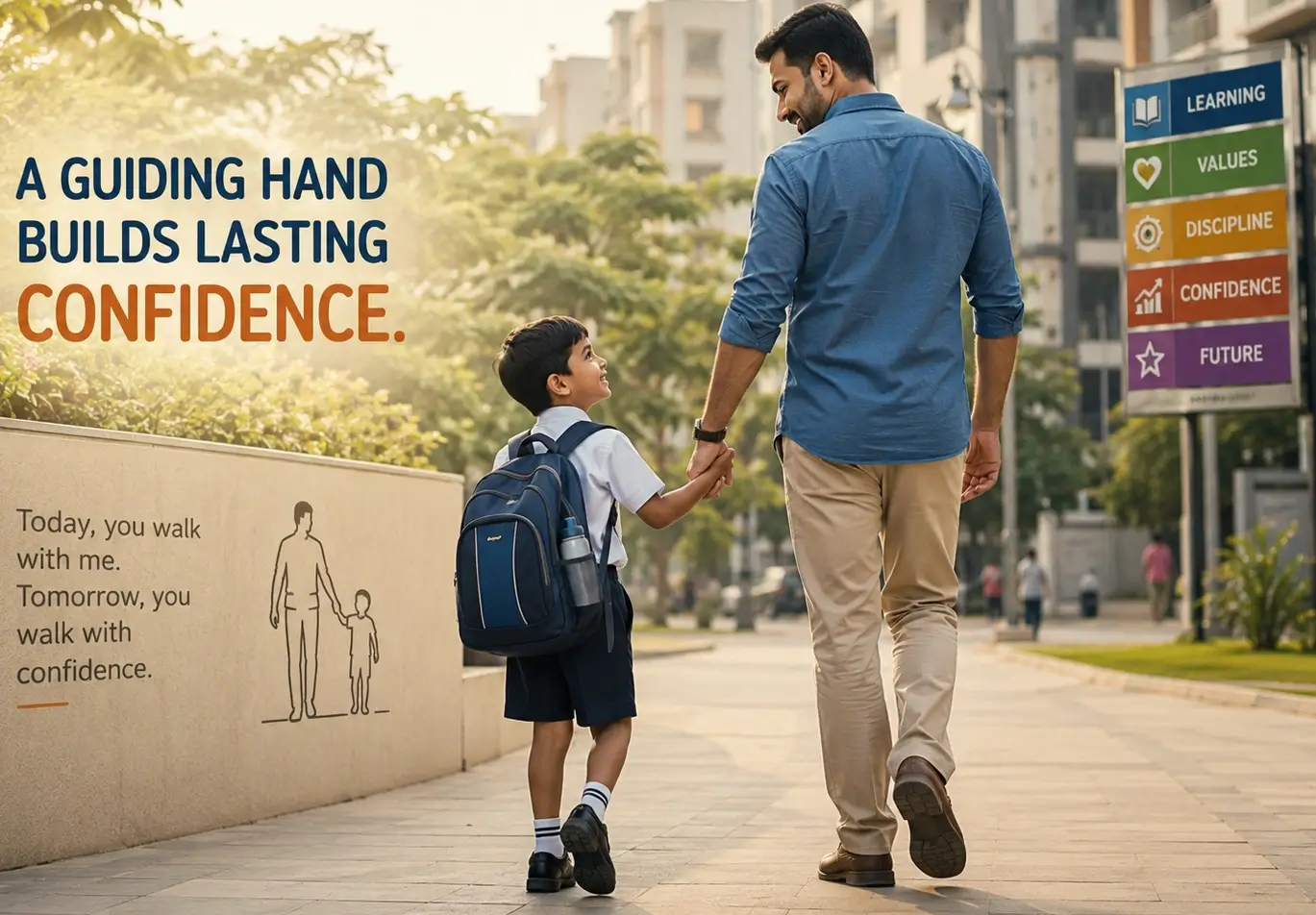
Fathers Teach Through Example
Children learn more from what parents do than from what they say. Mahatma Gandhi wisely observed, “An ounce of practice is worth more than tons of preaching.”
If fathers demonstrate honesty, kindness, patience, and respect, children naturally absorb these values. Character is often caught rather than taught.
Empathy
A father who treats others with dignity teaches empathy.
Integrity
A father who keeps promises teaches integrity.
Humility
A father who admits mistakes teaches humility.
Emotional Security and Mental Well-Being
Gone are the days when emotional nurturing was considered solely a mother’s responsibility. Modern psychology recognizes that affectionate and emotionally engaged fathers contribute significantly to children’s emotional well-being.
Carl Rogers, the renowned humanistic psychologist, wrote: “The curious paradox is that when I accept myself just as I am, then I can change.”
Children who feel accepted by their fathers tend to develop healthier self-esteem and stronger emotional resilience. A hug, an encouraging smile, or simply listening without judgment can become powerful sources of security.
Fathers Influence Academic Success
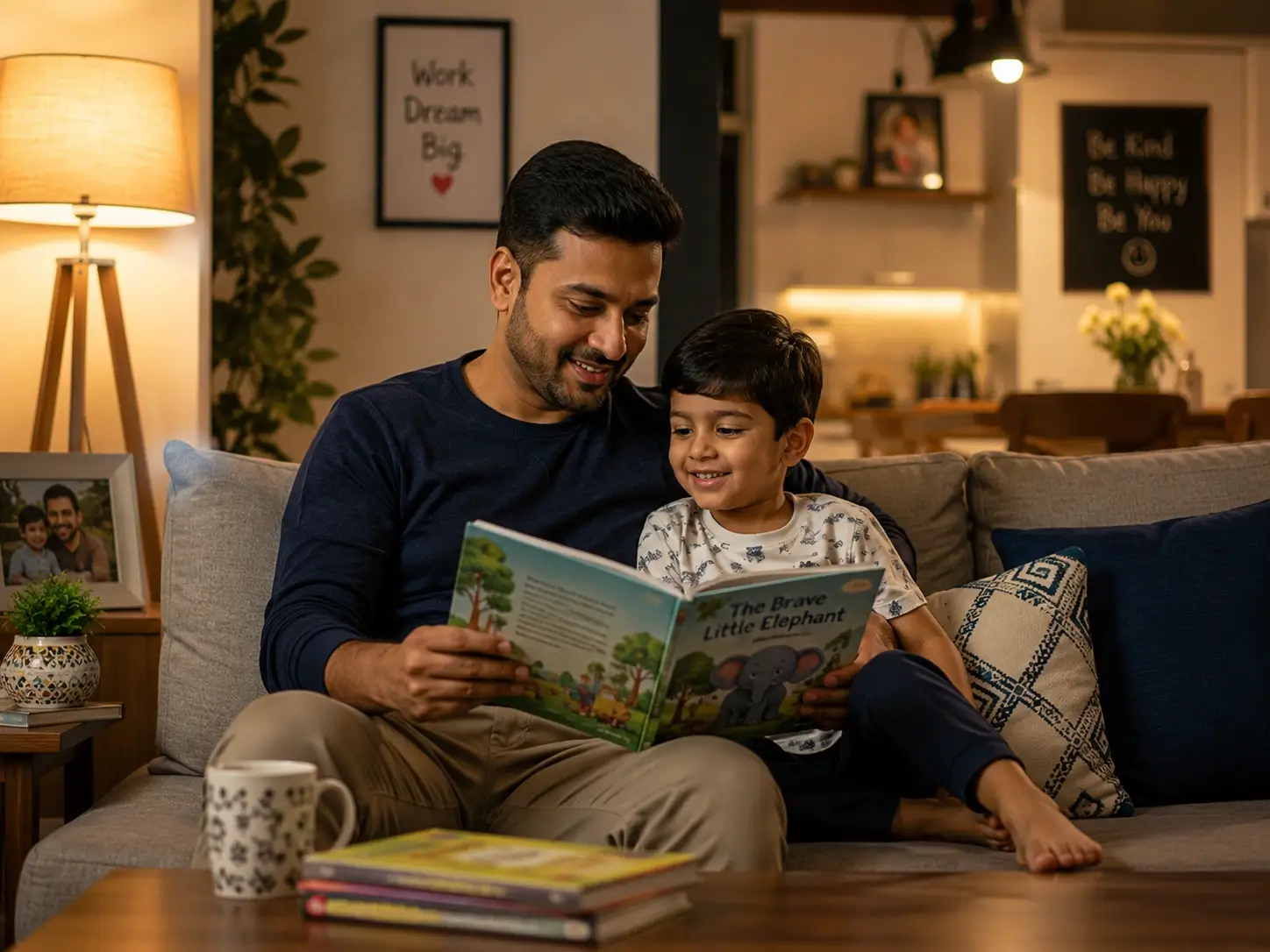
Research consistently suggests that children with actively involved fathers often perform better academically and exhibit stronger social skills. This does not mean fathers must become tutors. Their influence stems from:
Showing interest in school activities.
Reading stories together.
Celebrating effort rather than only results.
Encouraging curiosity.
Supporting dreams and ambitions.
John Dewey stated: “Education is not preparation for life; education is life itself.” Fathers who engage in conversations, storytelling, and shared experiences contribute immensely to lifelong learning.
Fathers Help Build Resilience
Life inevitably brings disappointments and setbacks. Children need role models who teach them how to face adversity with courage. The ancient Stoic philosopher Seneca wrote: “Difficulties strengthen the mind, as labor does the body.”
Fathers often play a crucial role in teaching perseverance. Whether helping a child ride a bicycle, preparing for an examination, or dealing with failure, fathers communicate an important message: “You may fall, but you can rise again.” Such lessons become invaluable throughout life.
Daughters and Sons Need Fathers Equally
The importance of fathers extends equally to sons and daughters. For sons, fathers often model masculinity, responsibility, and emotional expression. For daughters, fathers contribute significantly to self-esteem, confidence, and perceptions of relationships.
American author and motivational speaker Steve Maraboli observed: “A father’s influence in a daughter’s life is beyond calculation.” Children who experience respect, affection, and encouragement from fathers are more likely to build healthy relationships later in life.
Fatherhood Has Changed
Modern fatherhood differs significantly from previous generations. Today’s fathers are increasingly involved in:
Daily Life
Parenting decisions and daily caregiving.
Active Presence
School activities and bedtime stories.
Shared Roles
Cooking, household responsibilities, and emotional conversations.
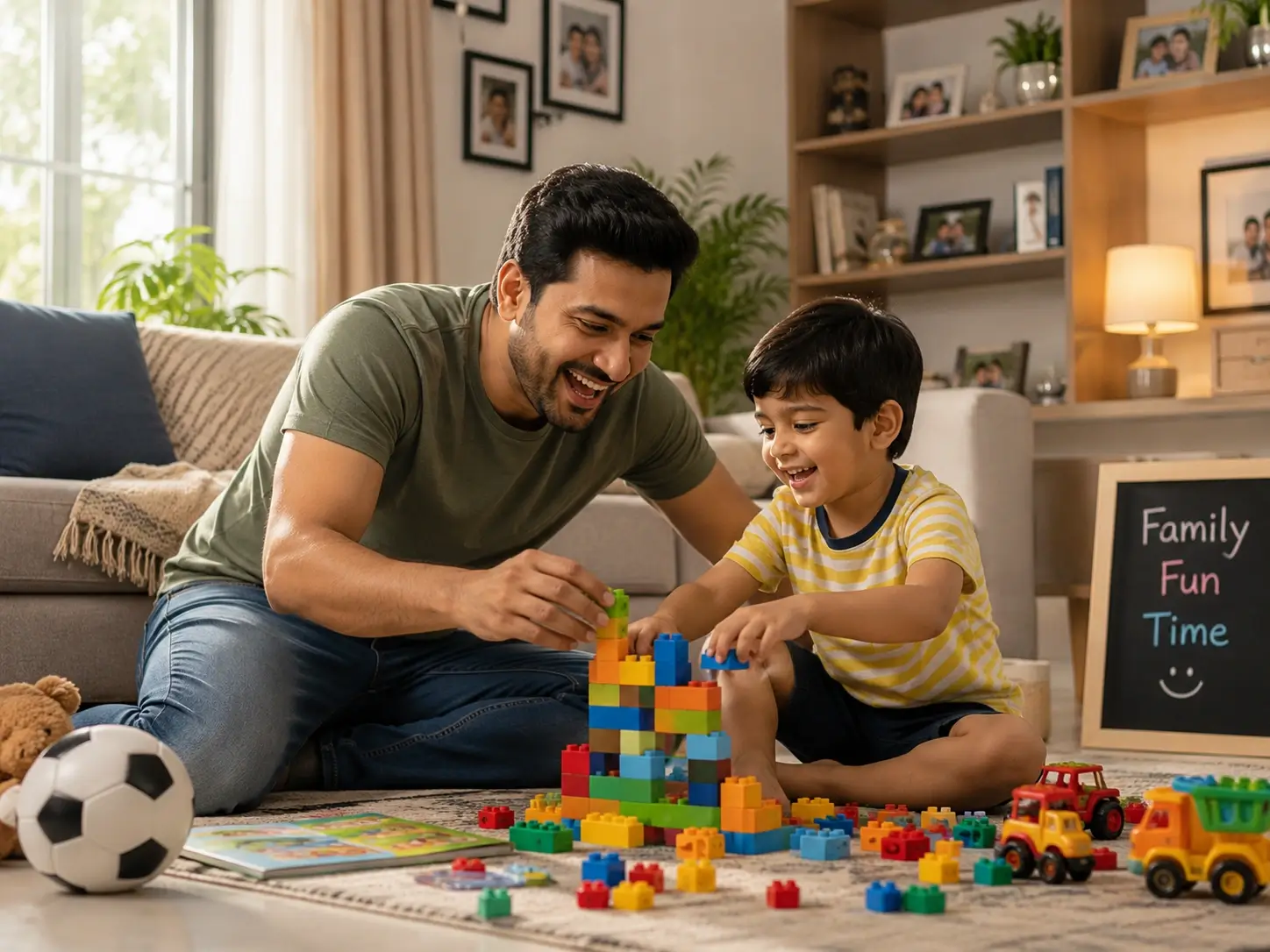
This evolution reflects a healthier understanding of parenthood as a partnership rather than a division of roles. Rabindranath Tagore beautifully wrote: “Don’t limit a child to your own learning, for he was born in another time.” Modern fathers are learning to balance responsibility with emotional connection.
Presence Is More Important Than Perfection
Many fathers worry whether they are doing enough. The truth is, children do not need perfect fathers. They need available fathers. They need fathers who apologize when wrong, laugh with them, support them, and stand beside them during difficult moments.
Psychologist Donald Winnicott introduced the idea of the “good enough parent”—one who does not strive for perfection but provides love, stability, and support. Children rarely remember expensive gifts. They remember conversations, bedtime stories, cricket matches, shared jokes, and moments of togetherness.
Conclusion
Fatherhood is not measured solely by financial sacrifices or societal expectations. It is measured by presence, guidance, affection, and example. As American author Clarence Budington Kelland beautifully said: “My father didn’t tell me how to live; he lived, and let me watch him do it.”
In an increasingly fast-paced and digital world, children need fathers more than ever—not just as providers but as mentors, listeners, role models, and companions. For long after childhood has passed, a father’s words, values, and love continue to echo in the lives of his children.