The foundation of values is built during childhood. A child learns first from parents, then from grandparents, teachers, friends, and society. Children may not always listen to advice, but they always imitate actions. That is why value-based parenting is not only about words, but about setting the right example through everyday behaviour.
The National Education Policy 2020 also highlights the importance of value-based education. It emphasises developing compassionate, ethical, and socially responsible individuals who can contribute positively to society and the environment.
1. Honesty and Integrity
Honesty is one of the strongest pillars of character. Children may sometimes lie to avoid punishment or difficult situations, but parents must gently and firmly teach them the importance of telling the truth.
Children observe adults closely. If parents ask them to lie on their behalf, such as saying “Mom is not at home” or “Dad is sleeping,” they unknowingly send the message that lying is acceptable. Instead, parents should model truthful behaviour in daily life.
As William Shakespeare said, “No legacy is so rich as honesty.” Honesty builds trust, confidence, and self-respect.
2. Respect for Others
Respect forms the basis of healthy relationships. Children should learn to respect elders, teachers, helpers, friends, and even people with different opinions or backgrounds.
Simple habits like greeting politely, listening patiently, saying “please” and “thank you,” and respecting personal boundaries help children grow into respectful individuals. The best way to teach respect is by practising it ourselves. When parents speak kindly to domestic workers, drivers, teachers, or neighbours, children naturally learn the same behaviour. Respect is not about status; it is about humanity.
3. Kindness and Compassion
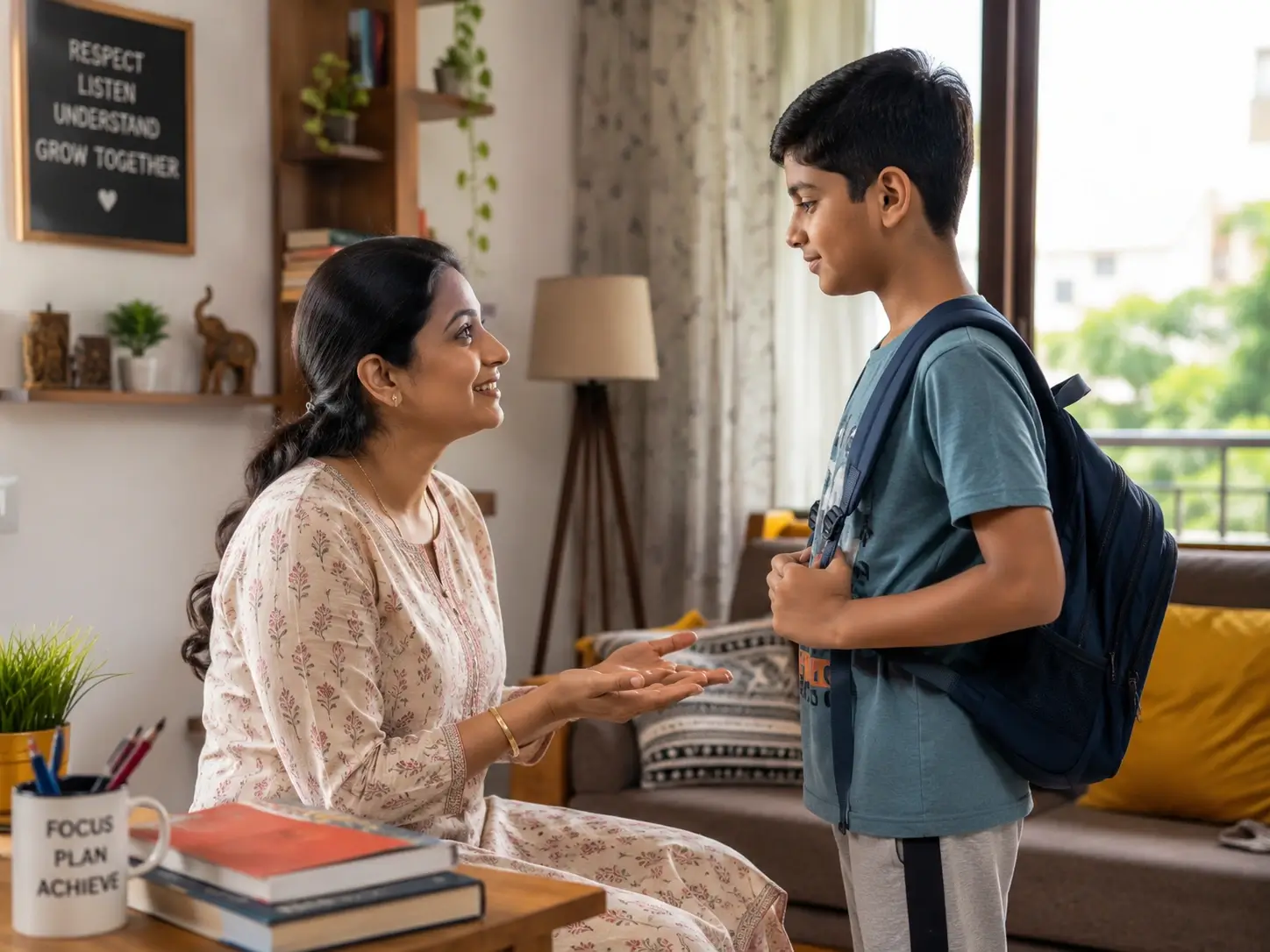
The world needs more kindness than ever before. Children should understand that being kind is not a weakness but a sign of strength.
Teach children to help classmates, comfort a sad friend, feed animals, donate toys, or support someone in need. Encourage empathy by asking, “How would you feel if this happened to you?” In a world full of competition and comparison, compassion helps children remain emotionally sensitive and caring.
4. Sharing and Cooperation
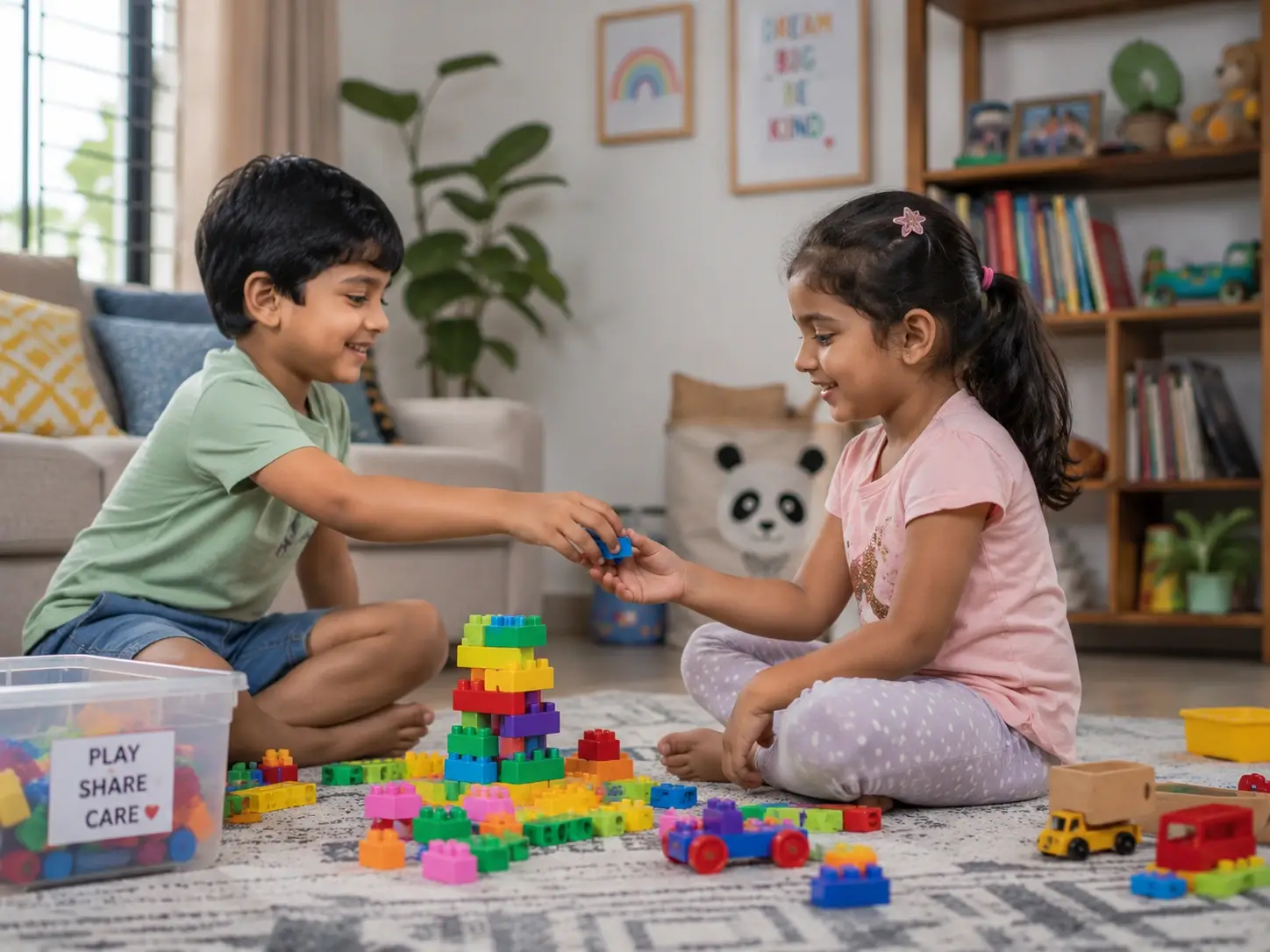
Young children are naturally possessive about their toys, food, and even their parents. Sharing does not come automatically; it must be taught patiently.
Playdates
Organise sessions where sharing toys is a natural part of play.
Family Games
Group activities teach vital lessons in cooperation and teamwork.
Through sharing, children learn generosity, patience, and the joy of making others happy. They quickly learn that happiness multiplies when it is shared.
5. Gratitude
Many children grow up surrounded by comforts and conveniences. That makes gratitude even more important. Encourage children to appreciate the efforts of parents, grandparents, teachers, and helpers.
Small gestures like writing thank-you notes, expressing appreciation verbally, or helping others in return can cultivate gratitude. A grateful child grows into a happier and more positive adult, focusing on what they have instead of constantly complaining about what they lack.
6. Responsibility
Responsibility is an essential life skill that should begin at home. Children should gradually learn that every action has consequences. Simple tasks like arranging their bed, packing their school bag, watering plants, or helping set the dining table teach accountability and discipline.
7. Perseverance and Determination
Life is full of challenges. Whether in academics, sports, music, or friendships, children will face difficulties and setbacks. During such moments, perseverance becomes extremely important.
Teach children that success does not come overnight. Great achievements require patience, hard work, and continuous practice. Encourage effort rather than only praising results. When children learn not to give up easily, they become mentally strong individuals who can handle life’s ups and downs.
8. Accepting Failure Gracefully
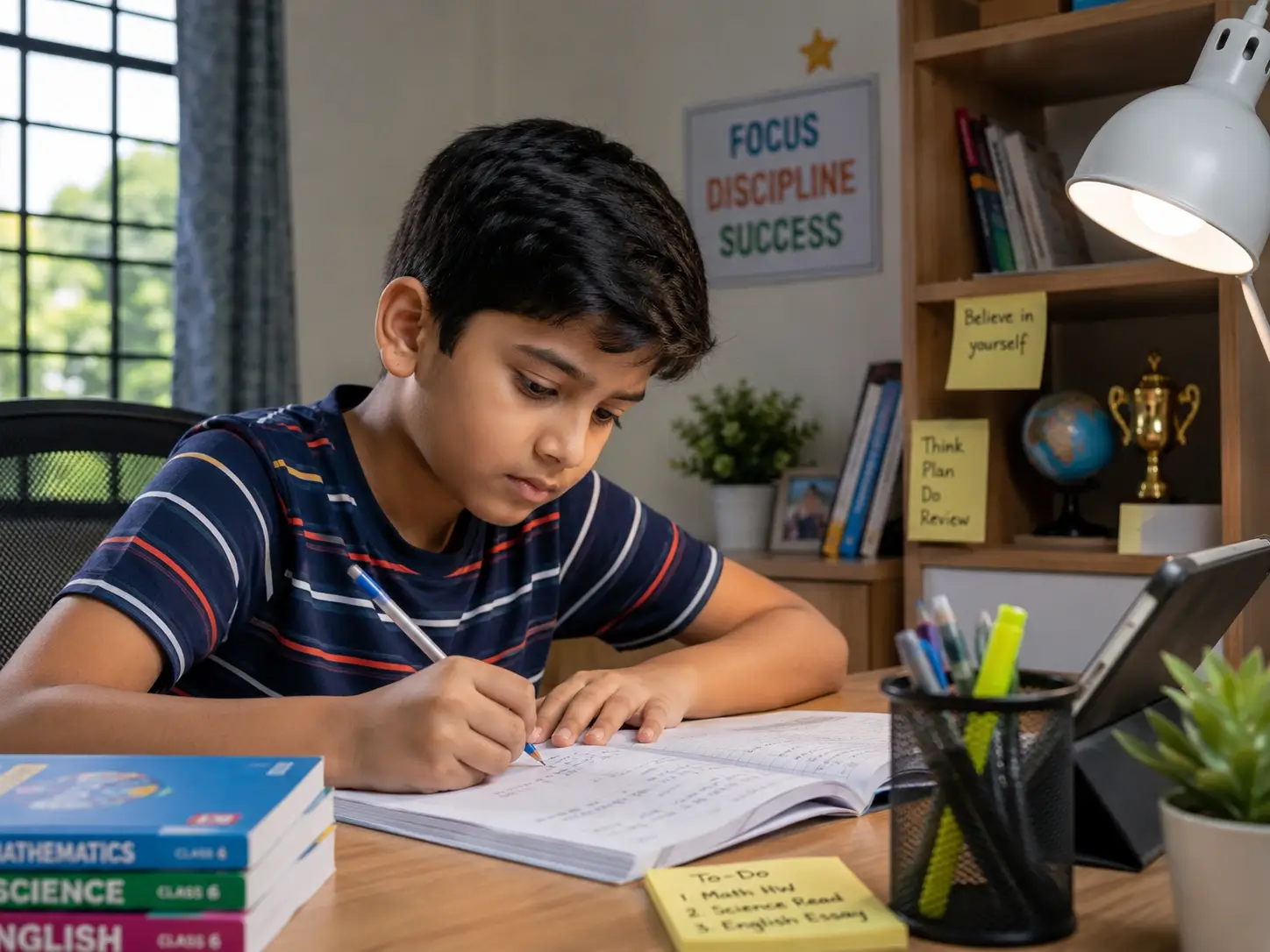
One of the greatest gifts parents can give children is the ability to handle failure positively. Children often feel pressure to perform well in studies and competitions. They need to understand that failure is not the end of life but an opportunity to learn and improve.
Parents should avoid comparing children with others. Instead, reassure them that mistakes are natural and growth comes through experience. Most importantly, children should know that their worth is not defined by marks, medals, or achievements.
9. Forgiveness and Apologising
Children should learn both to forgive others and to apologise sincerely when they are wrong. Holding grudges creates negativity. Forgiveness teaches emotional healing and maturity.
Similarly, saying “sorry” should not become a mere formality. If a child hurts someone, encourage them to make amends through kind actions rather than simply uttering an apology. This builds true accountability.
10. Understanding Others’ Feelings
Children often believe that the world revolves around them. As they grow, they must learn to understand different perspectives and emotions. Discuss feelings openly at home—happiness, sadness, disappointment, excitement. This emotional awareness strengthens communication skills and friendships.
11. Self-Love and Emotional Security
A child who feels loved and emotionally secure grows into a confident adult. Parents often love their children deeply but sometimes forget to express it openly. Saying “I love you,” hugging, appreciating efforts, and spending quality time create emotional security.
Self-love teaches children to value themselves without becoming arrogant, making them positive and cheerful individuals.
12. Caring for Society and Environment
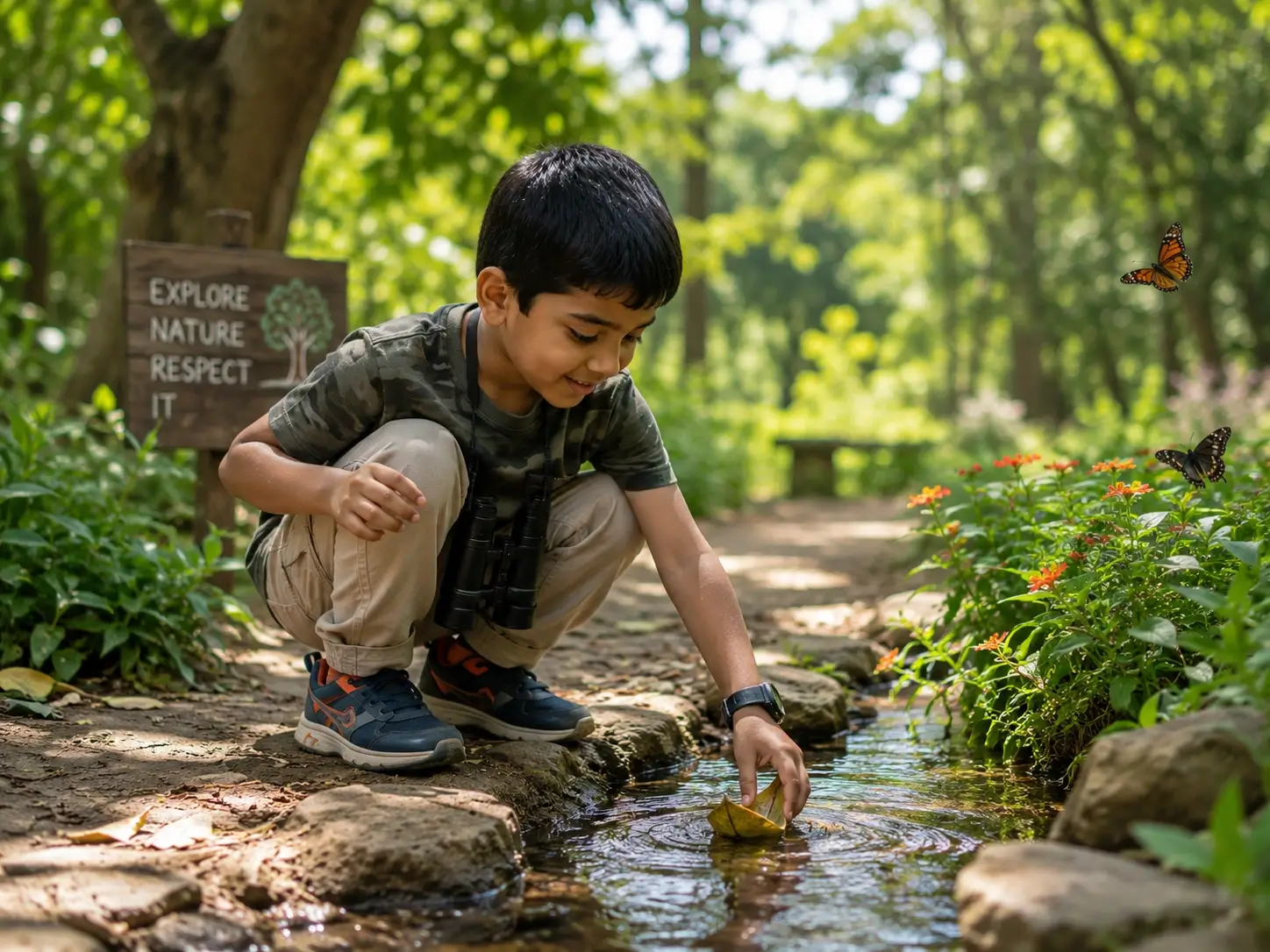
Children should grow up understanding that they are part of a larger community and environment. Teach them simple habits like saving water, planting trees, avoiding food wastage, and respecting public property.
Raising Good Human Beings
Values are the true wealth parents can pass on to their children. Expensive schools, gadgets, and luxuries may provide comfort, but values provide direction and purpose in life. Children learn more from what parents do than from what they say. Therefore, parents must strive to become role models of honesty, kindness, patience, and responsibility.