Delhi RTE Admissions 2026‑27: What’s Different This Year?
Major procedural changes parents must know before filling the Delhi EWS/DG/CWSN online form to prevent instant rejection.
Every year, thousands of families in Delhi apply under the 25% RTE quota in private unaided recognised schools through the centralized online admission system of the Directorate of Education (DoE). These seats are reserved for children belonging to EWS, DG (Disadvantaged Group), and CWSN categories and are filled through a transparent, computerized draw of lots.
While the core structure of the Delhi RTE admission 2026‑27 process remains the same, this year brings important procedural changes. Parents who assume the rules are unchanged and follow last year's process may unknowingly make critical mistakes leading to form rejection. Here is exactly what is different this year.
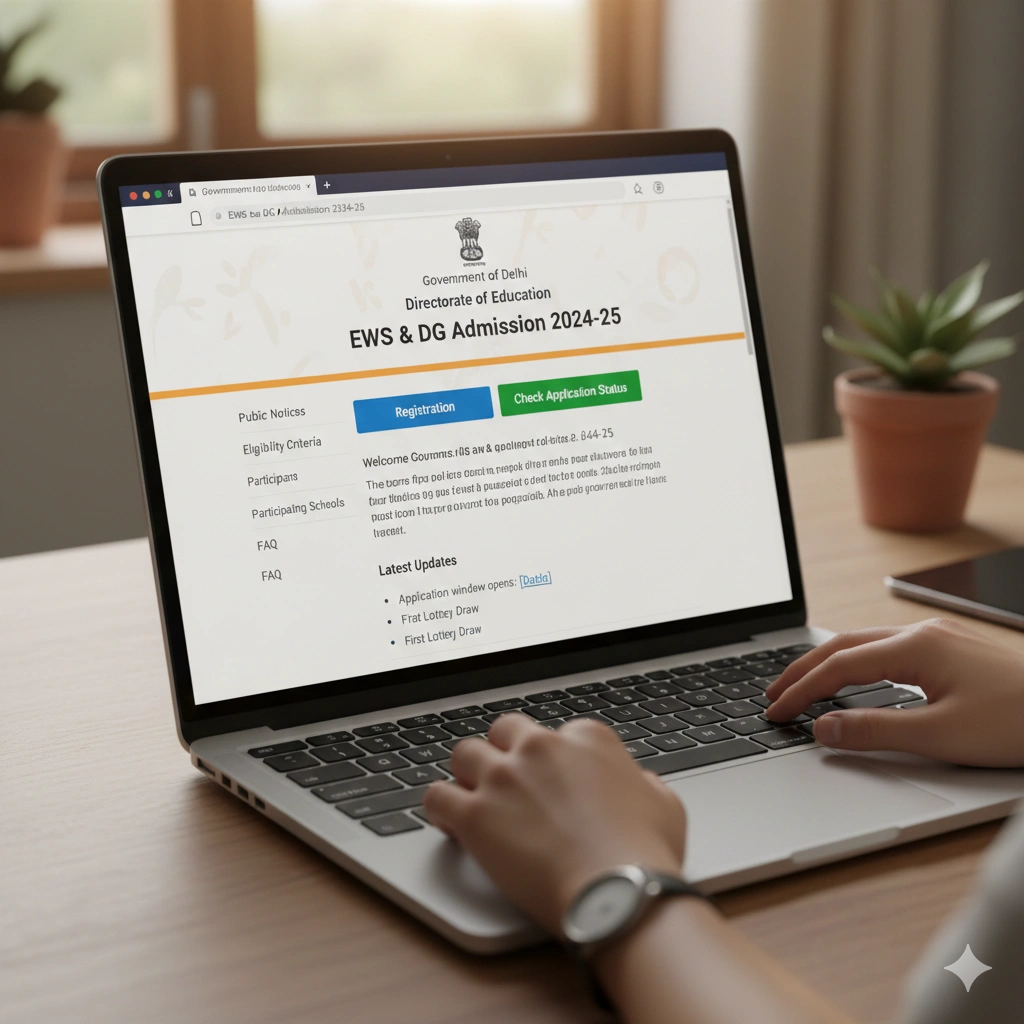
First, A Quick Recap: What Has NOT Changed
Before diving into the changes, let's quickly clarify the foundational rules that remain firmly in place for 2026-27:
25% Seat Reservation
Reserved for EWS, DG, and CWSN across Nursery, KG, and Class 1 in private unaided schools.
Computerized Lottery
Selection is purely via a computerized draw. No school interviews, screening, or donations allowed.
₹5 Lakh Income Limit
EWS eligibility remains strictly capped at an annual family income of up to ₹5 lakh from all sources.
March 31 Cutoff
Age calculations for all entry-level classes remain strictly based on 31 March of the admission year.
Major Changes in Delhi RTE Admissions 2026‑27
The DoE is moving towards strict document-based filtering at the application stage. Here are the 4 major updates you must follow to secure your child's application.
Documents MUST Be Uploaded During Application
Parents filled in document details but physical verification only happened after the seat allotment at the school.
Scanned, readable copies of all supporting documents must be uploaded directly during the online application process.
Why this matters:
Any mismatch in name, date of birth, or income details between the form and the uploaded document can lead to technical rejection before the lottery even begins. Cropped, faint, or invalid documents will be filtered out.
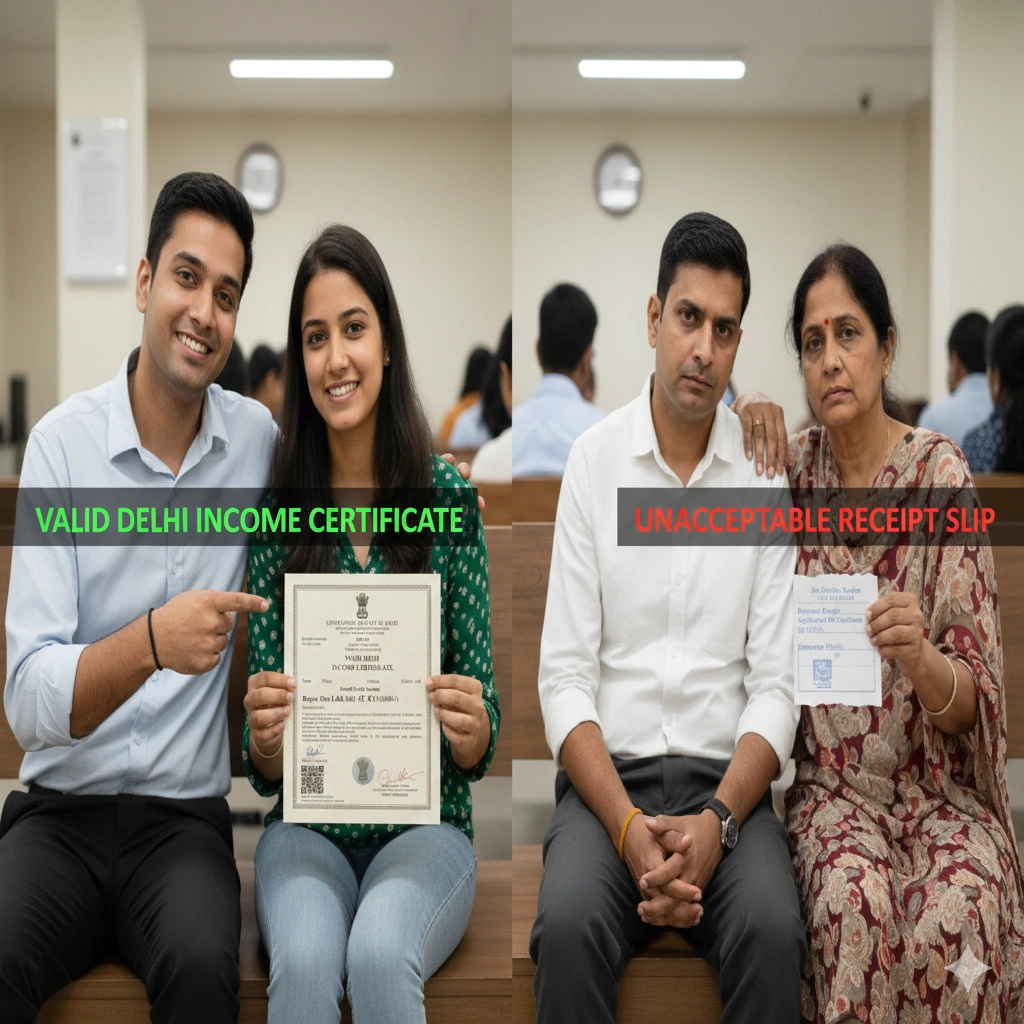
Income Certificate "Receipt" Is No Longer Accepted
This is arguably the most critical shift for the Delhi EWS admission online form 2026‑27.
Parents could apply using the receipt showing they had applied for an income certificate, planning to show the final certificate later.
Receipts are invalid. You MUST have the final, government-issued Income Certificate before the last registration date.
Aadhaar Cannot Be Used as Address Proof
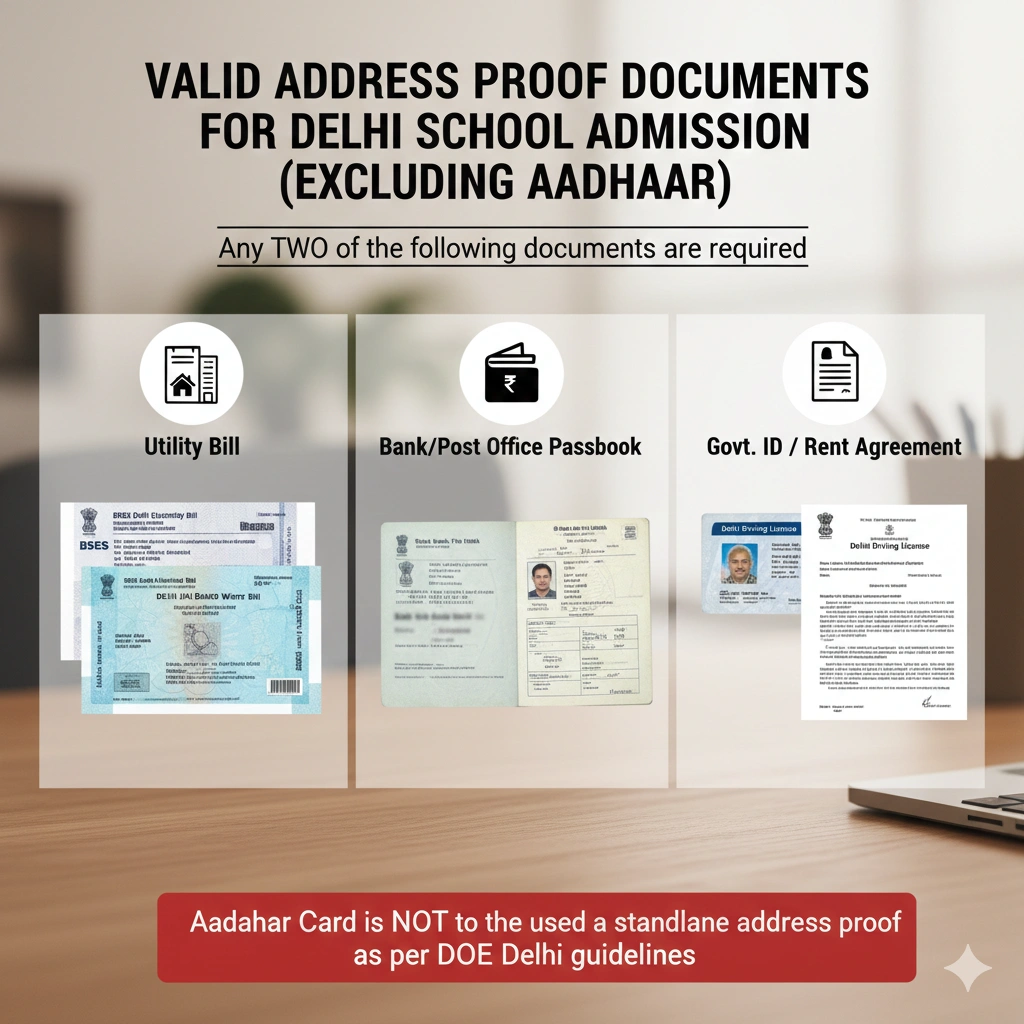
To ensure genuine Delhi residency, the Directorate of Education has tightened residence verification norms.
The Aadhaar card was widely accepted and used by a majority of parents as their primary Delhi address proof.
Aadhaar is NOT accepted as address proof. You must provide alternative valid documents (Voter ID, Domicile, Utility Bill, etc.) as per DoE guidelines.
Child’s Photograph Must Be Uploaded
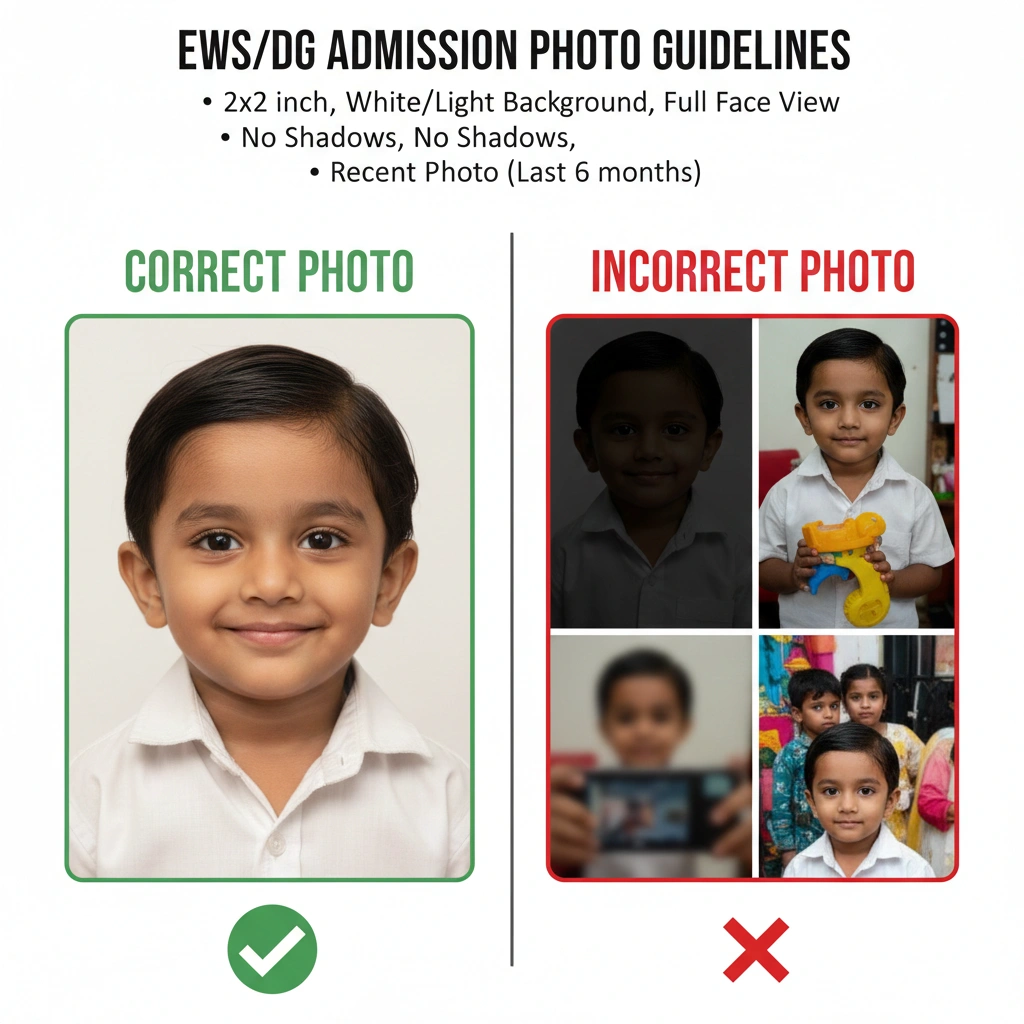
While the EWS form was largely detail-based in the past, parents must now upload a recent, clear passport-size photograph of the child in the specified PDF/JPEG format. Blurred, dark, or incorrectly formatted photos may lead to technical rejection.
The 2026-27 Parent Action Checklist
Given these strict digital verification changes, here is what you must do immediately before the portal opens:
Procure Final Certificates
Do not wait for form links. Get your final Income Certificate (EWS), Caste Certificate (DG), or Disability Certificate (CWSN) now.
Organize Alternative Address Proof
Since Aadhaar is out, arrange a valid Voter ID, registered rent agreement, or official utility bill in the parent's name.
Cross-Check Spellings
Ensure the child's name, DOB, and address identically match across the birth certificate and your uploaded proofs.
Scan Properly
Ensure all documents and the child's passport photo are cleanly scanned, well-lit, and in the exact file size required.
Final Thoughts for Delhi Parents
The Delhi RTE admission 2026‑27 process is not fundamentally different in its social structure—but it is significantly stricter in its technical execution. In earlier years, discrepancies were often caught during physical verification, leading to last-minute heartbreak. Today, the scrutiny begins the second you hit "submit."
Proper awareness and a disciplined approach to documentation will ensure your child's application passes the digital filters effortlessly, keeping them in the running for their rightful RTE seat in Delhi's private schools.
Beware of Middlemen
The process remains 100% centralized and computerized. No agent or middleman can guarantee a Delhi RTE 2026‑27 lottery seat. Trust only the official DoE portal and authentic guidance channels.