Classrooms That Change the World
Does Schooling Still Make a Difference?
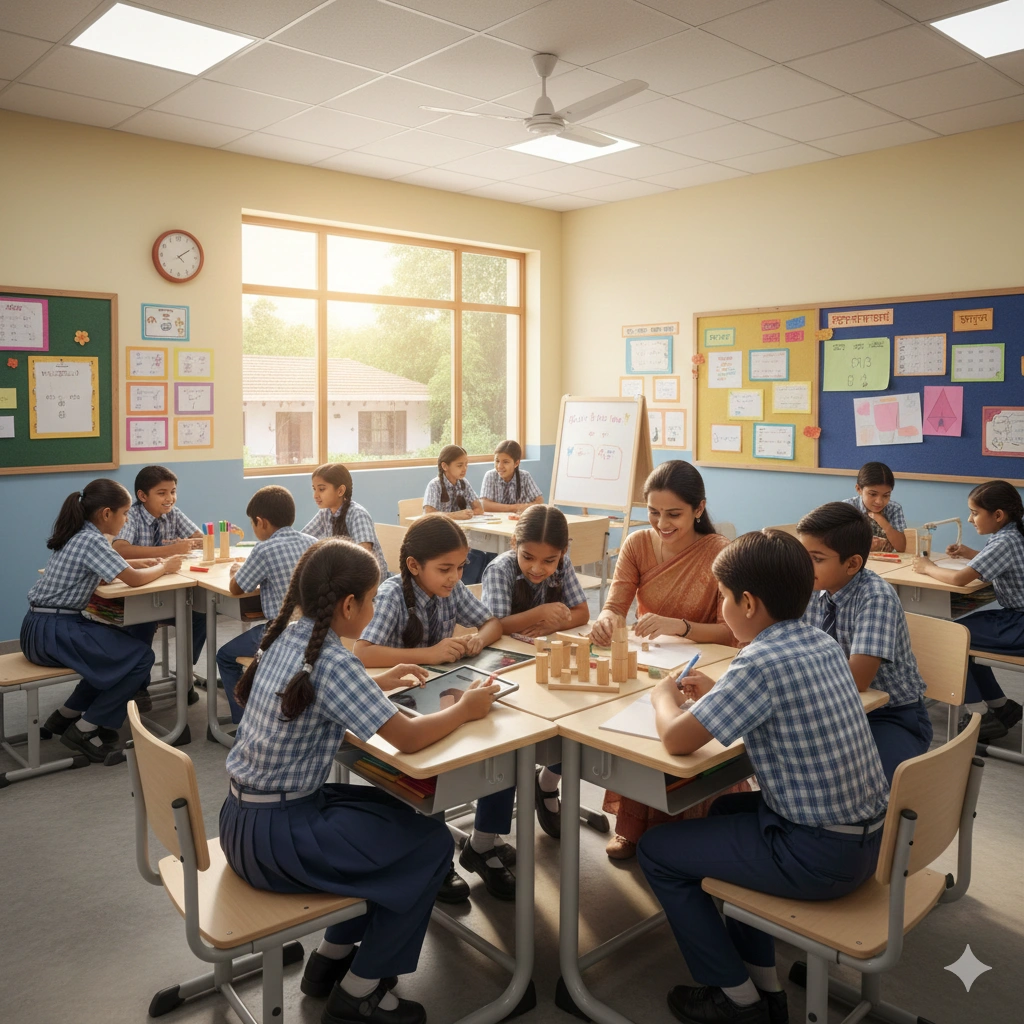
In an age where skills can be learned online, careers are rapidly evolving, and success stories sometimes emerge from unconventional paths, some wonder whether formal schooling still holds the transformative power it once did. Yet history, philosophy, and modern policy all point toward the same conclusion—education remains one of the most powerful forces for personal growth and national development.
From the foundational philosophies of Jean-Jacques Rousseau to the modern framework of India's National Education Policy (NEP) 2020, the evidence is clear: schooling is not just about memorizing facts; it is about shaping character and the future of humanity.
1. Beyond Academics: The Essential Skills
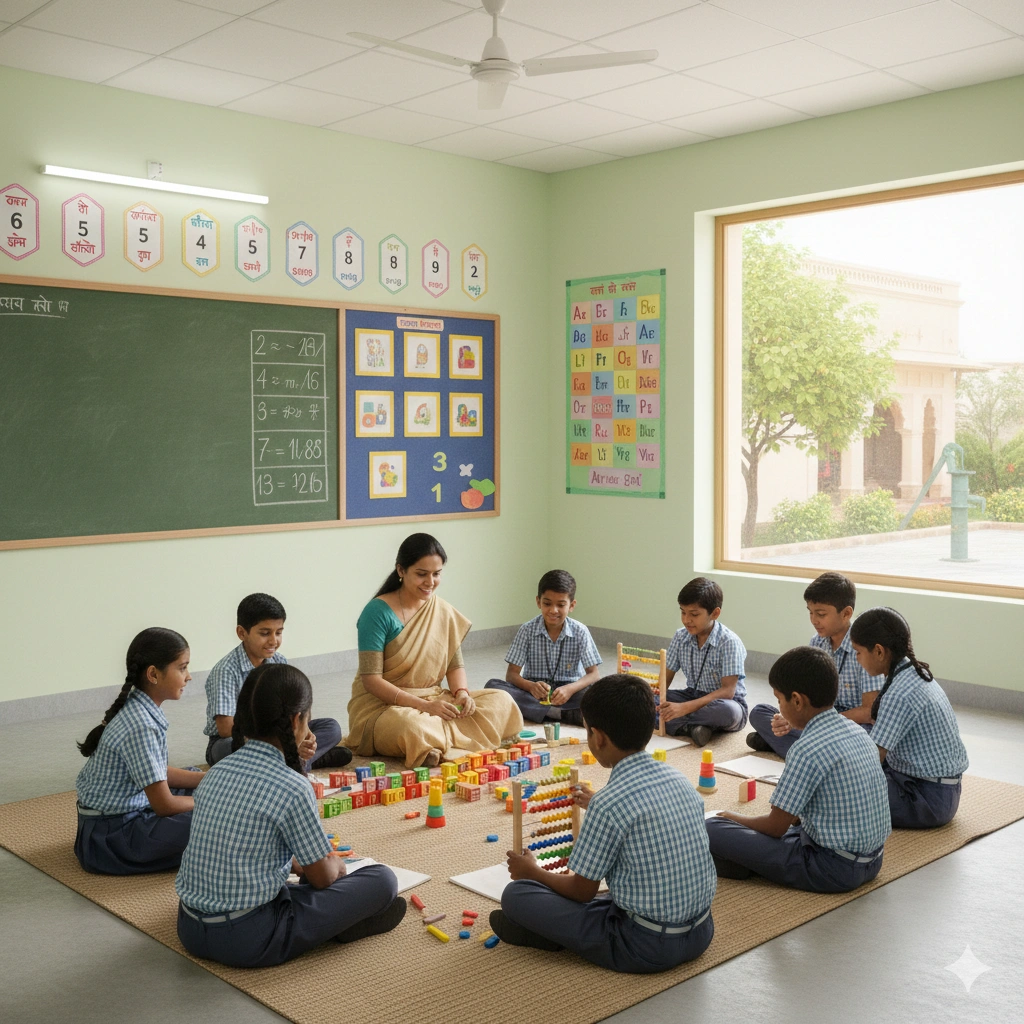
Foundational literacy and numeracy: The bedrock of all learning
At its most basic level, schooling equips individuals with essential skills. Literacy and numeracy form the foundation upon which all other learning stands.
- Practical Empowerment: The ability to read critically, write clearly, and calculate accurately empowers individuals to navigate everyday life—understanding contracts, interpreting news, managing finances, or accessing healthcare information
- Indispensable Tool: In a world increasingly driven by technology and information, education is no longer optional; it is indispensable
Key Stat
According to UNESCO, basic reading skills can lift 171 million people out of extreme poverty, reducing the global poverty rate by 12%.
Key Point: Without the structured environment of a school, acquiring these fundamental skills becomes a fragmented and often incomplete process.
2. Shaping Character: The "Head, Heart, and Hands" Approach
However, schooling is far more than the transfer of academic knowledge. As Jean-Jacques Rousseau famously described, education is "the art of forming men."
His words remind us that the purpose of schooling extends beyond textbooks and examinations. It is about forming responsible citizens who can think independently and act ethically within society. Education, in this sense, is a moral and civic enterprise.
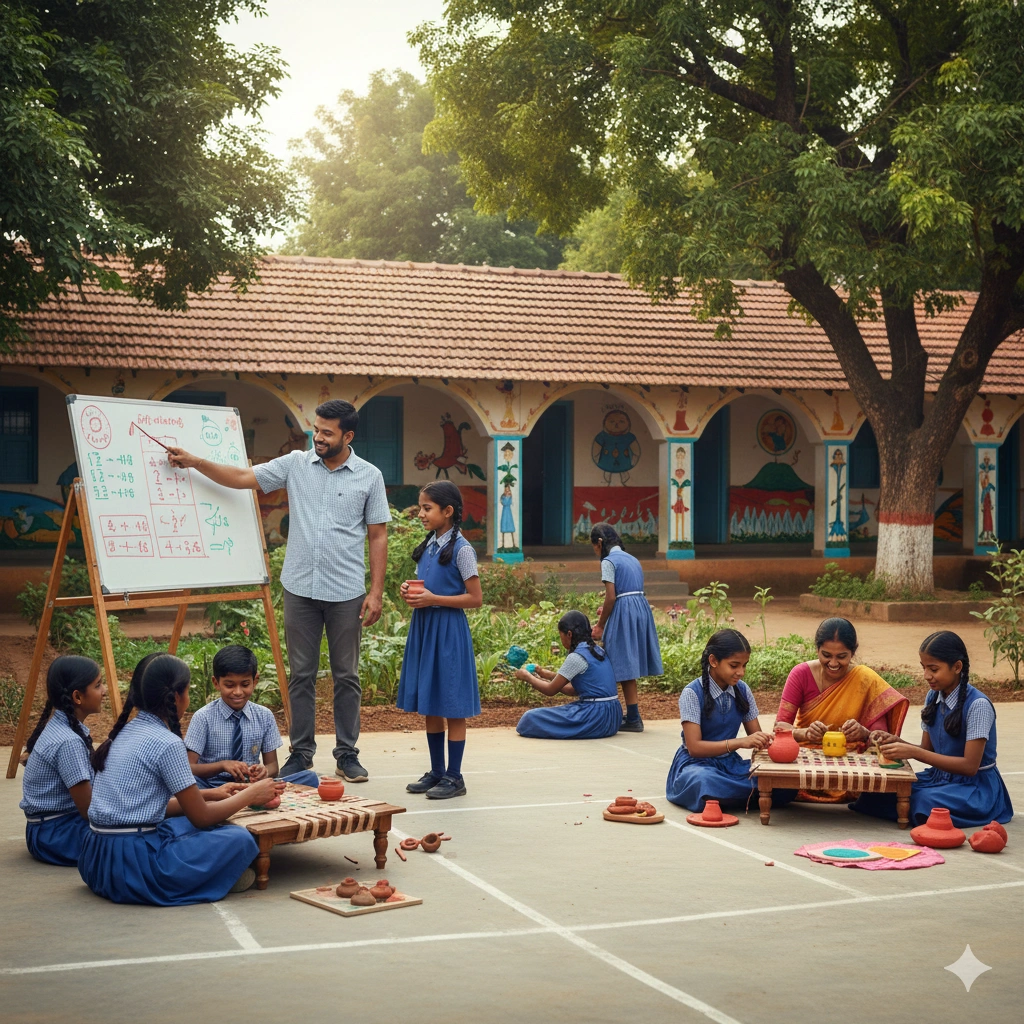
Pestalozzi's vision: Developing the Head, Heart, and Hands
Pestalozzi's Vision
Similarly, the Swiss educator Johann Heinrich Pestalozzi emphasized that "education is the natural, harmonious and progressive development of man's innate powers." He believed that effective schooling should develop the Head (intellect), Heart (emotion), and Hands (skills) together.
Modern Relevance: This holistic view remains deeply relevant today. Modern societies demand not only technical competence but also emotional intelligence, empathy, creativity, and adaptability. Schools serve as structured spaces where these qualities can be cultivated systematically.
3. The Montessori Perspective: Investing in Humanity
Maria Montessori, whose educational philosophy transformed early childhood education worldwide, beautifully expressed the long-term impact of schooling when she said: "The child is both a hope and a promise for mankind."
Her perspective underscores a profound truth: investing in education is ultimately an investment in humanity's future.
When children are guided in environments that respect their individuality and nurture their natural curiosity, they grow into confident, capable adults who contribute meaningfully to society.
4. The Economic Power of Education

Education: A powerful engine for economic growth and social mobility
Beyond personal growth, schooling has undeniable economic significance. Numerous studies across the globe demonstrate a strong relationship between educational attainment and income levels.
- Individual Growth: Individuals with higher levels of education tend to have better employment opportunities, higher earning potential, and greater job stability
- National Prosperity: On a national scale, countries that prioritize education often experience stronger economic growth, innovation, and global competitiveness. Skilled workforces drive industries, attract investment, and create new technologies
- Breaking Poverty Cycles: Education also serves as a powerful tool for social mobility. For children born into disadvantaged communities, schooling can break the cycle of poverty. A quality education provides access to opportunities—professions, leadership roles, and civic participation—that may otherwise remain unreachable
Key Stat
Data from the World Bank indicates that one extra year of schooling increases an individual's earnings by up to 10% a year.
An educated citizenry is better equipped to understand rights and responsibilities, engage in informed debate, and contribute to democratic processes. In this way, schooling strengthens not only individuals but also the very fabric of society.
5. NEP 2020: Reinforcing Meaningful Schooling
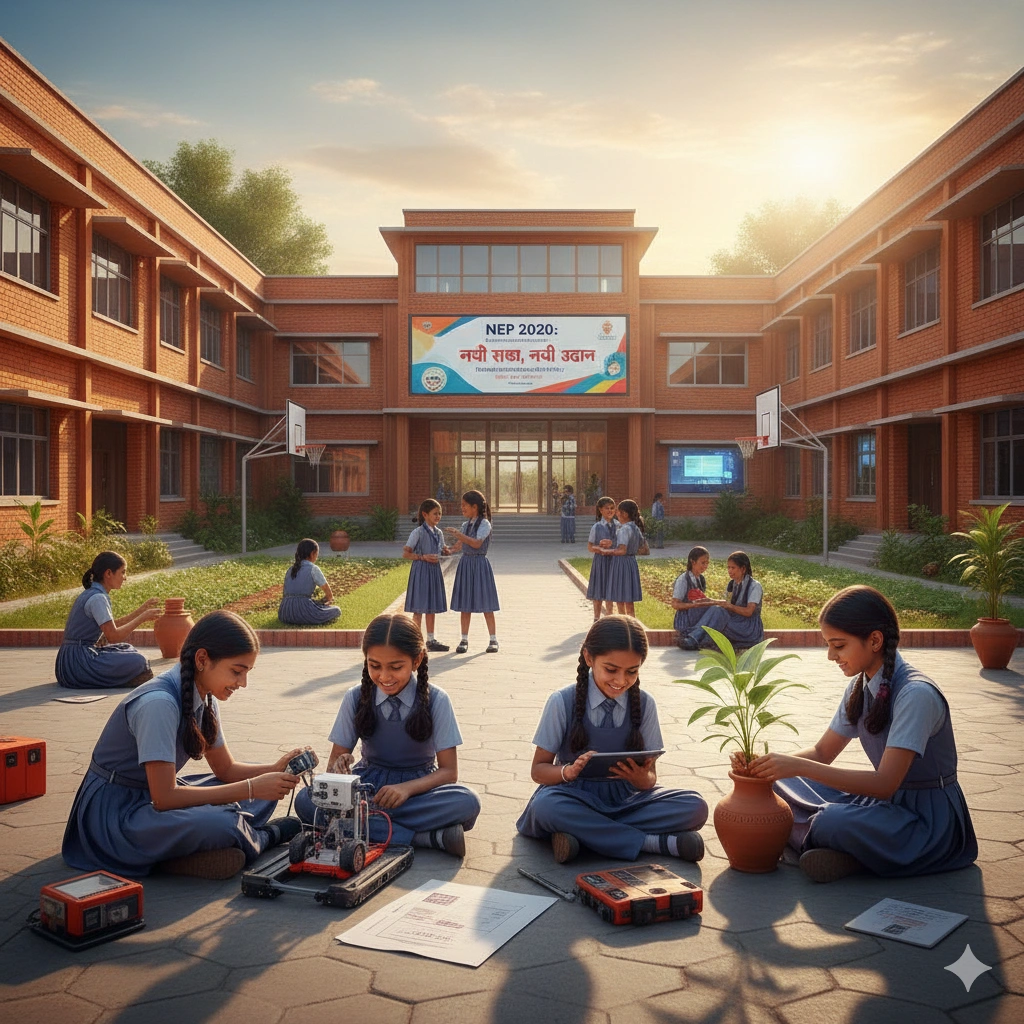
NEP 2020: India's blueprint for future-ready education
Modern educational reforms continue to reinforce the importance of meaningful schooling. India's National Education Policy (NEP) 2020, for example, reflects a renewed commitment to transforming the educational landscape.
Key Highlights of NEP 2020
- Foundational Literacy: The policy emphasizes foundational literacy and numeracy, recognizing that early learning is crucial for lifelong success
- Experiential Learning: It advocates experiential and multidisciplinary learning, moving away from rote memorization toward critical thinking and creativity
- Holistic Development: By promoting flexibility in subject choices and encouraging skill-based education, NEP 2020 acknowledges that schooling must evolve to meet the demands of the 21st century
The policy's focus on holistic development resonates strongly with the philosophies of Rousseau, Pestalozzi, and Montessori. By integrating vocational training, technology, arts, and sports into mainstream education, NEP 2020 seeks to ensure that students develop diverse talents and practical skills alongside theoretical knowledge.
6. Challenges and the Path Forward
Yet, while the benefits of schooling are clear, challenges remain. Access to quality education is still unequal in many parts of the world.
- Barriers: Rural communities, marginalized groups, and economically disadvantaged families often face barriers such as inadequate infrastructure, shortage of trained teachers, or limited digital access
- Systemic Issues: Furthermore, outdated curricula and exam-oriented systems can sometimes hinder creativity and genuine understanding
The Solution?
For schooling to truly make a difference, it must be inclusive, relevant, and adaptive.
- Empower Teachers: Teachers must be empowered with proper training and resources
- Active Classrooms: Classrooms must encourage questioning and exploration rather than passive memorization
- Future-Ready Systems: Education systems must continuously update their methods to reflect societal changes and technological advancements
Conclusion: Schools Are Where the Future is Built
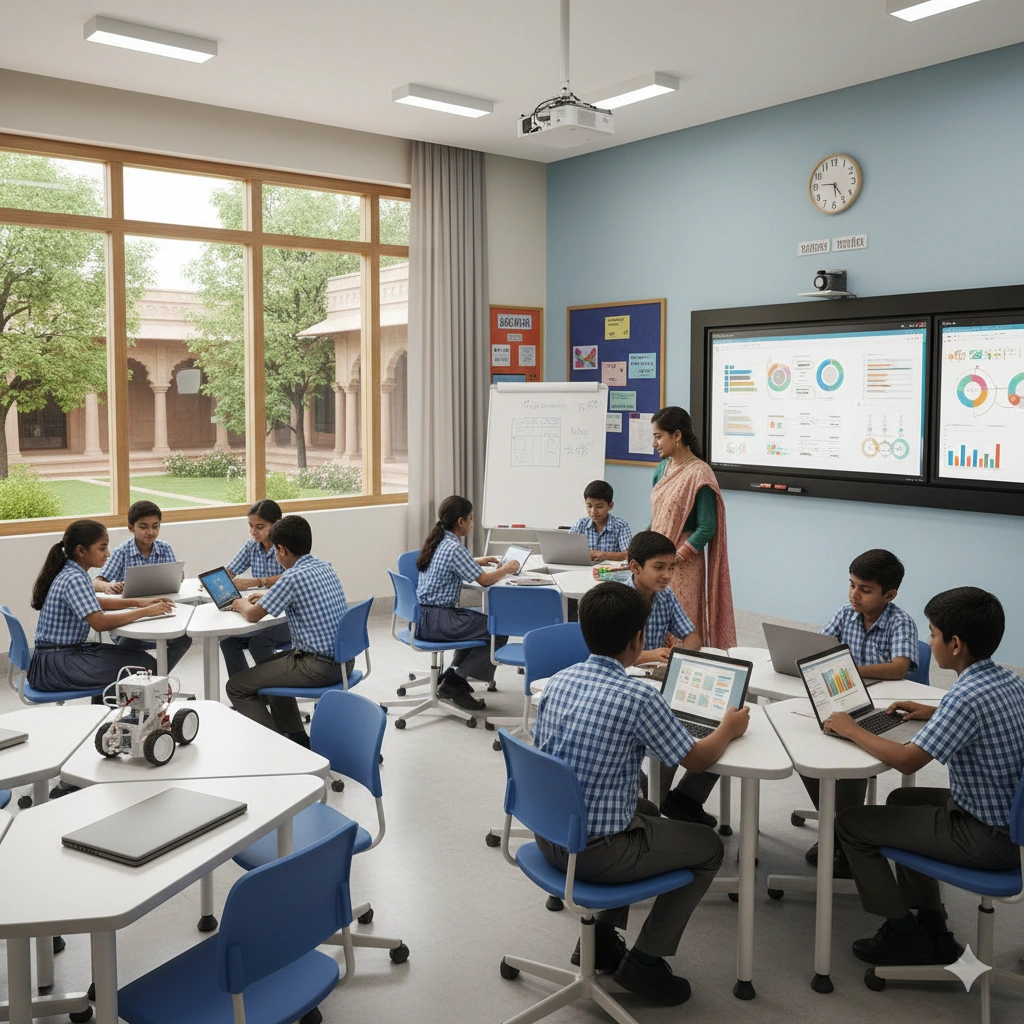
The classroom of tomorrow: Where futures are shaped and nations are built
Despite these challenges, the fundamental truth remains: schooling transforms lives.
It instills discipline, fosters resilience, and cultivates a lifelong love for learning. Through group projects, sports, debates, and cultural activities, students learn cooperation, leadership, and respect for diversity. They encounter ideas that challenge their assumptions and expand their horizons.
In conclusion, schooling undeniably makes a difference—intellectually, socially, economically, and morally.
From Rousseau's vision of forming responsible citizens, to Pestalozzi's holistic development of innate powers, to Montessori's faith in the child as humanity's promise, educational thinkers across centuries have affirmed its transformative power. Modern reforms such as India's NEP 2020 continue this legacy by striving to create education systems that are equitable, flexible, and future-ready.
Education is not merely preparation for life; it is life itself unfolding through guided learning and growth. When societies invest in schooling, they invest in progress, innovation, and human dignity. Indeed, classrooms are not just buildings where lessons are taught—they are spaces where futures are shaped and nations are built.